
Deembedding Multi Port Scattering Matrices for High Speed Board Characterization
De-embedding multi-port scattering matrices removes physical fixture loss and crosstalk to extract accurate printed circuit trace performance for high-speed boards.
De-embedding multi-port scattering matrices removes physical fixture loss and crosstalk to extract accurate printed circuit trace performance for high-speed boards.

Phase skew from fiber weave periodicity is bounded by specifying dual-ply spread glass laminates or 5-degree off-axis trace routing to protect PAM4 timing margins.

High-speed differential lines require guard-banded TDR and VNA coupon testing to prevent localized trace defects from causing field failure escapes.
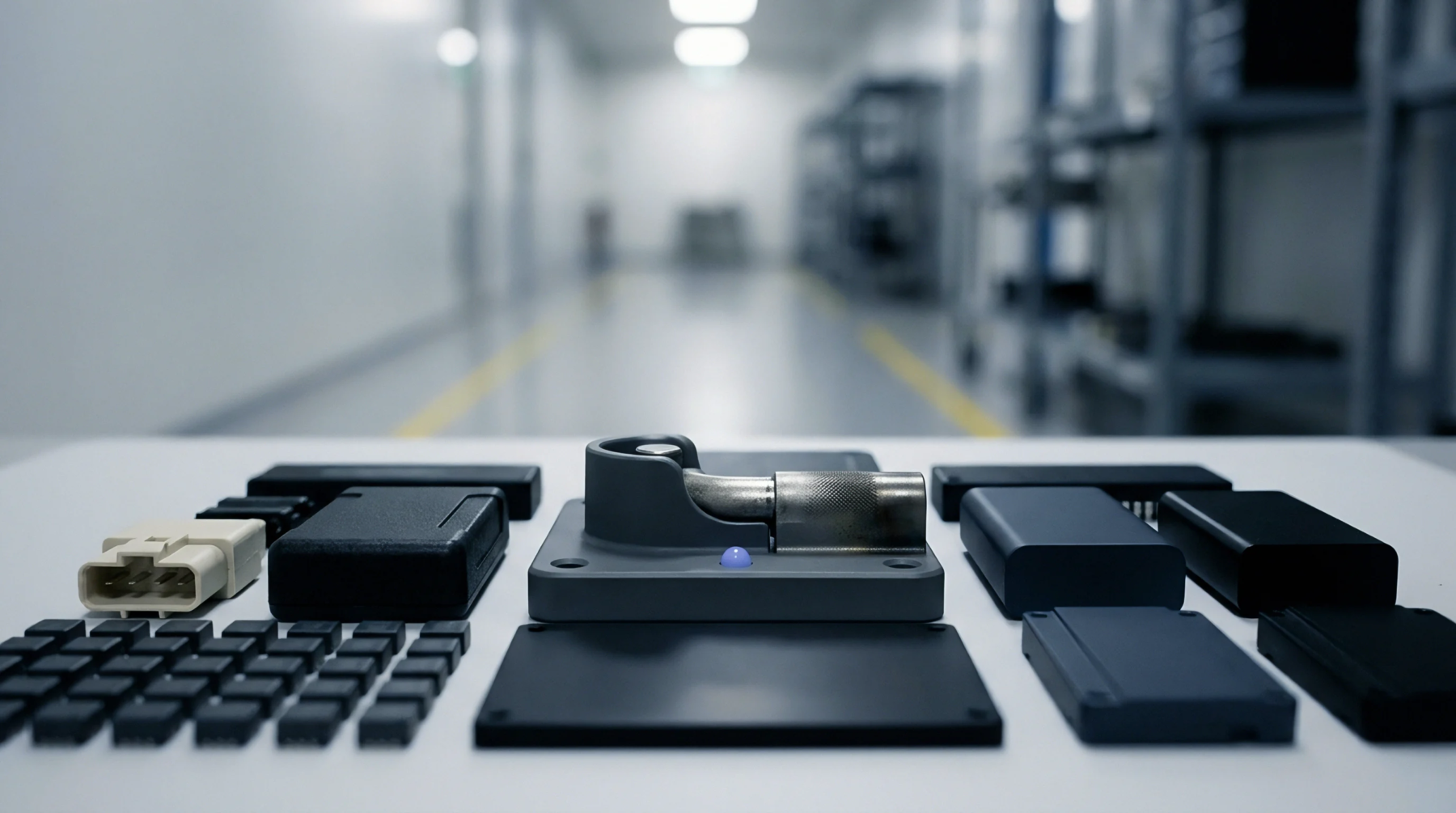
Optimize multi-gigahertz stackup phase jitter by specifying mechanically spread glass fabrics, matched thermal resins, and off-axis panel trace layout.
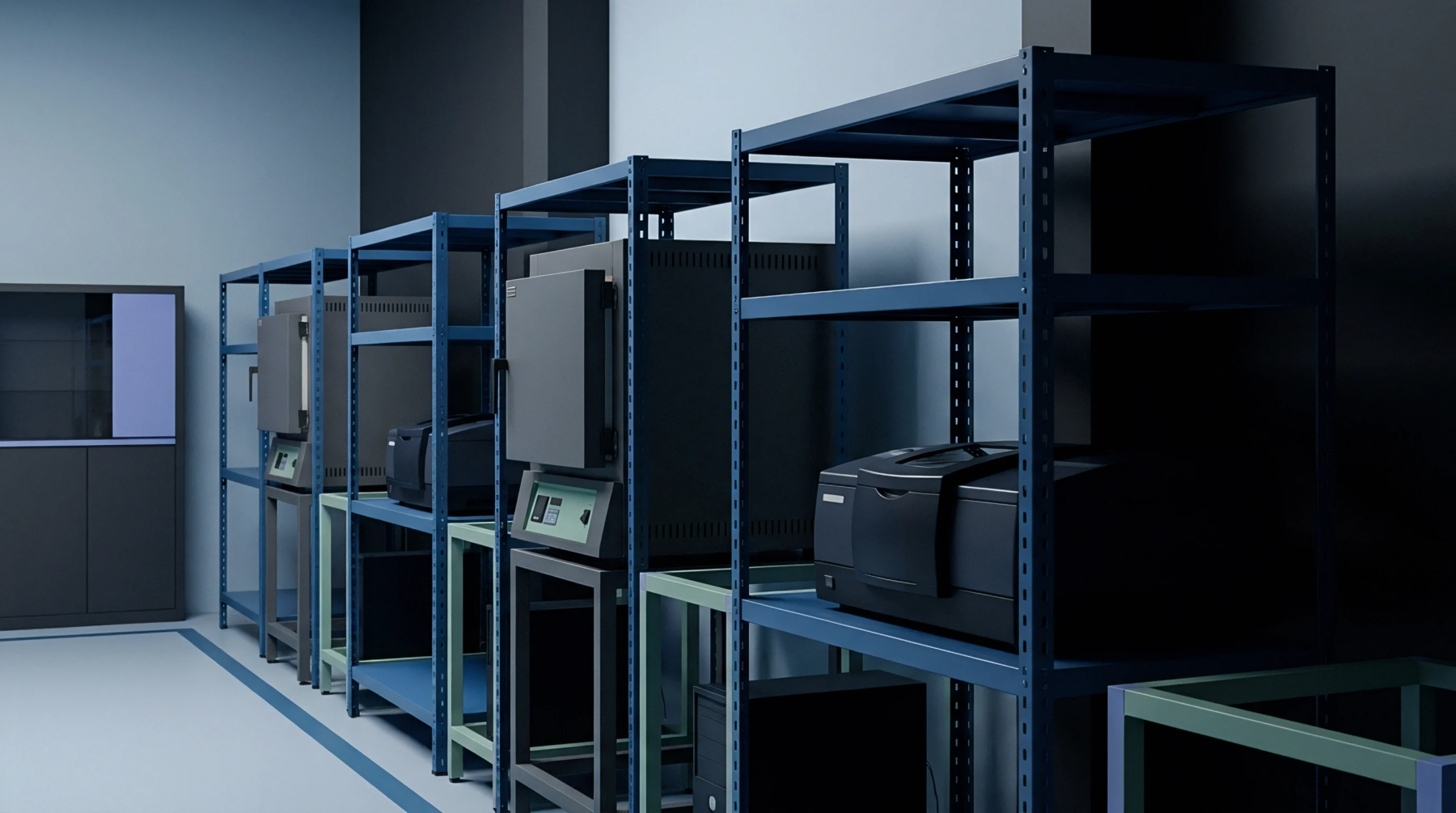
Sub-picosecond skew verification demands on-board planar TRL standards, mechanically spread glass weaves, and strict antipad probe relief geometry.
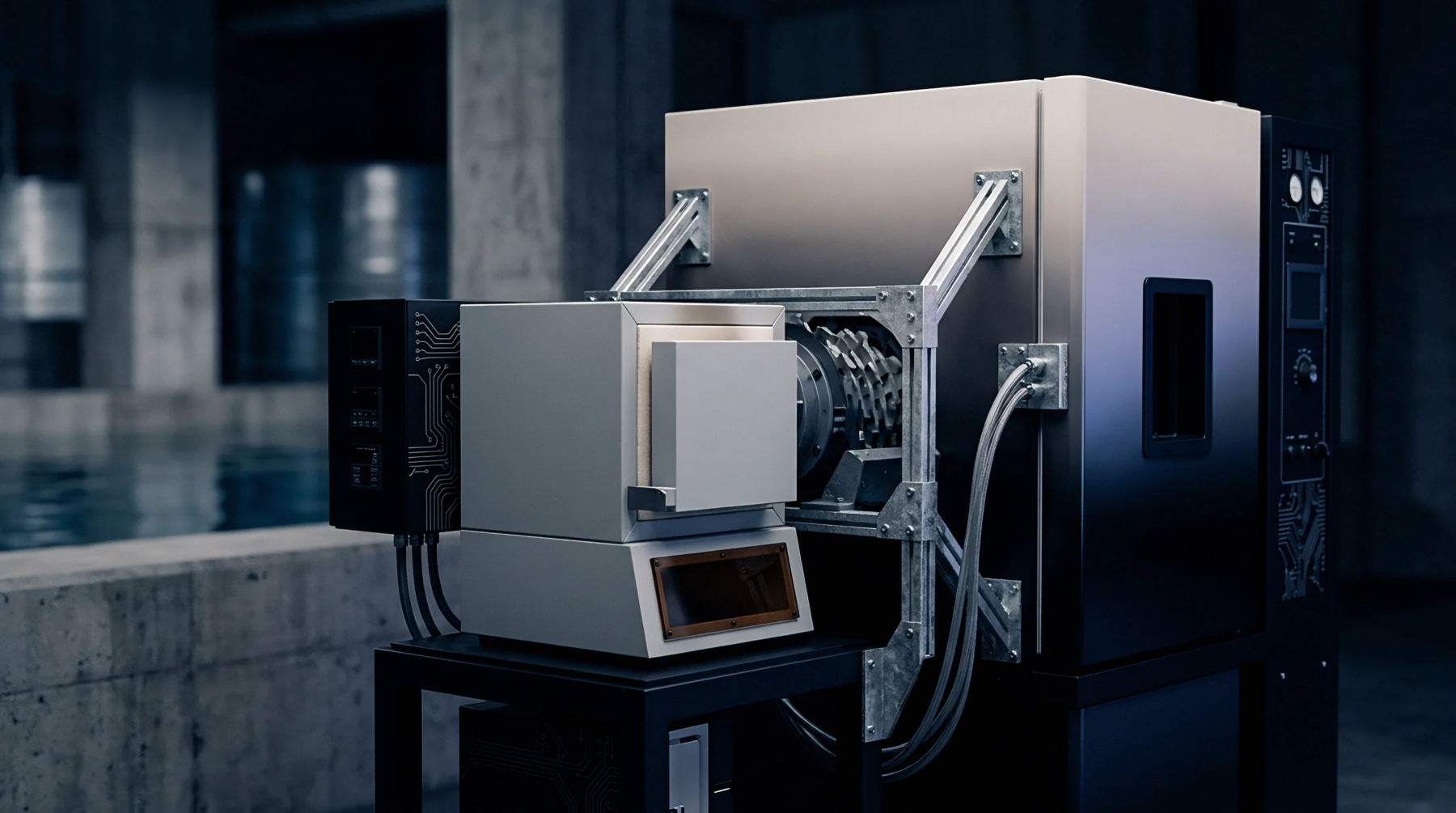
Differential channel skew drifts under environmental screening due to glass weave expansion mismatches, requiring in situ de-embedded phase verification.

Copper foil roughness profiles dominate gigahertz conductor loss, causing up to forty percent attenuation variations across equivalent IPC-4101 slash sheets.
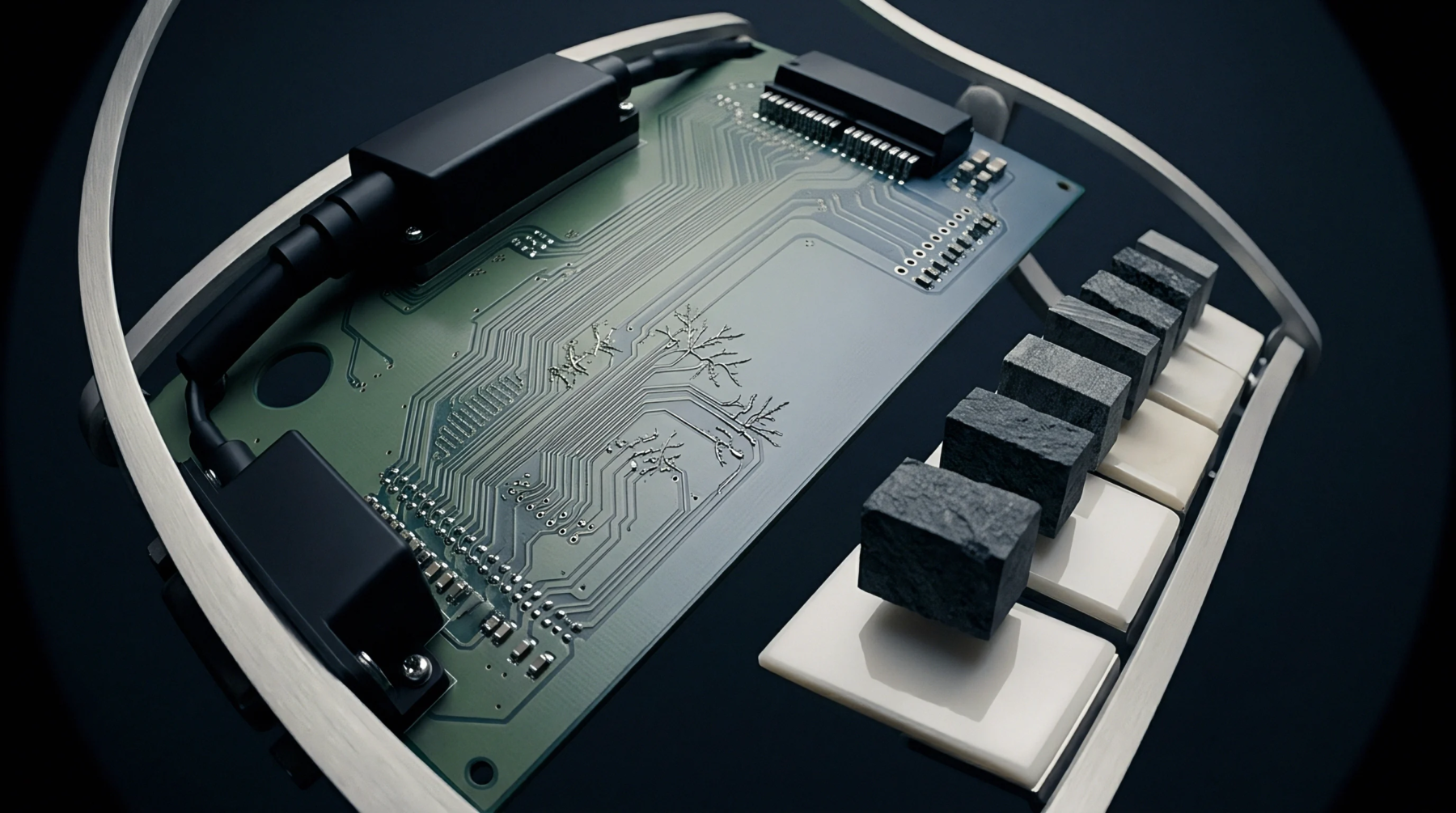
Mitigating 112G PAM4 weave skew requires mechanically spread low-Dk glass or zig-zag trace routing to keep intra-pair delay variation below 0.3 picoseconds.
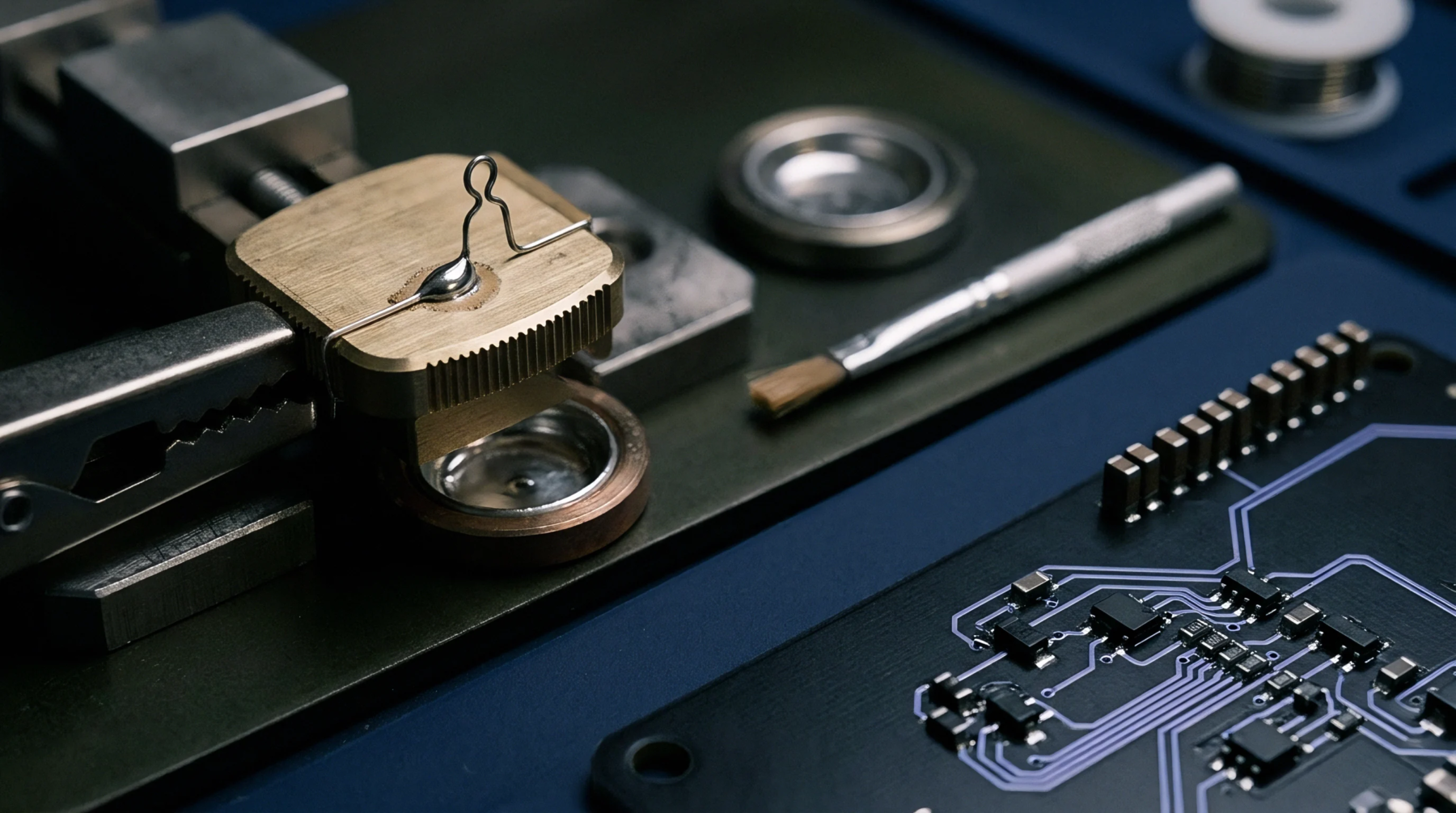
Integrating z-axis dielectric dispersion with resin distribution data prevents impedance mismatches and vertical eye closure in 112G PAM4 channels.
Modelling interfacial roughness on hydrophobic polyimide requires 3D Sdr metrics and Huray models to balance mmWave attenuation against peel strength limits.
Dynamic environmental stress screening with live high-frequency monitoring catches transient microvia void skew escapes that static room-temperature DC testing misses.
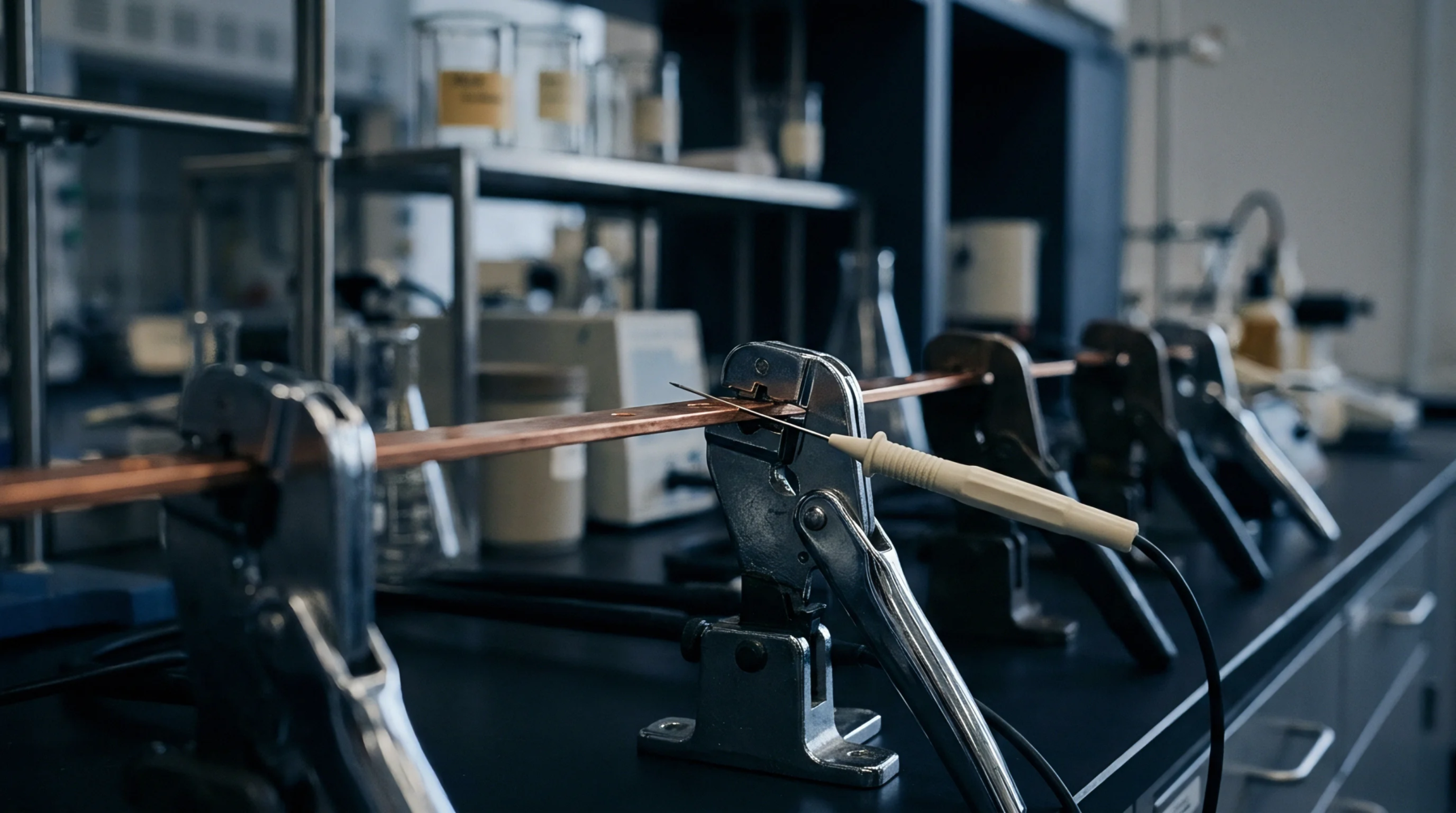
High speed fixture escape vectors for AC coupling caps demand high frequency TDR de-embedding to catch low frequency probe blind spots.
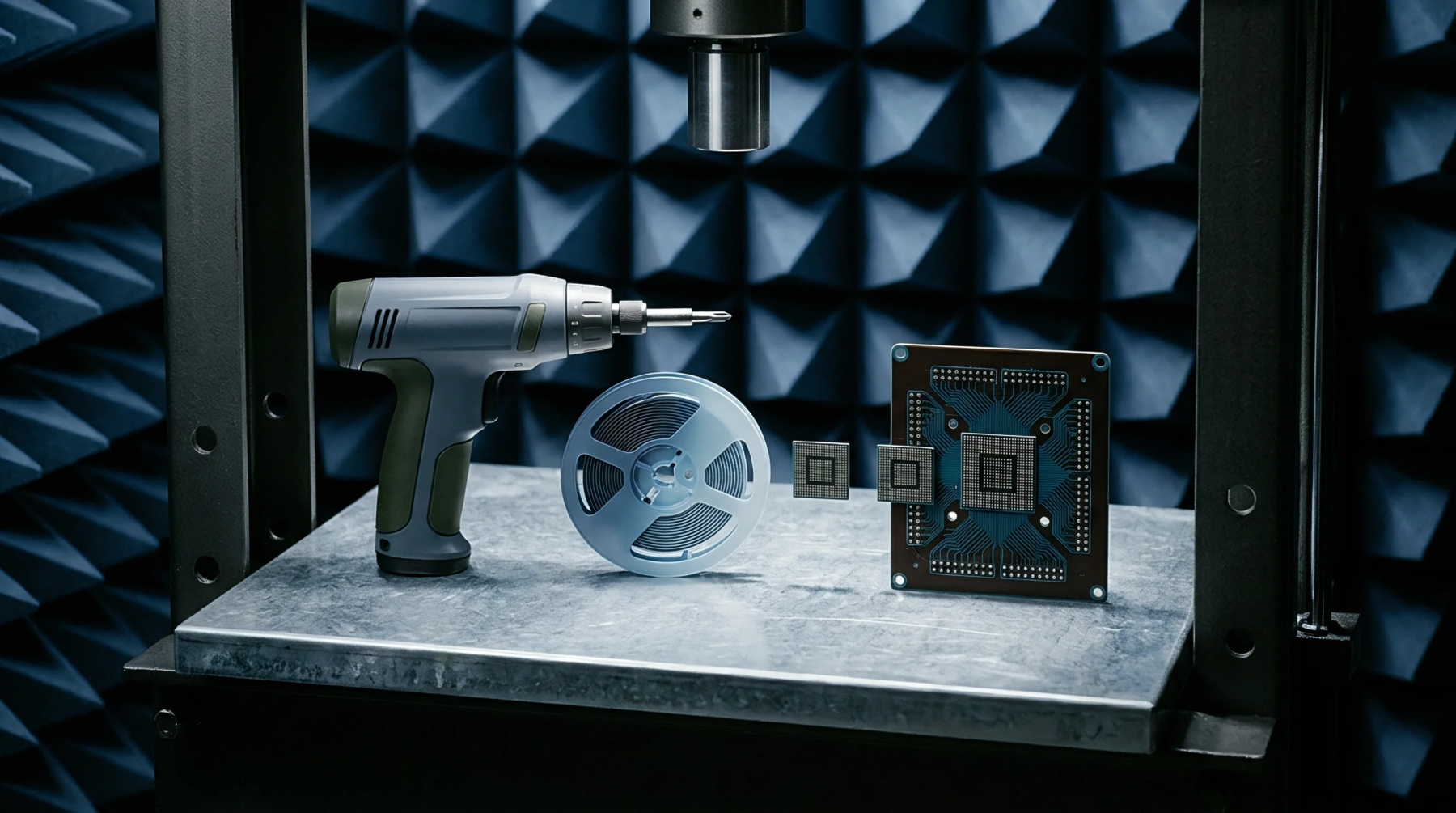
Sub-stack resin squeeze-out during sequential lamination elevates z-axis Dk and reduces dielectric thickness, shifting differential impedance off target.
Expertise is a utility, not a secret. sentiention™ publishes its working knowledge as open reference: intelligence layer covering the materials it sources, the markets it enters, and the reference that serves both.