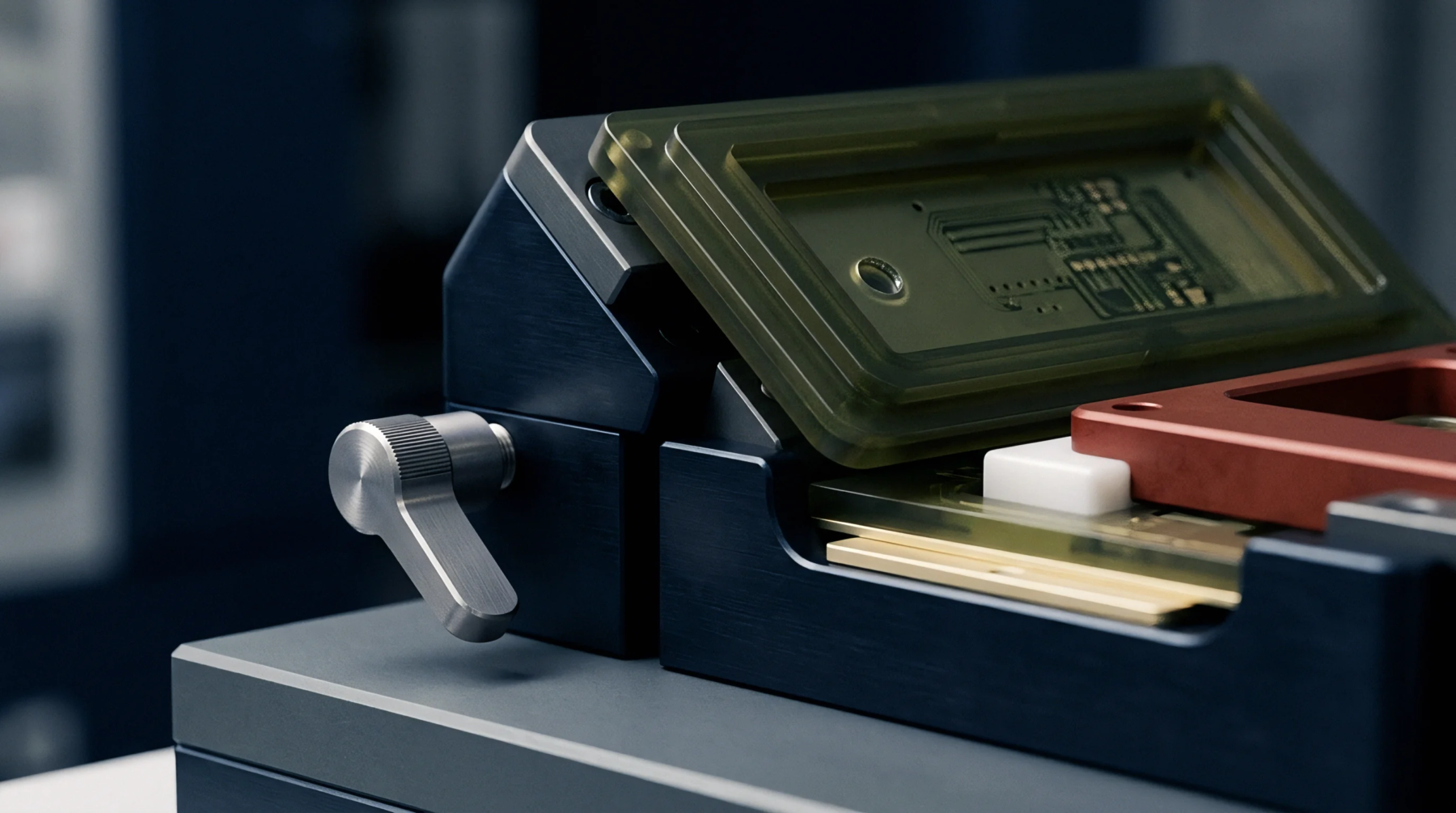
Thermal Chamber
Accelerated thermal cycling exposes populated printed circuit boards to rapid temperature transitions, precipitating solder joint fatigue and latent component defects before assemblies enter end use applications. Environmental testing applies these aggressive thermal steps to force mechanical stress across distinct material interfaces on the circuit card assembly. Different coefficients of thermal expansion among copper traces, silicon dies, and FR4 laminate generate shear forces during these cycles.
Solder joints crack under such cyclic strain when intermetallic growth remains uncontrolled during reflow soldering.
Vibration Profile
Electrodynamic shakers simulate transport dynamics and operational shaking by driving random or sinusoidal inputs through the mechanical fixture holding the circuit card assembly. Qualification protocols replicate the exact frequency spectrum encountered in vehicular mounts or aerospace housings to detect inadequately secured connectors and fractured component leads. Solder joints subjected to resonance frequencies fail rapidly if mechanical support pillars or adhesive staking strategies prove insufficient.
Humidity Exposure
Condensing moisture environments accelerate electrochemical migration and dendrite formation between adjacent copper conductors operating under electrical bias. Corrosive agents penetrate protective conformal coatings when application thickness falls below established process thresholds during selective coating operations. Accelerated aging chambers maintain elevated temperature and moisture conditions to verify the dielectric integrity of insulated printed circuit assemblies prior to field deployment.