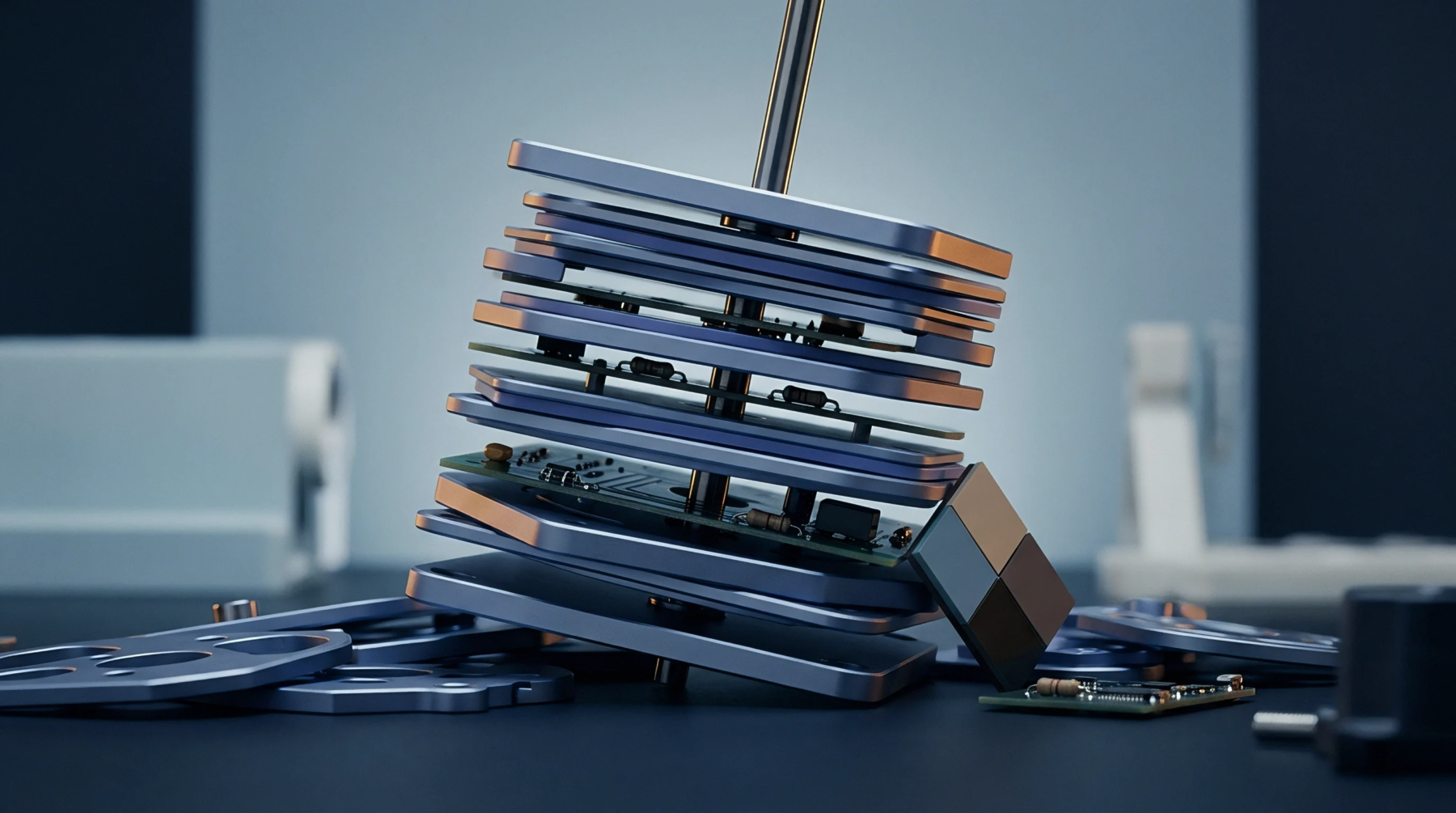
Measuring Dielectric Anisotropy in Glass Reinforced High Frequency Laminates
Glass reinforcement drives in-plane permittivity up to fifteen percent above out-of-plane values, demanding dual-axis coupon extraction for RF designs.
Glass reinforcement drives in-plane permittivity up to fifteen percent above out-of-plane values, demanding dual-axis coupon extraction for RF designs.
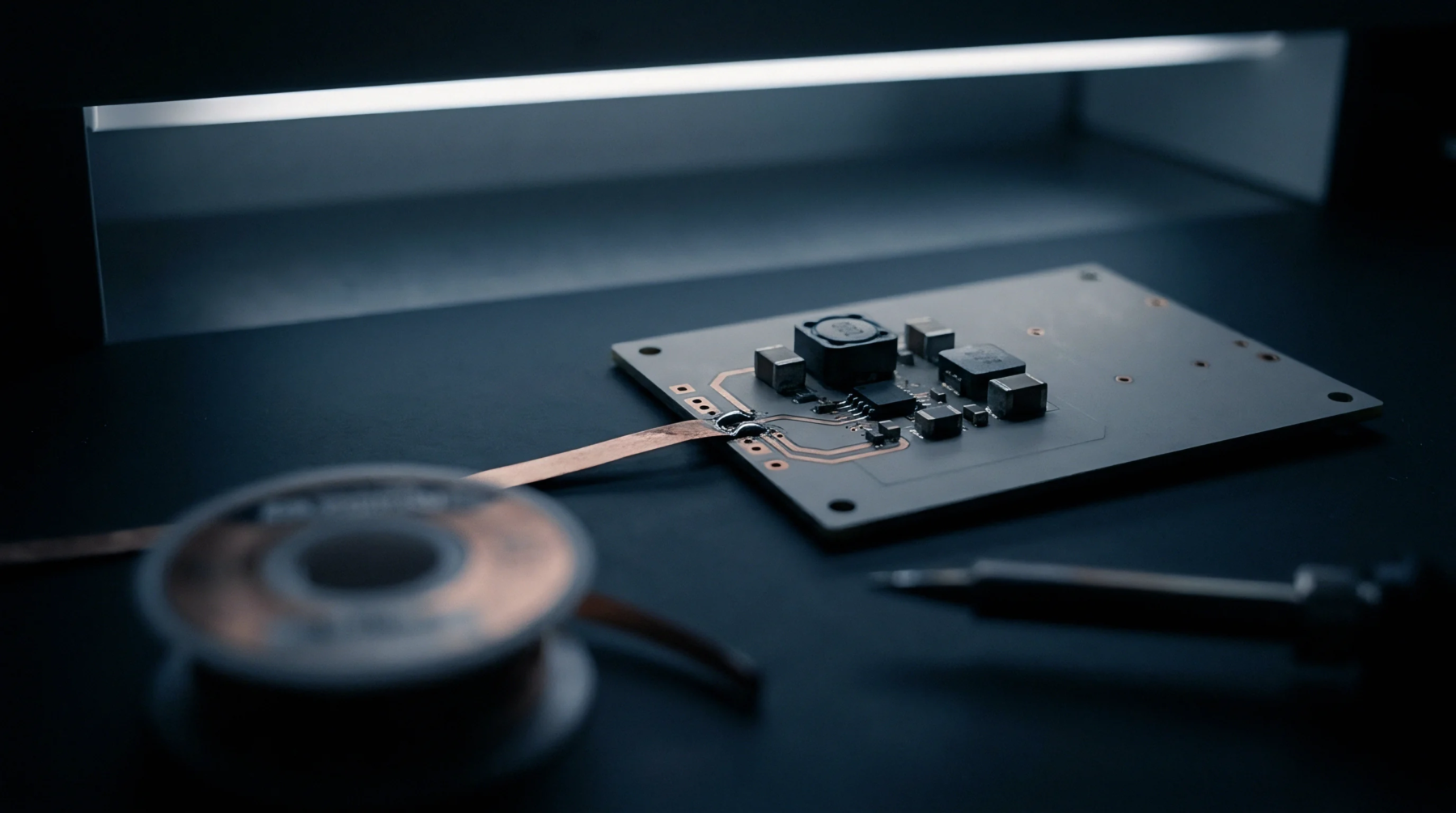
Dynamic thermal gradients alter substrate permittivity, causing severe phase delay skew and PAM4 eye closure unless mitigated by ultra-flat glass and low-drift resins.
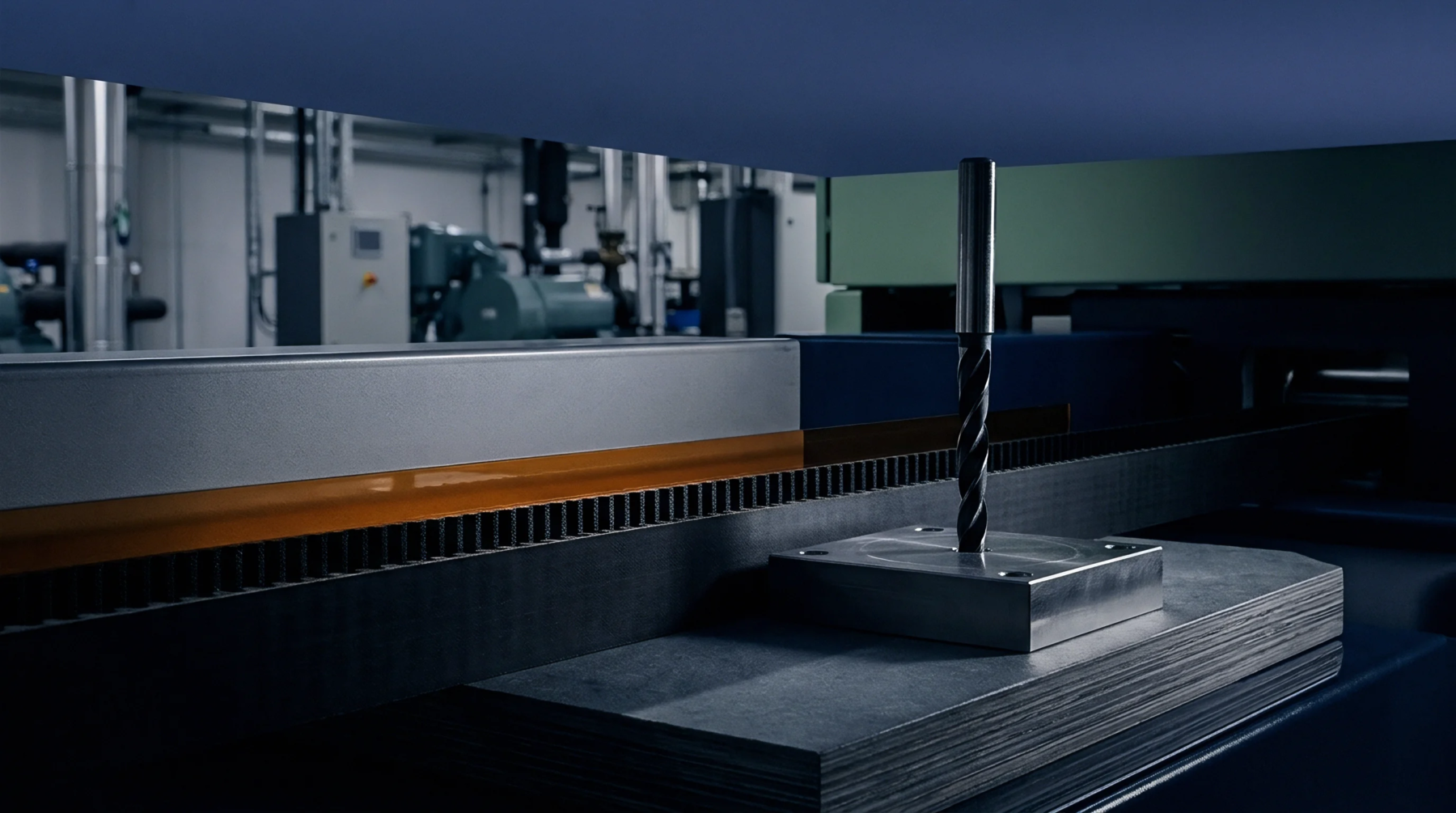
Microstrip phase velocity depends on outer layer inhomogeneous dielectric fields, glass reinforcement architecture, copper roughness, and lamination compression.
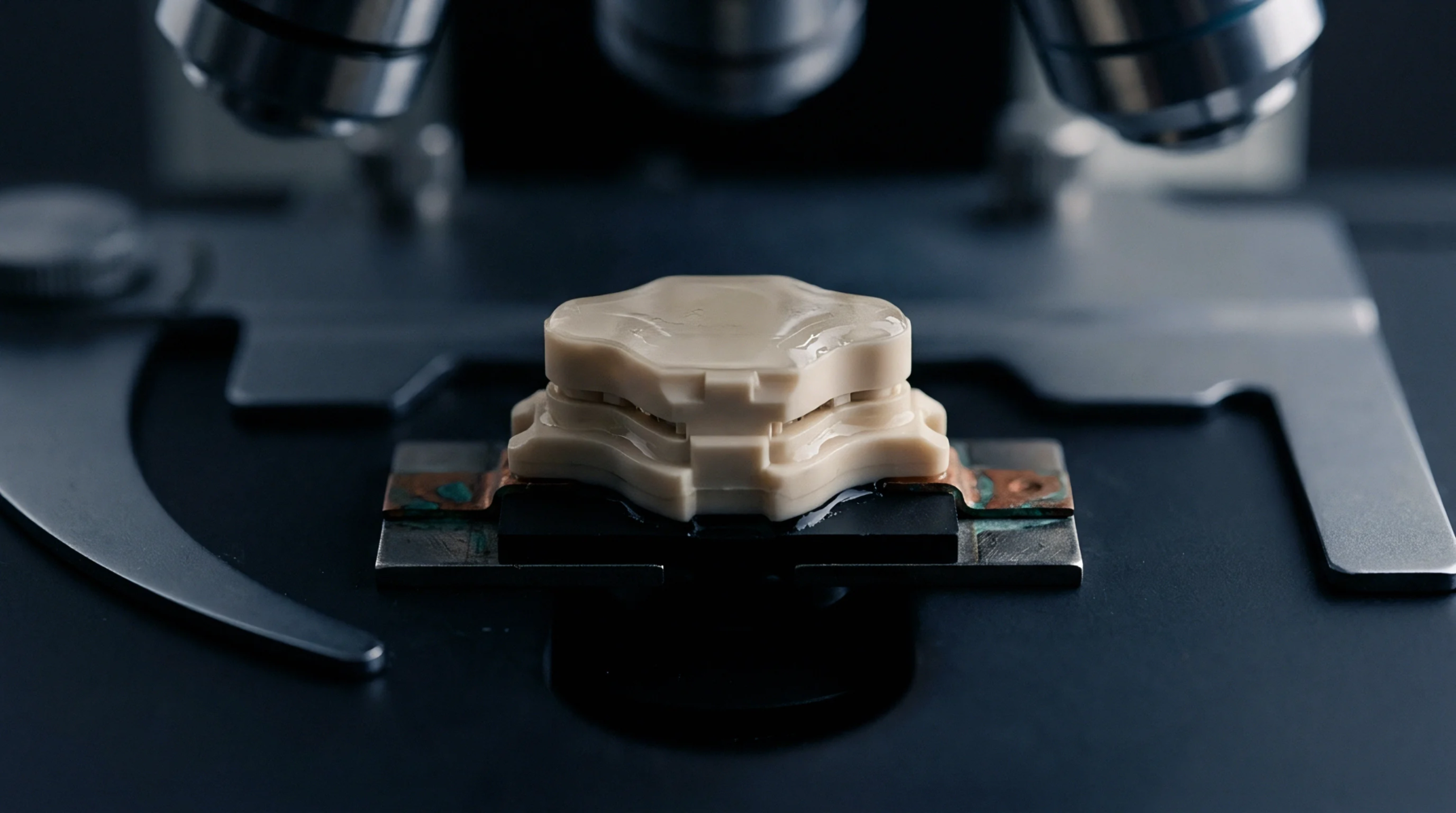
Spatial dielectric variation across organic package cores causes differential phase skew and impedance ripple, requiring spread glass and strict panel-level metrology.
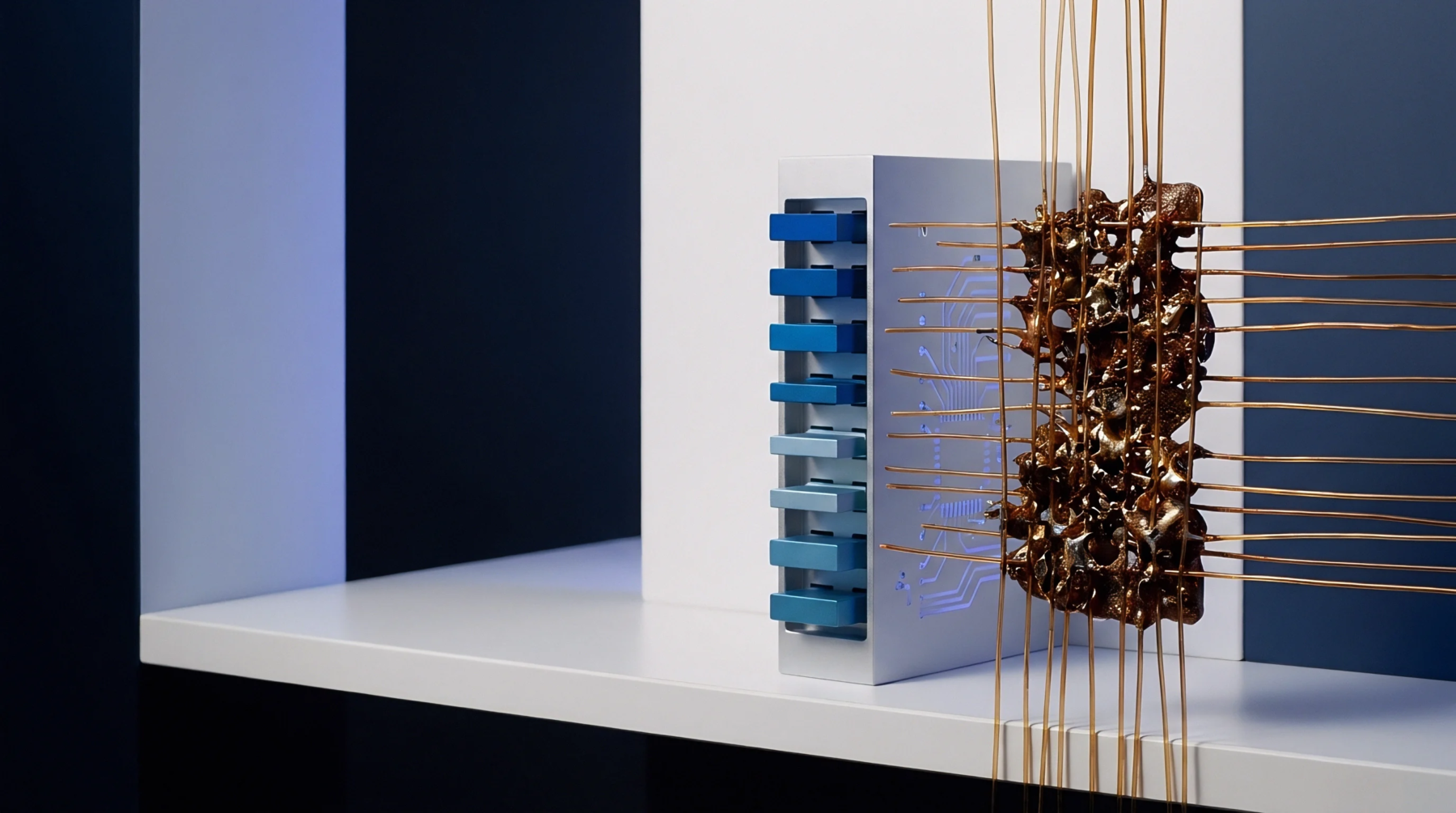
Standardizing microstrip impedance on anisotropic substrates demands tensor permittivity inputs or Schneider equivalence transformations in field solvers.

Dielectric characterization methods determine in-circuit signal velocity by accounting for test fixture field structure, glass anisotropy, and copper surface roughness.
Dynamic top-to-bottom spray pressure balancing and zonal CAM compensation eliminate conveyor puddle variations to hold tight high-frequency trace impedance.
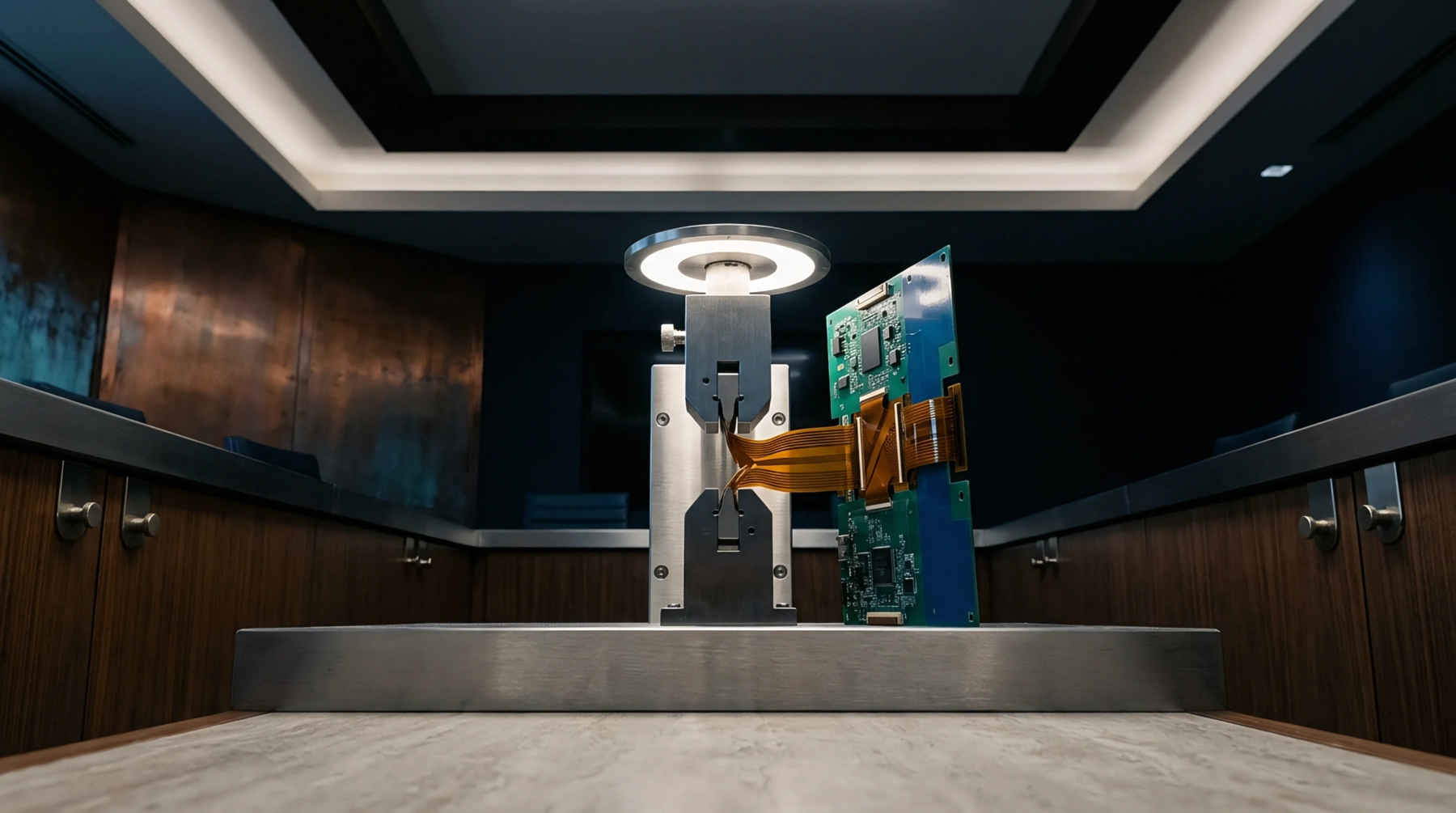
Frequency-domain tensor extraction decouples directional permittivity and loss tangent variations on glass core build-up panels, fixing impedance tolerances across sub-THz interconnects.
Expertise is a utility, not a secret. sentiention™ publishes its working knowledge as open reference: intelligence layer covering the materials it sources, the markets it enters, and the reference that serves both.