
In Plane Permittivity Extraction Using Multiline Thru Reflect Line Test Vehicles
Multiline TRL stripline vehicles isolate in-plane permittivity by extracting propagation constants directly, bypassing transition discontinuities and z-axis bias.
Multiline TRL stripline vehicles isolate in-plane permittivity by extracting propagation constants directly, bypassing transition discontinuities and z-axis bias.
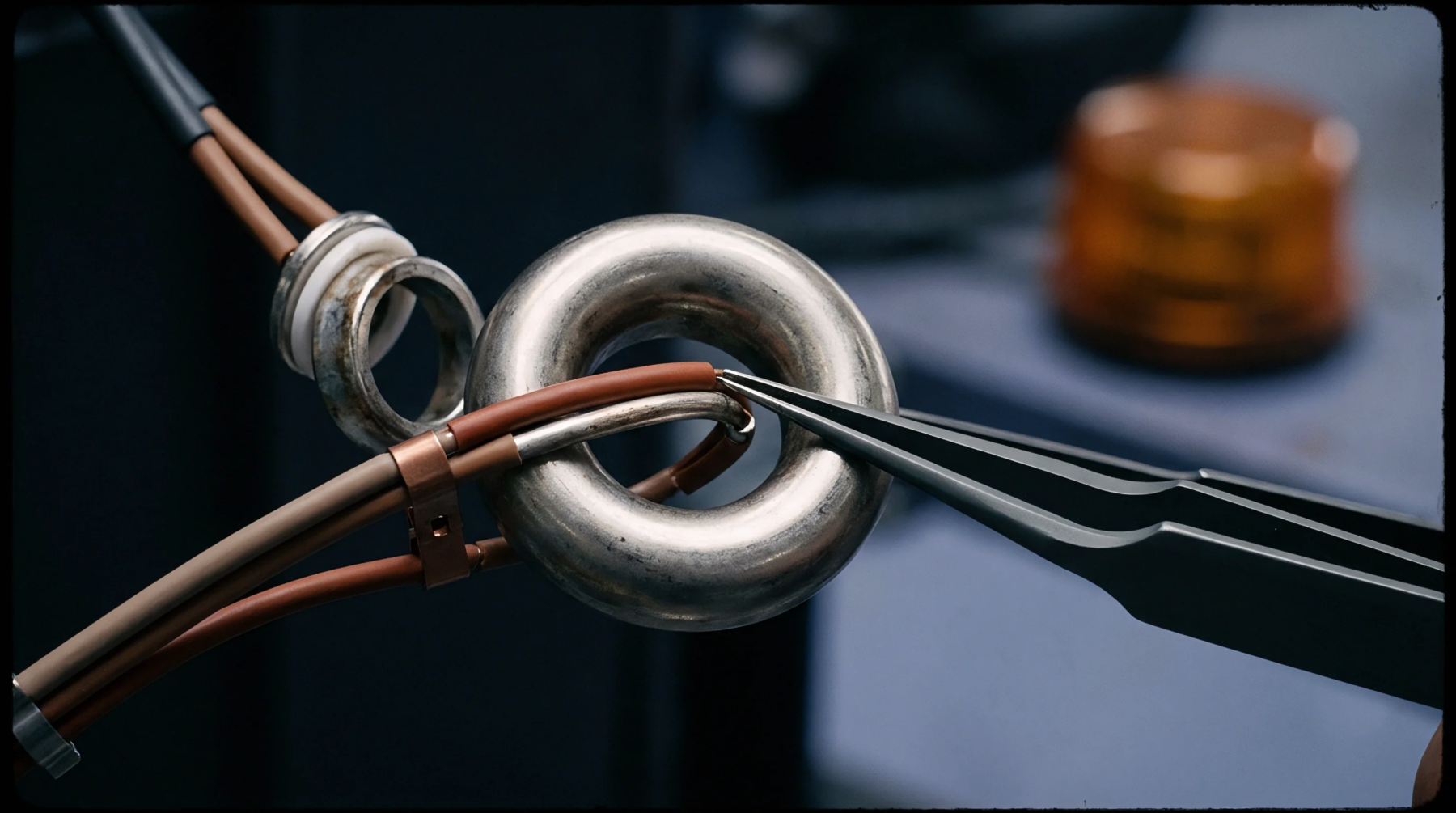
Evaluating in-plane permittivity accounts for horizontal field concentration in edge-coupled pairs, preventing 2 to 5 ohm impedance drops in high-density boards.

Sequential lamination densifies HDI glass fabric, increasing out-of-plane dielectric constant and driving trace impedance below calculated line targets.
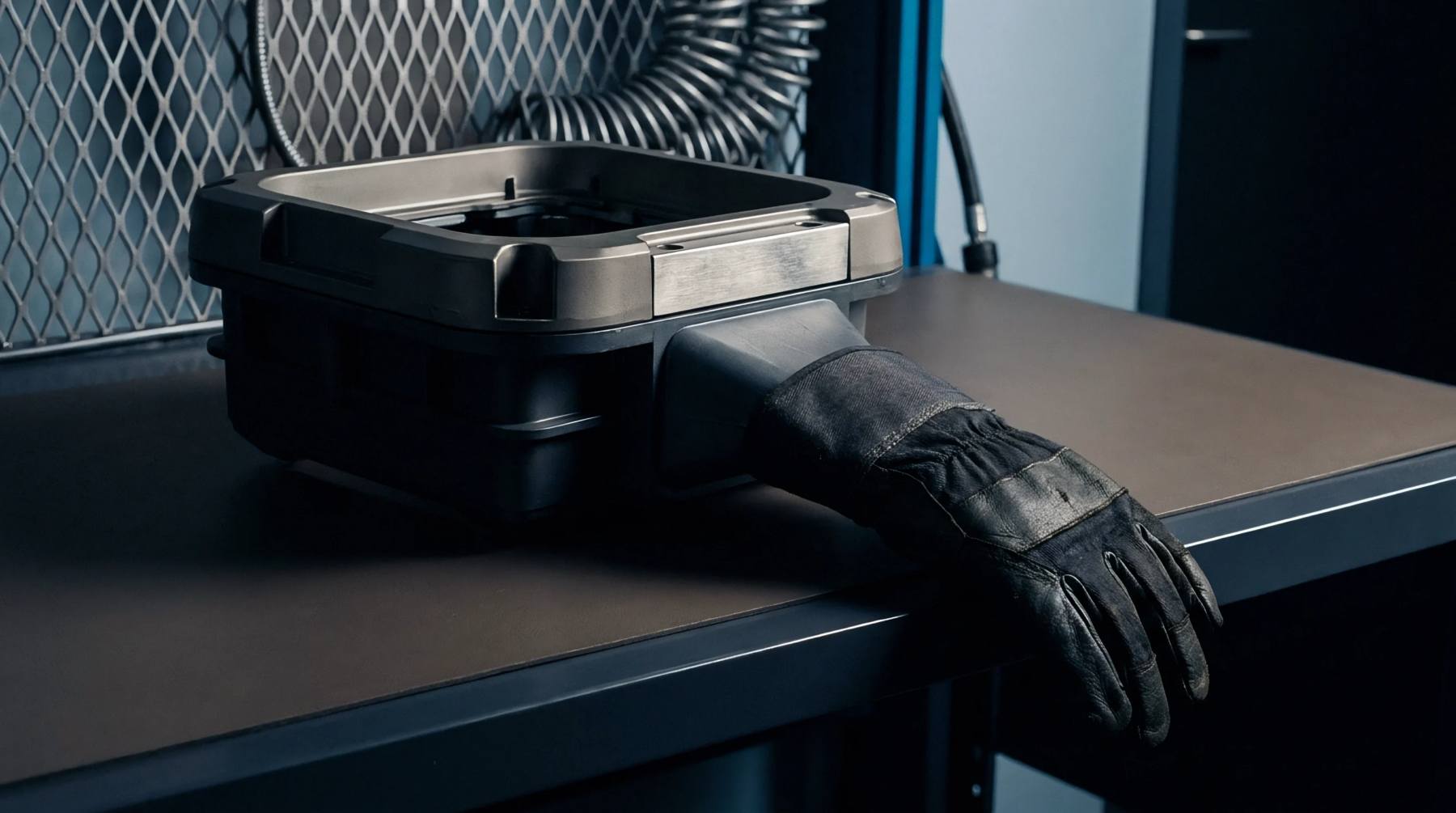
Anisotropic dielectric tensor modeling eliminates up to 8 ohm trace impedance errors and timing skew in high speed package substrates compared to isotropic models.
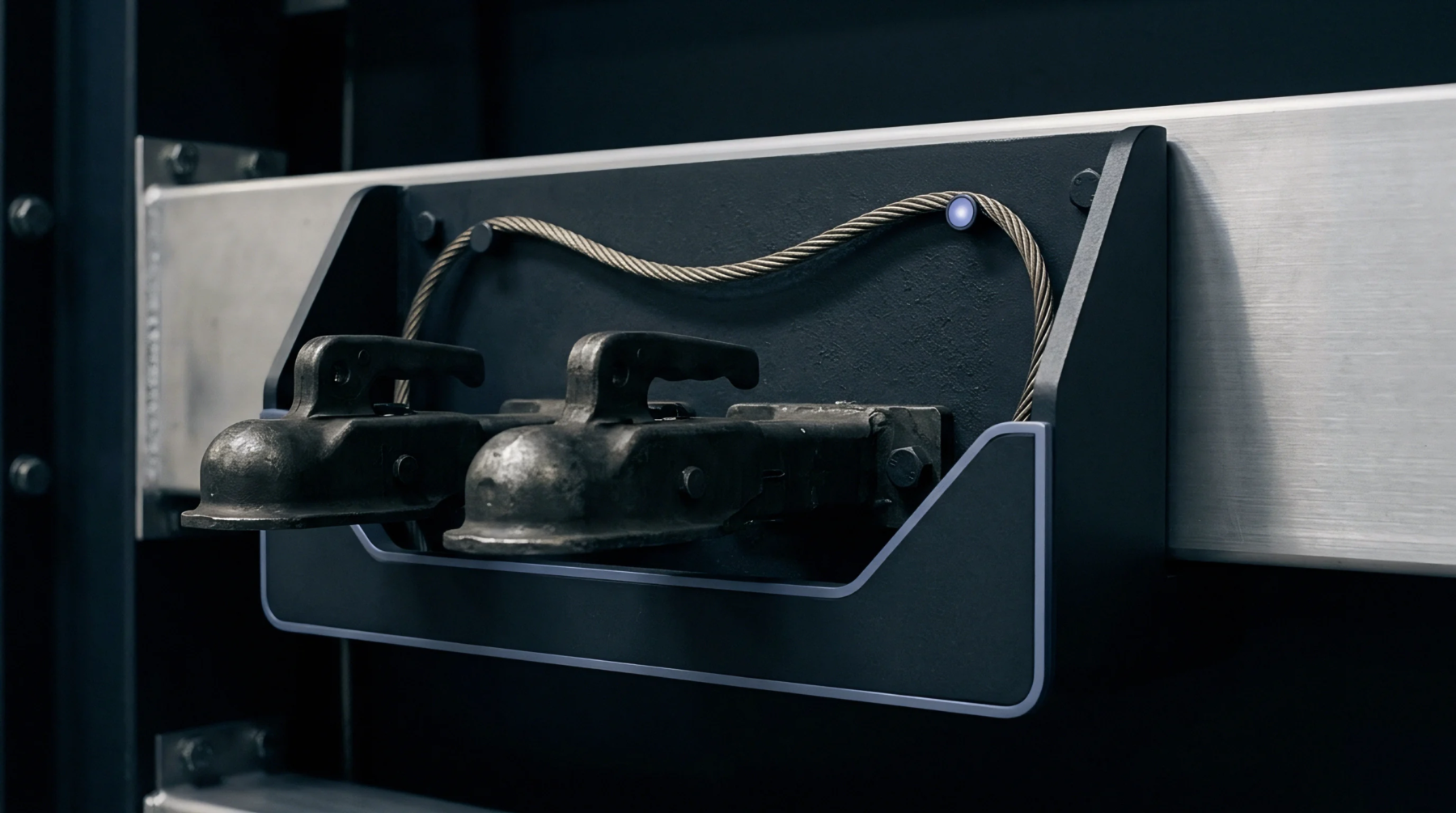
Air gap corrections eliminate systematic two to six percent dielectric underestimation in clamped stripline tests, preventing finished board impedance failures.
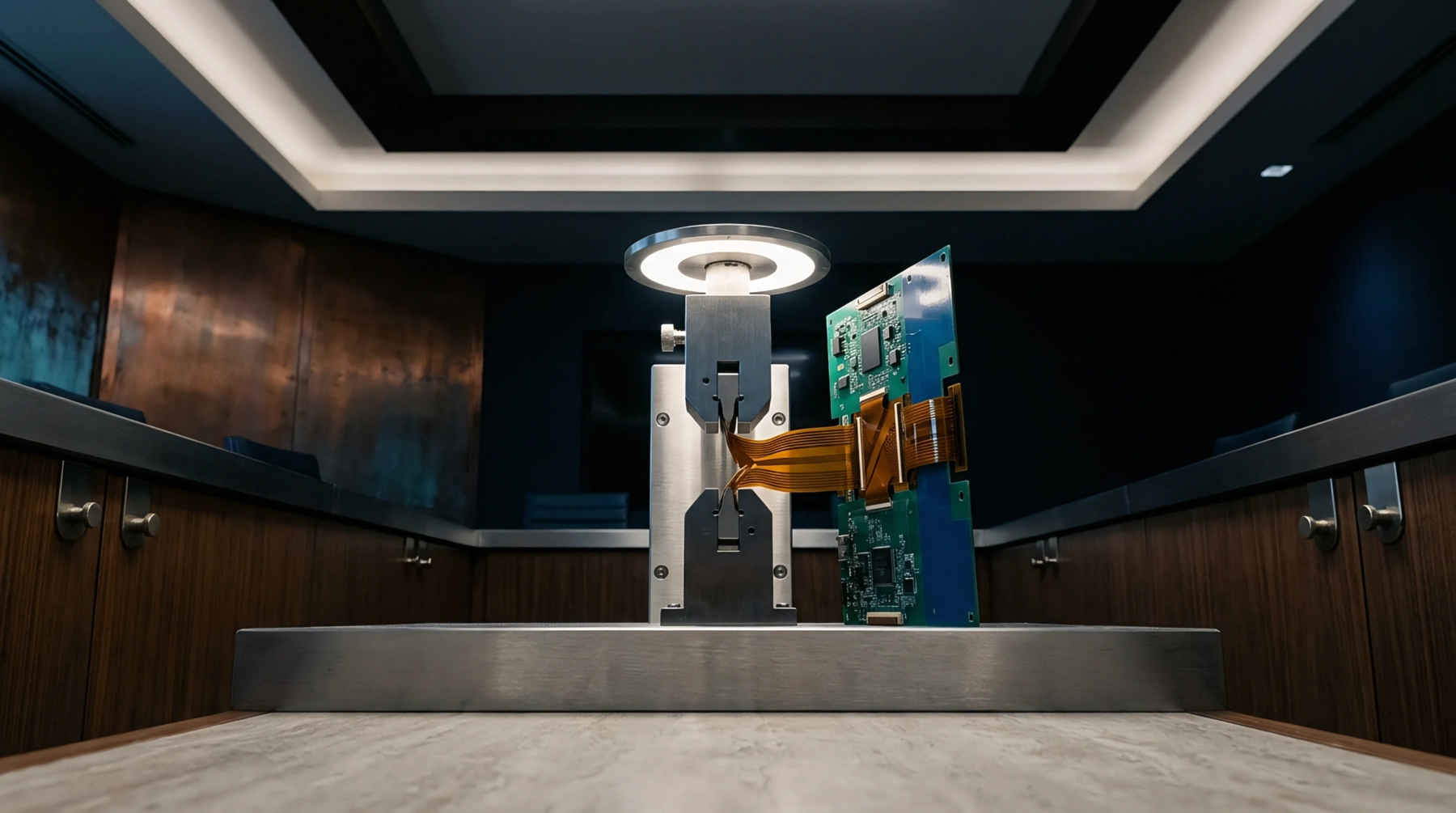
Frequency-domain tensor extraction decouples directional permittivity and loss tangent variations on glass core build-up panels, fixing impedance tolerances across sub-THz interconnects.
Sub-stack resin squeeze-out during sequential lamination elevates z-axis Dk and reduces dielectric thickness, shifting differential impedance off target.
Characterizing spatial dielectric anisotropy under extreme thermal excursions prevents sub-THz phase distortion and catastrophic high-density packaging yield loss.
Expertise is a utility, not a secret. sentiention™ publishes its working knowledge as open reference: intelligence layer covering the materials it sources, the markets it enters, and the reference that serves both.