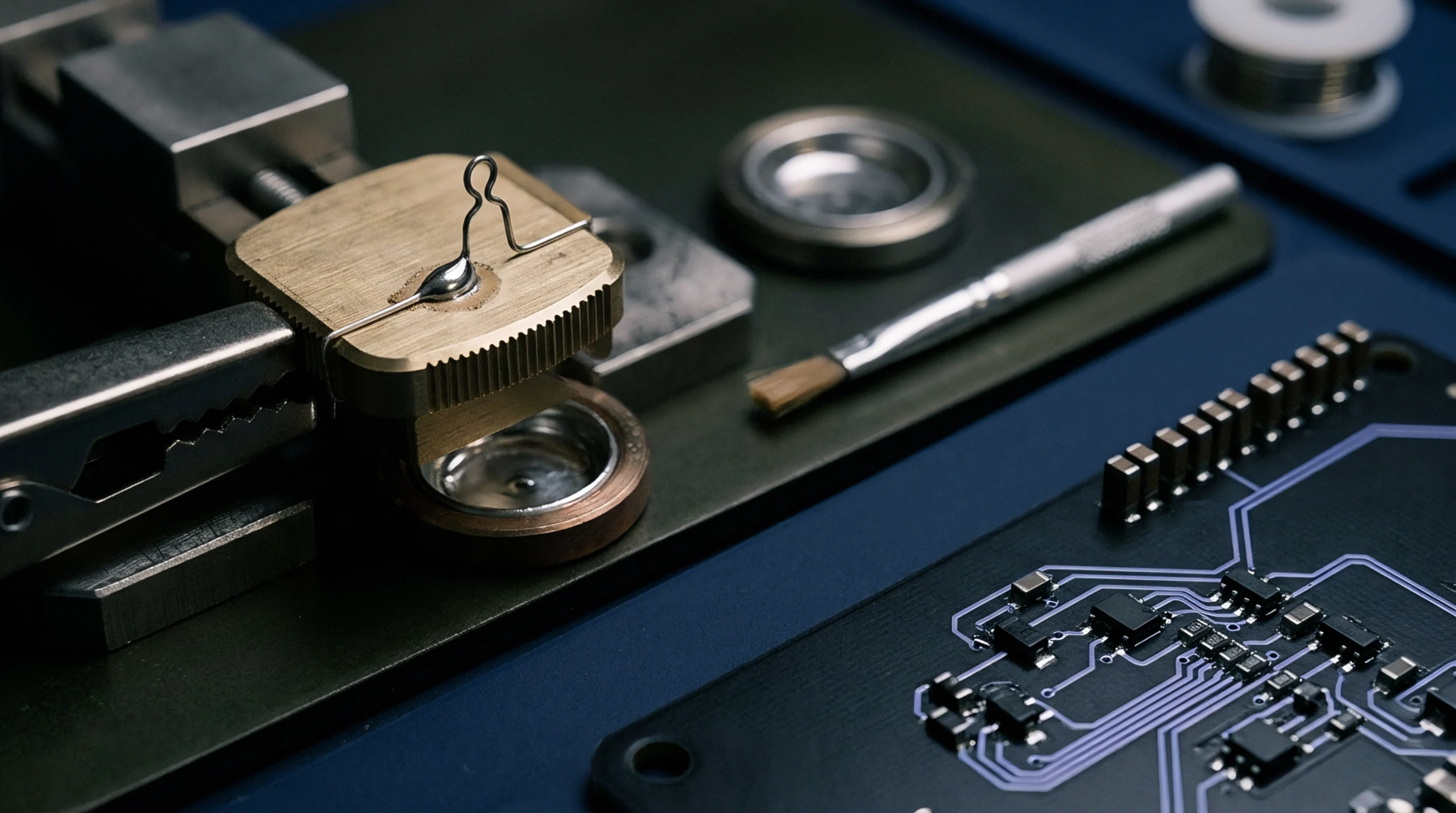
Modelling Non Uniform out of Plane Dielectric Constant Frequency Dispersion in PAM4 Substrates
Integrating z-axis dielectric dispersion with resin distribution data prevents impedance mismatches and vertical eye closure in 112G PAM4 channels.
Integrating z-axis dielectric dispersion with resin distribution data prevents impedance mismatches and vertical eye closure in 112G PAM4 channels.
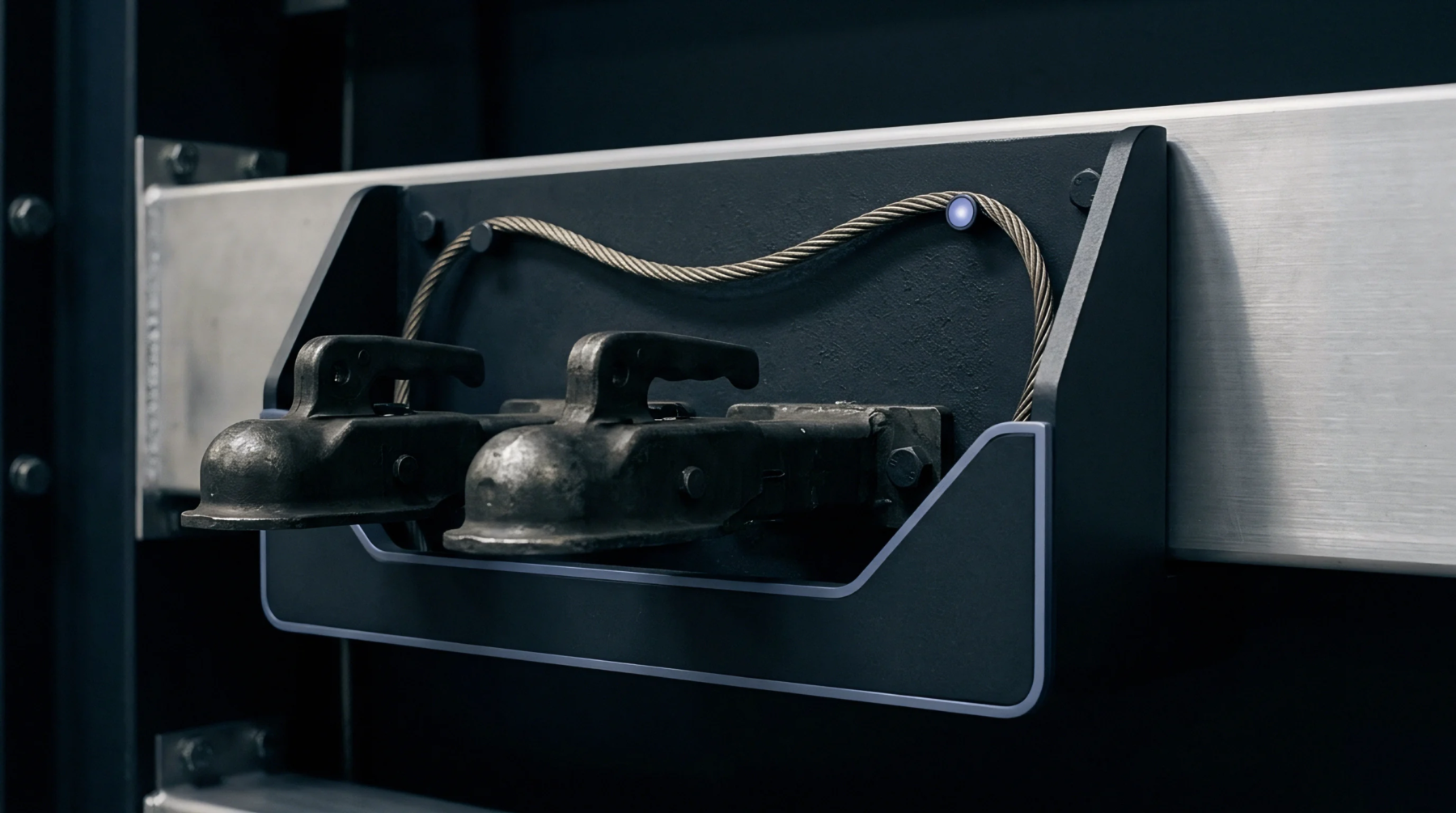
Non-linear silane interphase hydrolysis inside substrate micro-cracks degrades high-frequency signal integrity by driving localized dielectric permittivity shifts.
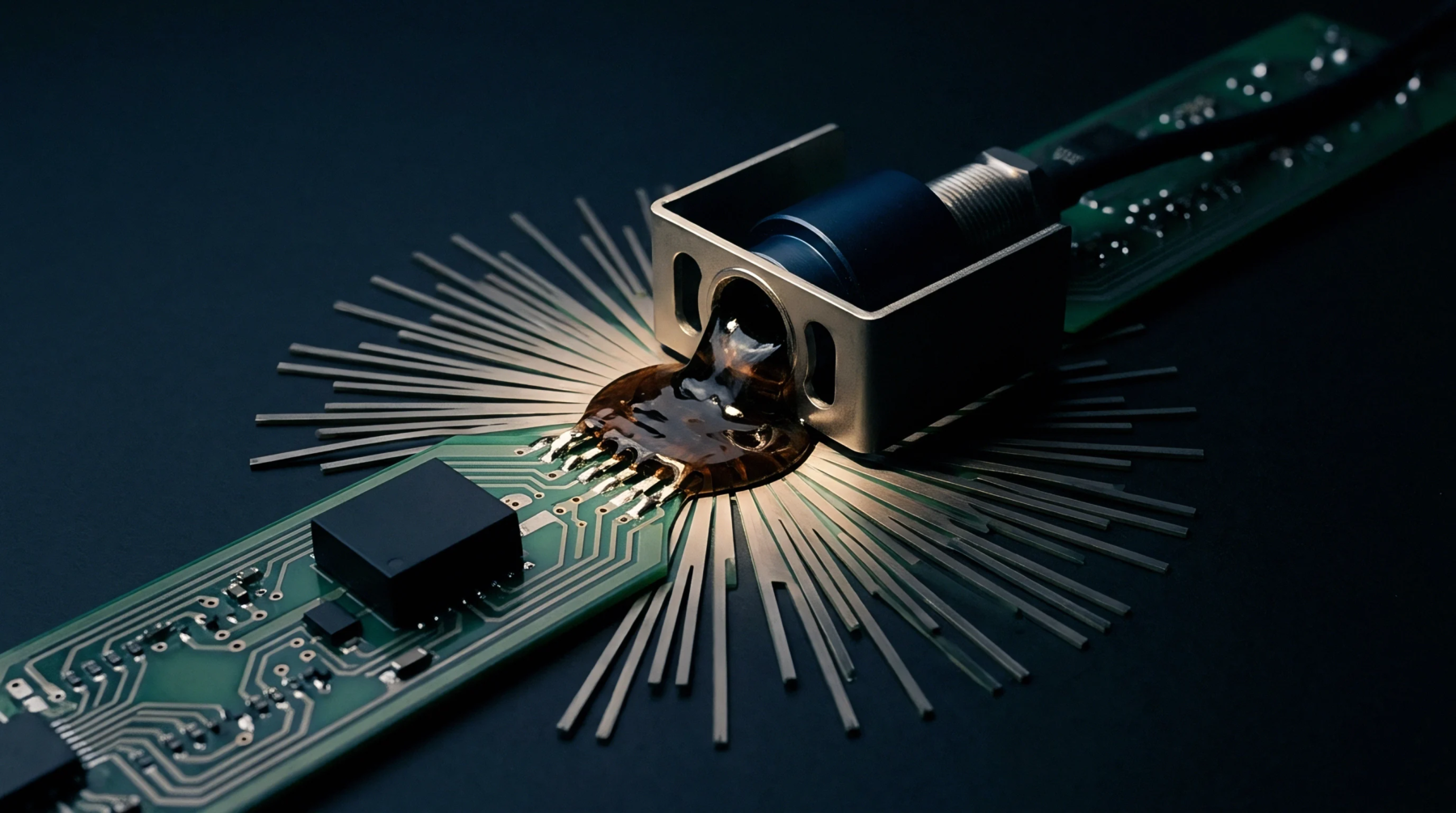
Lamination thermal gradients alter local resin conversion and density, shifting high-frequency spatial dielectric permittivity and inducing channel skew.
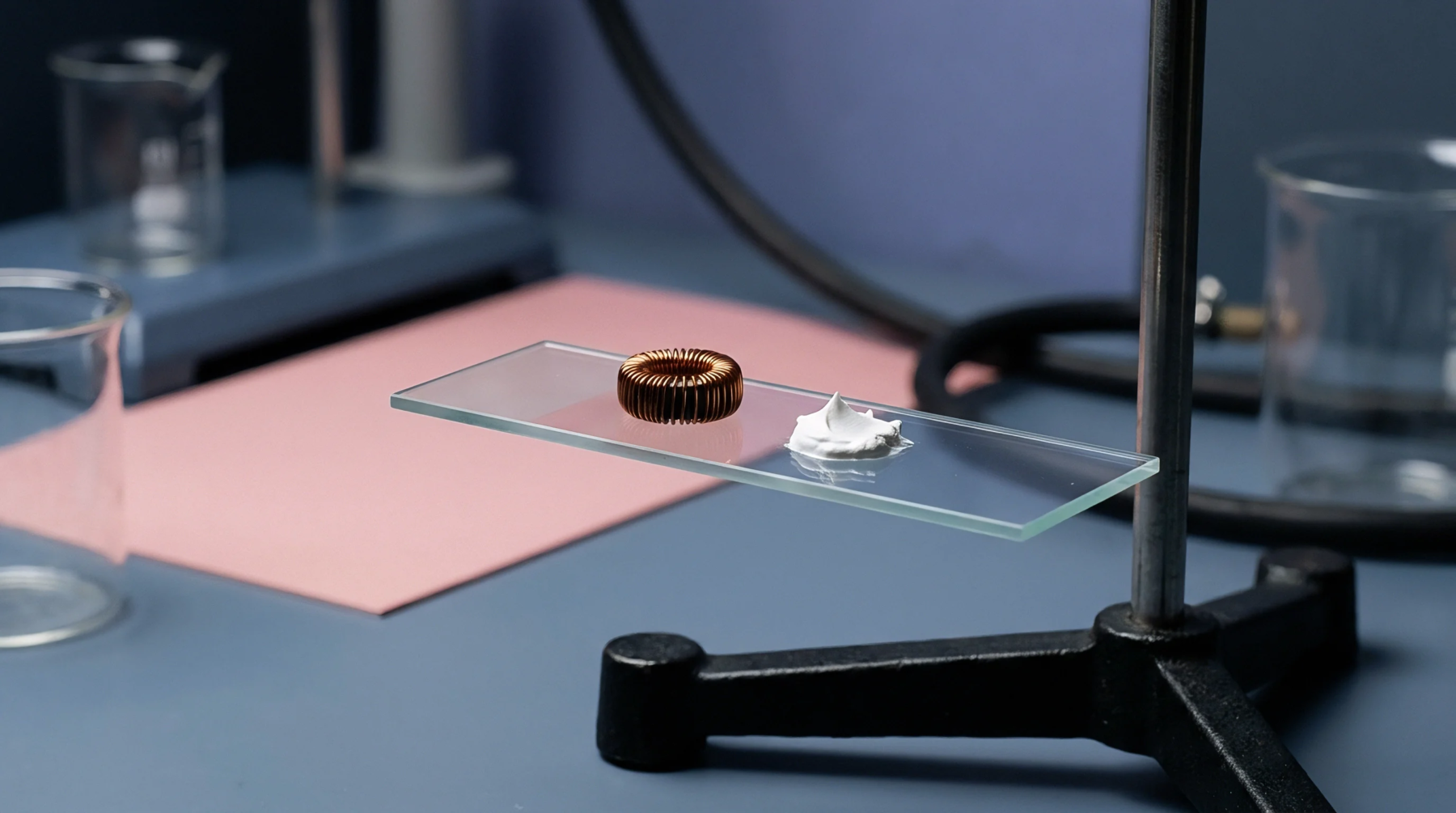
Decoupling tensor permittivity from interfacial scattering requires multiline TRL calibration and broadband power spectral density modeling up to 110 GHz.
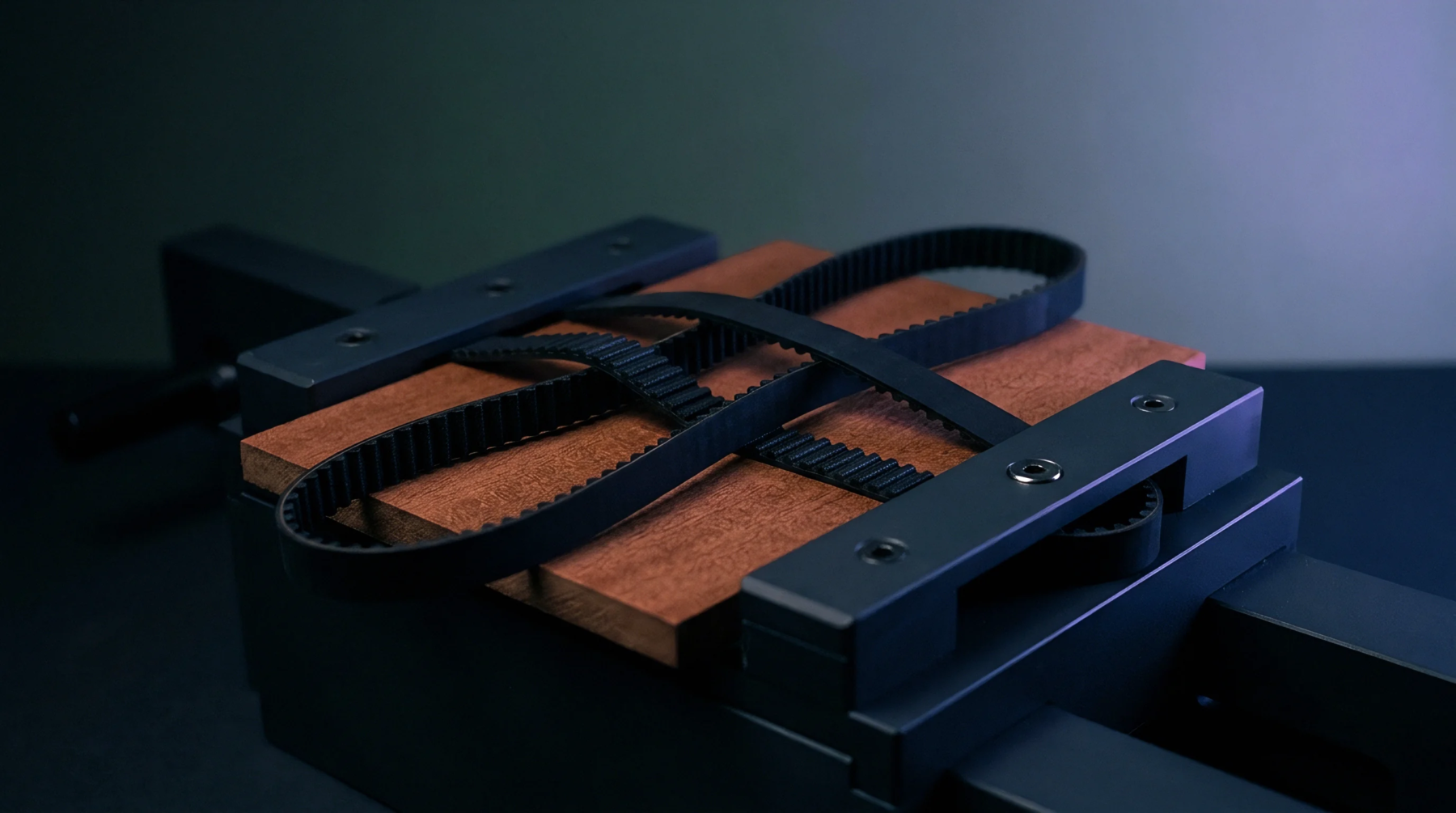
Quasi-optical extraction isolates intrinsic substrate loss from copper roughness, requiring explicit z-axis anisotropy conversion for accurate mmWave stackup design.
Sequential lamination densifies HDI glass fabric, increasing out-of-plane dielectric constant and driving trace impedance below calculated line targets.
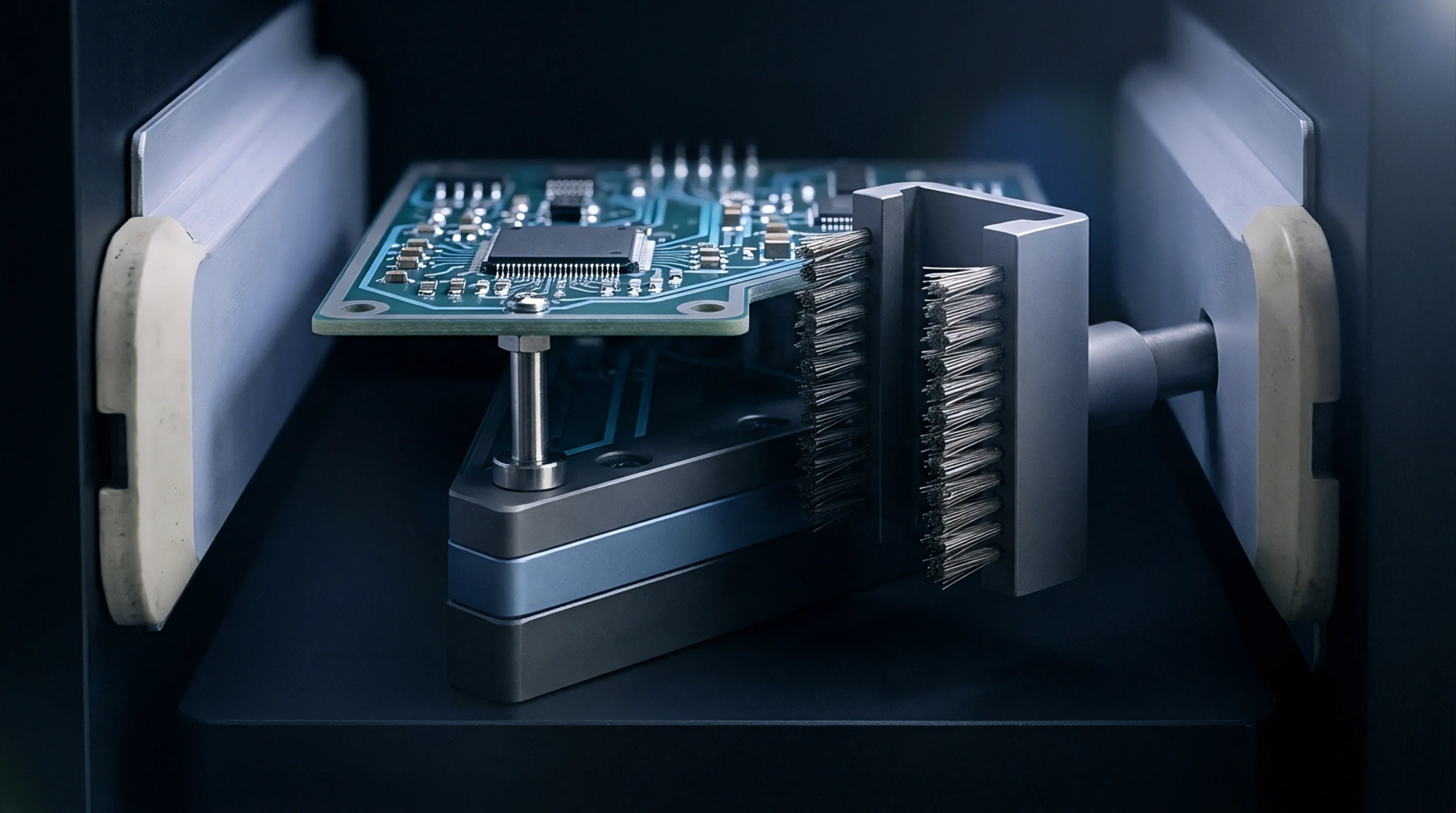
Split post cavity resonance measures in-plane substrate permittivity; z-axis core corrections prevent multi-ohm stripline impedance errors on woven glass panels.
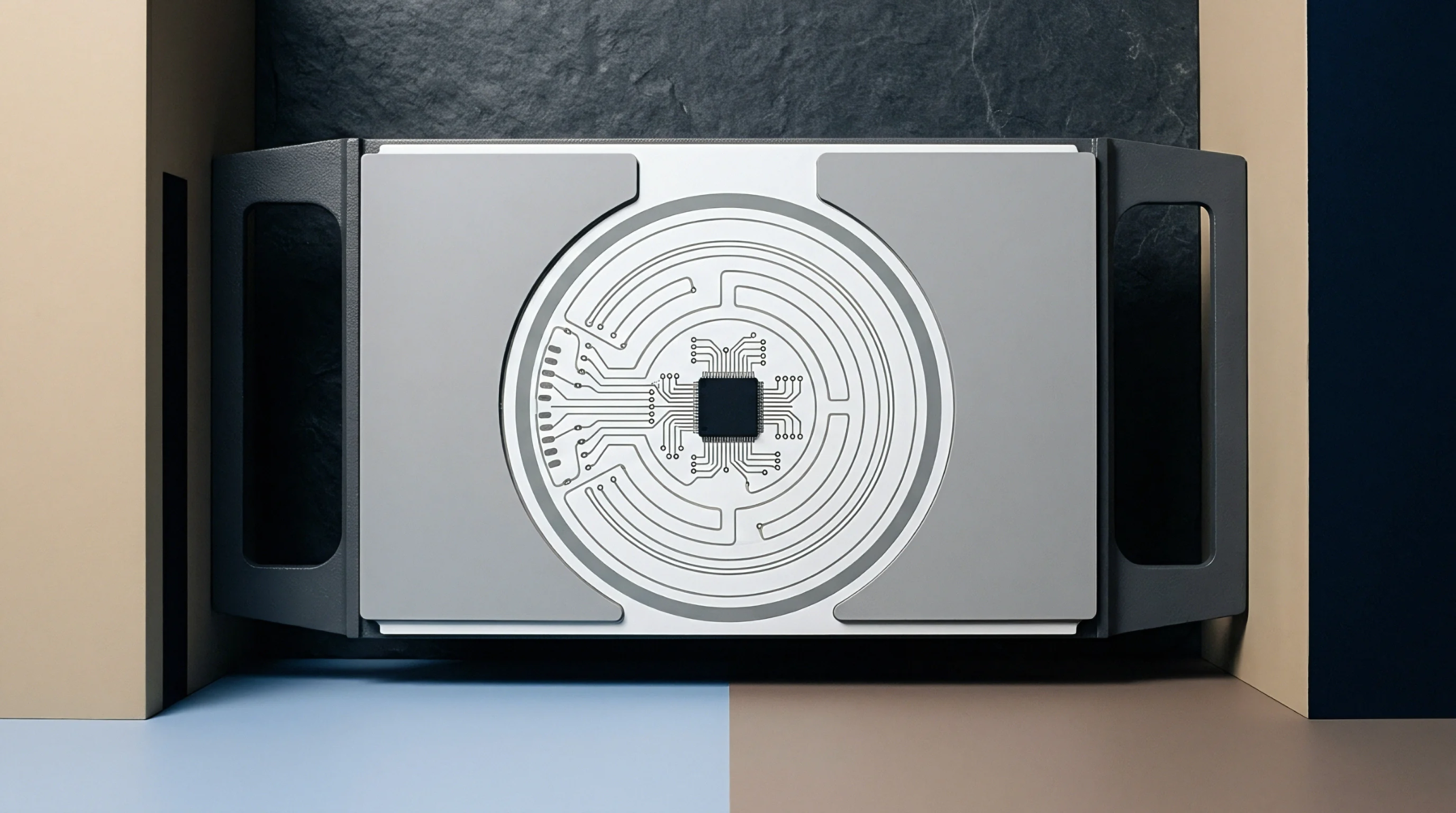
Sequential lamination induces non-linear dielectric relaxation at glass-resin interfaces, shifting Dk up to 0.14 and altering impedance by over 4 ohms.

Sub-THz tensor discrepancies stem from copper profile reactance and anisotropy differences between localized coupon fields and unclad quasi-optical bulk beams.
Anisotropic permittivity variations in glass filament bundles under thermal cycling and moisture exposure are driven by silane interphase degradation, requiring spread-glass weaves and dynamic tensor modeling to prevent high-speed differential skew.
Managing anisotropic permittivity in sequential substrates requires spread glass prepregs, optimized press kinetics, and directional fixture qualification.
Sub-stack resin squeeze-out during sequential lamination elevates z-axis Dk and reduces dielectric thickness, shifting differential impedance off target.
Expertise is a utility, not a secret. sentiention™ publishes its working knowledge as open reference: intelligence layer covering the materials it sources, the markets it enters, and the reference that serves both.