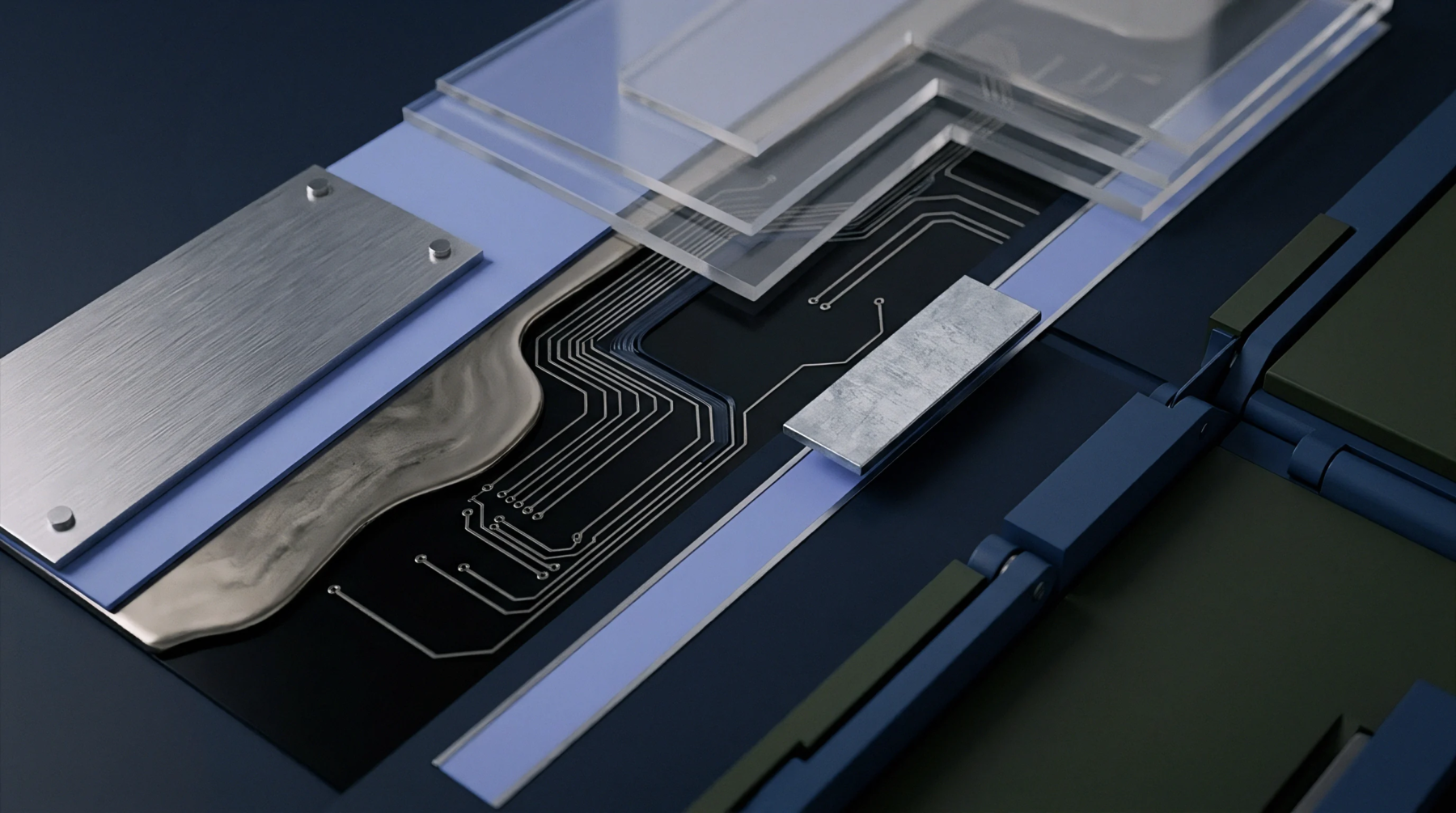
Thermal Coefficient of Permittivity Drift in Spread Glass Substrates
Spread glass eliminates micro-scale dielectric gradients across temperature, cutting phase velocity drift to under thirty parts per million per degree Celsius.
Spread glass eliminates micro-scale dielectric gradients across temperature, cutting phase velocity drift to under thirty parts per million per degree Celsius.

Mechanically spread glass fabrics eliminate open resin windows, stabilizing spatial dielectric permittivity to control high-frequency trace impedance and phase skew.
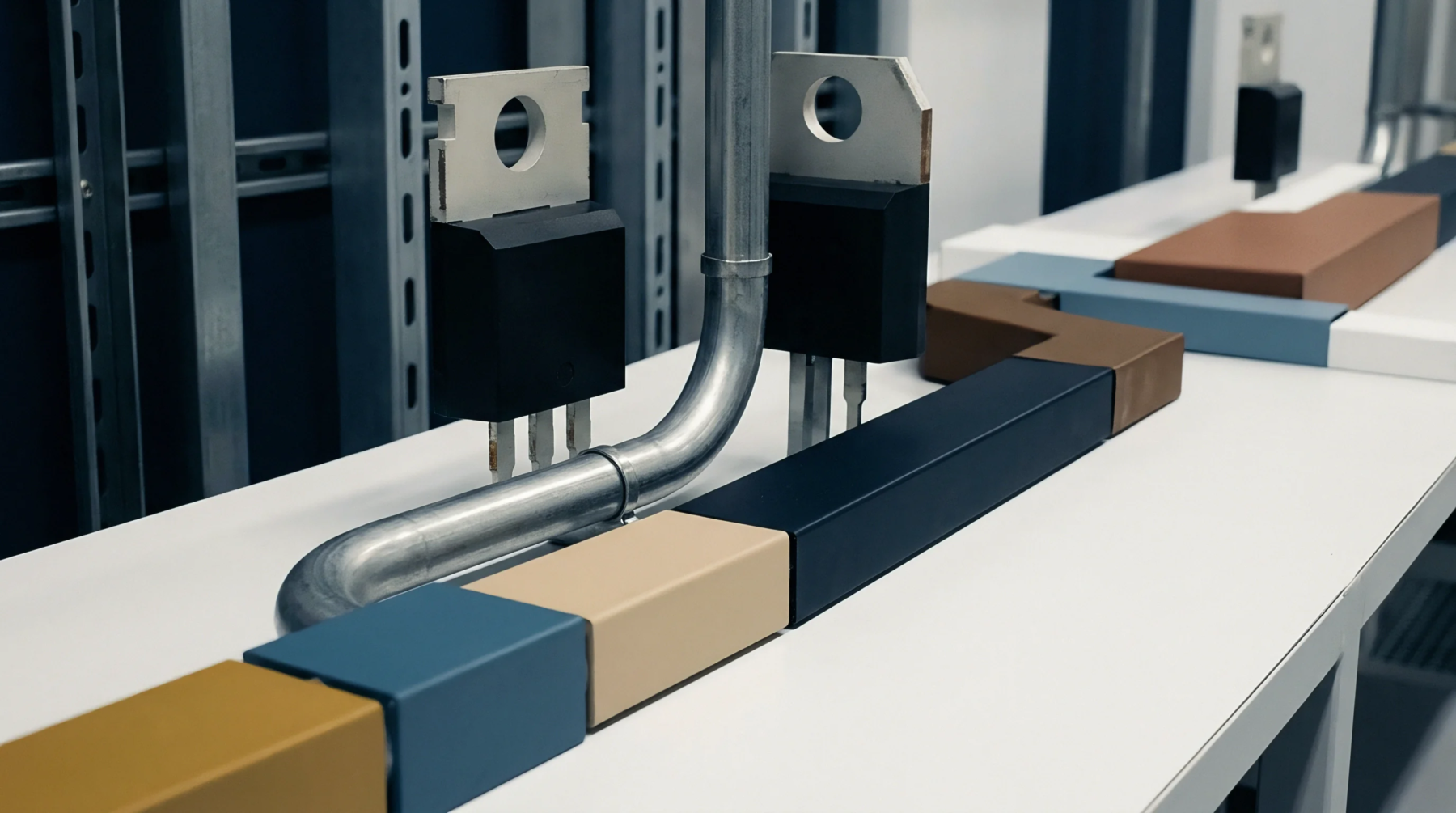
IPC-6012 Class 3 procurement requires mandatory microsection verification per panel, enforcing 25 um average barrel copper and zero hole plating voids.
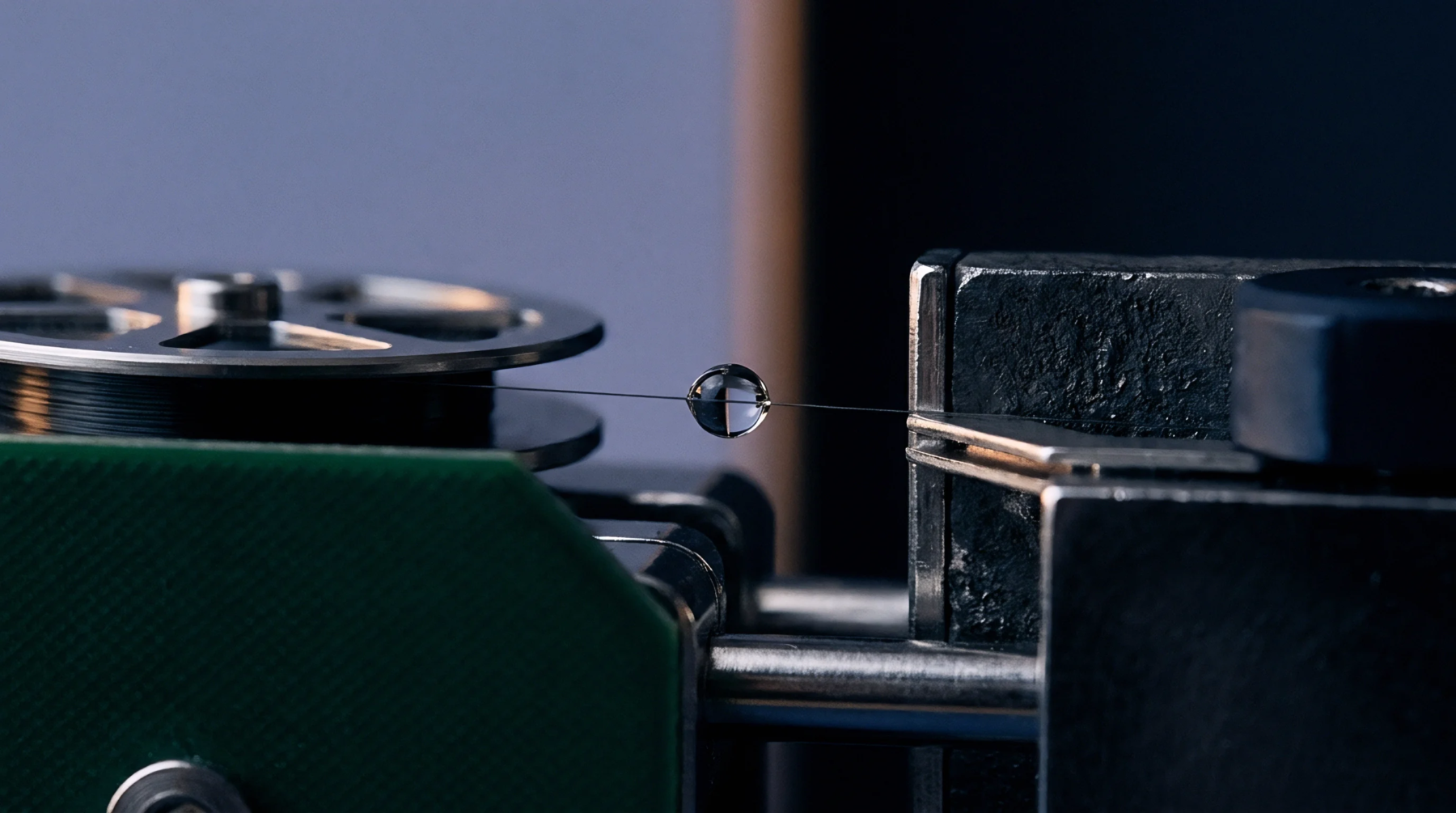
Synchronizing temperature ramp rates with hydraulic pressure setpoints maintains minimum resin viscosity windows and prevents sequential lamination voiding.
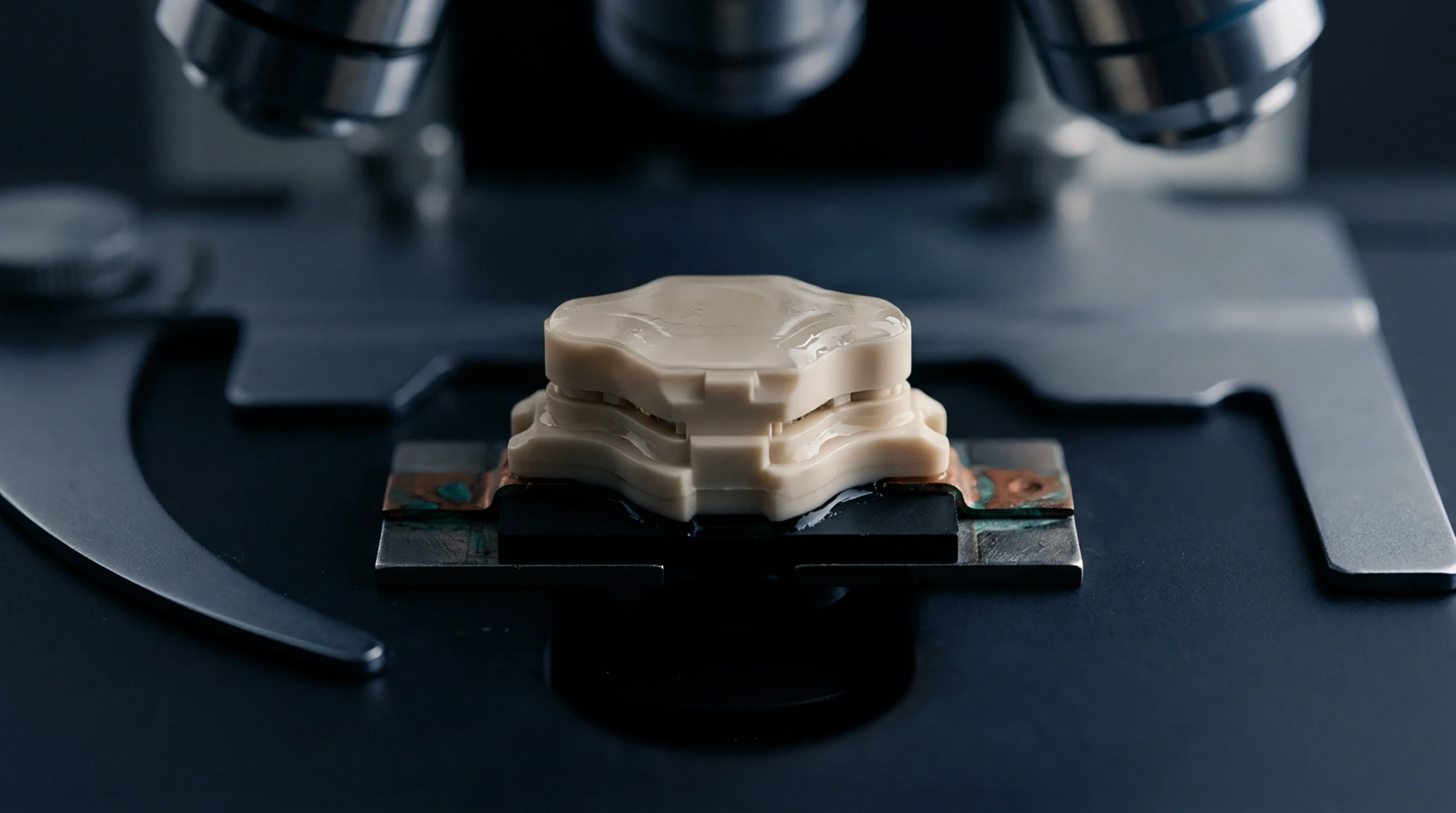
Glass bundle heterogeneity induces differential phase skew that requires spread cloth styles, trace angling, or low-Dk glass to maintain channel eye closure.
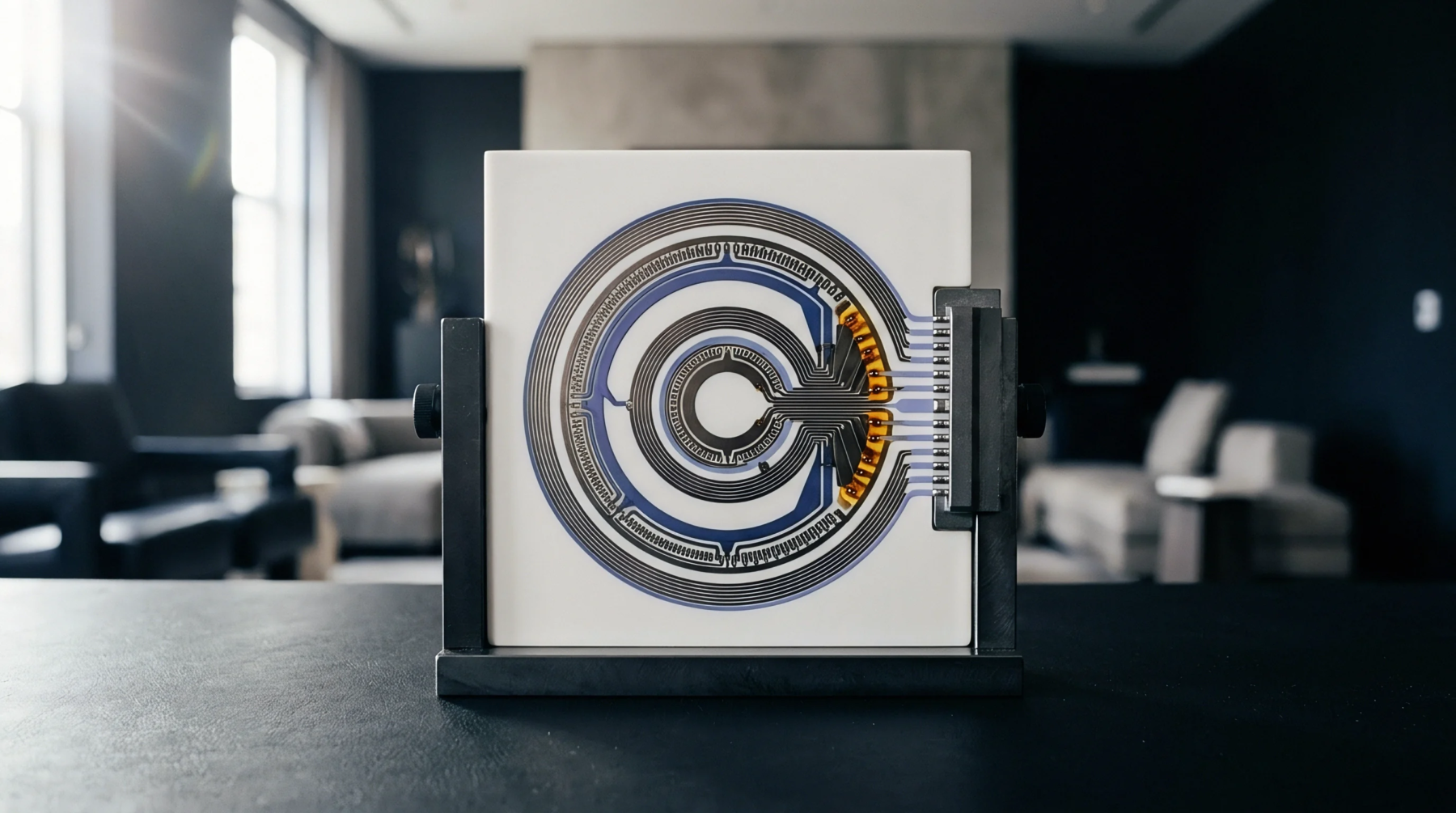
Fine line HDI etching yield hinges on managing lateral undercut through thin copper foils, uniform fluid spray dynamics, and semi-additive process transitions.
Spread glass fabric mitigates differential skew without losing panel nesting efficiency, offering lower landed cost than artwork rotation on high-speed boards.

Silica loading raises minimum melt viscosity and induces shear-thinning, requiring higher press pressures and controlled heating rates to prevent trace microvoids.
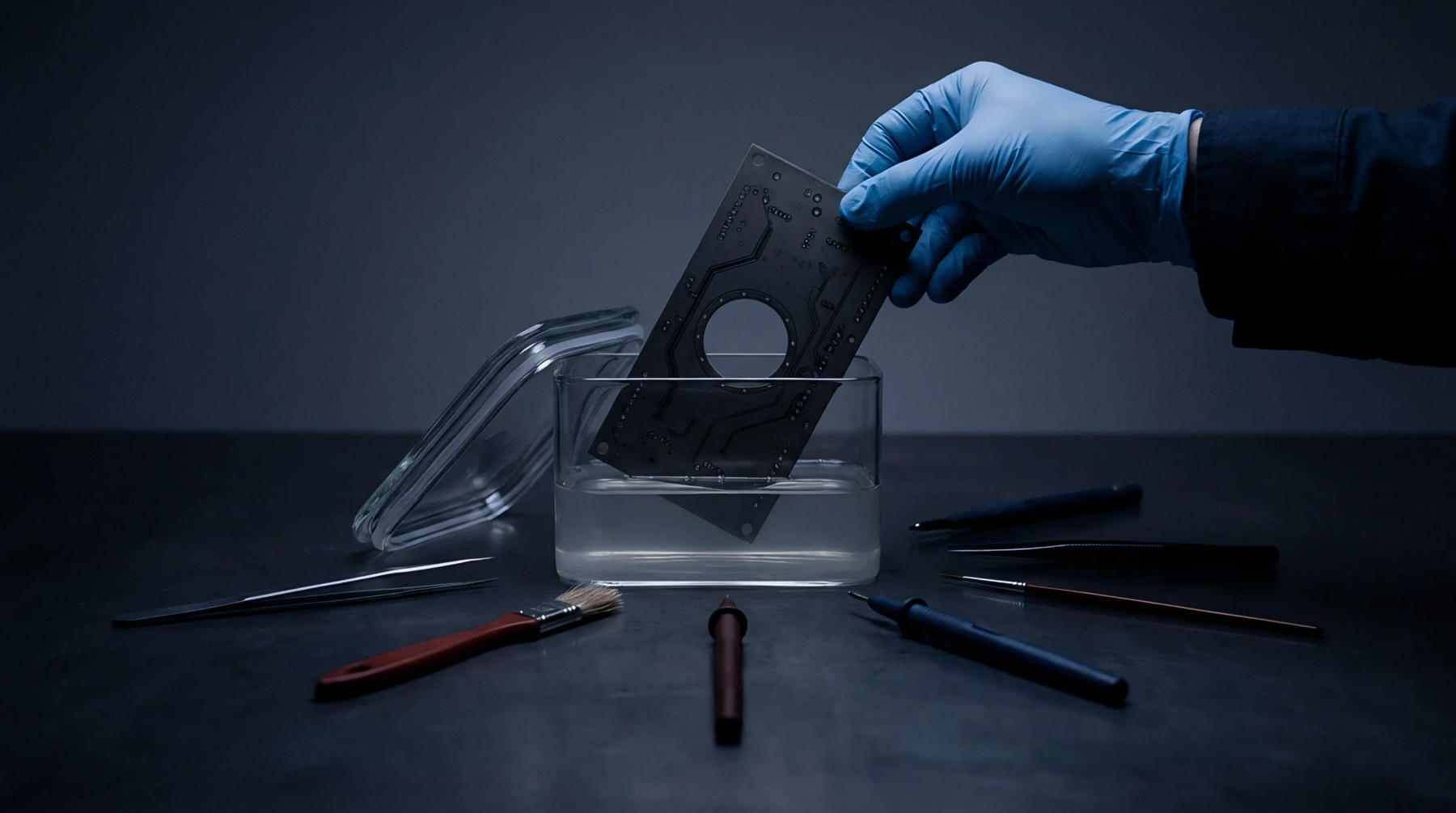
Characterizing printed losses requires isolating roughness skin depth from dielectric dipoles via de-embedded differential coupon extraction up to 50 GHz.
Differential phase skew sensitivity to glass yarn spacing requires spread-weave fabrics or Low-Dk fibers to suppress localized trace-to-resin permittivity mismatch.

Specifying mechanically spread low-Dk glass styles in dual-ply prepreg constructions eliminates intra-pair skew while preserving standard panel utilization.
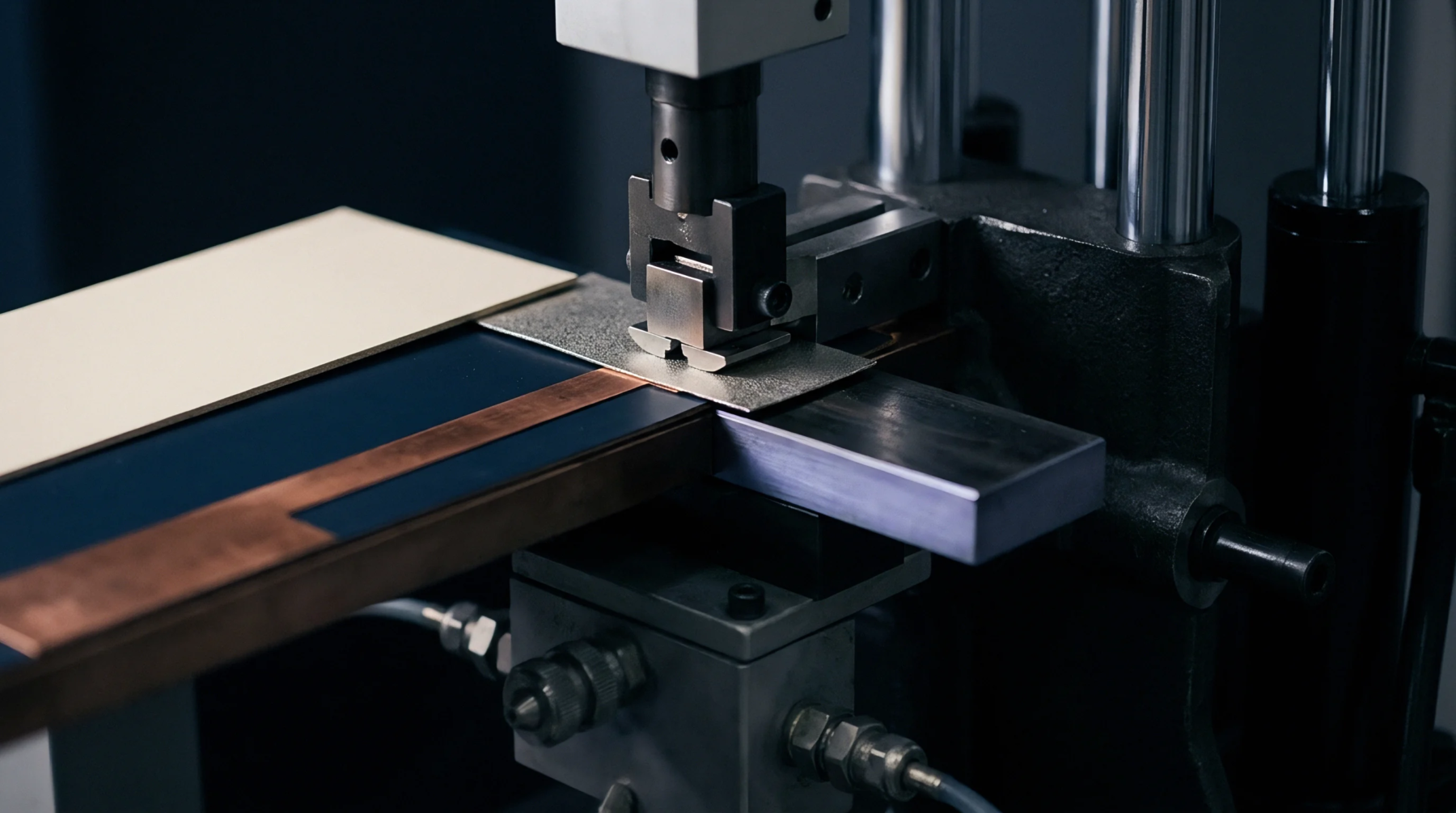
IPC-4101 slash sheets classify base laminate properties to bind fabricators to verifiable resin, thermal, and electrical limits on production drawings.
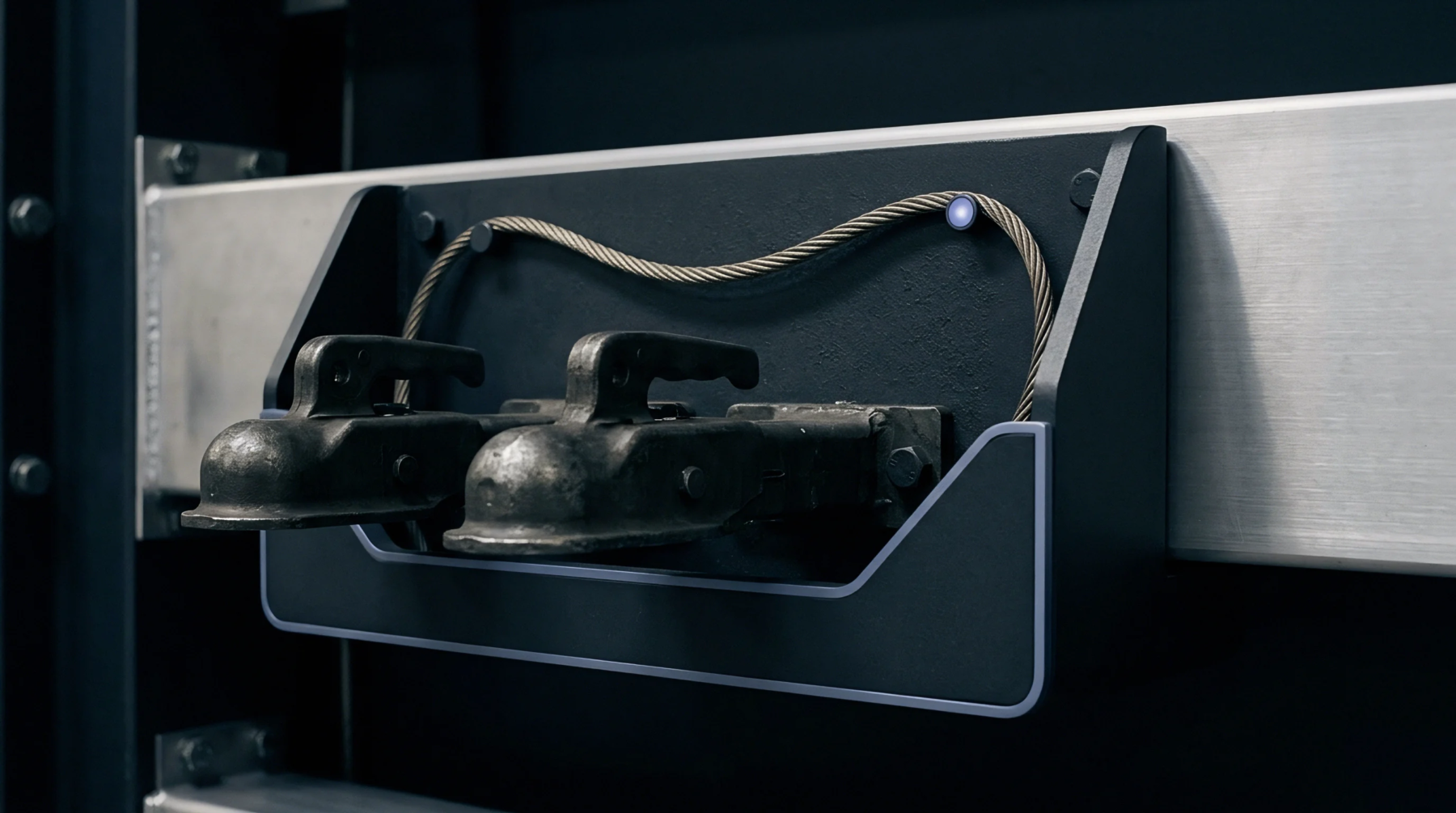
Asymmetric glass positioning offsets thermal Dk divergence between resin and yarn bundles, eliminating server channel phase skew without panel-wasting angled traces.
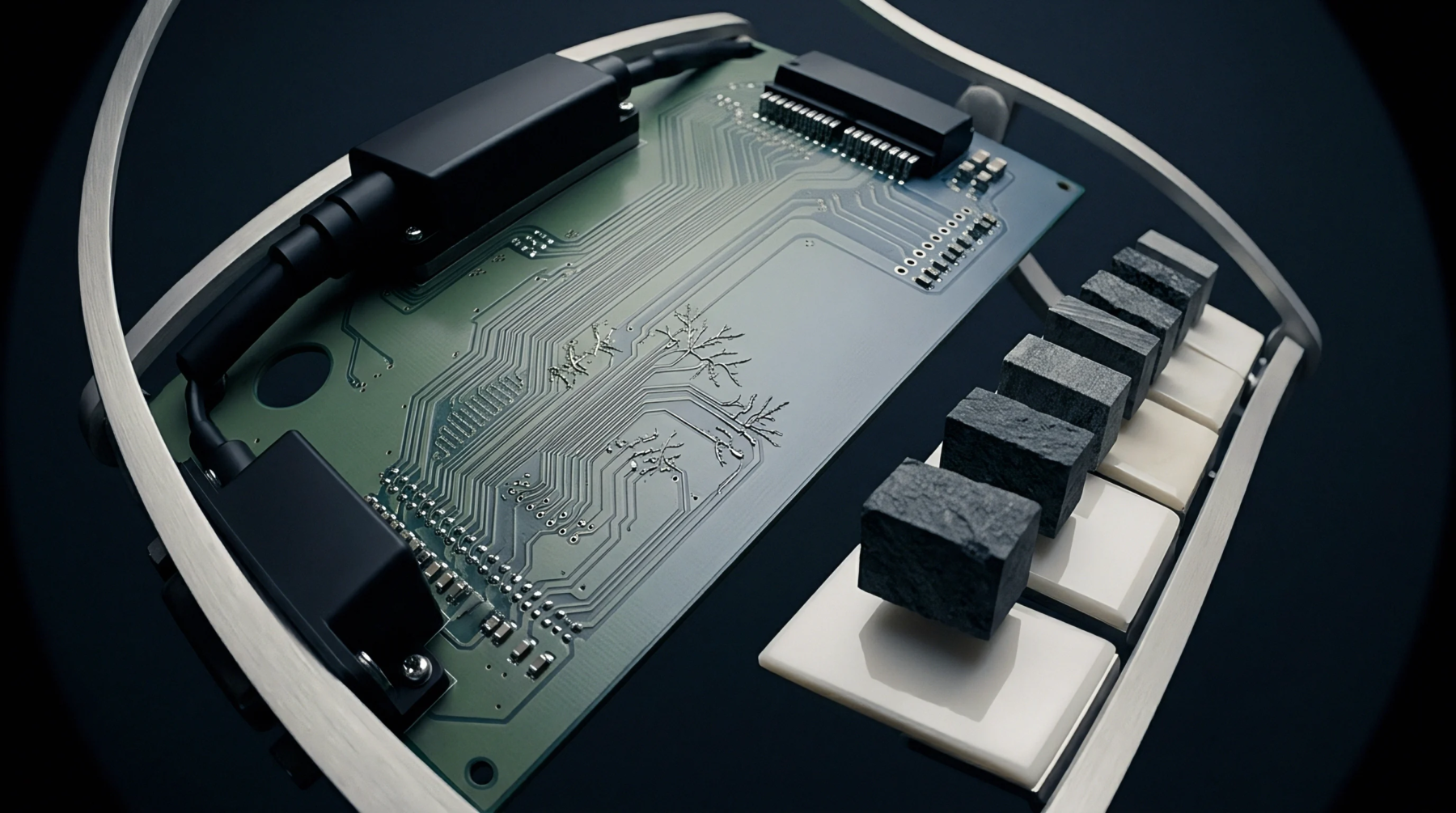
Mitigating 112G PAM4 weave skew requires mechanically spread low-Dk glass or zig-zag trace routing to keep intra-pair delay variation below 0.3 picoseconds.
Substrate TcDK defines high-frequency phase and impedance drift across temperature, requiring ceramic-filled composites to prevent operational signal failures.
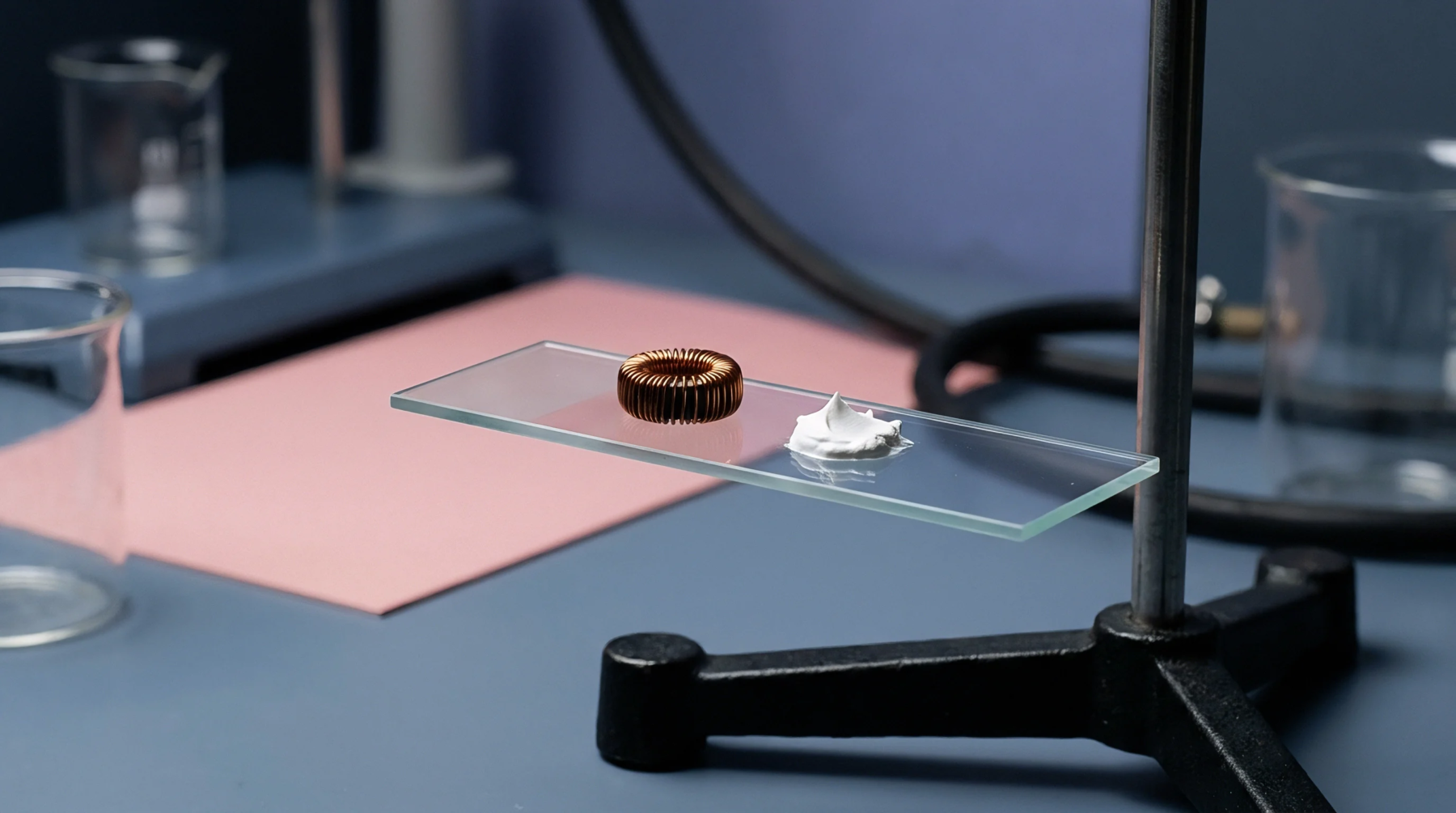
Differentiate foil roughness phase delay from glass weave skew by combining multiline TRL de-embedding with broadband phase-slope extractions on spread-glass coupons.

Spread glass prepreg flattens yarn bundles to eliminate local resin windows, cutting differential skew without the severe panel waste of rotated artwork.

Tensorial permittivity variance shifts high-frequency phase and impedance across temperature unless stackups balance mechanical strain and trace topologies.
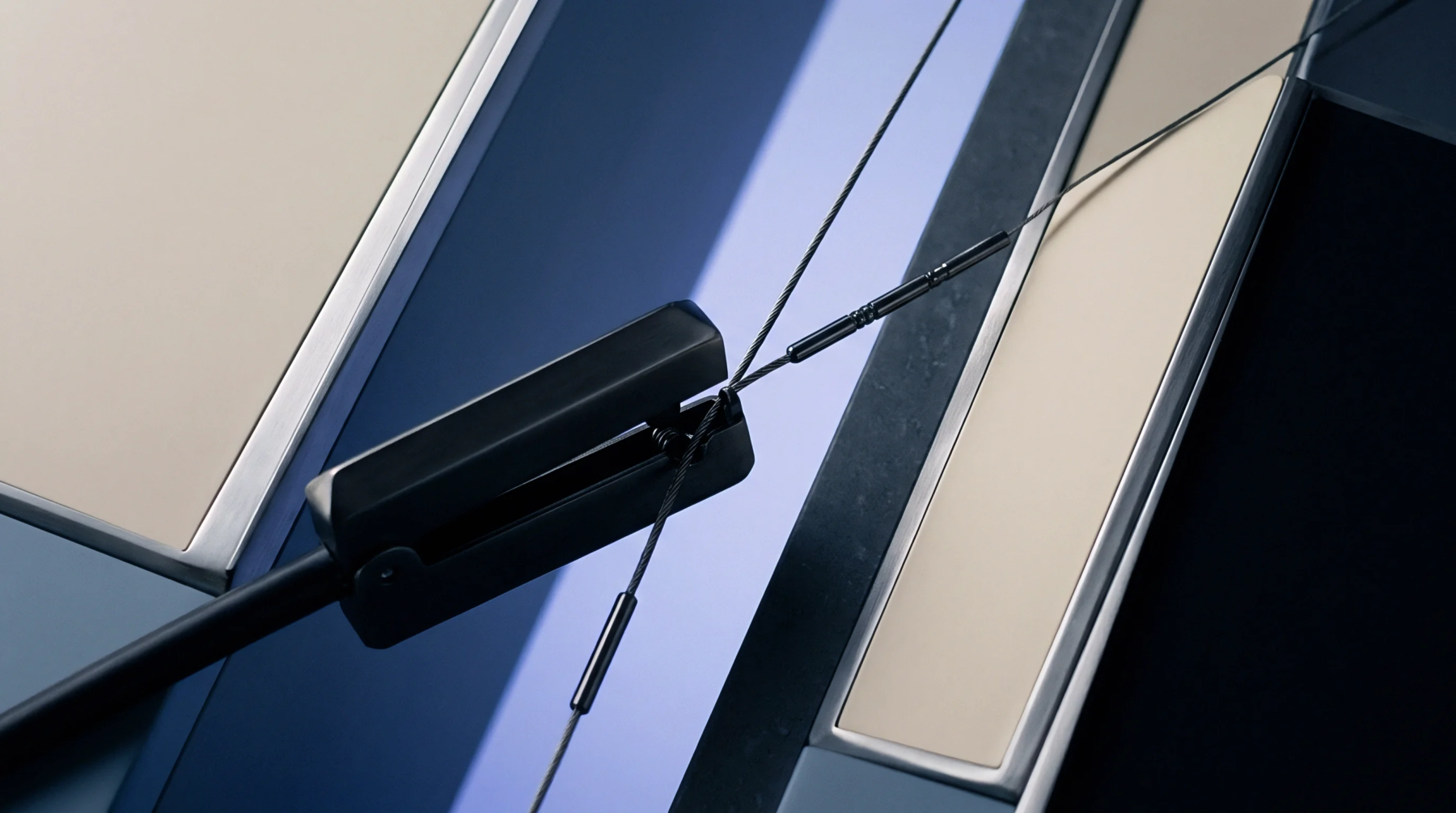
Woven glass substrates exhibit directional permittivity splits up to fifteen percent, requiring orientation-matched extraction to prevent trace impedance errors.
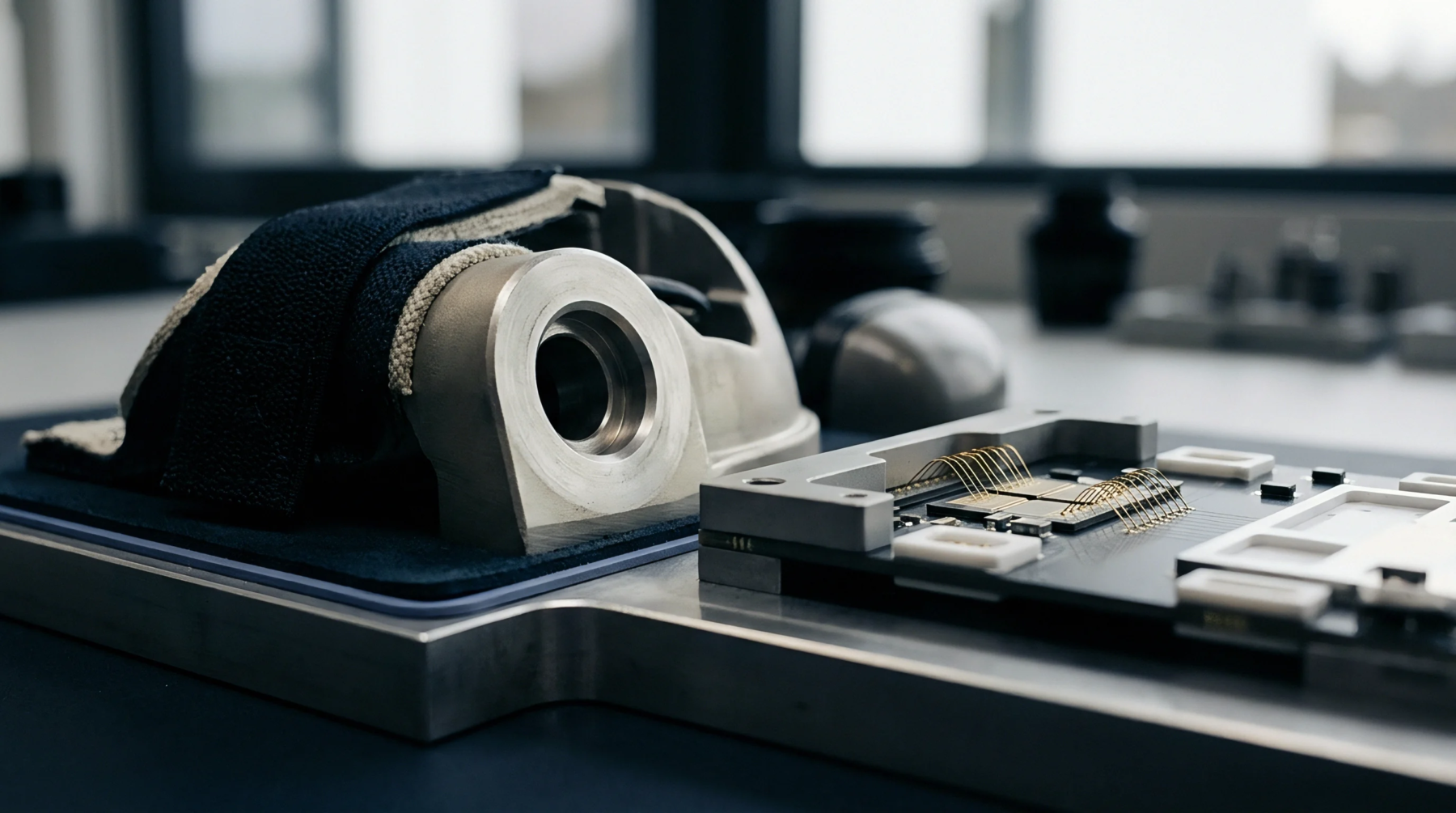
Dynamic topography variations in asymmetric thermoset interfaces cause localized resin squeeze-out failures, creating micro-air voids that degrade impedance.
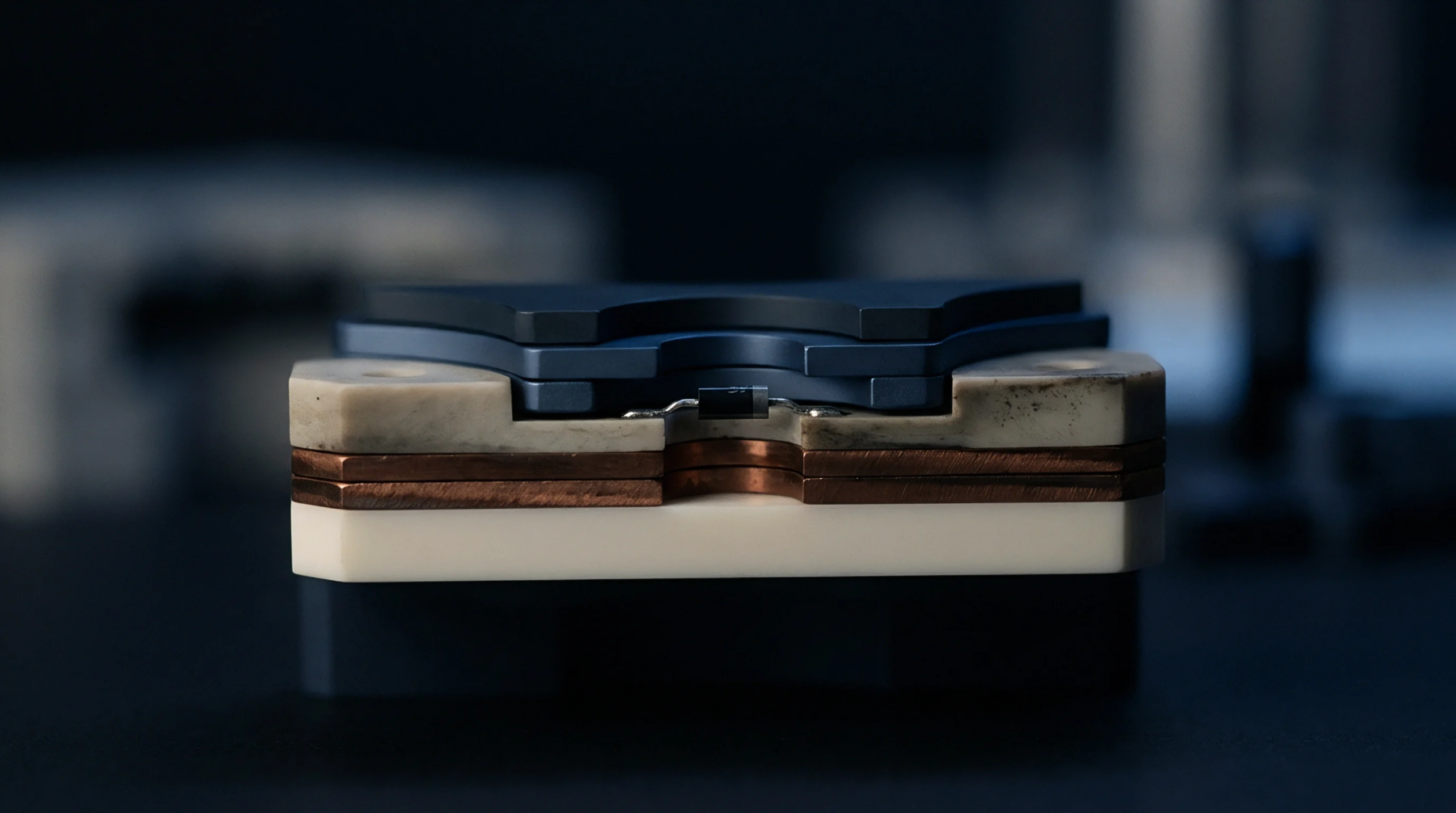
Enforce copper thieving keep-outs at five times the dielectric height to prevent trace over-plating and parasitic capacitance from degrading high-speed impedance.

Derating tactical placement speed protects actual assembly yield by suppressing kinetic vibration, feeder mispicks, and reflow defects before scrap costs accumulate.
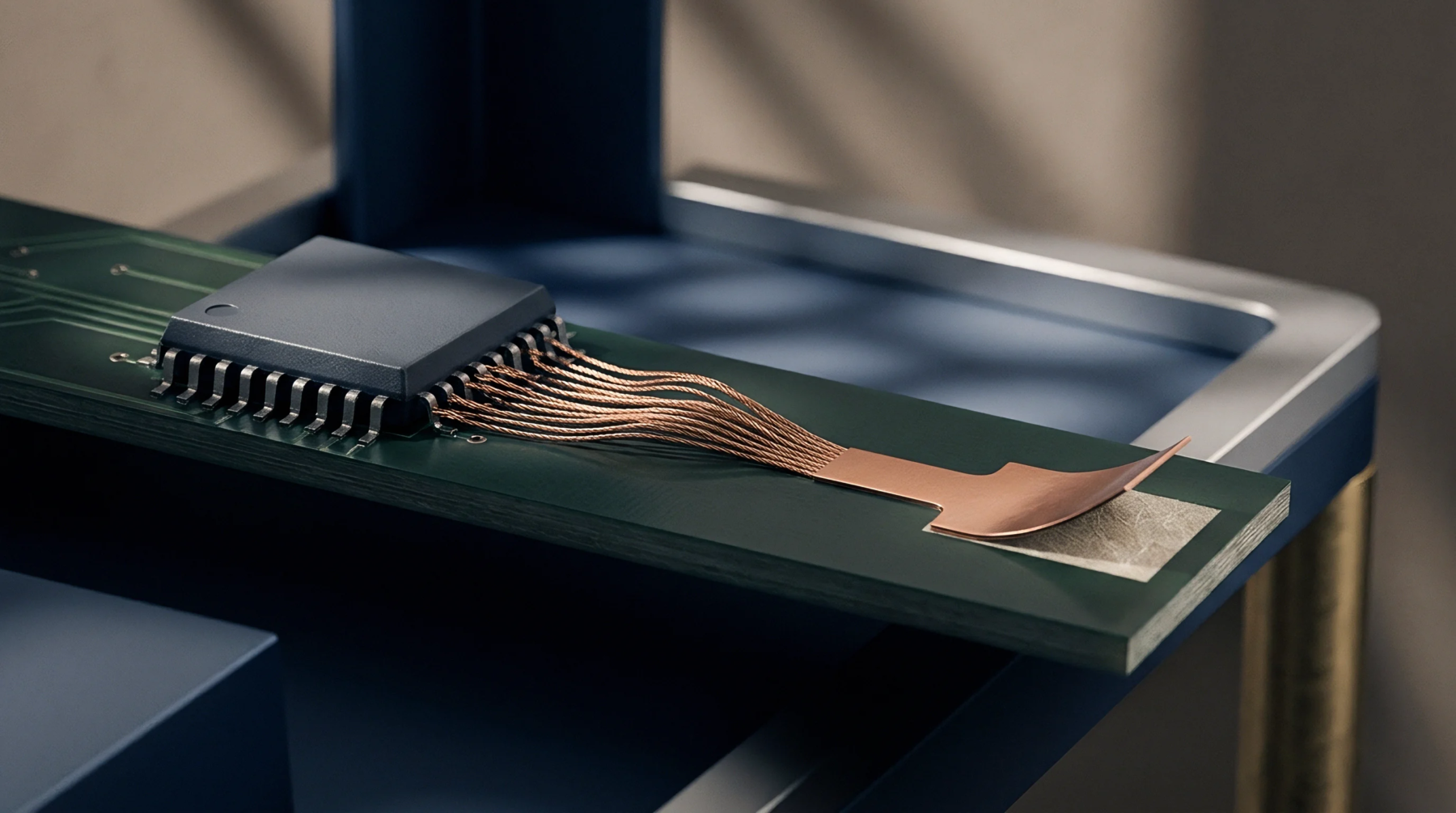
Hybrid multilayer selection pairs low-loss RF laminates with epoxy bases by matching cure windows, controlling z-axis expansion, and optimizing panel yields.
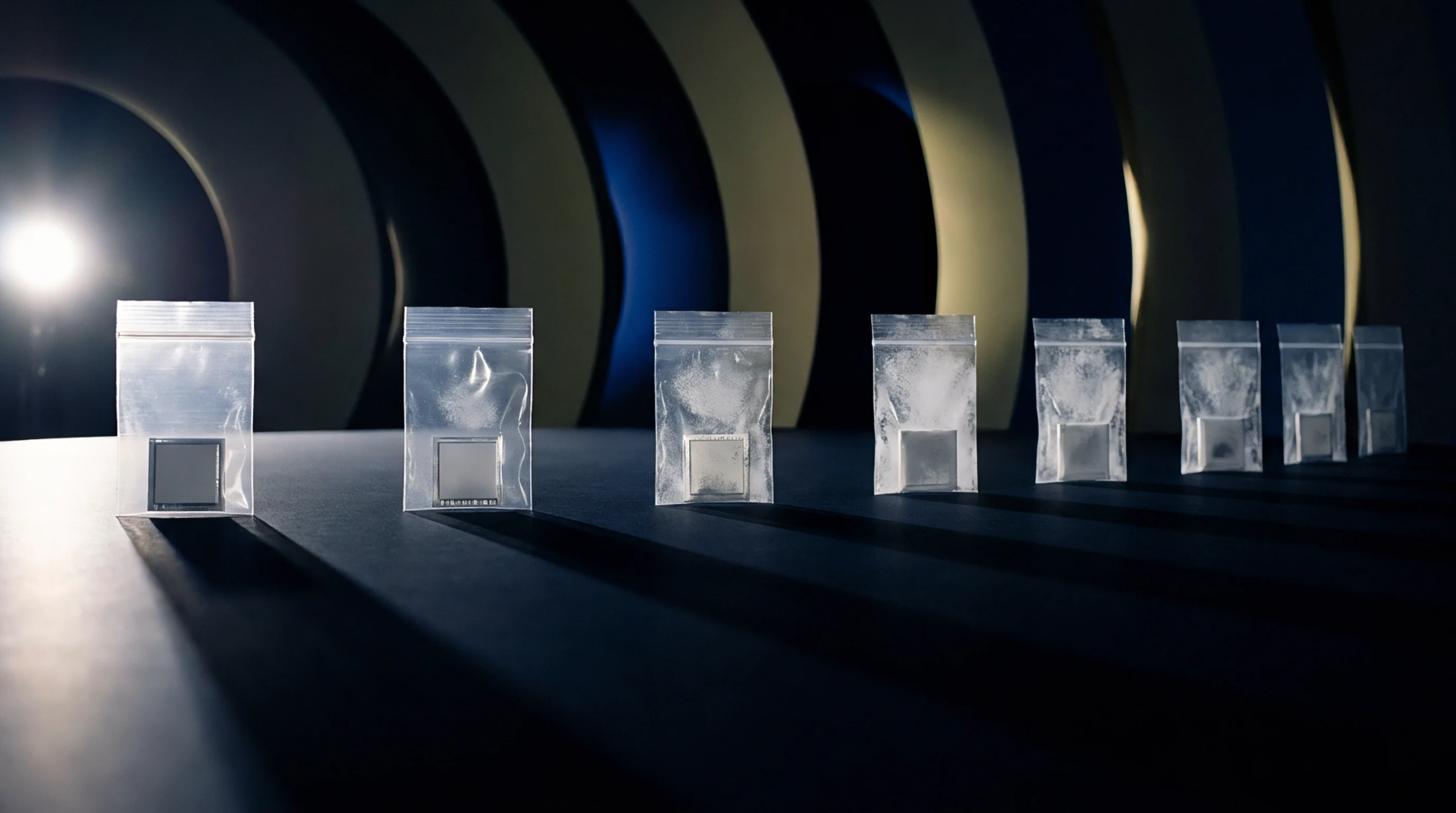
Hydrolytic interfacial degradation increases effective permittivity and causes degree-scale sub-THz phase velocity drift controllable through hydrophobic silane stackups.
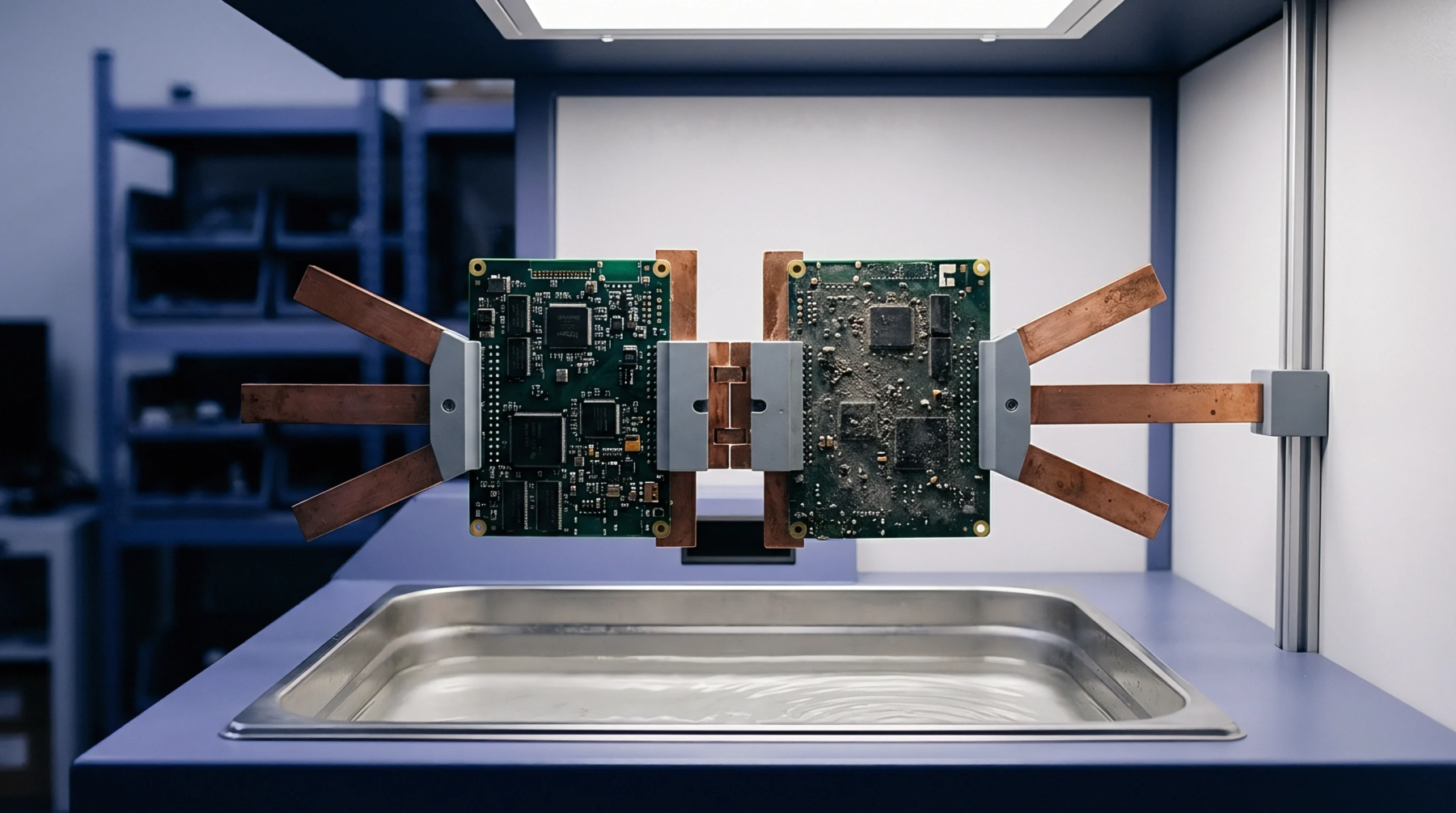
Spread glass styles eliminate dielectric spatial variation, stabilizing differential impedance and phase skew across high-frequency printed circuit routing.
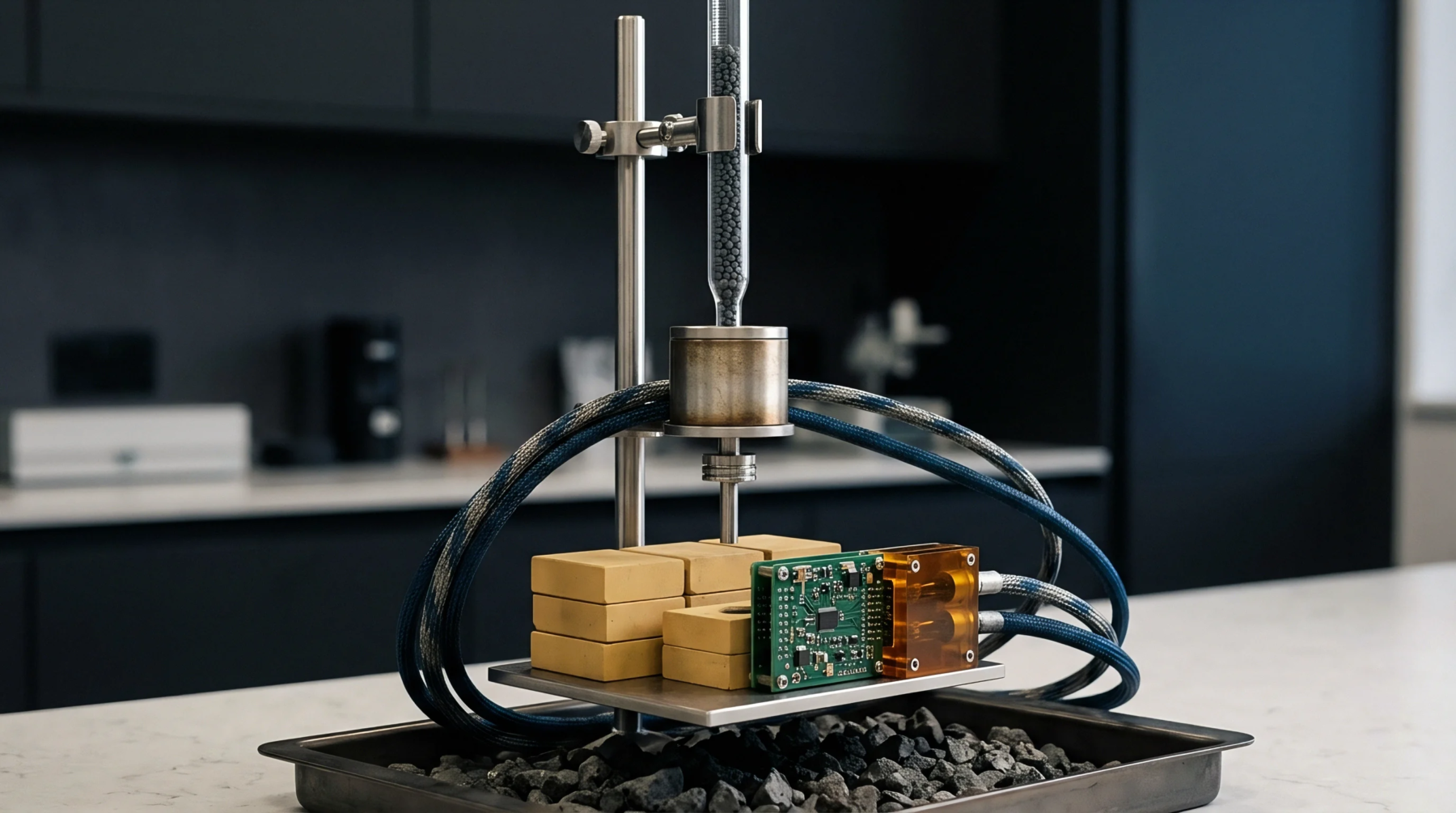
Deriving master panel parametric scrap tolerances requires mapping z-axis dielectric gradients to prevent edge-induced transmission line impedance failures.

Glass reinforcement drives in-plane permittivity up to fifteen percent above out-of-plane values, demanding dual-axis coupon extraction for RF designs.
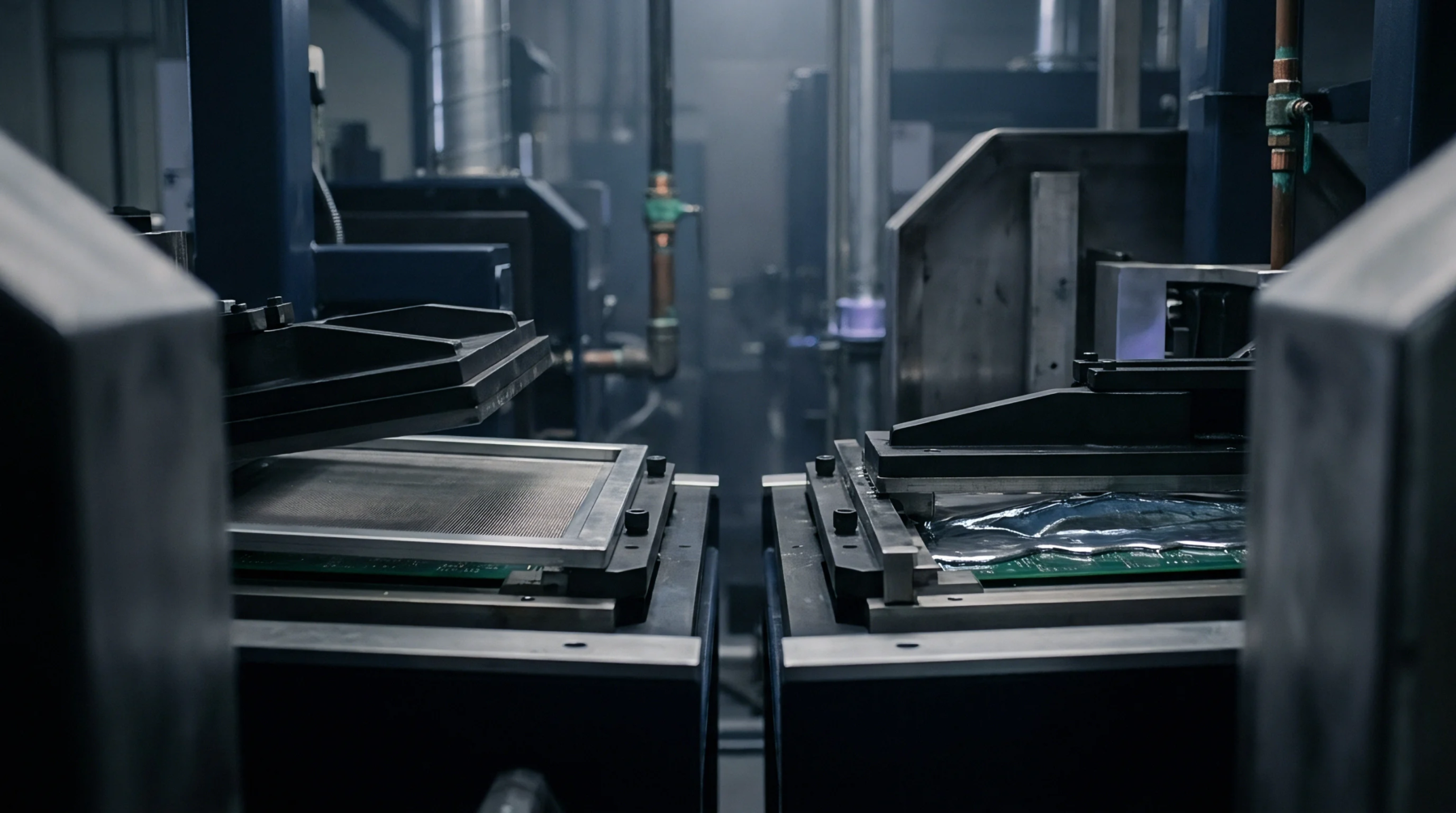
Standard IPC coupons placed along panel waste borders verify plating, registration, and impedance without consuming functional board surface area.
Expertise is a utility, not a secret. sentiention™ publishes its working knowledge as open reference: intelligence layer covering the materials it sources, the markets it enters, and the reference that serves both.