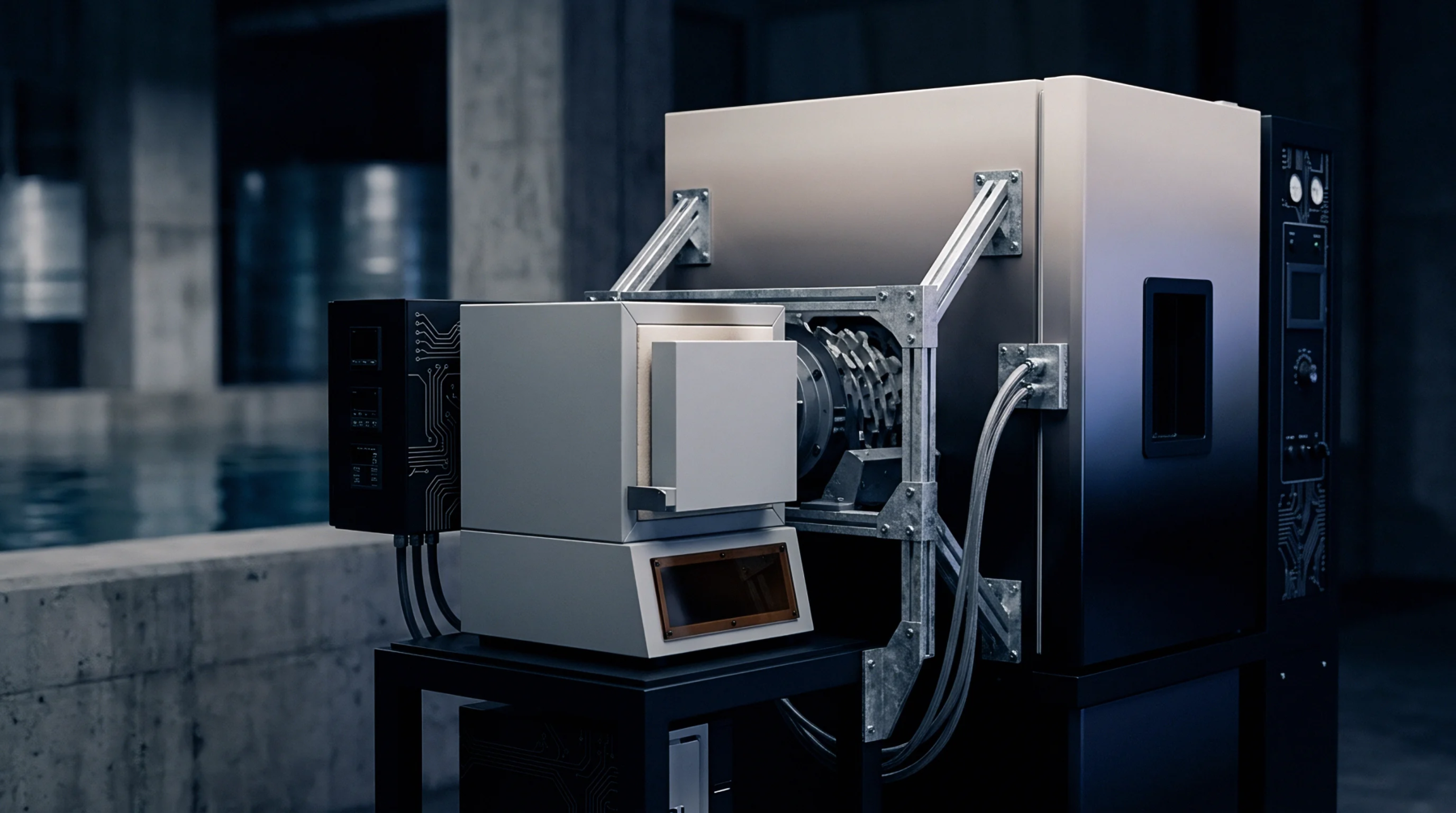
Optimizing Etch Compensation Factors for High Density Inner Layer Cores
Optimizing etch compensation factors requires matching base copper profile tolerances to fluid replenishment rates on thin HDI inner layer cores.
Optimizing etch compensation factors requires matching base copper profile tolerances to fluid replenishment rates on thin HDI inner layer cores.
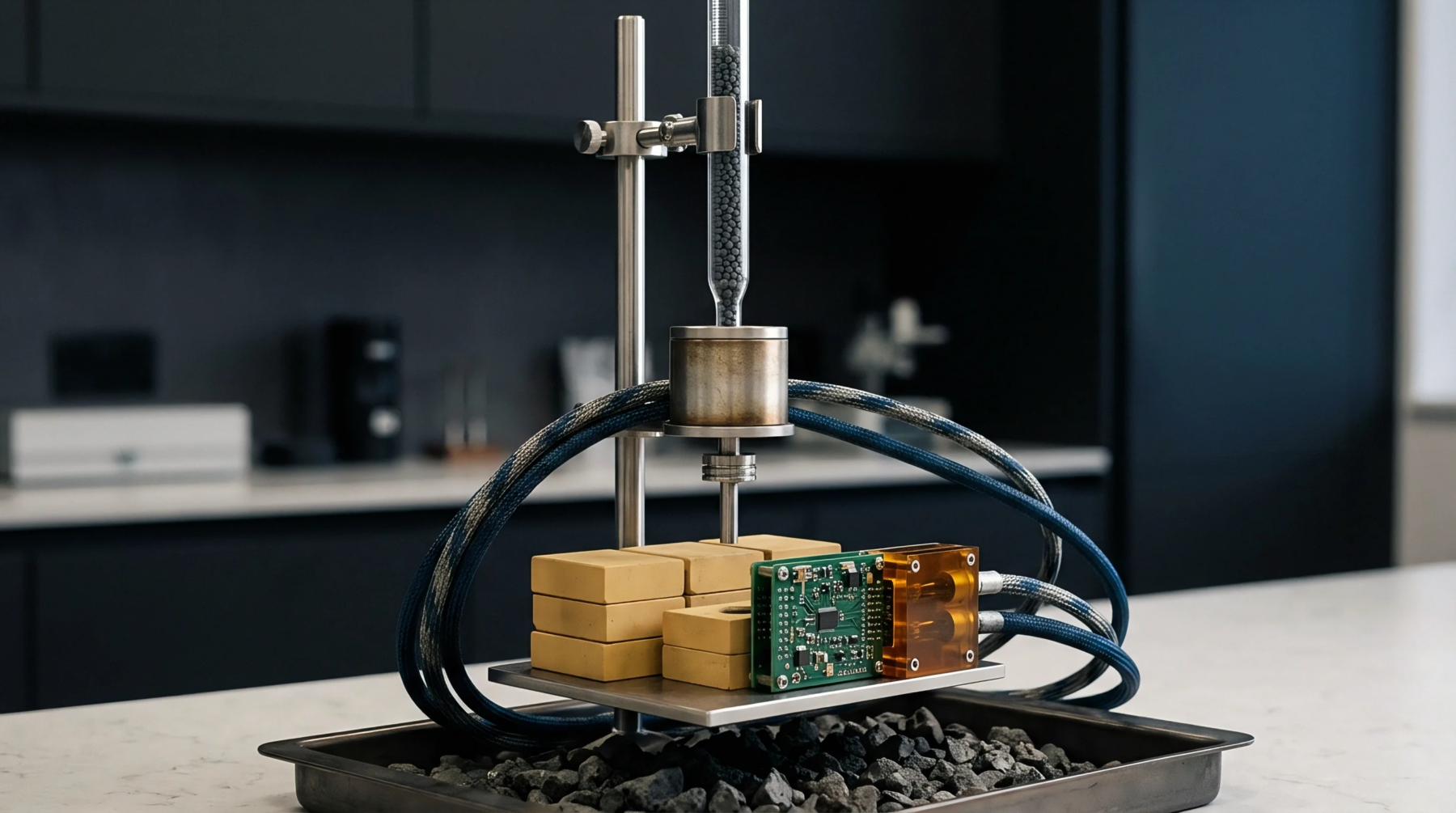
Controlling wet-process nozzle velocity below two meters per second prevents hydrodynamic trace stripping on ultra-thin inner layer copper channels.
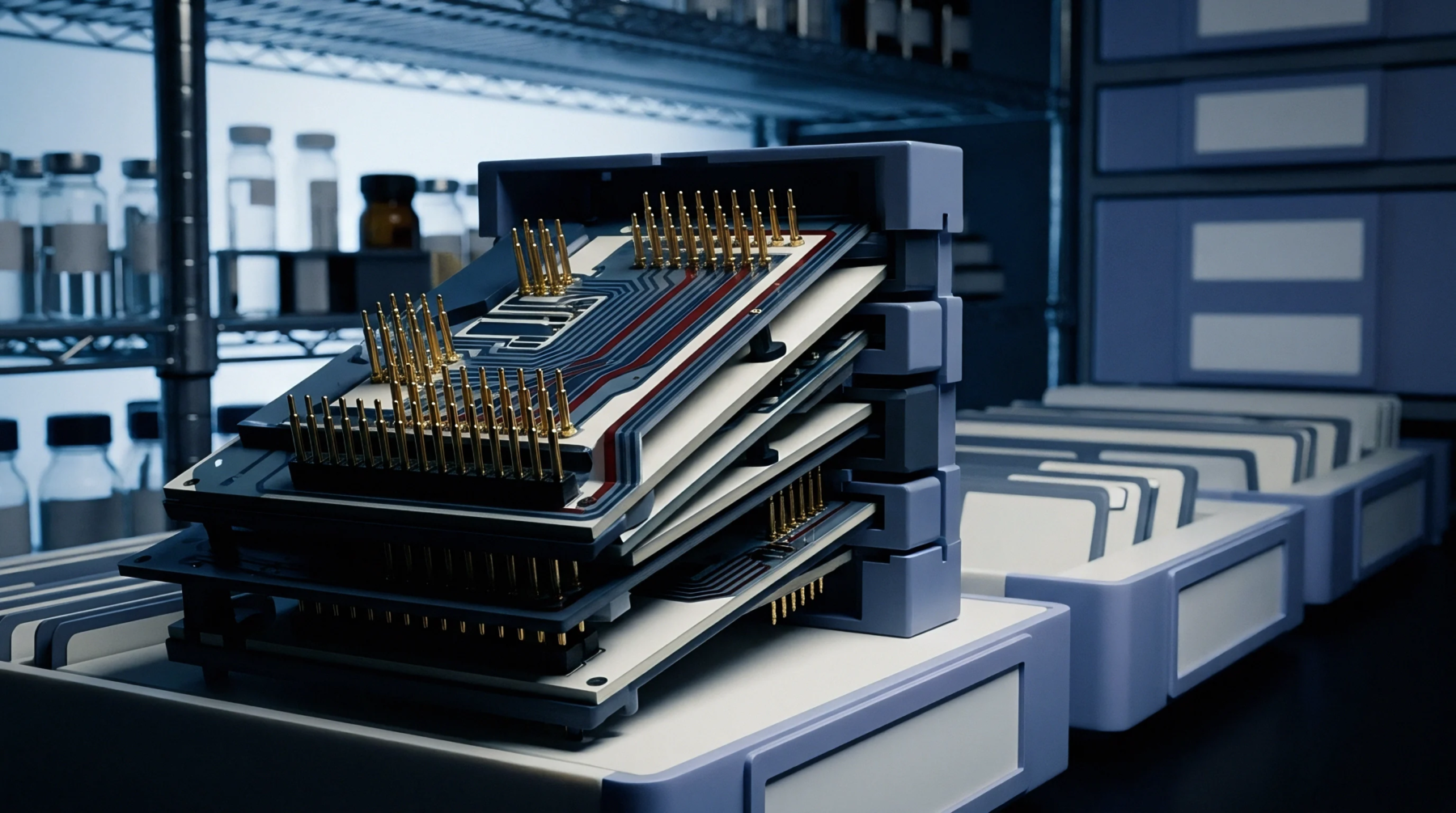
High-pressure manifold delivery above 3.8 bar suppresses micro-channel boundary layers, enabling anisotropic etch factors exceeding 4.0 for sub-15 µm conductors.
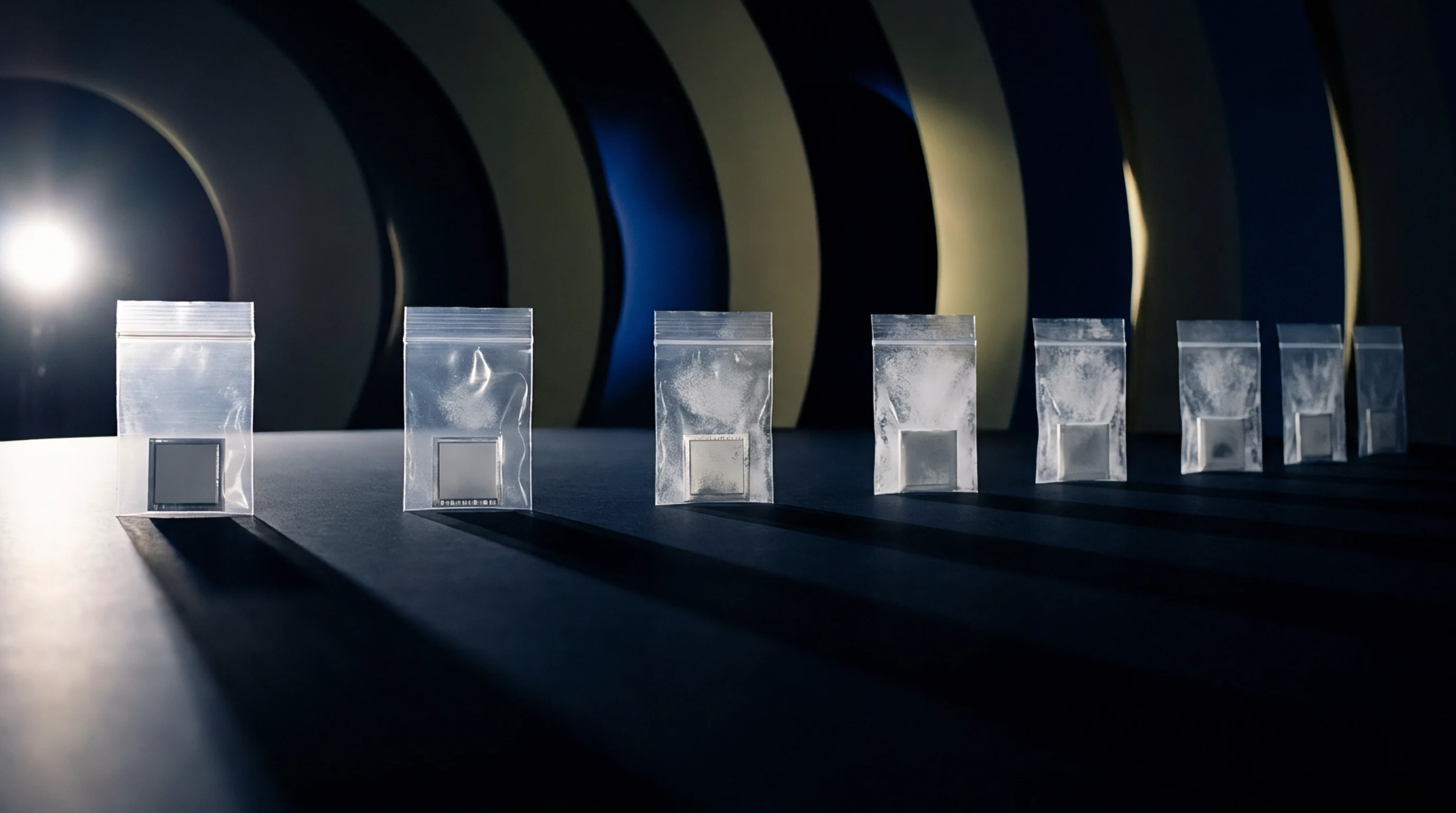
Dynamic top-to-bottom spray pressure balancing and zonal CAM compensation eliminate conveyor puddle variations to hold tight high-frequency trace impedance.
Sub-50 micron trace etching demands mSAP seed layers, anisotropic chemistry passivators, and dynamic laser imaging scaling to hold 3.5+ etch factors and pass IPC Class 3 yield limits.
Sub-50µm trace etching requires migrating from subtractive foil etching to mSAP or A-SAP seed layers, paired with ISO Class 5 cleanroom photolithography.
Expertise is a utility, not a secret. sentiention™ publishes its working knowledge as open reference: intelligence layer covering the materials it sources, the markets it enters, and the reference that serves both.