
Registration Vector Analysis in Sequential High Density Core Lamination
Sequential core lamination registration requires X-ray target vector mapping and dynamic affine drill scaling to maintain zero breakout microvia alignment.
Sequential core lamination registration requires X-ray target vector mapping and dynamic affine drill scaling to maintain zero breakout microvia alignment.
Dynamic inner layer scaling in heterogeneous stackups requires empirical strain modeling per material axis to maintain registration.
Capture pad size equals laser diameter plus twice the root-sum-square of tool, drill, and lamination movement tolerances.
Controlling HDI registration vectors demands balancing core dimensional shrinkage, LDI grid warping, and stackup symmetry to prevent microvia pad breakout.
Aligning glass yarn warp directions parallel across every stackup layer prevents asymmetric dimensional shrinkage and eliminates structural panel twist during lamination.

Sub-millimeter wave performance in quartz-fluoropolymer laminates depends on controlling anisotropic dielectric tensors and sealing interfacial moisture diffusion paths.
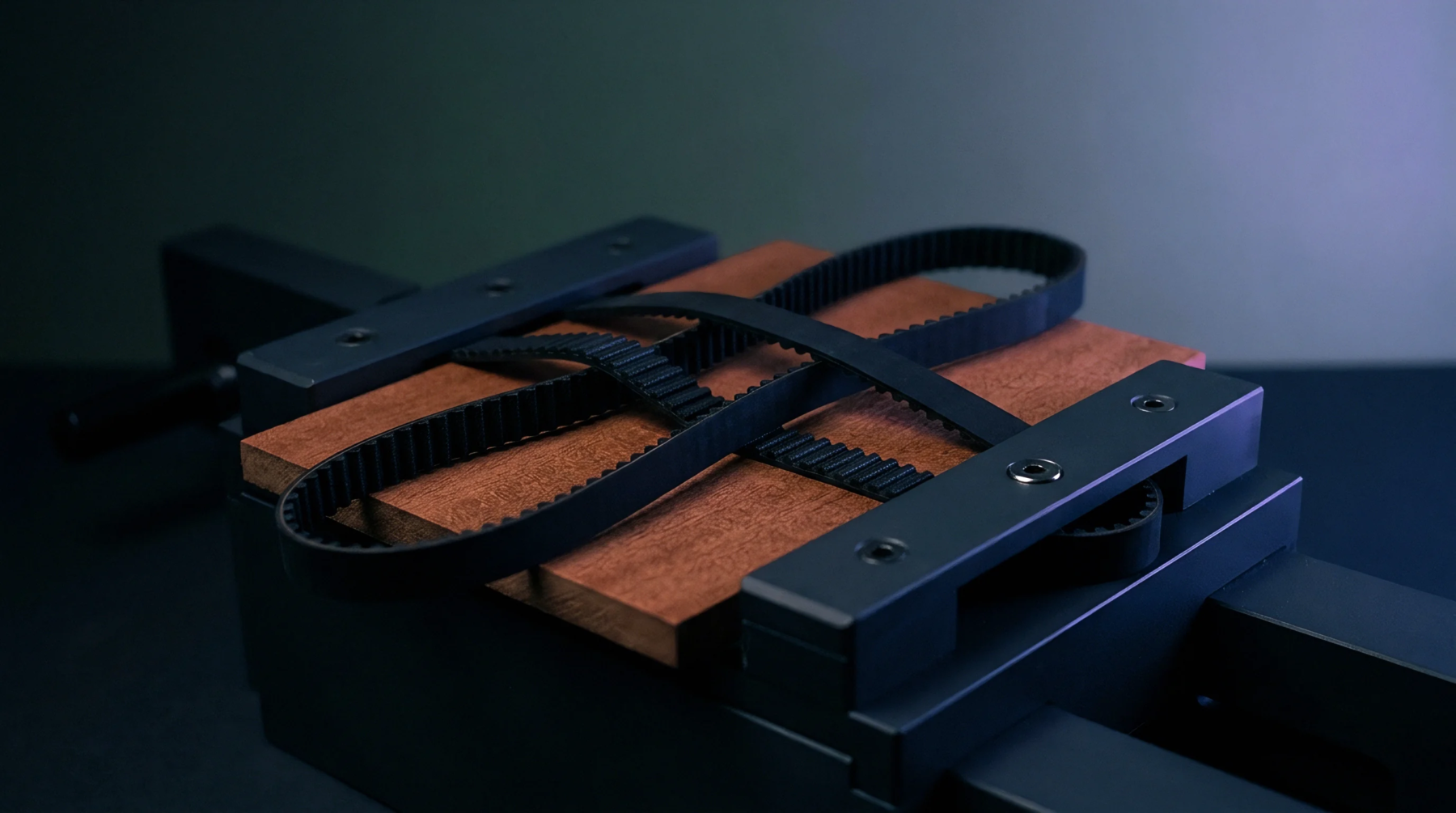
Sub-50 micron trace etching demands mSAP seed layers, anisotropic chemistry passivators, and dynamic laser imaging scaling to hold 3.5+ etch factors and pass IPC Class 3 yield limits.
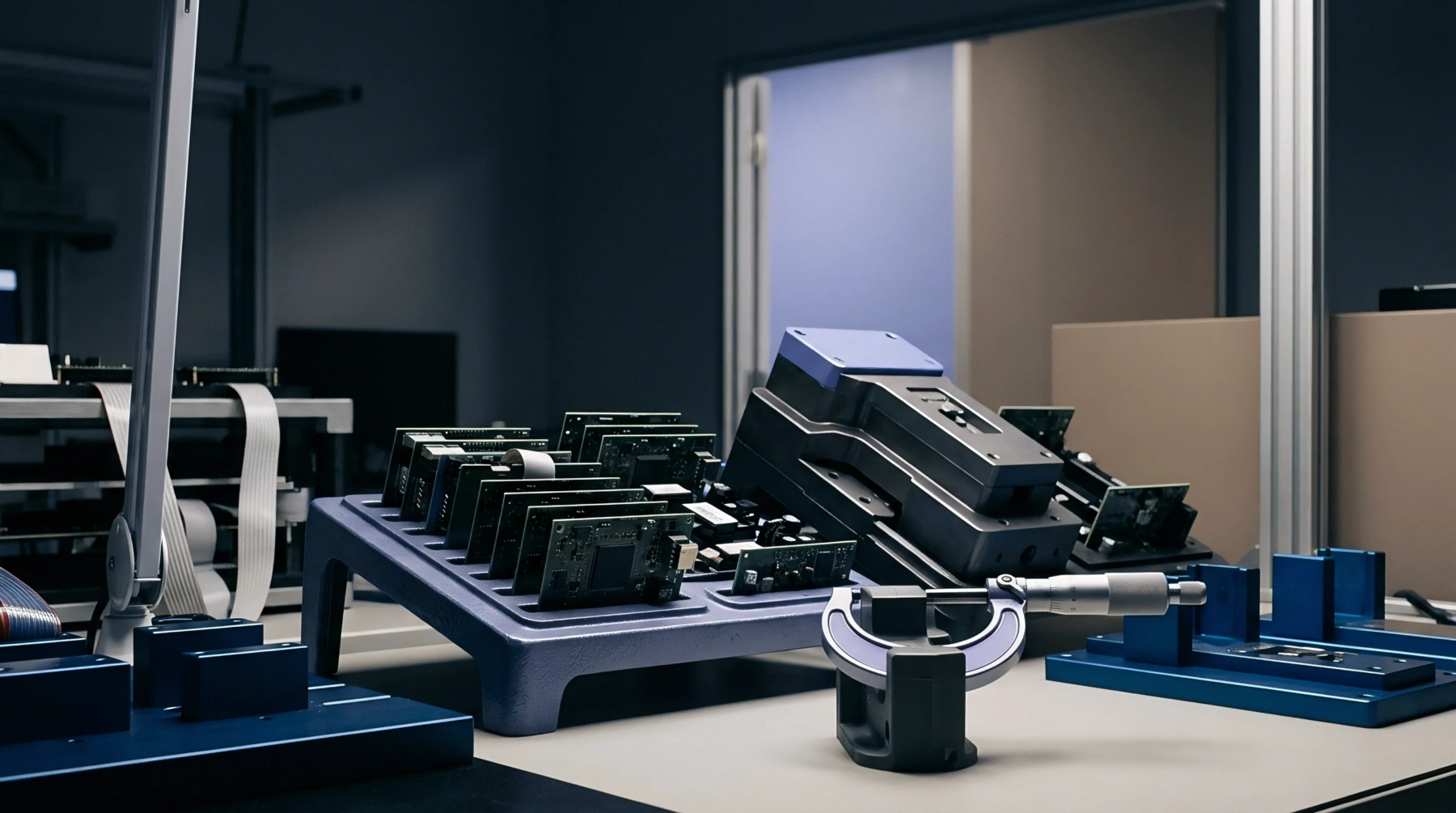
Sequential lamination registration drift requires statistical bivariate vector modeling to size microvia capture pads for multi-pass ultra-high-density core panels.
Expertise is a utility, not a secret. sentiention™ publishes its working knowledge as open reference: intelligence layer covering the materials it sources, the markets it enters, and the reference that serves both.