
Calculating Z Axis Permittivity Anisotropy for Stripline Controlled Impedance Routing
Calculate stripline impedance by applying the geometric mean of in-plane and z-axis permittivity to sidewall fringing fields to eliminate 2-ohm routing offsets.
Calculate stripline impedance by applying the geometric mean of in-plane and z-axis permittivity to sidewall fringing fields to eliminate 2-ohm routing offsets.
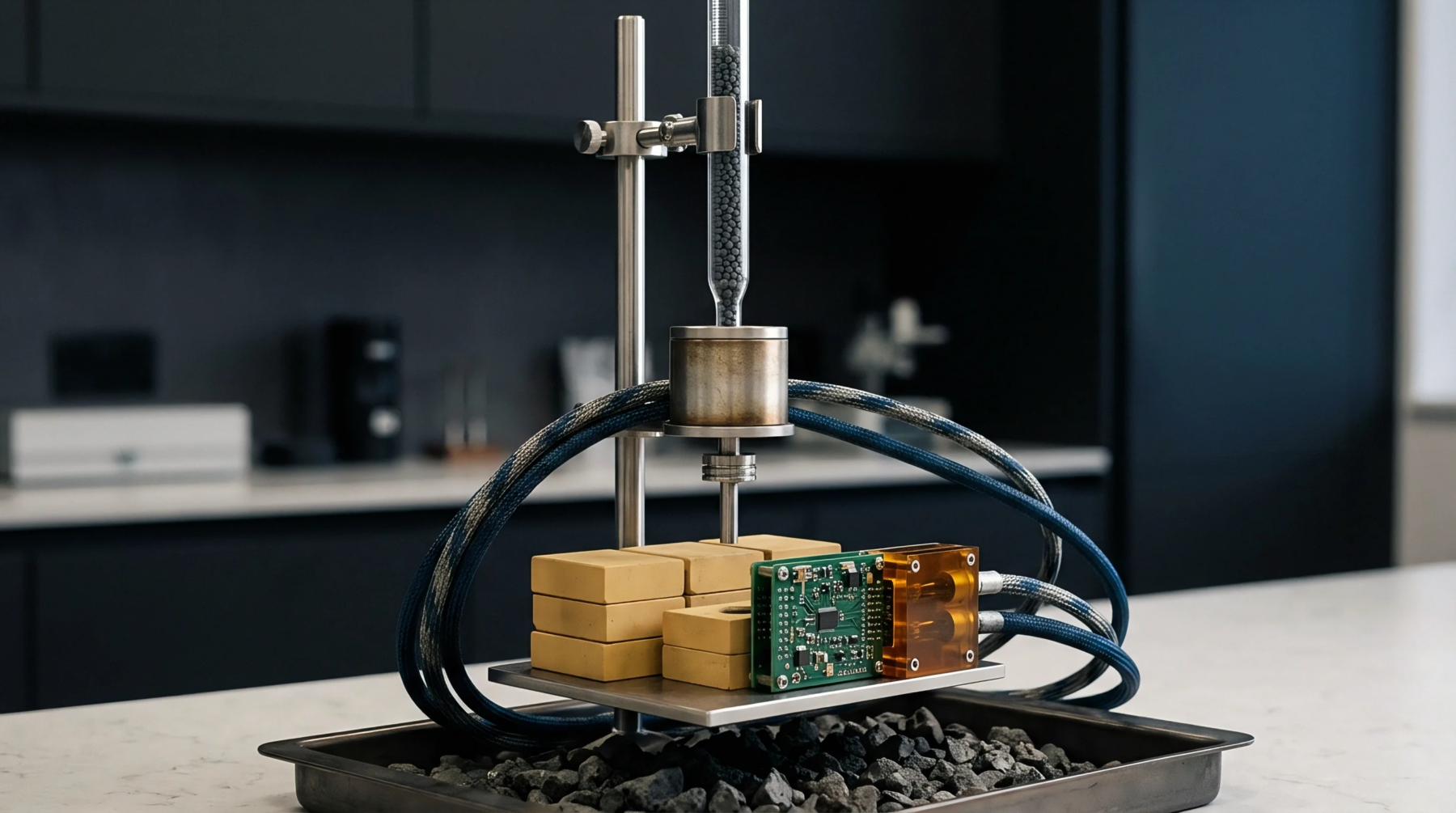
Deriving master panel parametric scrap tolerances requires mapping z-axis dielectric gradients to prevent edge-induced transmission line impedance failures.

Managing anisotropic permittivity and glass weave dispersion prevents timing jitter and intra-pair phase skew in gigabit differential interconnects.

Lamination thermal gradients alter local resin conversion and density, shifting high-frequency spatial dielectric permittivity and inducing channel skew.

Sub-millimeter wave performance in quartz-fluoropolymer laminates depends on controlling anisotropic dielectric tensors and sealing interfacial moisture diffusion paths.

Frequency-domain tensor extraction decouples directional permittivity and loss tangent variations on glass core build-up panels, fixing impedance tolerances across sub-THz interconnects.
Managing anisotropic permittivity in sequential substrates requires spread glass prepregs, optimized press kinetics, and directional fixture qualification.
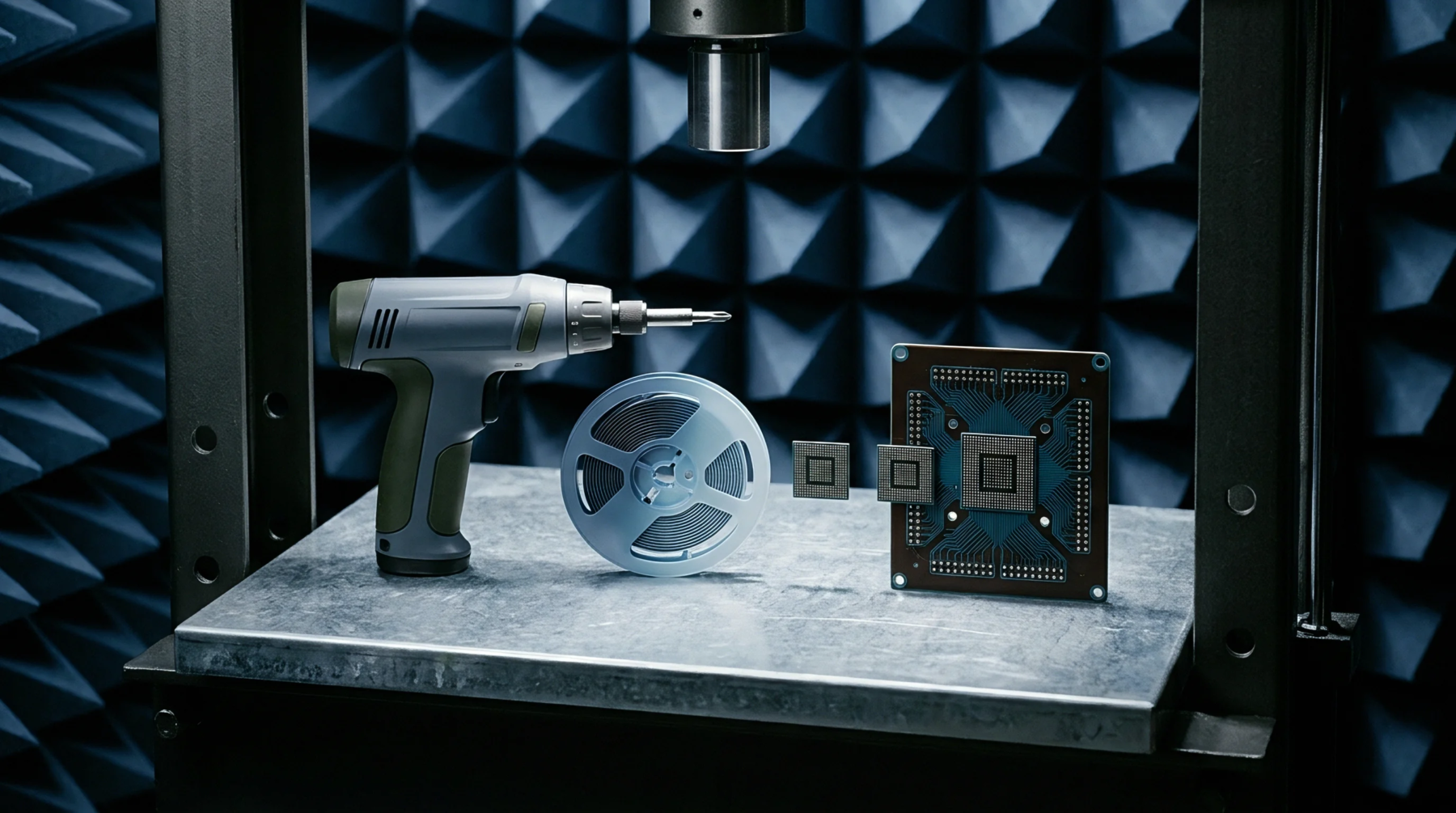
Sub-stack resin squeeze-out during sequential lamination elevates z-axis Dk and reduces dielectric thickness, shifting differential impedance off target.

Extracting out-of-plane permittivity requires guarded parallel-plate or re-entrant cavity tests to isolate vertical flux fields from in-plane glass weave effects.

Characterizing spatial dielectric anisotropy under extreme thermal excursions prevents sub-THz phase distortion and catastrophic high-density packaging yield loss.
Expertise is a utility, not a secret. sentiention™ publishes its working knowledge as open reference: intelligence layer covering the materials it sources, the markets it enters, and the reference that serves both.