Material Characteristic
Dielectric substrates exhibit a measurable rate of physical deformation when subjected to elevated temperatures during the soldering cycle. Z-axis thermal expansion defines the ratio of dimensional change occurring perpendicular to the plane of the copper layers. This vertical growth originates from the mismatch between the resin matrix of the laminate and the embedded glass fibre reinforcement.
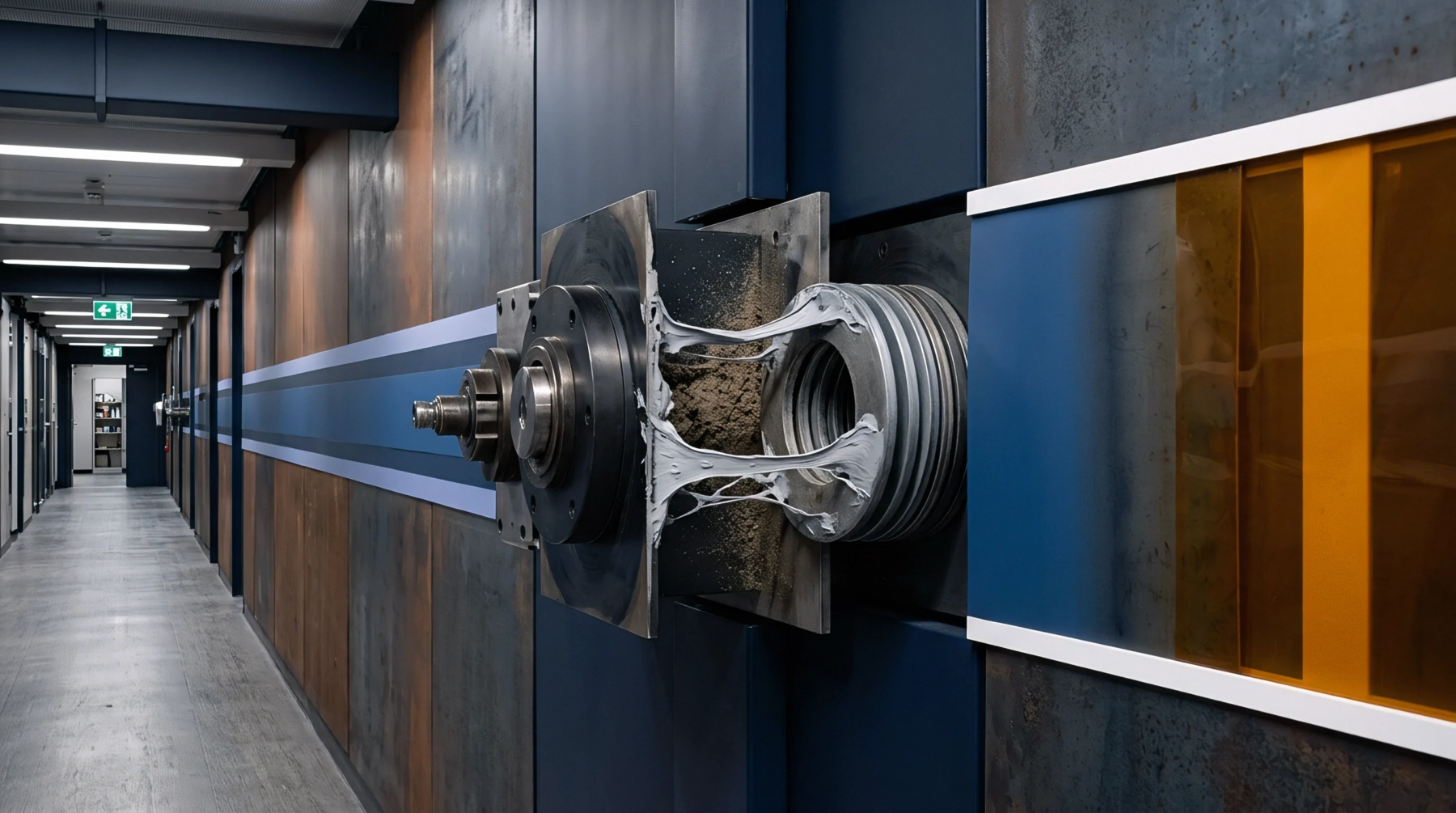
High values force excessive strain on through-hole barrels and plated interconnects. Internal stresses accumulate until the metallic bond fractures under repeated heating cycles.
Resin Stress
Fabrication quality dictates how successfully a printed circuit board survives extreme heat. Laminate manufacturers optimize the glass transition temperature of the polymer to delay the onset of volumetric swelling. Designers specify low-profile copper foils to reduce the mechanical leverage exerted on the hole walls.
Proper curing cycles during lamination densify the resin structure to improve dimensional stability.
Assembly Failure
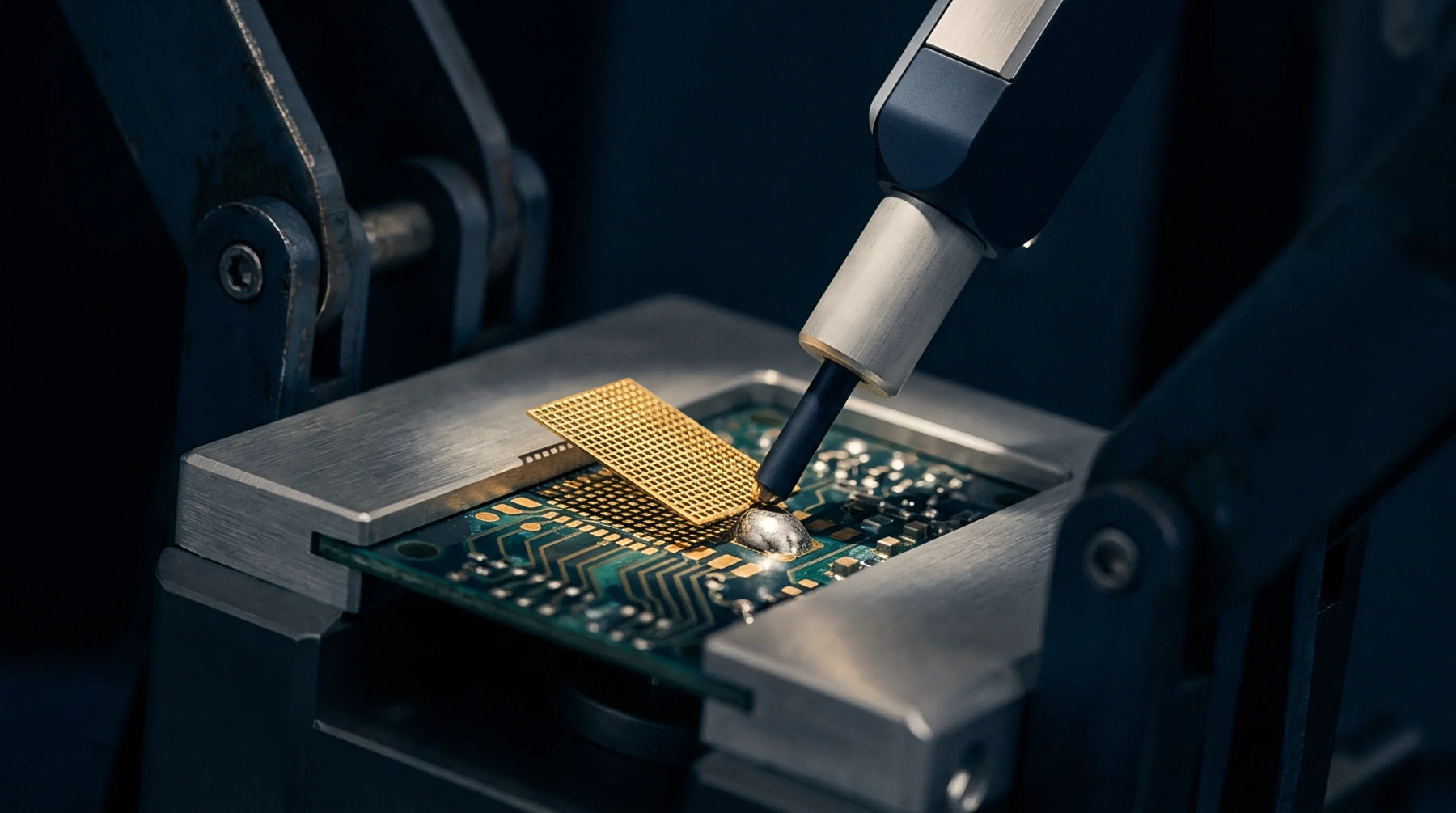
Thermal shock during wave soldering or reflow processes acts as the primary trigger for structural degradation. Excessive expansion causes the barrel of a plated through hole to pull away from the inner layer connections. Fractures occur at the junction between the pad and the plating when the laminate forces the copper to stretch beyond its elastic limit.
Reliability risks increase as board density grows because smaller drill diameters possess lower tolerance for dimensional drift. Failure mode analysis identifies these cracks as the source of intermittent electrical connectivity in high-layer-count boards.