Adhesion Validation
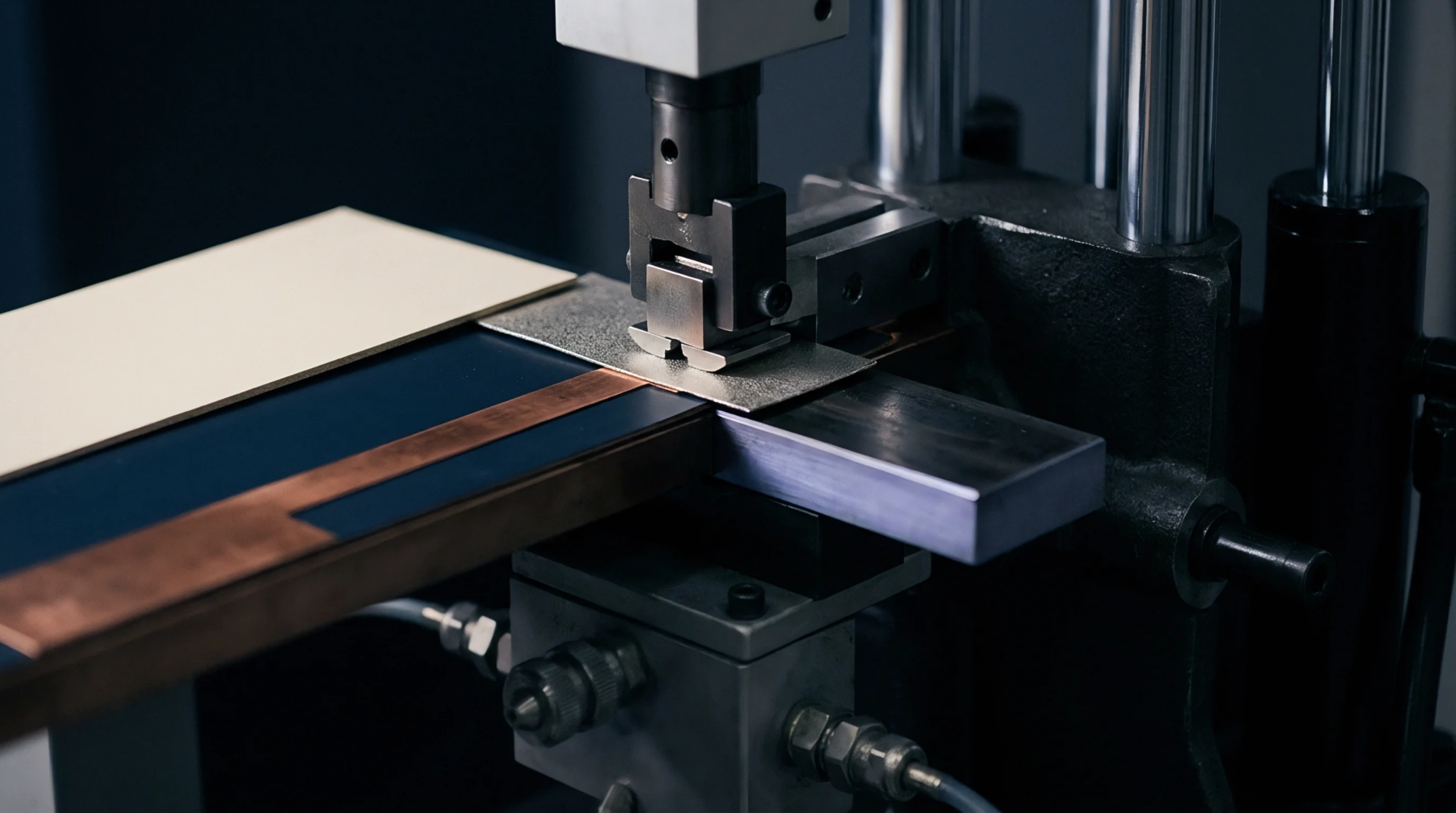
Mechanical tension force measured in newtons per centimeter defines the bond integrity between a flexible cover layer and the underlying substrate surface. Peel strength quantifies the load required to separate two bonded materials at a constant angle and speed within controlled environmental conditions. Fabrication engineers employ this metric to verify that chemical surface treatments successfully promote molecular entanglement or covalent bonding between dissimilar layers.
Laminate producers target specific force thresholds to prevent delamination during subsequent thermal processing steps or final service life. High values indicate a stable interface capable of resisting separation under shear or fatigue loads. Low values signal contaminated surfaces or incomplete curing cycles during the lamination stage.
Lamination Mechanism
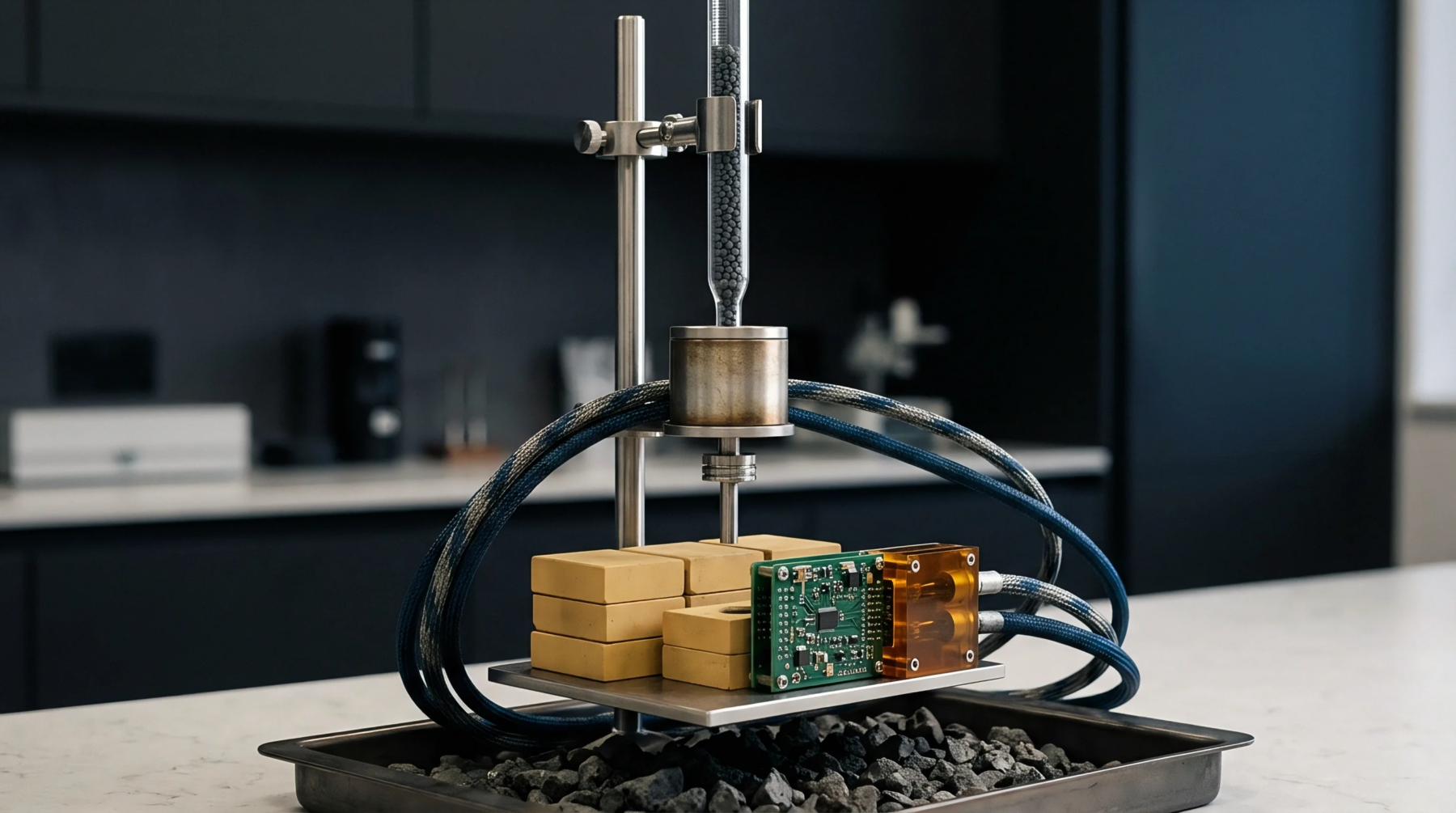
Pressure and heat application drive the crosslinking chemistry necessary to achieve optimal bond results in flexible circuitry. This process forces the resin into surface pores to create a mechanical anchor as the material cools and solidifies. Variation in heat ramping speeds affects the viscosity of the adhesive and governs the depth of penetration into the dielectric.
Variations in dwell time also modify the total energy input available to complete the polymerization of the resin system. Cooling rates influence the final crystalline structure of the polymer chain and change the rigidity of the interfacial layer. Excess moisture trapped within the stackup creates internal voids and forces an immediate reduction in the bond integrity during assembly.
Assembly Consequence
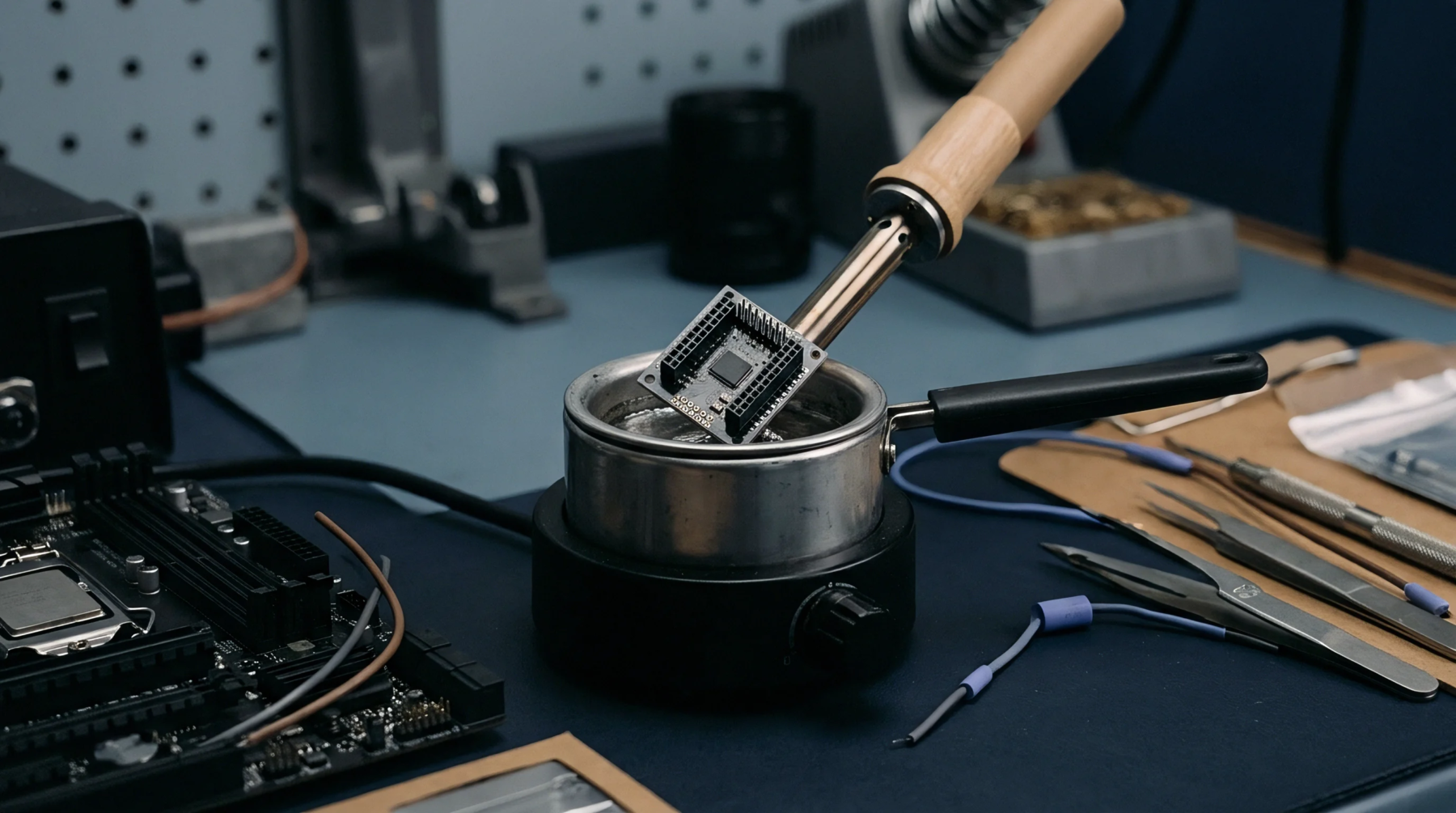
Excessive solder heat applied during surface mount reflow cycles risks weakening the adhesive bonds established during initial board fabrication. Technicians monitor the resistance to separation after exposure to high temperature profiles to ensure the structural stability of the product remains intact. Any failure in this bond allows delamination to progress as the materials expand at different rates during operation.
Thin films require tighter control over these parameters because the lack of volume makes them sensitive to minor surface energy shifts. Correct interfacial bonding provides the structural support needed for high density interconnects to survive repetitive mechanical stresses. Consistent measurement of this characteristic ensures long term reliability in thin profile electronics by confirming the durability of the chemical transition between the metal and the base material.