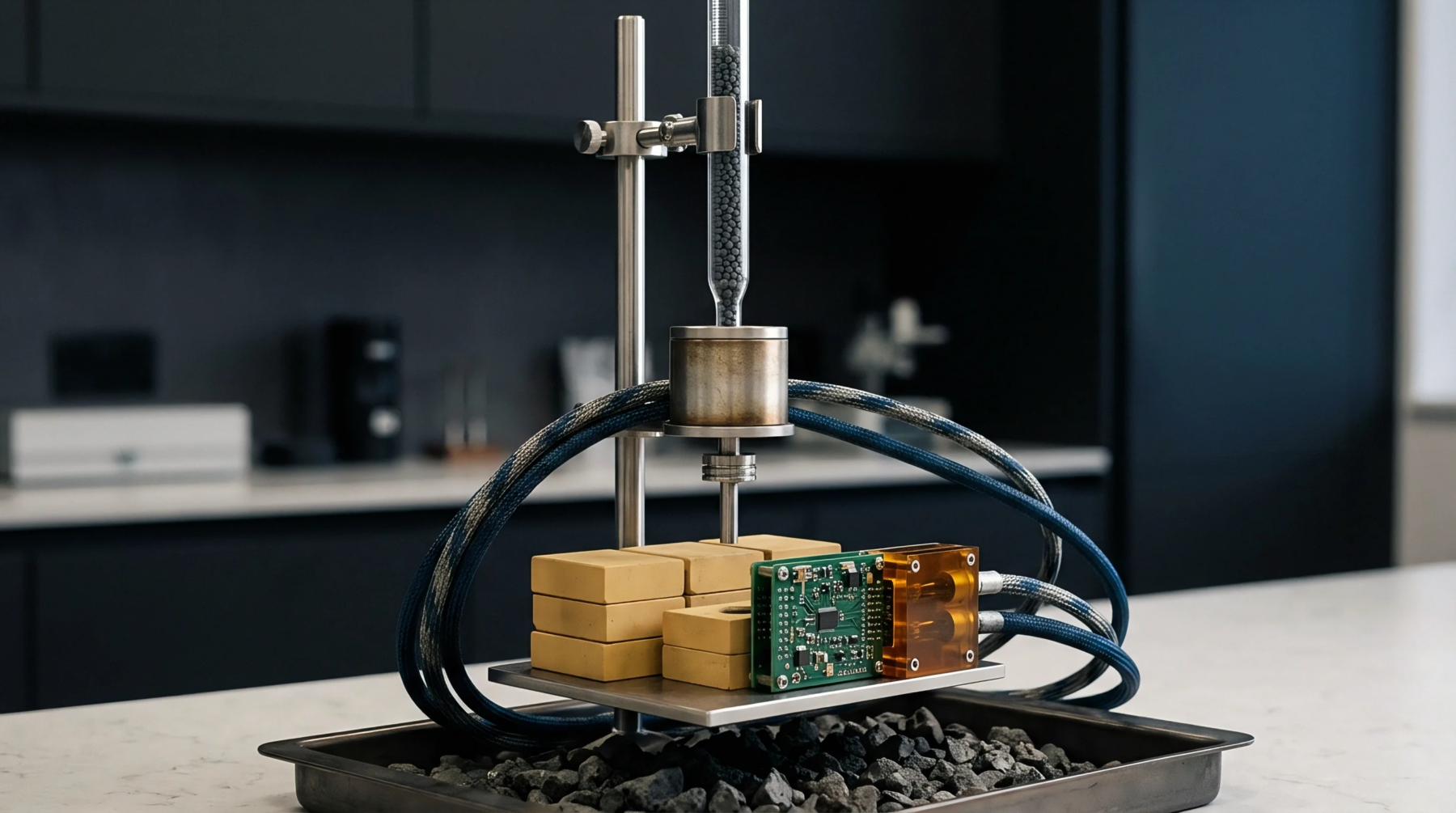
Material Metric
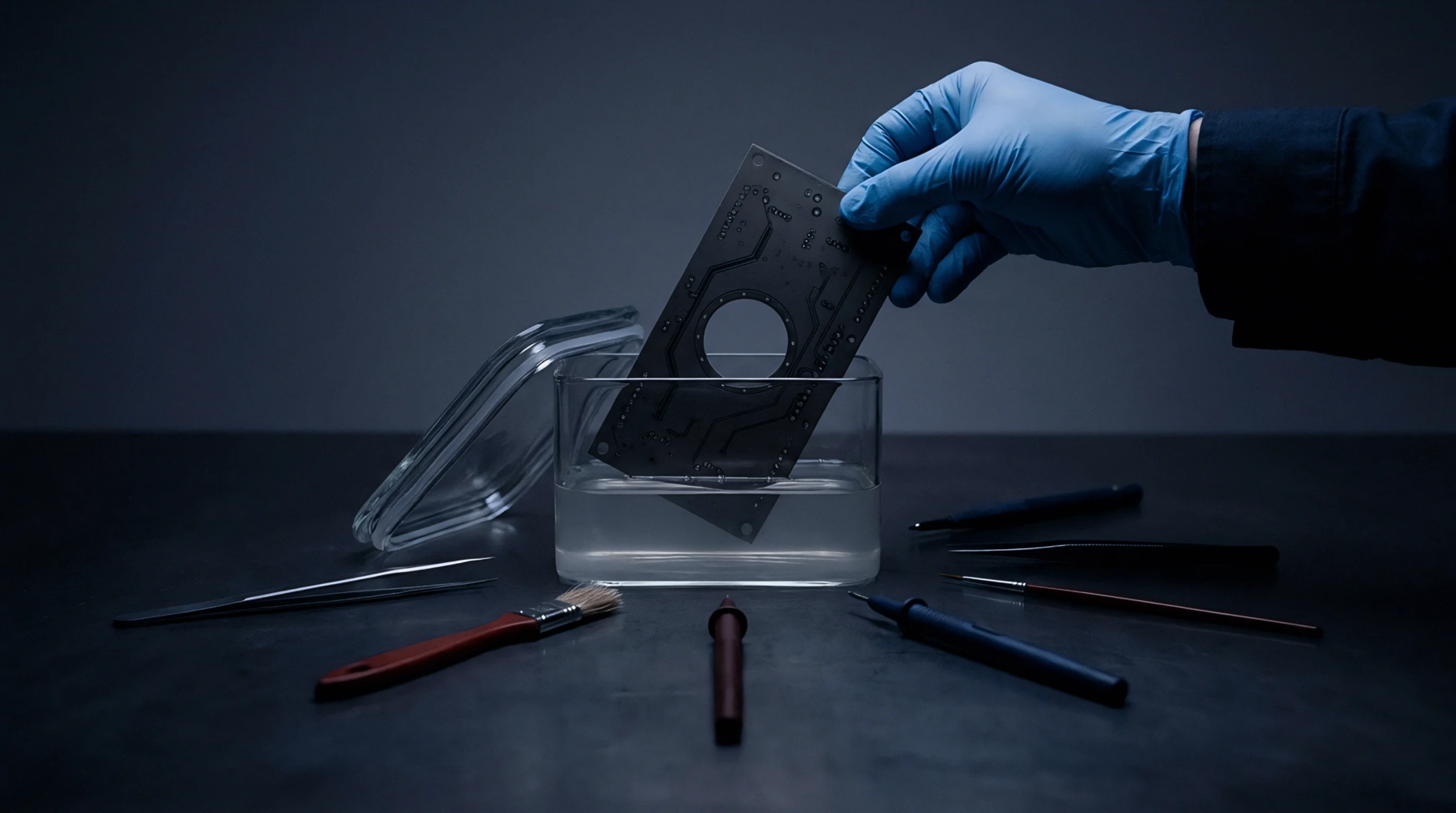
Imbalances in molecular forces at the top boundary of a solid dictate how well it interacts with liquids. Measuring the surface energy of a printed circuit substrate reveals whether coatings will spread smoothly or pull away into isolated beads. This characteristic depends on the chemical composition of the surface and its level of cleanliness after the etching stages.
It provides a baseline for understanding the success of subsequent assembly steps such as underfill or conformal coating.
Atomic Attraction
Stronger intermolecular attractions within the solid result in high values that naturally draw liquids flat across the interface. Low surface energy often signals the presence of silicone oils or fluorocarbon residues that will repel standard bonding agents. In the manufacturing floor, the measurement of this property often utilizes a set of calibrated dyne fluids with known tensions.
These fluids show the exact level of energy by whether they stay flat or bead up within two seconds of application. Adjusting the plasma cleaning time can effectively modify this parameter to prepare a substrate for successful adhesion.
Process Threshold
Values below thirty dynes per centimeter usually prevent the reliable application of protective coatings. Raising the energy level through localized activation ensures that the interface provides a stable ground for mechanical bonding.