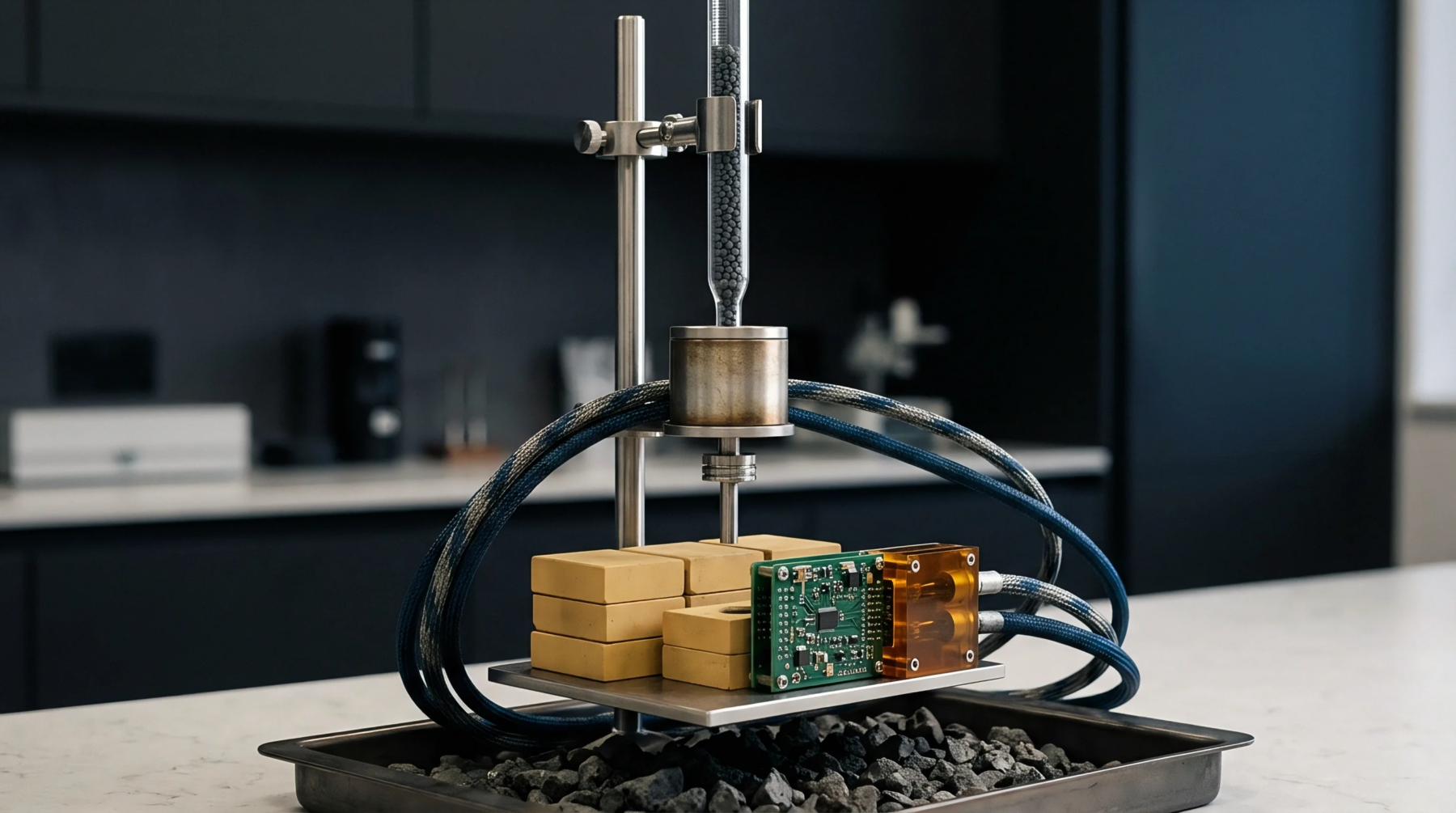
Transfer Dynamics
Aqueous or mechanical separation defines the stage of SMT printing where the stencil foil is lifted away from the deposited solder paste. Achieving an optimal solder paste release prevents the paste from remaining stuck in the stencil apertures instead of transferring to the copper pads. This mechanism relies on the balance between the adhesion of the paste to the board and its adhesion to the aperture walls.
The printed paste must cleanly slide out of the metal pocket.
Aperture Design
Engineering the dimensions of each aperture is necessary to overcome the surface tension of the paste during separation. The aspect ratio of the openings determines the success of solder paste release in high-density layouts. Standard guidelines require the area of the aperture opening to be greater than the wall area.
Defect Correlation
Incomplete transfer can cause serious anomalies like insufficient solder joints or missing deposits on critical component pads. By monitoring solder paste release through automated solder paste inspection, operators can identify clogged apertures or incorrect separation speeds. Slow separation profiles are often programmed to allow the paste time to detach without scooping or peaking.
Correcting these print parameters prevents the formation of micro-solder balls and insufficient joints on fine-pitch packages. This control over paste separation directly reduces the scrap rate of completed board assemblies.