Surface Dissolution
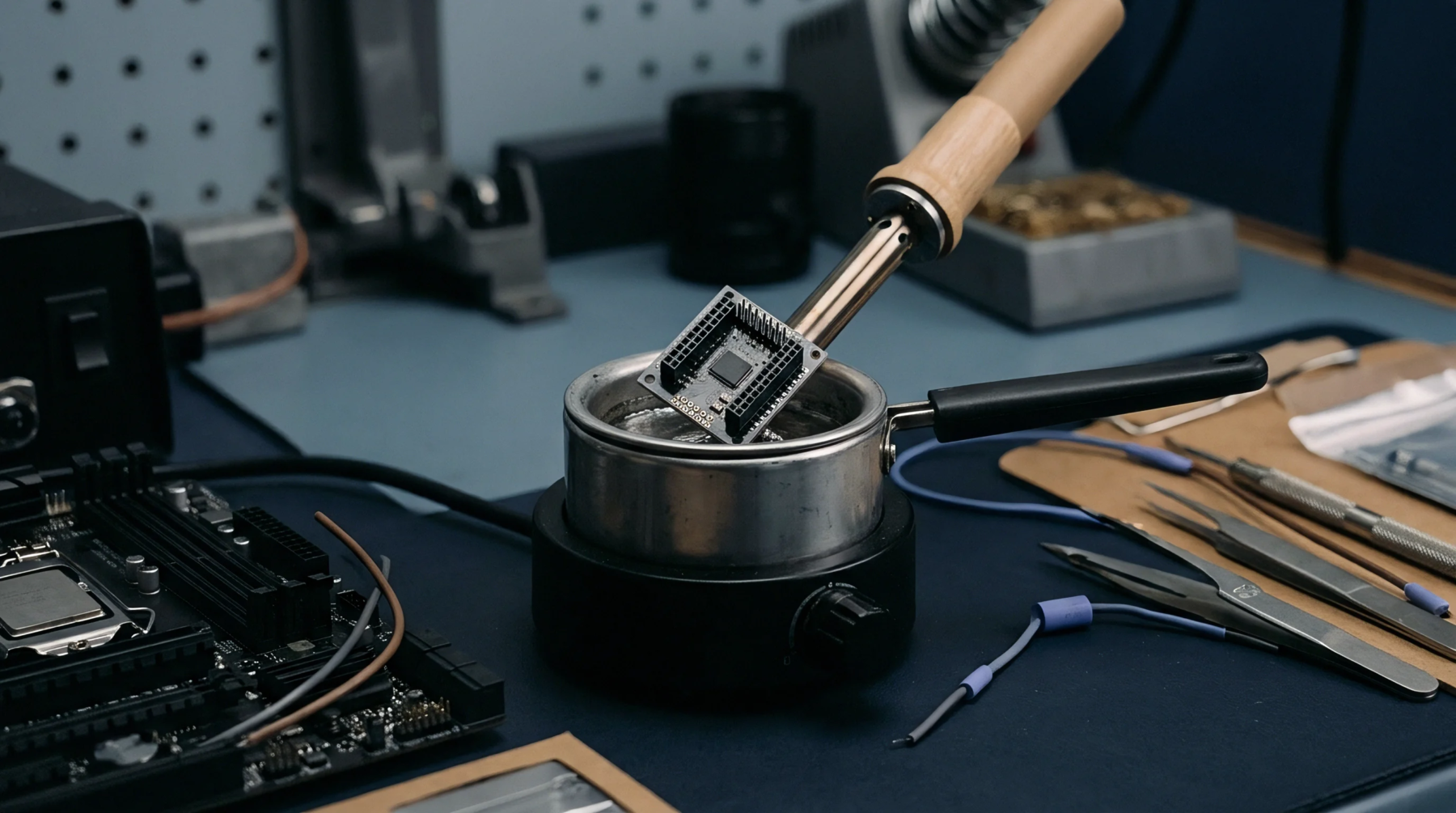
Metal removal through anodic polarization removes microscopic peaks from stamped enclosure walls. Electropolishing operates as a controlled electrochemical process where a submerged component acts as the anode inside an acidic bath, driven by a regulated direct current. Current density concentrates preferentially upon surface irregularities, dissolving high points faster than valleys due to localized field gradients.
The resulting micro-smoothing eliminates burrs, reduces roughness parameters below strict limits, and removes thermal oxide layers generated during prior stamping operations. Residual stresses within the metal lattice diminish simultaneously, leaving a passive, chromium-enriched passive film across stainless steel chassis components.
Current Distribution
Bath chemistry parameters dictate the dissolution rate and final brightness of processed electronic hardware. Phosphoric and sulfuric acid mixtures maintain high viscosity boundary layers that govern metal ion diffusion away from microscopic valleys. Excessive voltage produces gas evolution pitting, while insufficient current density results in general etching without brightening benefits.
Bath temperature regulation prevents localized boiling and maintains optimal conductivity across high-aspect-ratio geometries. Rinsing stages immediately following the primary tank neutralize residual acids, preventing chemical staining on sensitive contact pads or press-fit pins.
Acceptance Threshold
Post-treatment verification relies on optical profilometry and contact stylus measurements to quantify peak height reductions against baseline manufacturing specifications. Salt spray exposure testing validates corrosion resistance improvements over untreated control coupons. Surface roughness values below defined microinch thresholds confirm process stability across production lots.
Microscopic examination ensures total absence of intergranular attack or hydrogen embrittlement within load-bearing structural members. Final acceptance guarantees low friction coefficients and improved cleanability for components operating in high-purity environments.