
SMT Deposit Volumetrics and Micro Pitch Defect Origins
Solder paste deposit volumetrics directly dictate micro pitch SMT defect rates, requiring strict area ratio controls and 3D inspection limits to prevent bridging.
Solder paste deposit volumetrics directly dictate micro pitch SMT defect rates, requiring strict area ratio controls and 3D inspection limits to prevent bridging.
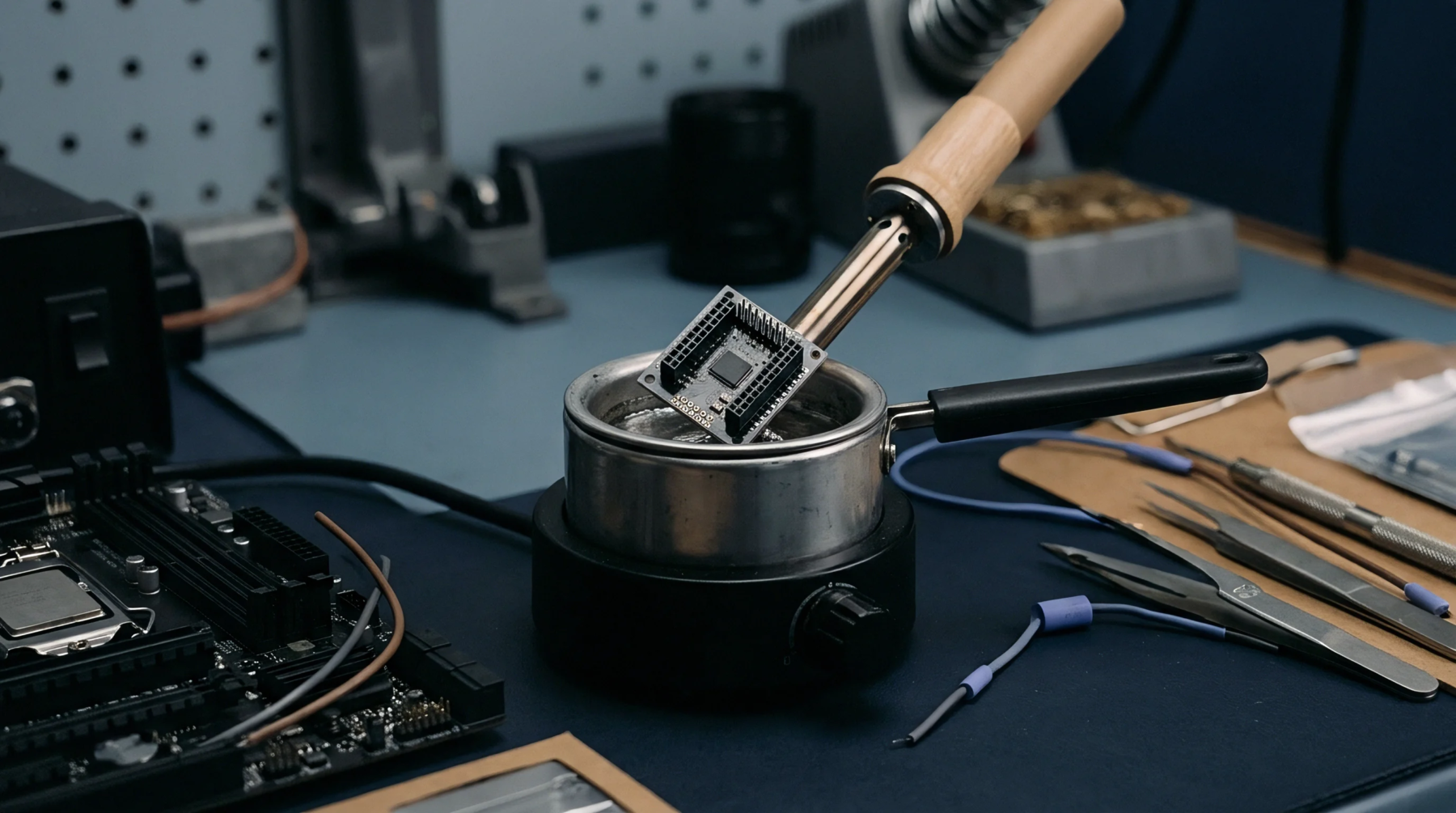
Calculate stencil area ratio above 0.66 for standard laser foil and above 0.50 for nano coated electroformed stencil to guarantee ninety percent paste release.

Calculating area ratios above 0.66 and applying targeted aperture reductions prevents bridging while ensuring consistent solder paste transfer efficiency on fine pitch pads.
Micro-aperture solder paste transfer efficiency demands electroformed or nanocoated stencils, Type 5 powder, and strict 3D inspection controls below 0.55 area ratios.

Fine pitch stencil printing stability drops sharply below 0.50 area ratio, requiring Type 5 powder, nano-coated apertures, and tight SPI volume limits.

Matching paste particle size and viscosity to stencil area ratio maintains stable transfer efficiency above 80 percent on fine-pitch components.
Verify stencil aperture area ratios exceed 0.66 using SPI volume data before adjusting reflow oven profiles for solder starvation defects.

Optimizing surface mount stencil apertures demands balancing area ratios above 0.66, foil wall smoothness, and pad reductions for repeatable paste volume.
Optimizing solder paste rheology and stencil area ratios above 0.66 drives transfer efficiency stability and eliminates fine-pitch assembly defects.
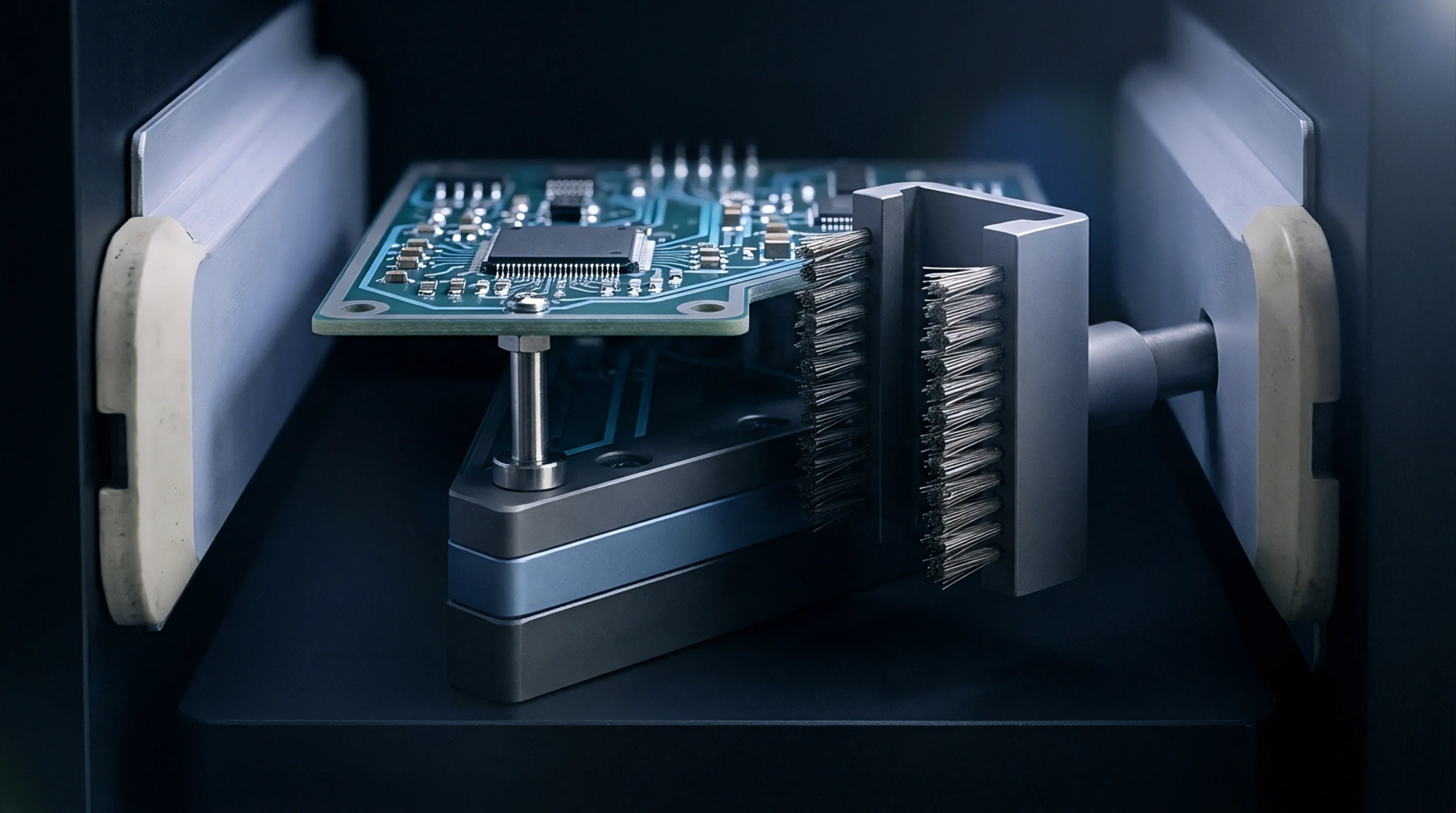
Component placement and soldering quality depend on stencil aperture ratios above 0.66, vision placement accuracy under 25 microns, and controlled liquidus reflow profiles.
Expertise is a utility, not a secret. sentiention™ publishes its working knowledge as open reference: intelligence layer covering the materials it sources, the markets it enters, and the reference that serves both.