Flow Resistance
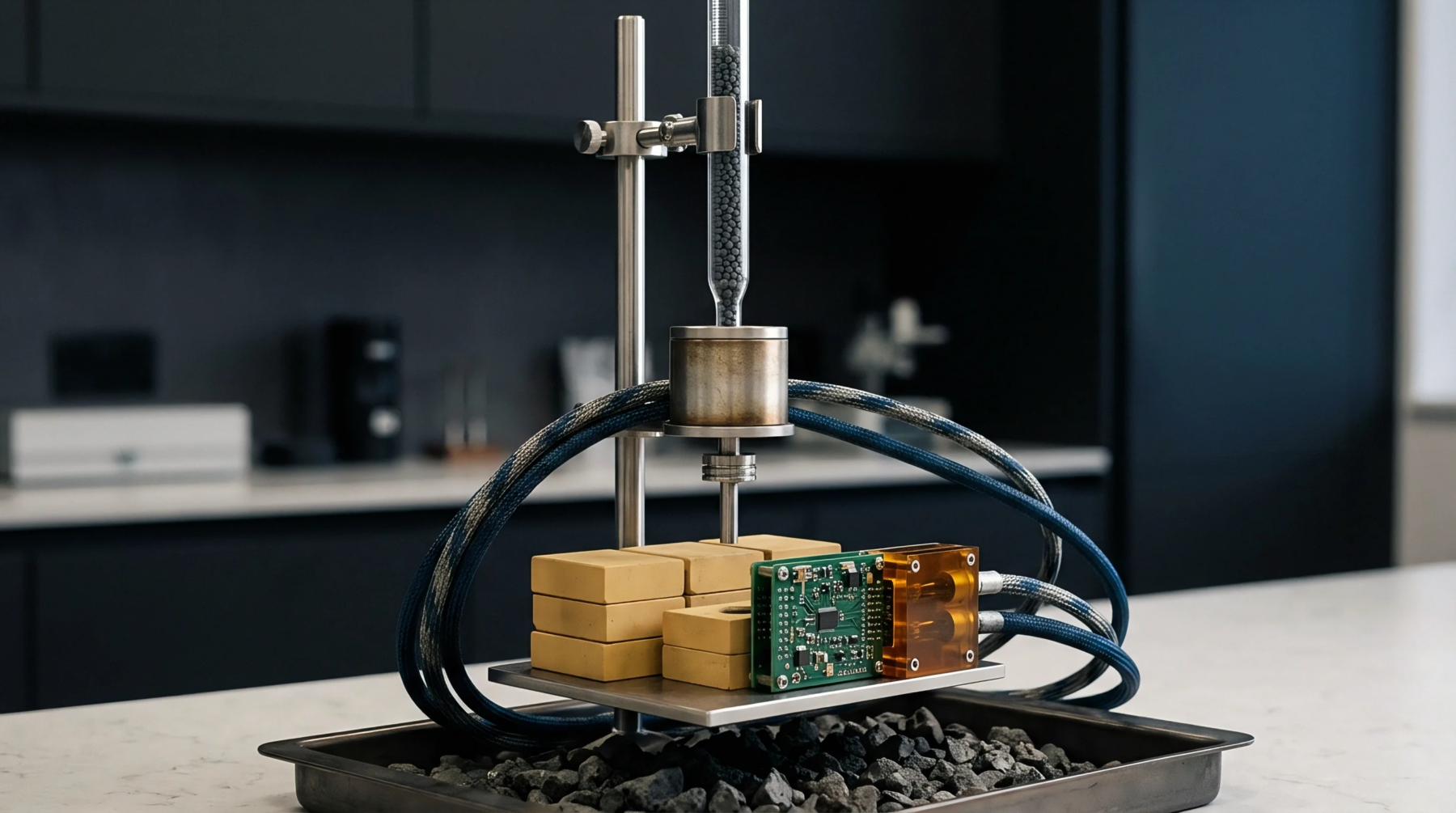
Solder paste consistency involves complex shear-thinning characteristics that determine how deposition behaves under mechanical force. High non-newtonian paste rheology governs the viscosity reduction that occurs when a stencil printer applies a stroke across an aperture. A material exhibiting these traits remains stable while at rest yet liquidizes immediately during stencil movement.
This behavior ensures that the material fills fine-pitch patterns completely without leaking beyond the designated boundary. Precise control over these fluid properties prevents bridging or insufficient solder volume at the component termination.
Shear Threshold
Internal molecular structures within the compound break down as kinetic energy increases. Forces applied by the squeegee overcome the initial yield stress that holds the substance in a semi-solid state. Once that resistance breaks, the viscosity drops proportional to the velocity of the stroke.
Proper operation requires balancing this shear-dependent response against the time needed for the deposit to regain structural integrity after print completion. Recovery speed matters because slow stabilization allows the printed feature to slump or lose its geometry.
Process Window
Manufacturing engineers define the optimal application range by testing the slump and roll characteristics of the paste under varying pressures. A high-speed print process relies on this specific thinning action to ensure uniform volume delivery across thousands of individual pads. Production failure happens when the material fails to transition quickly enough or remains too fluid after the stroke finishes.
Stable paste properties provide the repeatable deposition quality needed for high-density surface mount assembly. Consistent viscosity profiles represent the primary requirement for achieving reliable solder joints across modern electronic assemblies.