
Evaluating Yield Stress and Thixotropic Recovery in Fine Pitch Printing
Evaluate yield stress and thixotropic recovery in fine pitch printing using stress-sweep rheometry and transfer efficiency metrics to prevent aperture clogging.
Evaluate yield stress and thixotropic recovery in fine pitch printing using stress-sweep rheometry and transfer efficiency metrics to prevent aperture clogging.
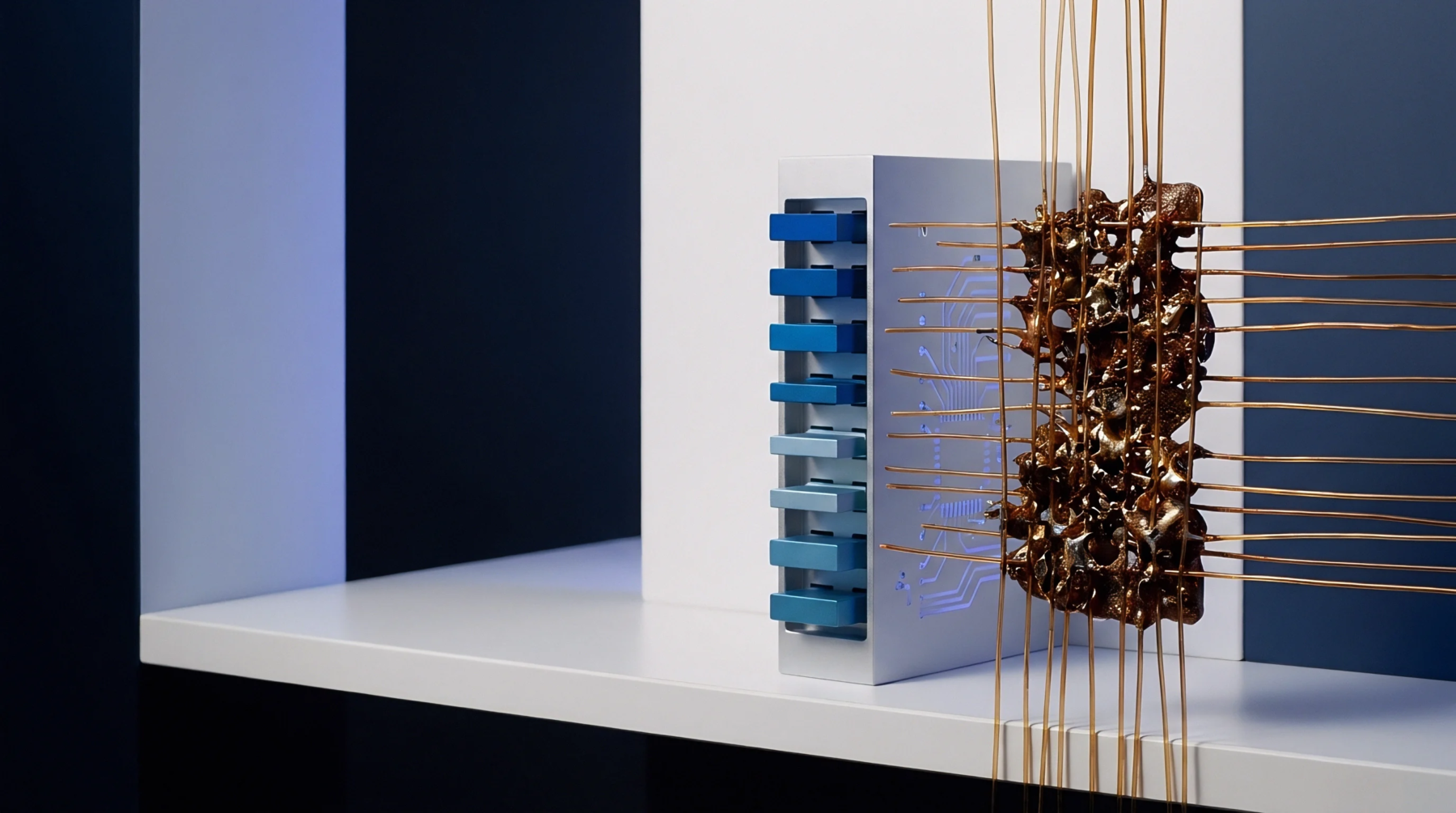
Isothermal solvent evaporation determination defines paste stencil life, rheological stability, and defect limits by tracking flux carrier loss over time.

High strain shear thinning reduces ultra fine paste viscosity during squeegee strokes, requiring rapid thixotropic yield recovery to prevent post print slump.
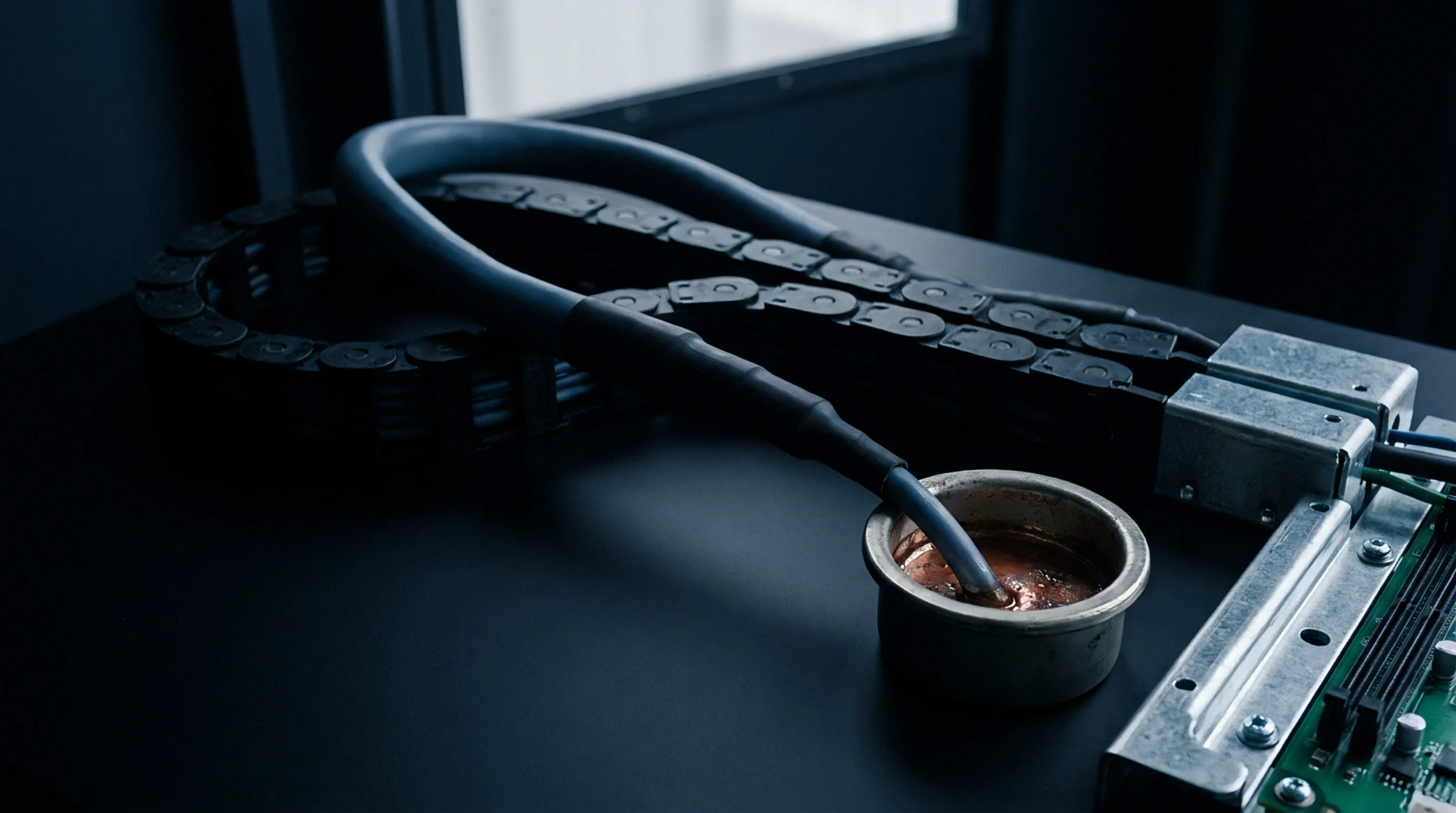
Thixotropic rebuild kinetics dictate stencil release and deposit stability, where tuning separation speed to viscosity recovery maximizes fine pitch print yield.
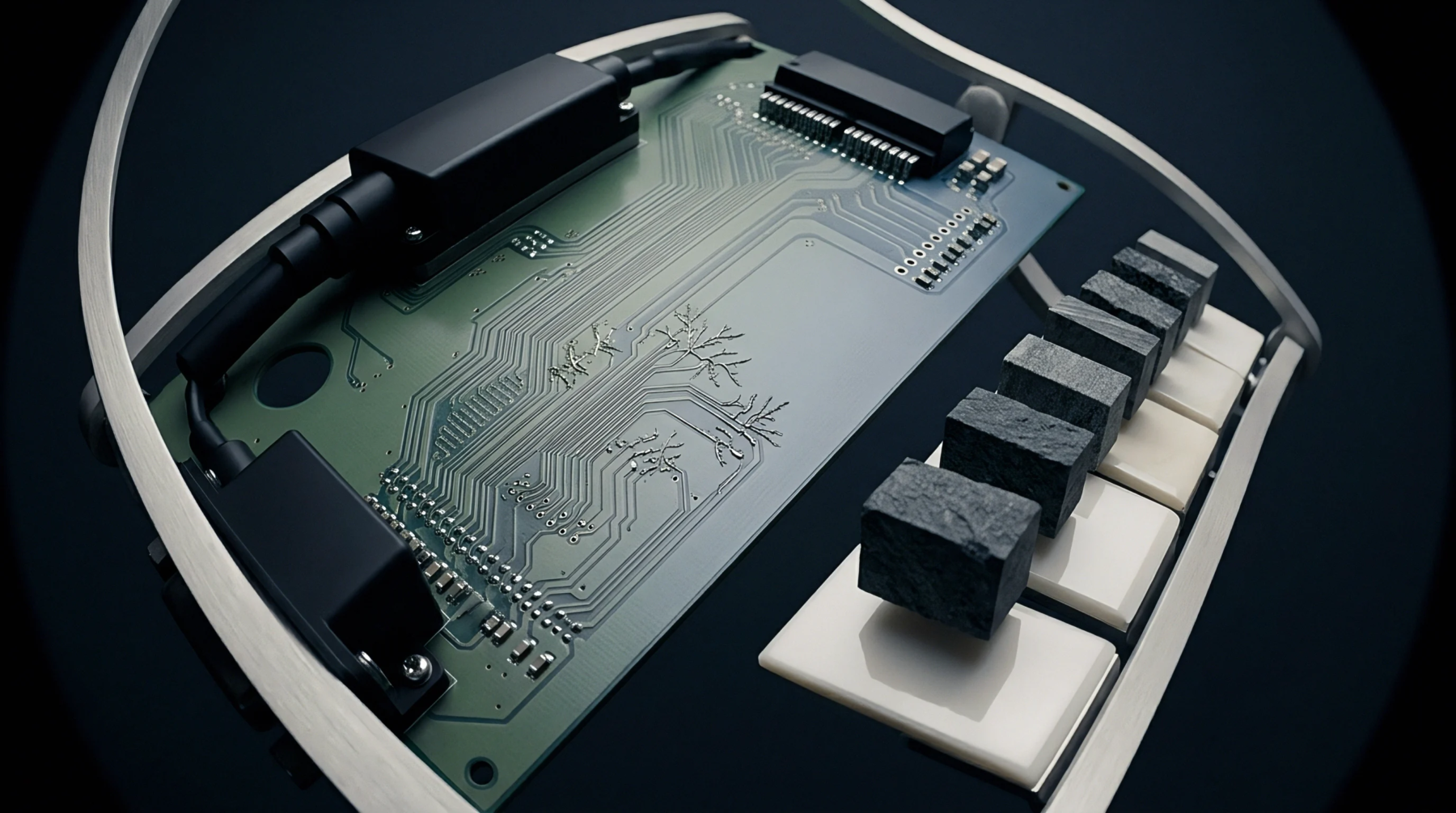
Excessive squeegee speed and downforce over-shear solder paste, reducing yield stress and causing severe deposit slump and bridging on fine-pitch components.
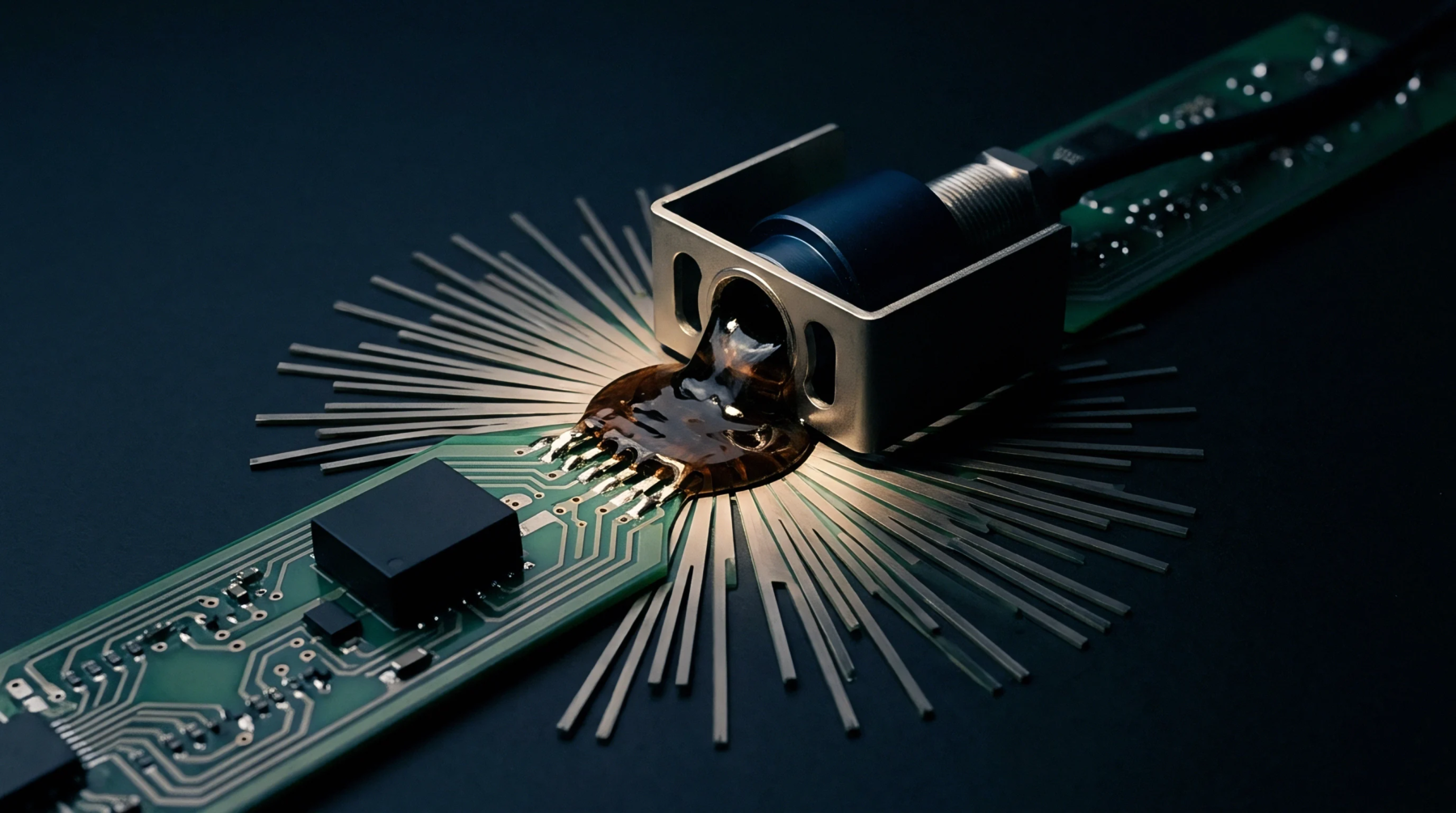
Oscillatory amplitude sweeps define solder paste structural yield points to guarantee accurate aperture filling and clean release on fine pitch stencils.

Verify SMT solder paste batches using Malcolm rotational viscometry and 3ITT rheology to prevent stencil slump, fine-pitch bridging, and volume transfer loss.
Non-Newtonian resin flow inside thin prepreg micro-channels governs void formation, trace displacement, and dielectric thickness stability during high-pressure lamination.
Expertise is a utility, not a secret. sentiention™ publishes its working knowledge as open reference: intelligence layer covering the materials it sources, the markets it enters, and the reference that serves both.