Separation Velocity
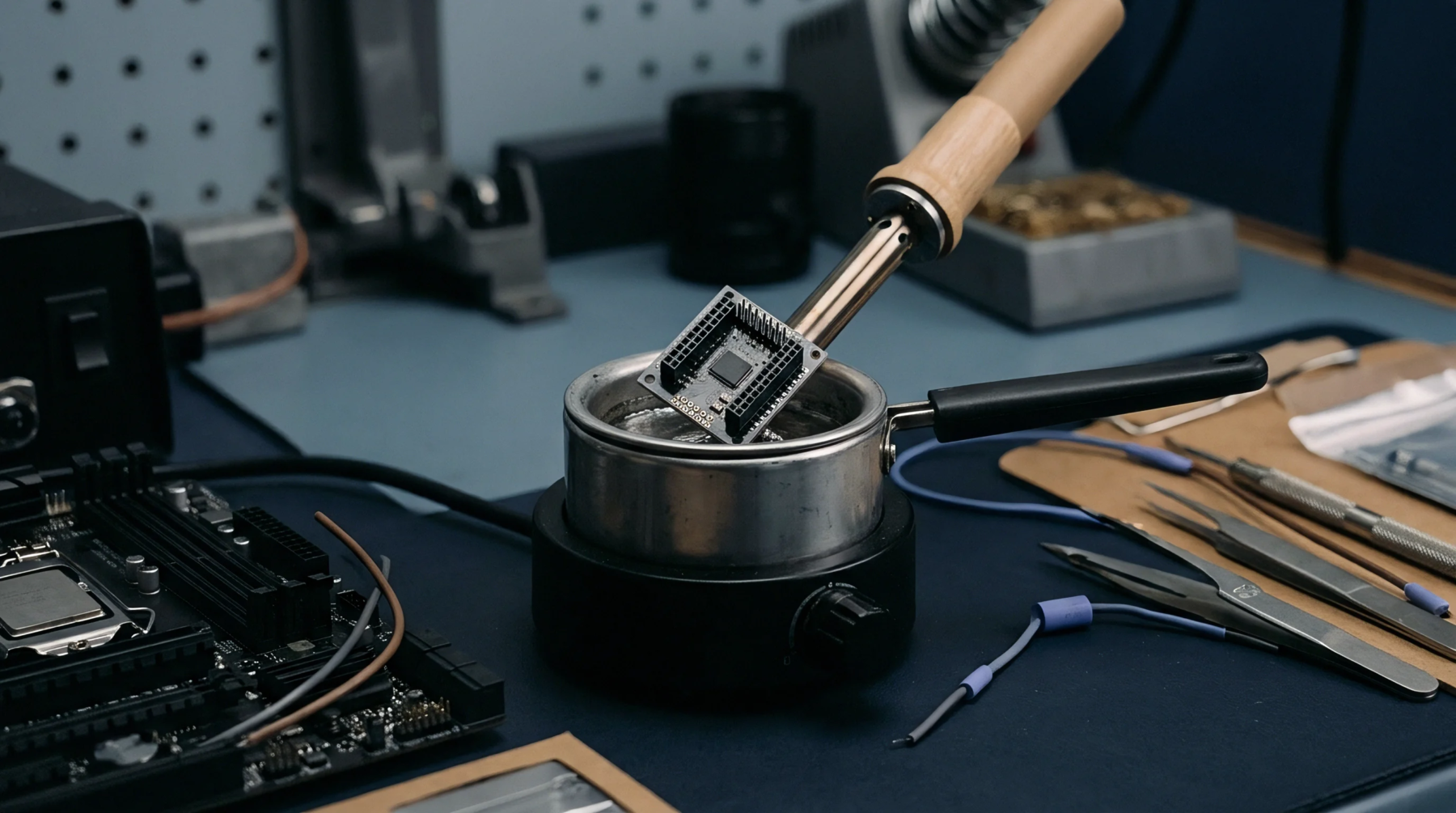
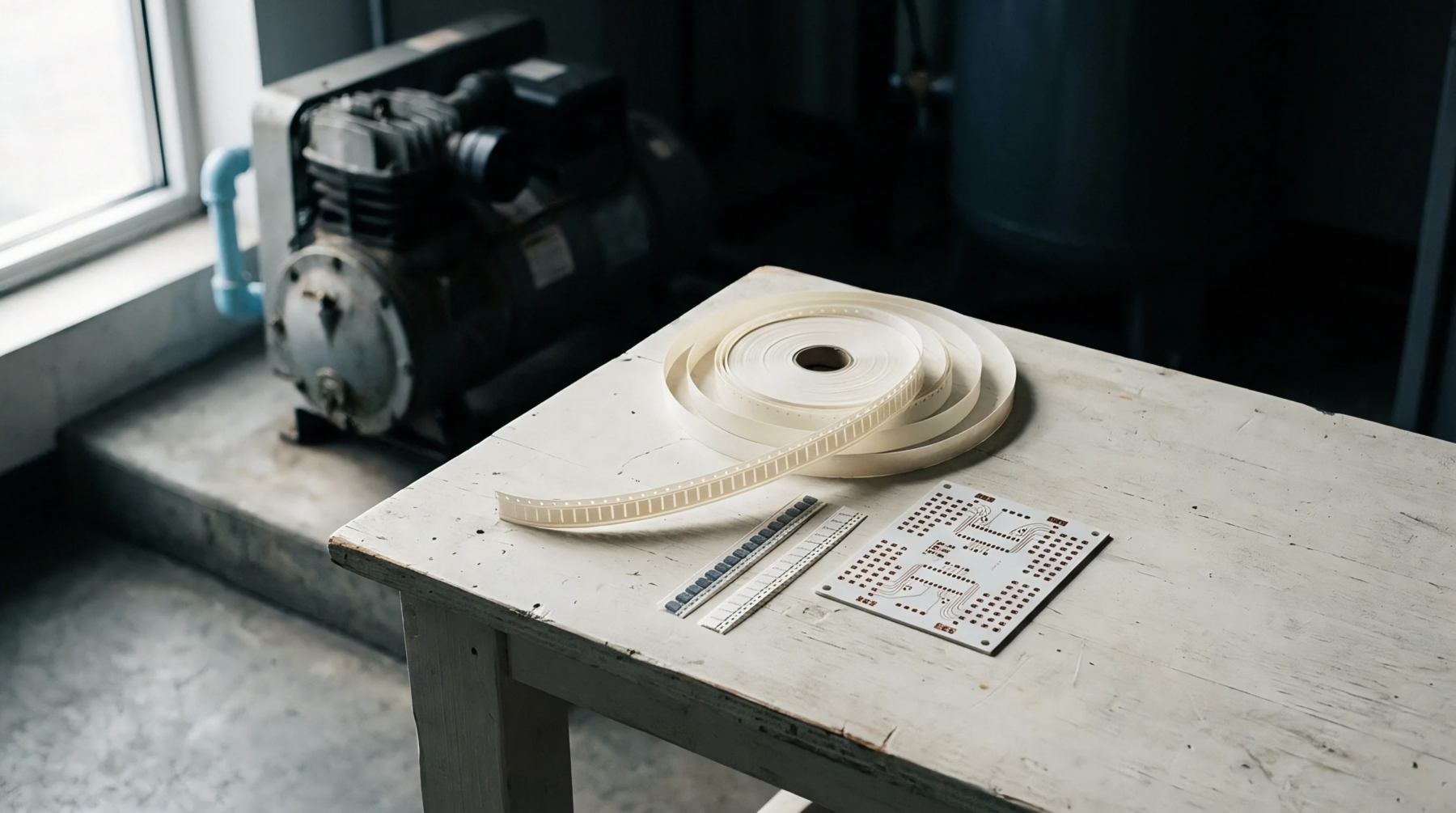
The movement of the stencil away from the printed circuit board surface defines the stroke profile during the solder paste release phase. Snap-off speed dictates the fluid mechanics of the paste transition from the aperture walls to the substrate copper pads. A slow initial withdrawal allows the paste to maintain its structure while the viscosity acts against the vacuum force created by the stencil thickness.
Rapid acceleration beyond this phase increases the likelihood of paste tearing or uneven deposit formation. Mechanical tension and surface energy between the paste and the metal board define the success of this detachment.
Release Dynamics
Variations in the lift rate directly influence the volume of material deposited within a single pad geometry. Increased velocity changes the shear stress applied to the solder paste, which often results in irregular edge definitions on the PCB pads. Consistency in the motor control system prevents intermittent bridging or insufficient solder joints that appear after reflow.
Programmable axes on modern screen printers permit granular adjustments to this parameter to compensate for different board topographies. Small adjustments to the motion curve minimize the impact of stencil aperture friction on the resulting print quality.
Process Constraint
Calibration of the separation movement remains restricted by the physical properties of the solder alloy and the flux medium. High aspect ratio apertures require a slower velocity to ensure complete paste release without leaving residual material inside the stencil openings. Environmental humidity and ambient temperature shift the rheological response of the printing medium, necessitating periodic verification of the printer settings.
Excessive force during the vertical lift cycle introduces positional shift or smearing of the deposit across the solder mask. Correct timing of the snap-off sequence ensures the final assembly achieves consistent volume repeatability across large manufacturing batches.