Solder Paste Transfer Efficiency Mechanics in Fine Pitch SMT Assembly
Solder paste transfer efficiency relies on stencil area ratio, wall roughness, and separation velocity to achieve repeatable deposit volumes in fine pitch SMT.
Solder paste transfer efficiency relies on stencil area ratio, wall roughness, and separation velocity to achieve repeatable deposit volumes in fine pitch SMT.
Transfer efficiency below 0.66 area ratio hinges on paste yield stress and wall shear thinning, where oscillatory rheology separates printable lots from defects.
Optimizing solder paste rheology and stencil aperture geometry achieves consistent paste transfer efficiency and minimizes volume dispersion on fine pitch SMT pads.

Type 5 solder pastes lower practical stencil area ratio limits from 0.66 down to 0.45 when paired with nanocoated or electroformed foils.
Aperture area ratios below 0.66 demand smooth sidewalls or nano-coatings to maintain 80 percent paste transfer efficiency.
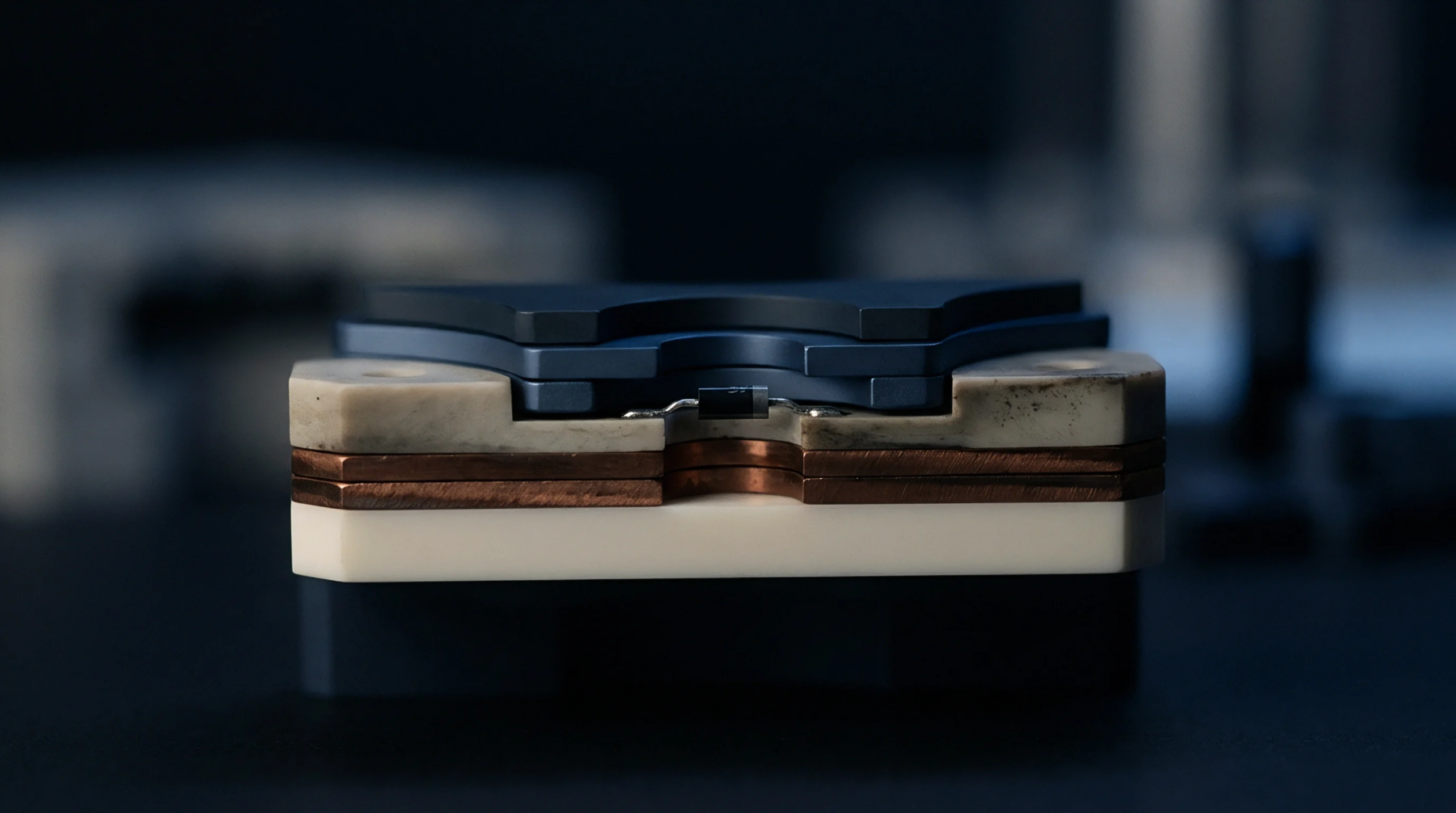
Micro-aperture solder paste transfer efficiency demands electroformed or nanocoated stencils, Type 5 powder, and strict 3D inspection controls below 0.55 area ratios.
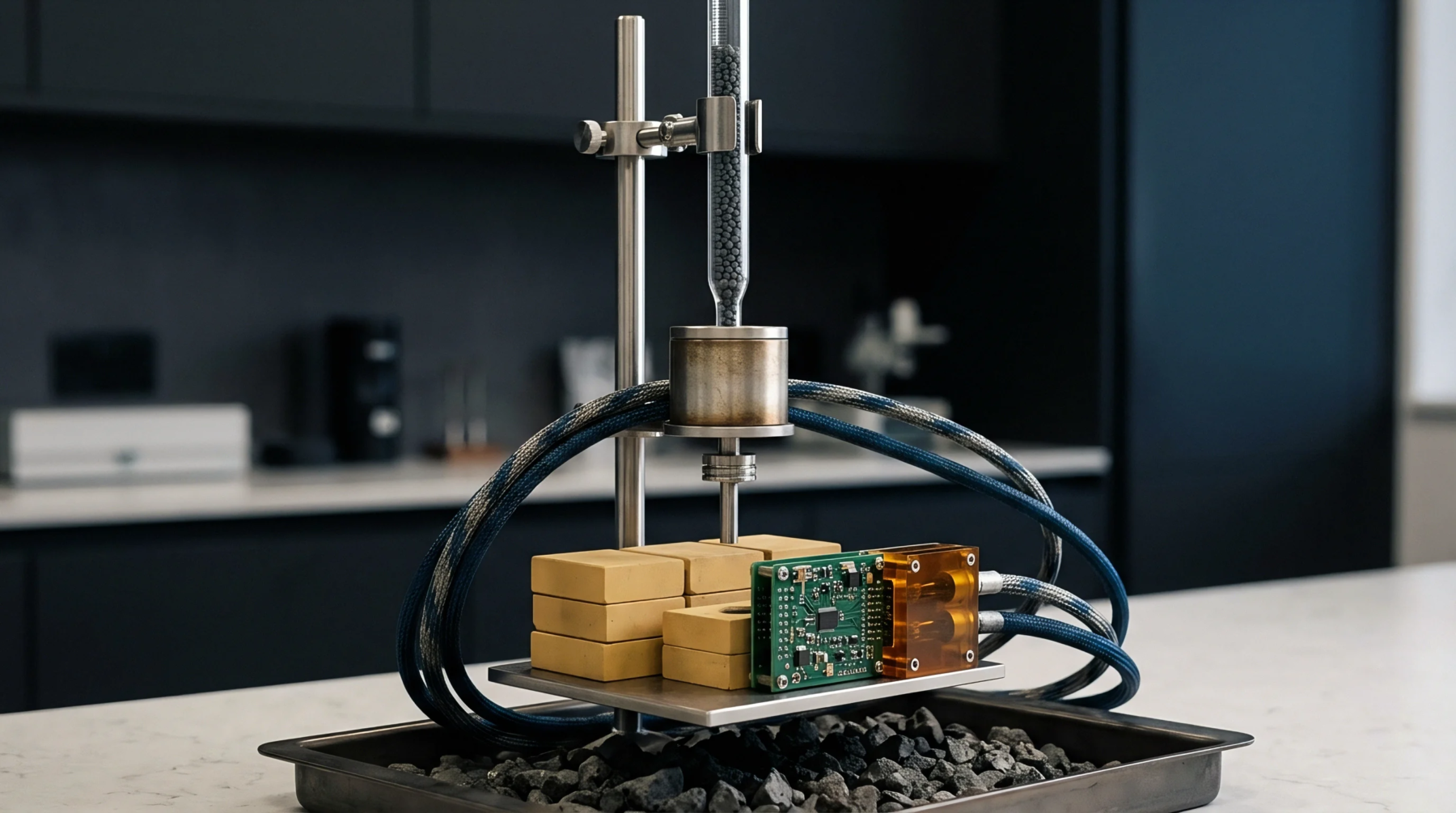
Optimize squeegee speed, separation rate, and aperture nanocoating to stabilize paste viscosity, maintain high transfer efficiency, and maximize SPI yields.

Fine pitch stencil printing stability drops sharply below 0.50 area ratio, requiring Type 5 powder, nano-coated apertures, and tight SPI volume limits.
Expertise is a utility, not a secret. sentiention™ publishes its working knowledge as open reference: intelligence layer covering the materials it sources, the markets it enters, and the reference that serves both.