Dynamic Viscosity Recovery Kinetics Governing Ultra Fine Pitch Aperture Release
Dynamic viscosity recovery kinetics dictate aperture release: rapid gelling causes paste pull-back, while delayed reconstitution causes post-print slump.
Dynamic viscosity recovery kinetics dictate aperture release: rapid gelling causes paste pull-back, while delayed reconstitution causes post-print slump.
Sub-0.5 area ratio stencils require Type 5 paste with fluoropolymer nanocoating to prevent wall friction sticking and maintain 80 percent transfer efficiency.
Balance squeegee load at 0.18 to 0.22 kilograms per centimeter to seal the foil without scooping, running velocity to sustain paste roll hydrodynamics.
Solder paste transfer efficiency relies on stencil area ratio, wall roughness, and separation velocity to achieve repeatable deposit volumes in fine pitch SMT.
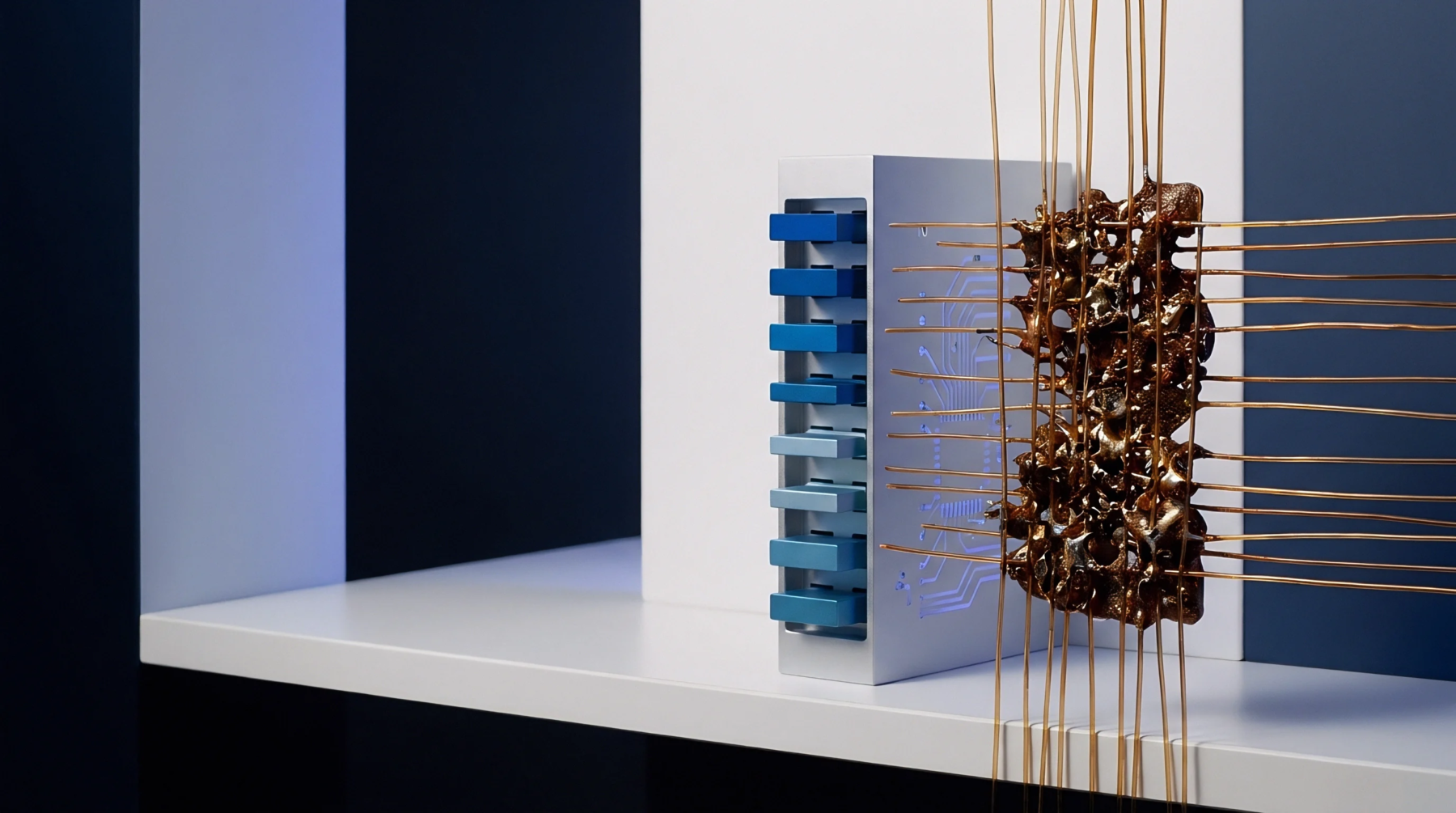
Transfer efficiency below 0.66 area ratio hinges on paste yield stress and wall shear thinning, where oscillatory rheology separates printable lots from defects.
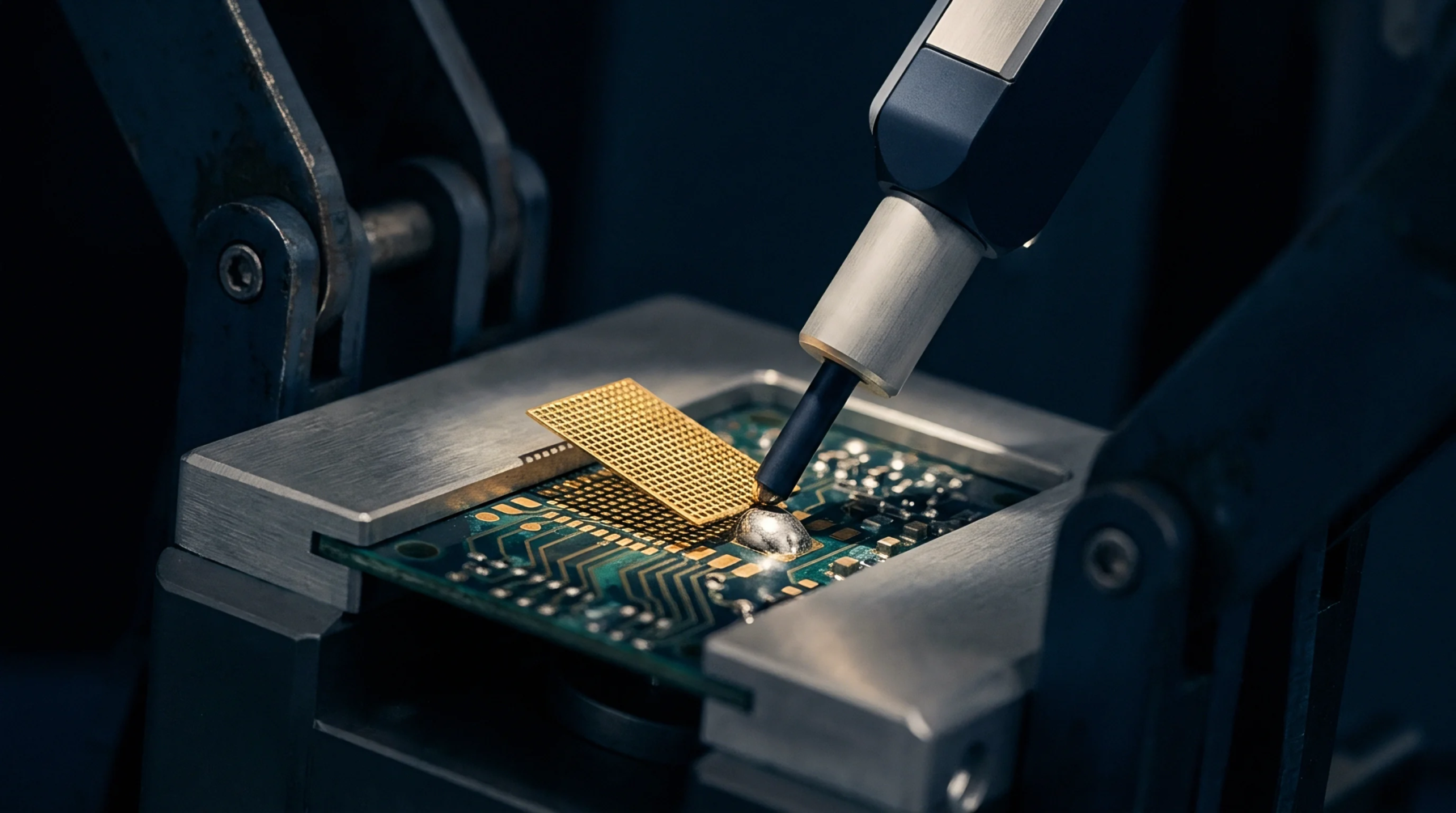
Sub-0.50 area ratio printing requires non-Gaussian statistical process control limits, Type 5 paste, and nano-coated stencils to prevent severe volume starvation.
Aperture area ratios below 0.66 demand electroformed foils, covalent nanocoatings, or Type 5 solder paste to maintain acceptable volumetric transfer efficiency.
Optimizing solder paste rheology and stencil aperture geometry achieves consistent paste transfer efficiency and minimizes volume dispersion on fine pitch SMT pads.
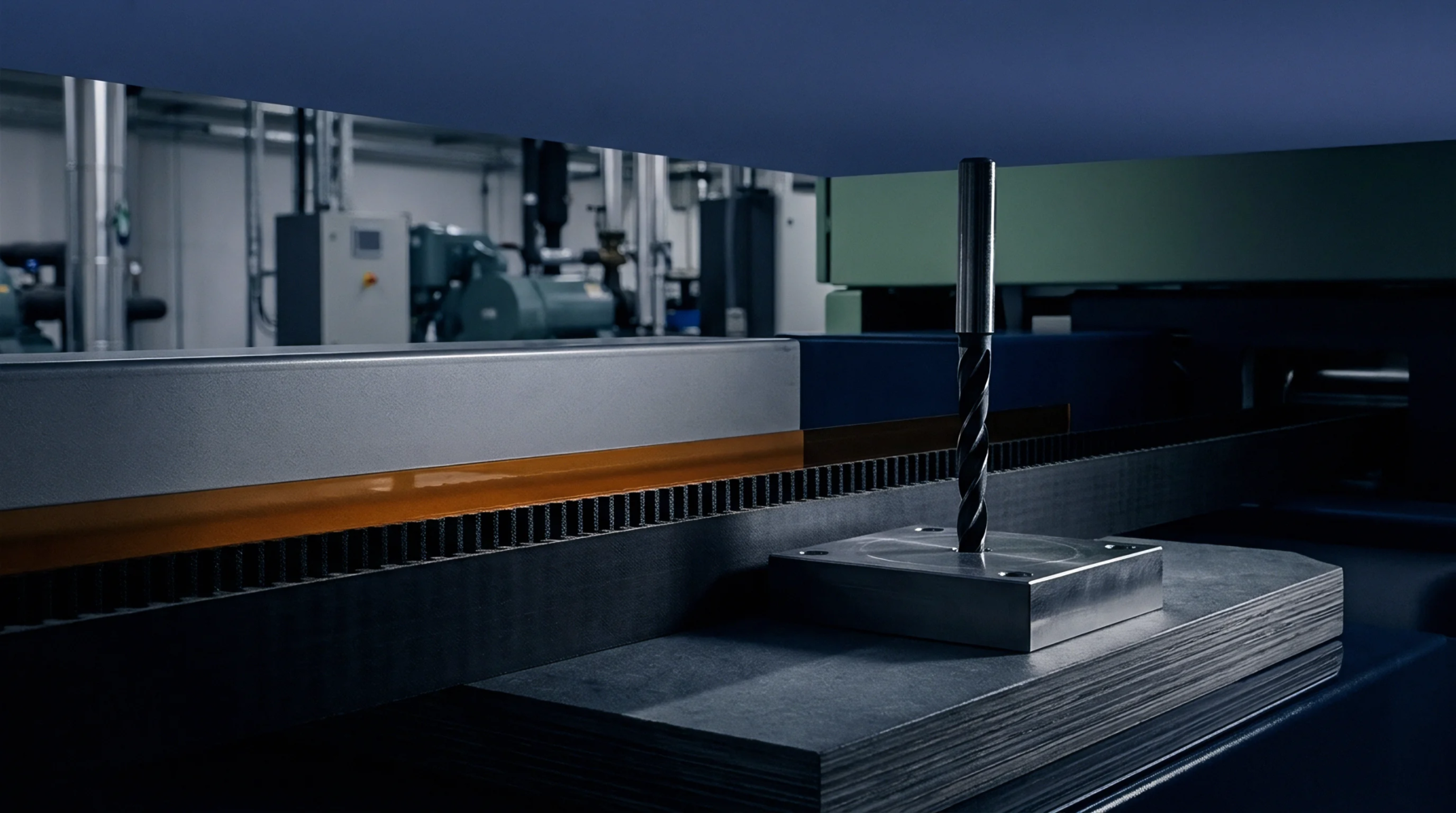
Dynamic oscillatory rheometry defines solder paste linear viscoelastic limits to predict aperture release, post-print slump, and fine-pitch bridging.
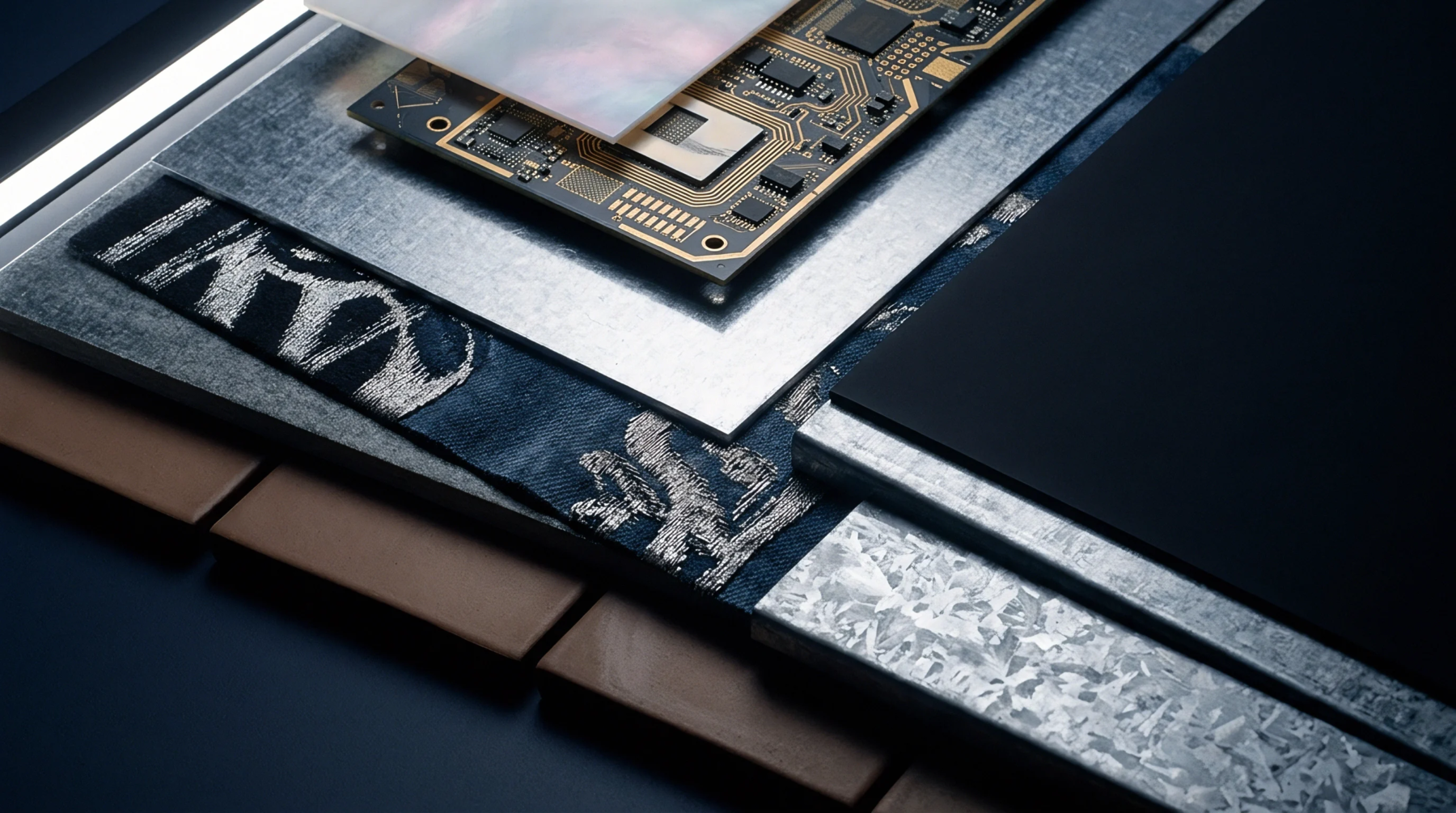
Micro BGA defect control requires qualifying stencil transfer efficiency, constraining machine placement landing force, and verifying joints via 3D laminography.

Baseline verification of incoming solder paste requires verifying transit thermal logs, measuring malcom viscosity, and checking powder oxide limits.

Matching paste particle size and viscosity to stencil area ratio maintains stable transfer efficiency above 80 percent on fine-pitch components.
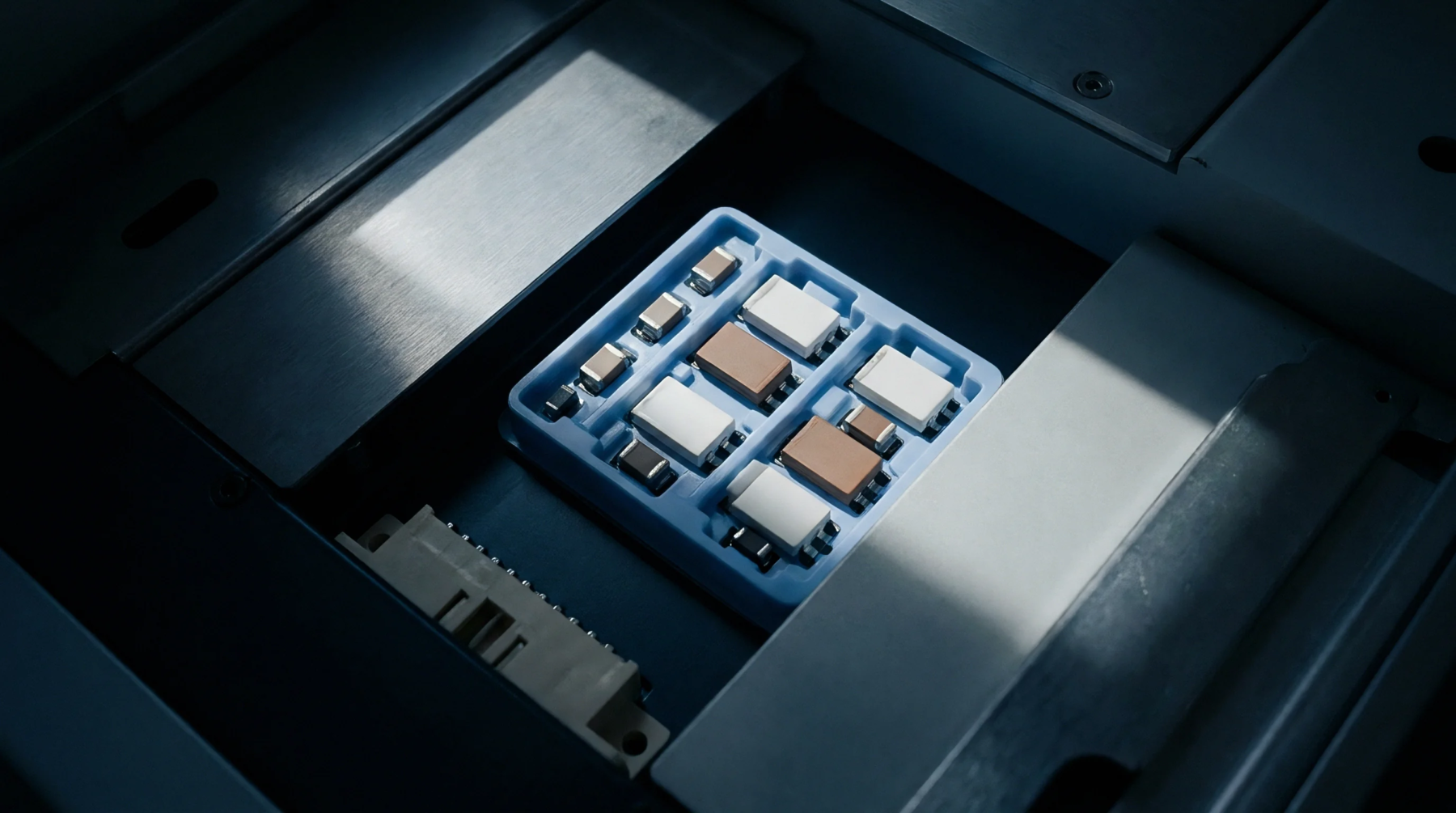
Optimizing solder paste rheology and stencil area ratios above 0.66 drives transfer efficiency stability and eliminates fine-pitch assembly defects.
Expertise is a utility, not a secret. sentiention™ publishes its working knowledge as open reference: intelligence layer covering the materials it sources, the markets it enters, and the reference that serves both.