
Statistical Process Control of Solder Paste Transfer Efficiency in High Density Assembly
Optimize solder paste transfer efficiency in high-density SMT using 3D SPI control charts targeting a Cpk above 1.67 across sub-0.4mm pitch components.
Optimize solder paste transfer efficiency in high-density SMT using 3D SPI control charts targeting a Cpk above 1.67 across sub-0.4mm pitch components.

Upper control boundaries for bottom terminated component voiding balance three-sigma statistical process limits against thermal junction impedance margins.

Statistical control limits for SMT inspection must reflect actual equipment variance rather than specification bands to prevent scrap and rework.
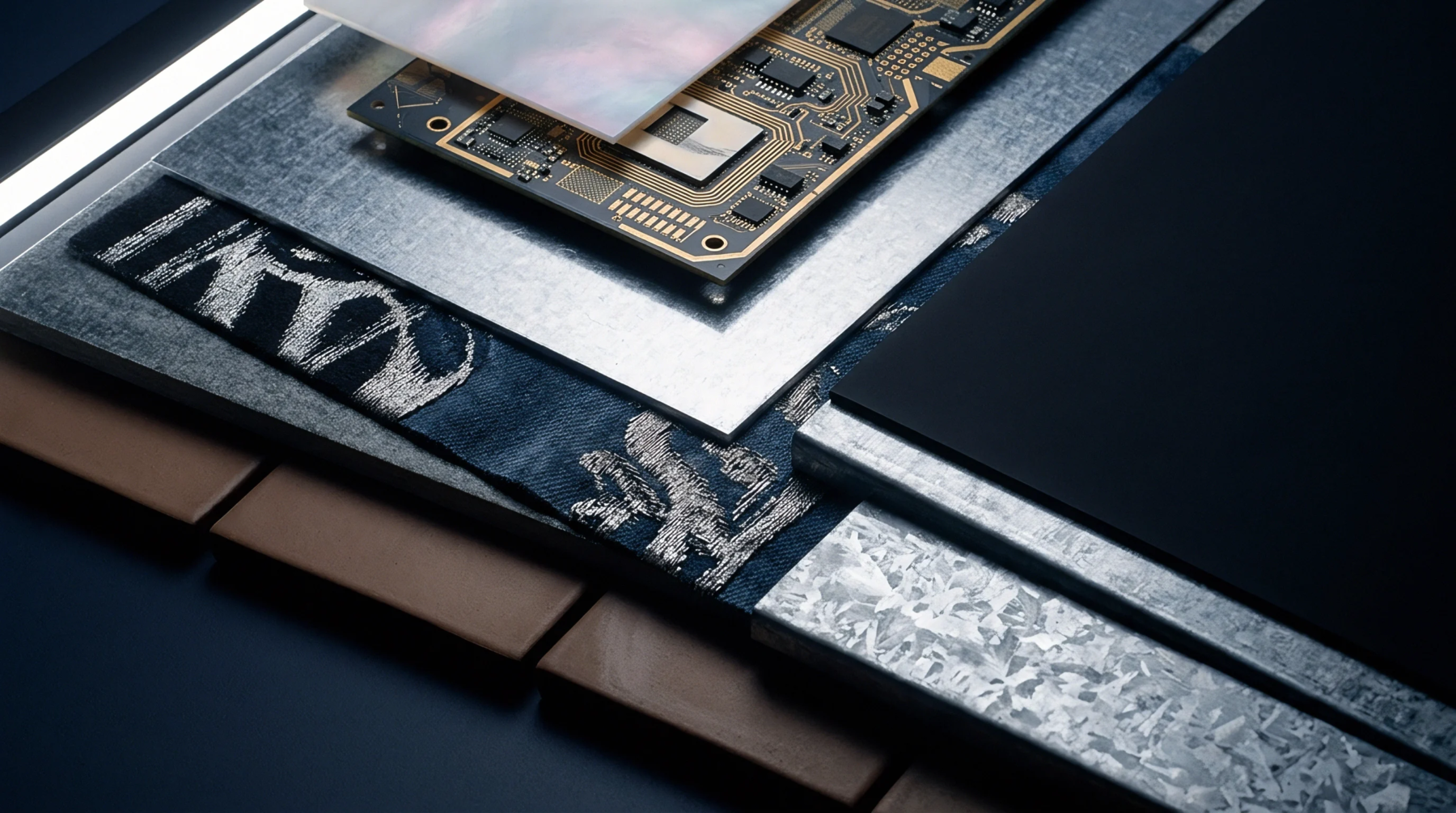
Track solder paste transfer efficiency standard deviation to set statistical process limits that trigger stencil re-coating before yield collapses.
Aperture area ratios below 0.66 demand smooth sidewalls or nano-coatings to maintain 80 percent paste transfer efficiency.

Auditing test point density and pogo pin degradation prevents false yield loss and controls field escape rates in high-density board production.

Inline X-ray system re-qualification relies on statistical limits derived from detector drift and grey-scale stability rather than arbitrary time intervals.
Automated inspection hold triggers halt surface mount lines on consecutive statistical defects, preventing costly scrap propagation and hidden interconnect failure.

Automated optical and X-ray line qualification holds enforce physical line stops, lot containment, and statistical re-proof before production can resume.
Expertise is a utility, not a secret. sentiention™ publishes its working knowledge as open reference: intelligence layer covering the materials it sources, the markets it enters, and the reference that serves both.