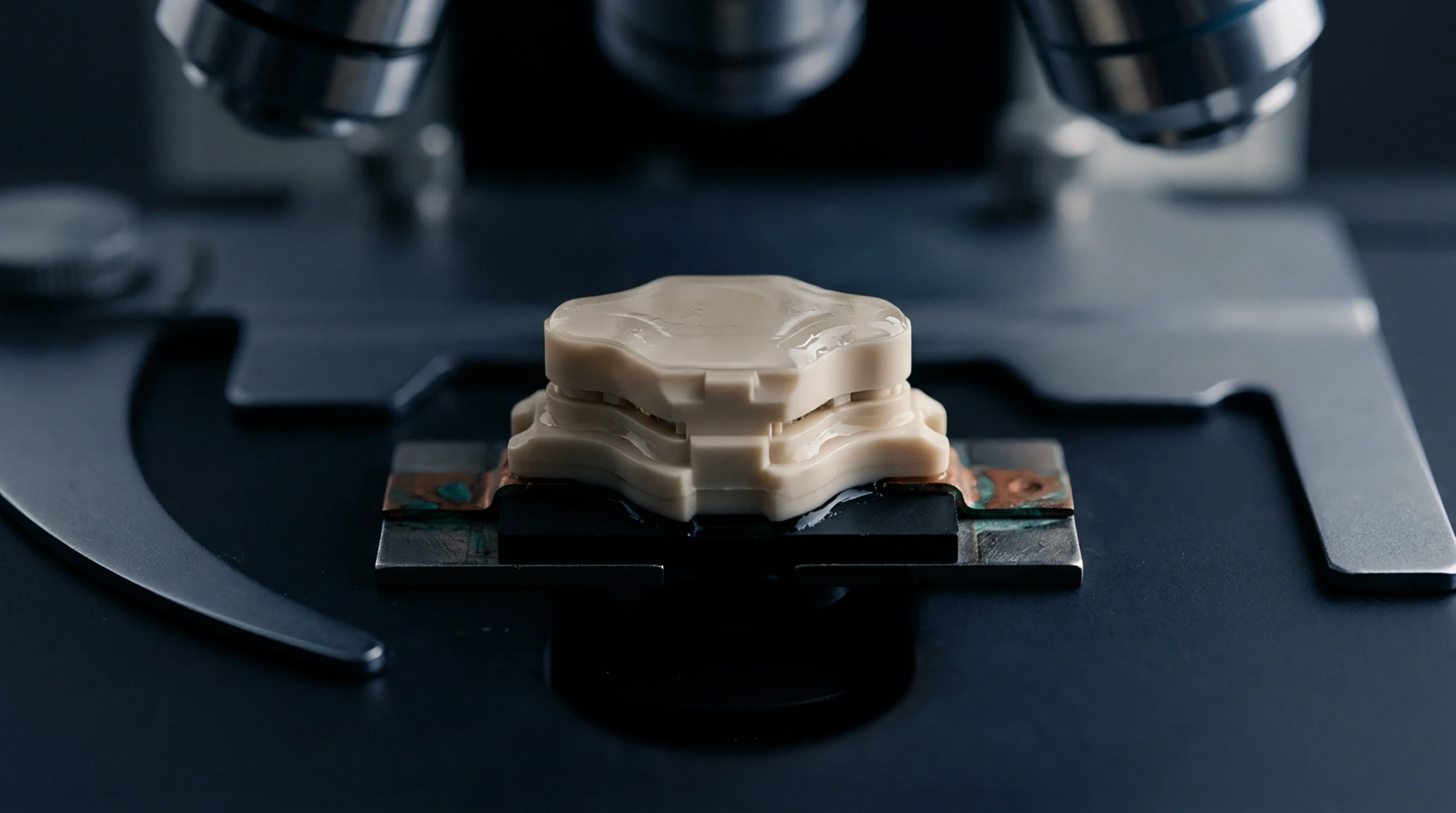
Establishing Baseline Stencil Aperture Ratios for Fine Pitch SMT
Establishing baseline stencil aperture ratios above 0.55 ensures consistent paste transfer efficiency and prevents post-reflow solder defects.
Establishing baseline stencil aperture ratios above 0.55 ensures consistent paste transfer efficiency and prevents post-reflow solder defects.

Parallel plate oscillatory strain sweeps validate high-speed deposit release by measuring storage modulus breakdown and yield stress thresholds.

Analytical thermal screening of SMT feeders eliminates component pick-point drift, reducing high-speed line mispicks and preserving IPC-A-610 placement margins.

IEEE 1149.6 boundary scan overcomes DC blocking in high speed differential pairs by evaluating edge transition pulses across embedded capacitive decoupling networks.

Unapproved component broker procurement voids contractual manufacturing liability caps, exposing assembly partners to full rework and recall costs.

Upper bound financial liability in high-density surface mount assembly depends on contract caps that separate labor processing fees from bill-of-materials scrap limits.

Excessive squeegee speed and downforce over-shear solder paste, reducing yield stress and causing severe deposit slump and bridging on fine-pitch components.

Matching paste particle size and viscosity to stencil area ratio maintains stable transfer efficiency above 80 percent on fine-pitch components.
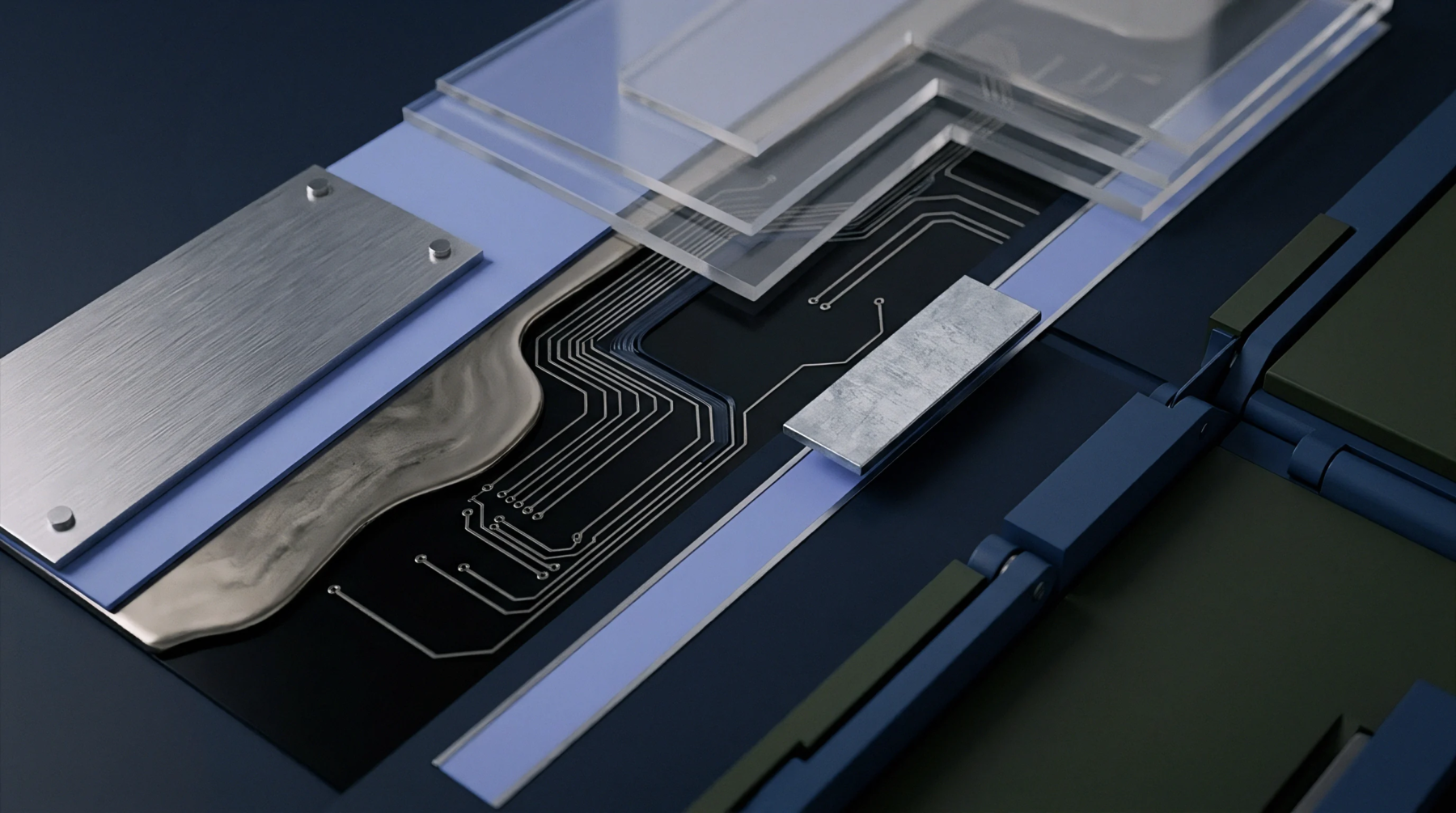
Exceeding component floor life limits risks catastrophic reflow popcorning; restore parts via J-STD-033 validated bake profiles before surface mount assembly.
Expertise is a utility, not a secret. sentiention™ publishes its working knowledge as open reference: intelligence layer covering the materials it sources, the markets it enters, and the reference that serves both.