
In-Circuit Test Fixture Strain Rate Transformation and Boundary Qualification
Dynamic strain rate transformation during fixture actuation verifies mechanical compliance against IPC-9704 limits before structural testing begins.
Dynamic strain rate transformation during fixture actuation verifies mechanical compliance against IPC-9704 limits before structural testing begins.

Fine pitch SMT inspection requires combining 3D optical profilers with boundary scan and automated X-ray gates to catch hidden solder escapes before field deployment.

Partial nodal access models predict field escapes by multiplying baseline DPMO against unprobed structural and functional coverage gaps across dense nets.

Boundary scan integration replaces physical test points with silicon registers, securing structural fault coverage on high density circuit assemblies.
Quantifying component change masking in multi-tier assemblies requires sensitivity matrix formulation, thermal transient screening, and interface nodal access audits.
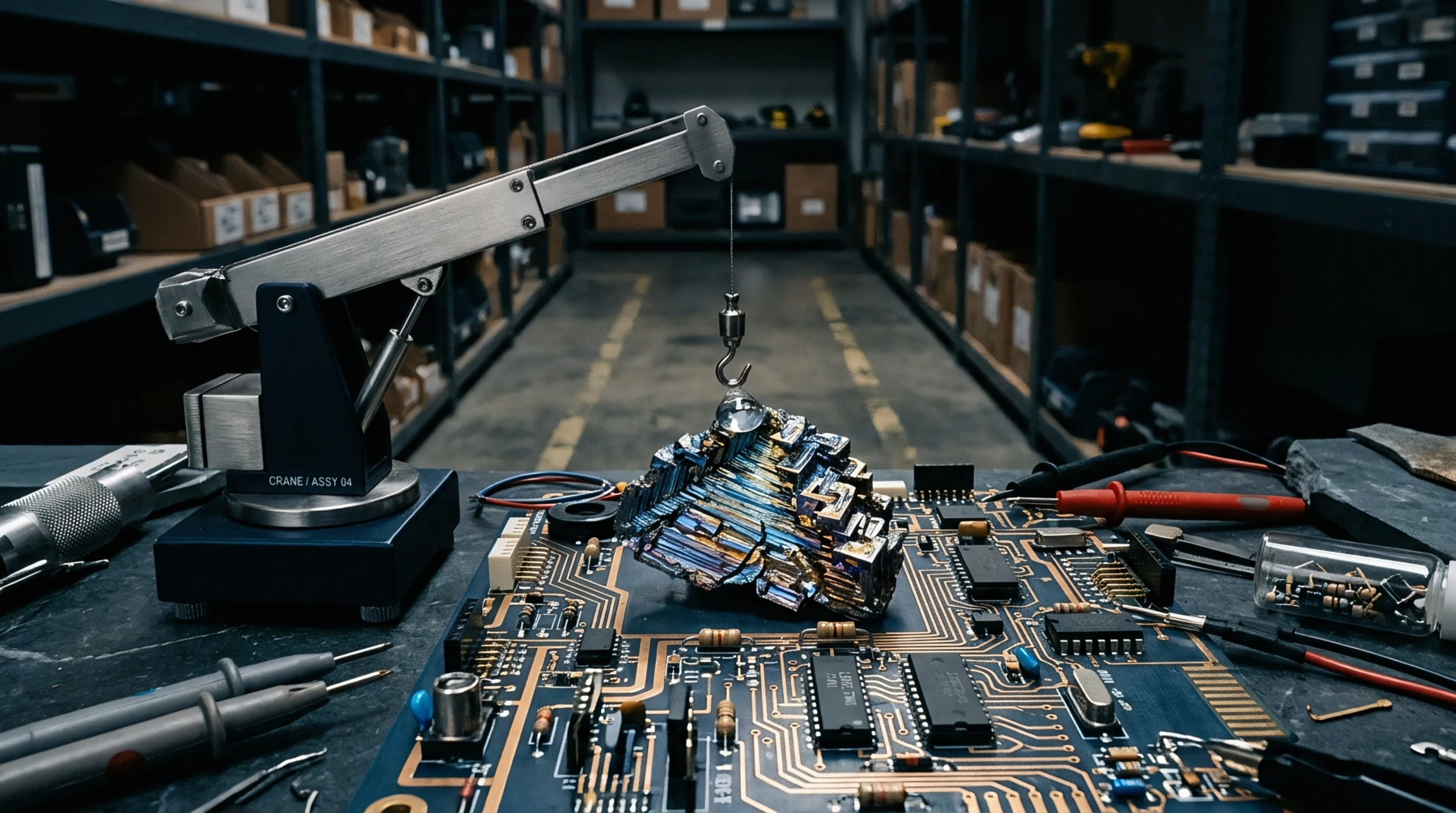
IEEE 1149 boundary scan delivers direct structural fault coverage on dense BGAs without physical probes by shifting test vectors through standardized internal chip logic.

Deriving boundary scan coverage for high-density ASIC arrays requires precise accounting of scannable versus un-scannable nets to prevent costly field escapes.

Test point geometry and access density directly dictate structural fault coverage, fixture expense, signal integrity, and field escape liabilities across production batches.

Combining IEEE 1149.1 boundary scan with targeted flying probe access closes logic cluster fault gaps while protecting net integrity and lowering unit test time.

Boundary scan coverage limits depend on physical net topology, requiring strict fault universe definitions to prevent un-tested node escapes in populated assemblies.

Linking assembly liability to landed unit cost when nodal access drops below baseline protects buyers from unprobed circuit escape losses.
Expertise is a utility, not a secret. sentiention™ publishes its working knowledge as open reference: intelligence layer covering the materials it sources, the markets it enters, and the reference that serves both.