Process Density
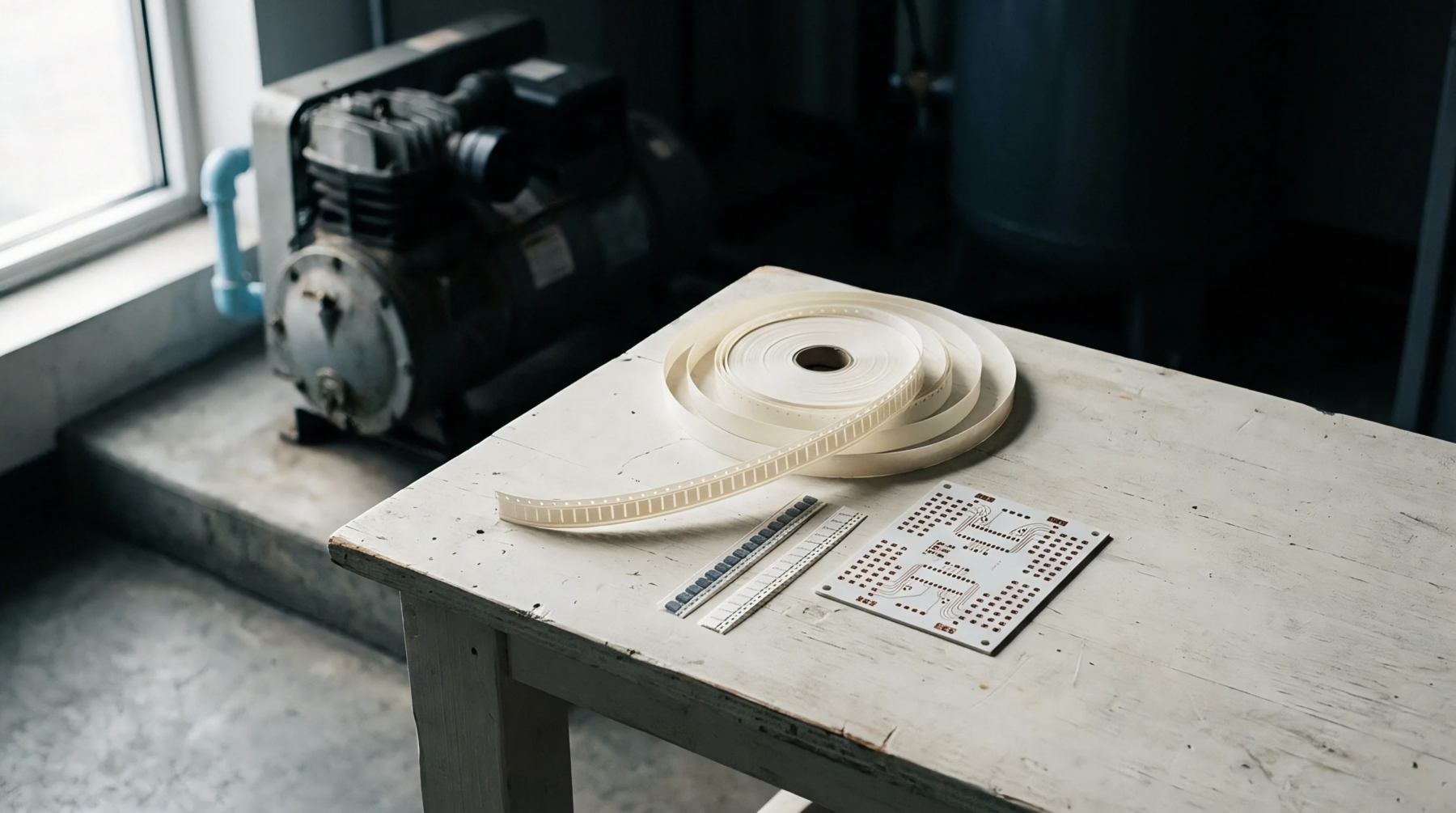
Component geometry governs the assembly domain where fine pitch SMT positions miniaturized leads across constrained landing pads. Surface mount technology relies on accurate solder paste deposition because microscopic clearances leave no margin for volumetric error. Stencil aperture design dictates the exact release of alloy material onto copper pads during the print stroke.
Board fabrication tolerances interact directly with printing outcomes since warped laminates disrupt squeegee pressure uniformity. Defective prints undergo optical inspection to catch bridging or insufficient paste before placement machines drop components into wet deposits.
Placement Mechanics
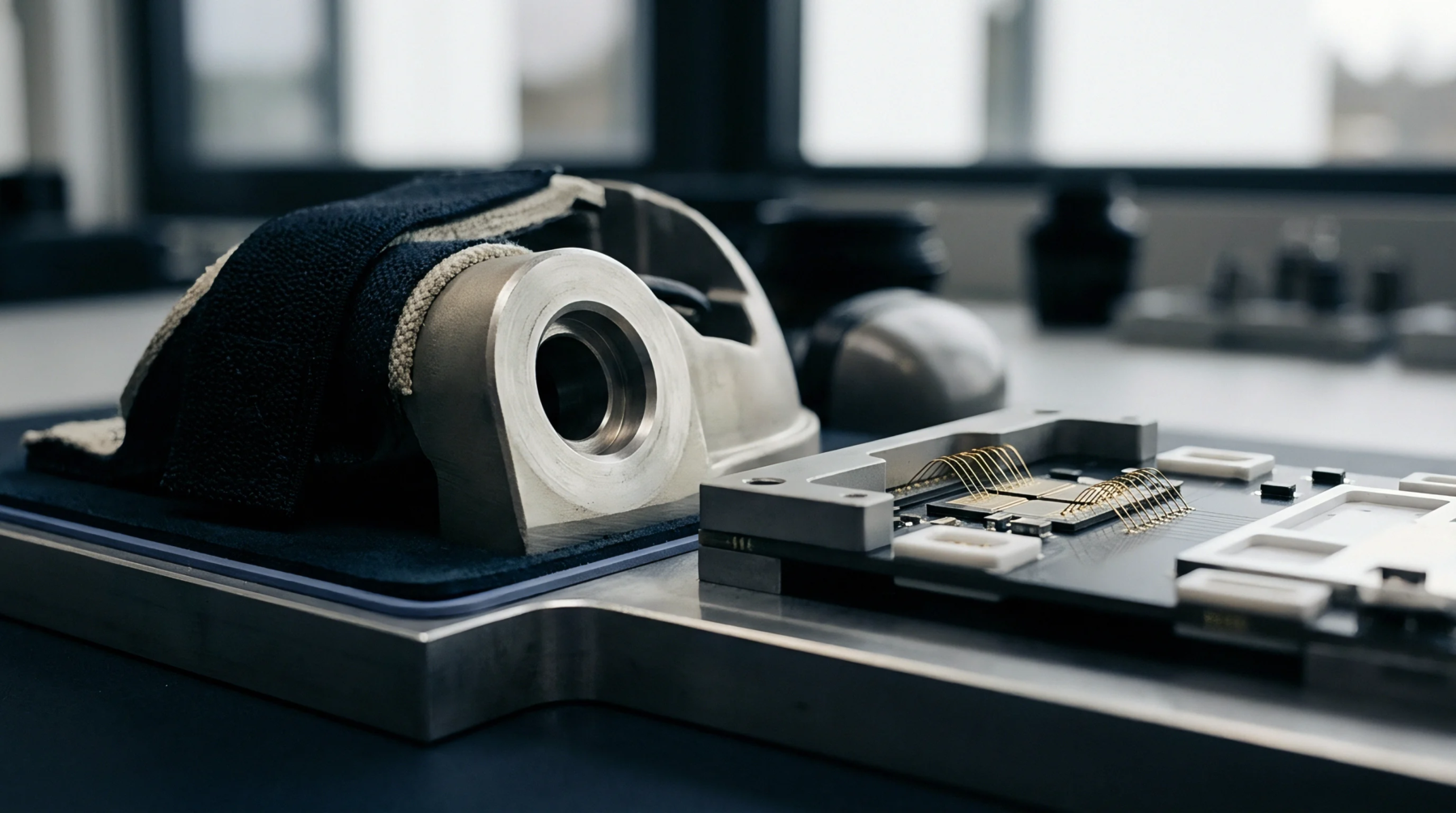
Vision alignment systems adjust component coordinates before high speed placement heads press fragile leads into printed solder paste. Machine kinematics dictate positioning repeatability across dense arrays where microprocessors and ball grid array packages demand sub micron precision. Thermal expansion mismatch during reflow heating creates shear stress on solidified joints if profile ramps exceed material limits.
Solder joints form intermetallic compounds as molten alloy reacts with pad metallization under controlled atmospheric zones. Automated x-ray inspection penetrates hidden solder connections beneath bottom terminated components to detect internal voiding that compromises structural integrity.
Defect Prevention
Process engineers monitor thermal profiles and paste viscosity to suppress common manufacturing anomalies like solder bridging or tombstoning. Solder bridging occurs when excessive paste volume collapses during reflow and connects adjacent pads, while tombstoning happens when uneven pad heating lifts one end of a passive component. Electrical test probes verify net continuity and resistance values on finished assemblies to isolate latent joint failures before final enclosure.
Quality control procedures govern scrap rates and rework criteria to maintain operational yield across high volume production lines. Finished circuit boards achieve long term reliability when assembly parameters respect physical limits dictated by miniaturized component architecture.