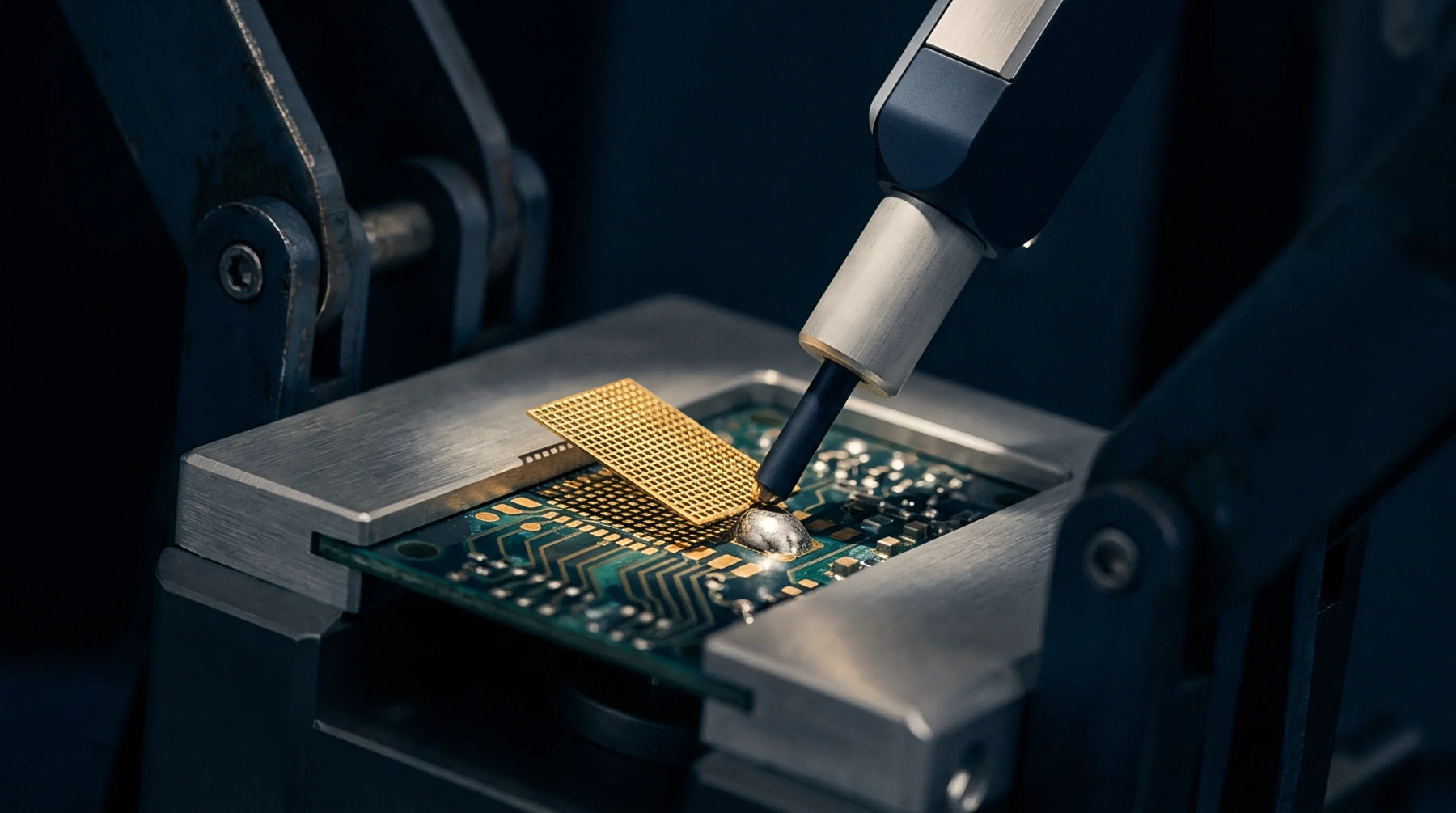
Optimizing IEEE 1149.1 Boundary Scan Register Architectures in High Density System Layouts
Partitioning boundary scan registers into parallel sub-chains cuts test vector execution time while maintaining high fault coverage on dense boards.
Partitioning boundary scan registers into parallel sub-chains cuts test vector execution time while maintaining high fault coverage on dense boards.

Managing parasitic phase jitter in boundary scan fixtures requires interleaved ground probes, damped trace terminations, and controlled clock edge rates.

Boundary scan integration replaces physical test points with silicon registers, securing structural fault coverage on high density circuit assemblies.

Selecting boundary cells matching pin drive requirements enables full interconnect fault coverage and prevents system logic corruption during shift sequences.

IEEE 1149 boundary scan delivers direct structural fault coverage on dense BGAs without physical probes by shifting test vectors through standardized internal chip logic.
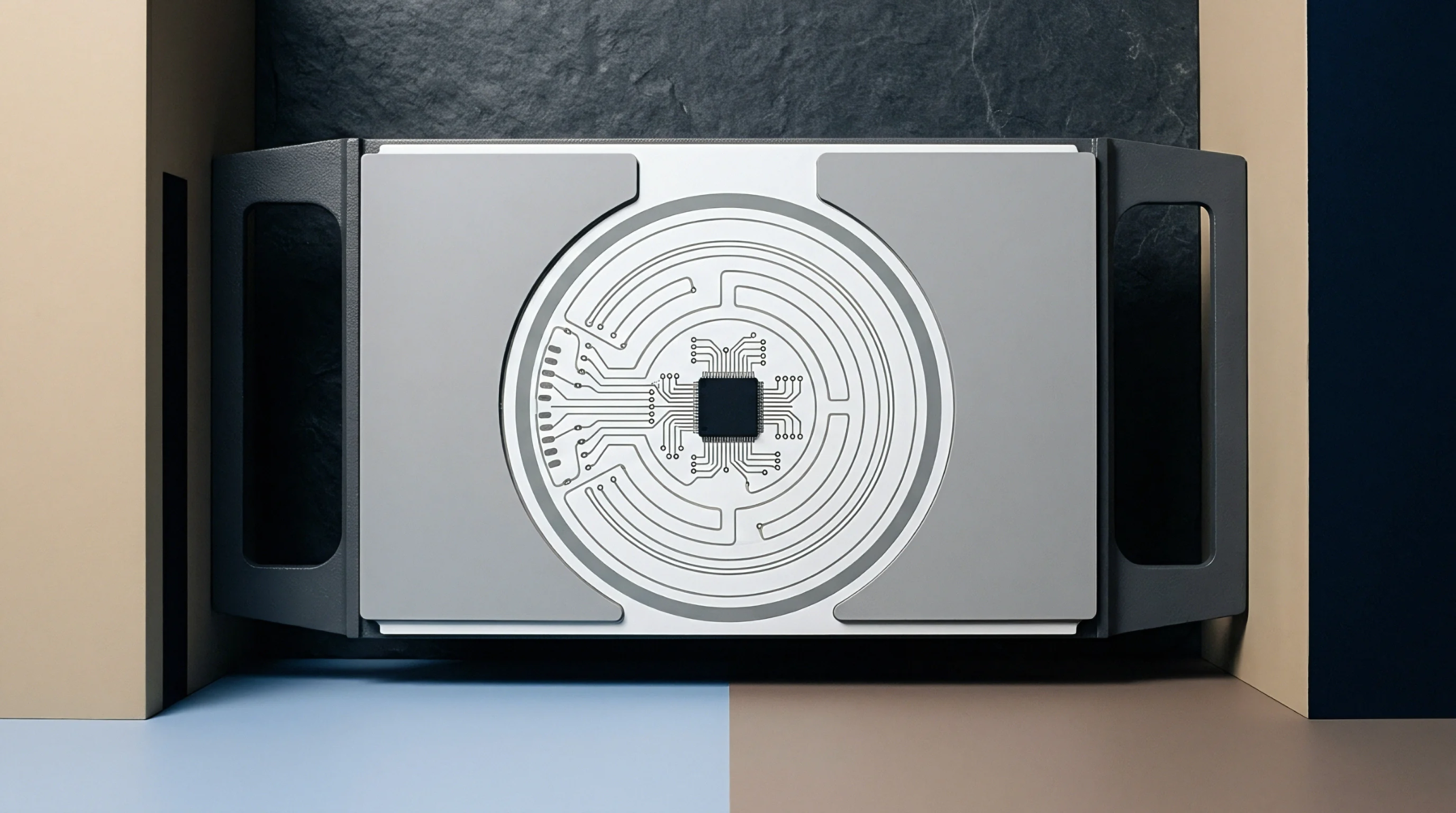
Deriving boundary scan coverage for high-density ASIC arrays requires precise accounting of scannable versus un-scannable nets to prevent costly field escapes.
Boundary scan test coverage calculations require explicit PCOLA-SOAMI net weighting to yield verifiable structural fault isolation in HDI board assemblies.

Boundary scan netlist coverage is bounded by physical TAP access, requiring explicit fault universe math to quantify unverified structural escape risks.
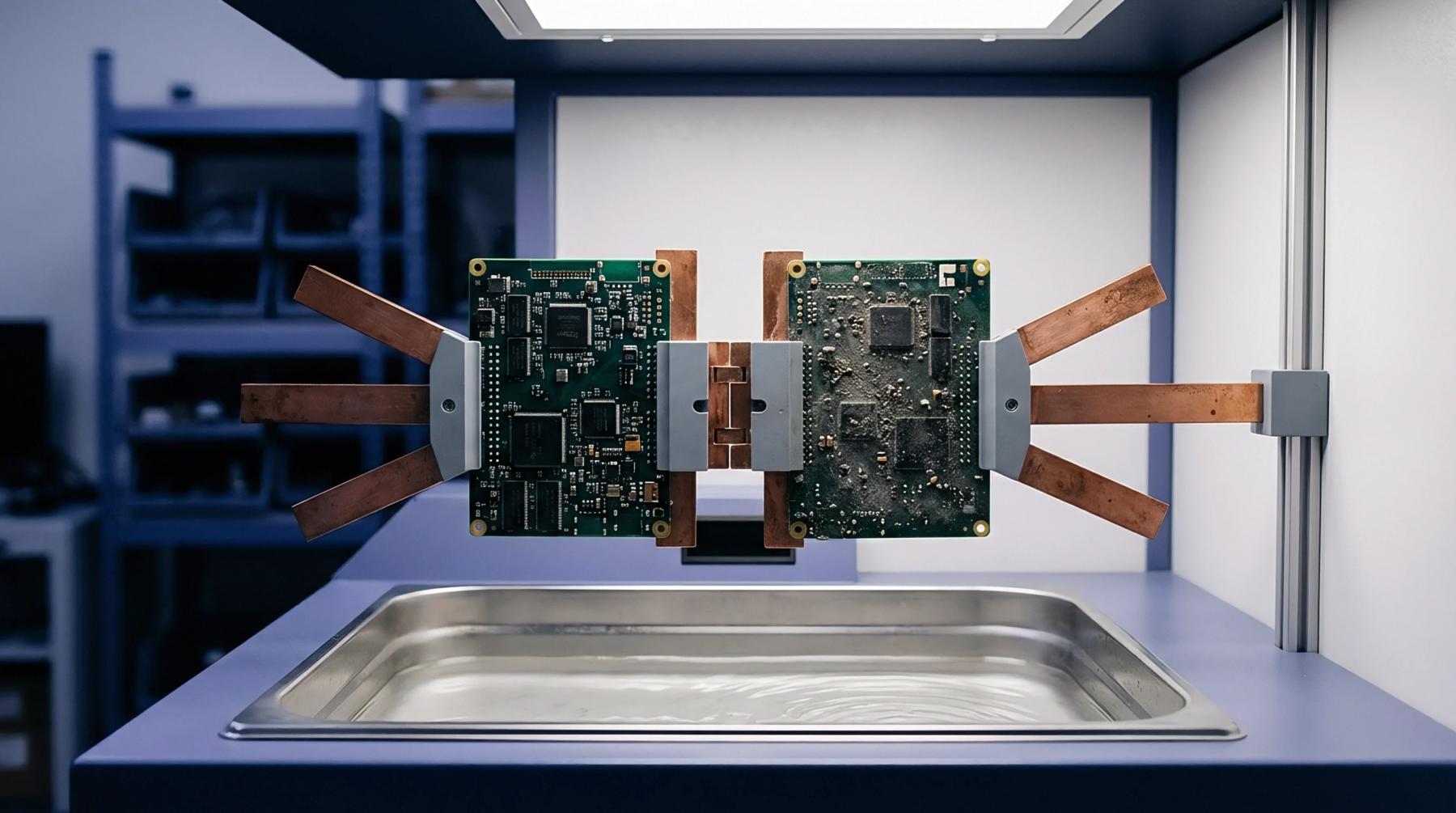
Boundary scan interconnect testing turns silicon multiplexers into virtual probes to verify fine-pitch BGA solder joints without physical test pads.
Expertise is a utility, not a secret. sentiention™ publishes its working knowledge as open reference: intelligence layer covering the materials it sources, the markets it enters, and the reference that serves both.