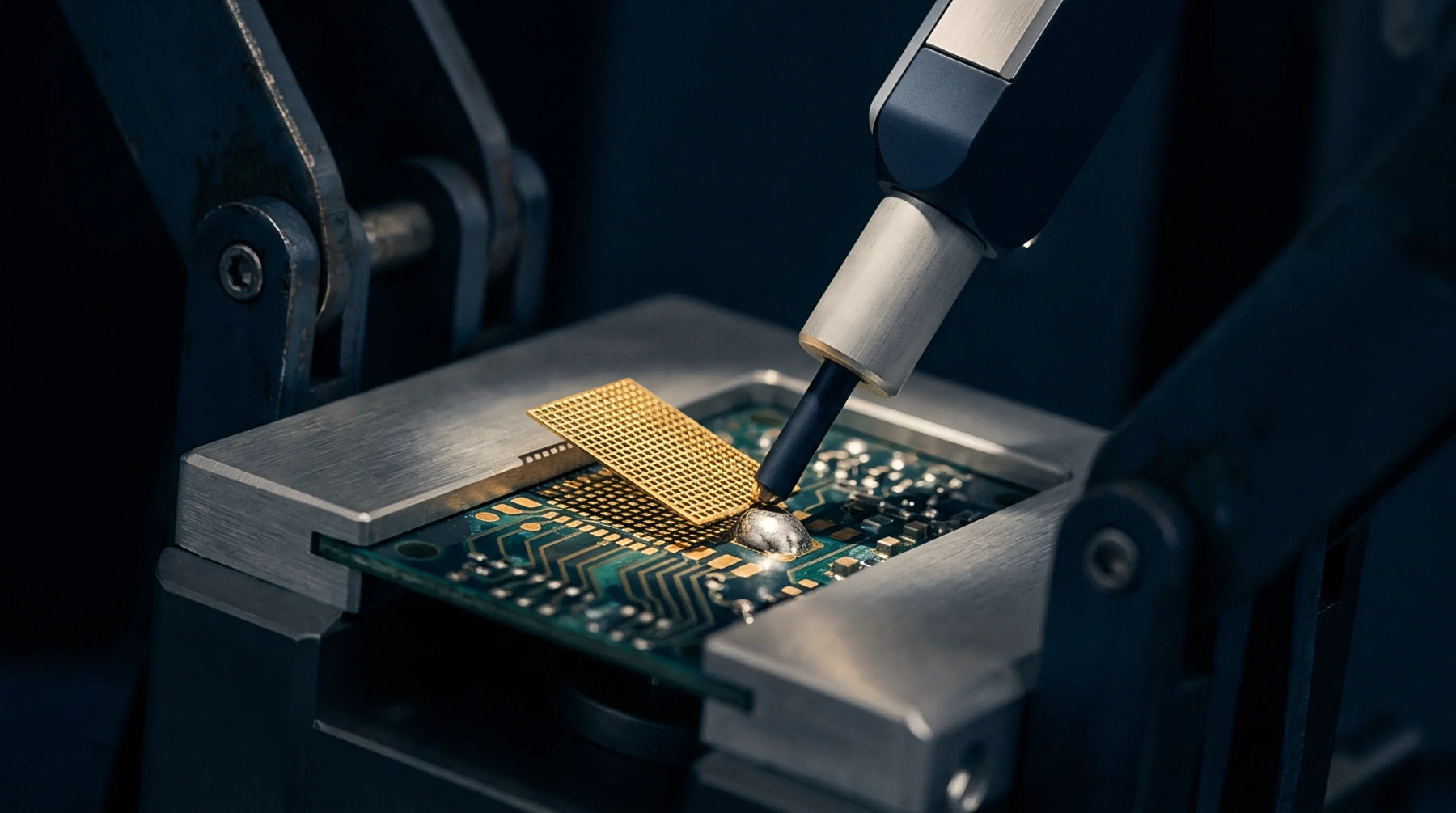
Optimizing IEEE 1149.1 Boundary Scan Register Architectures in High Density System Layouts
Partitioning boundary scan registers into parallel sub-chains cuts test vector execution time while maintaining high fault coverage on dense boards.
Partitioning boundary scan registers into parallel sub-chains cuts test vector execution time while maintaining high fault coverage on dense boards.
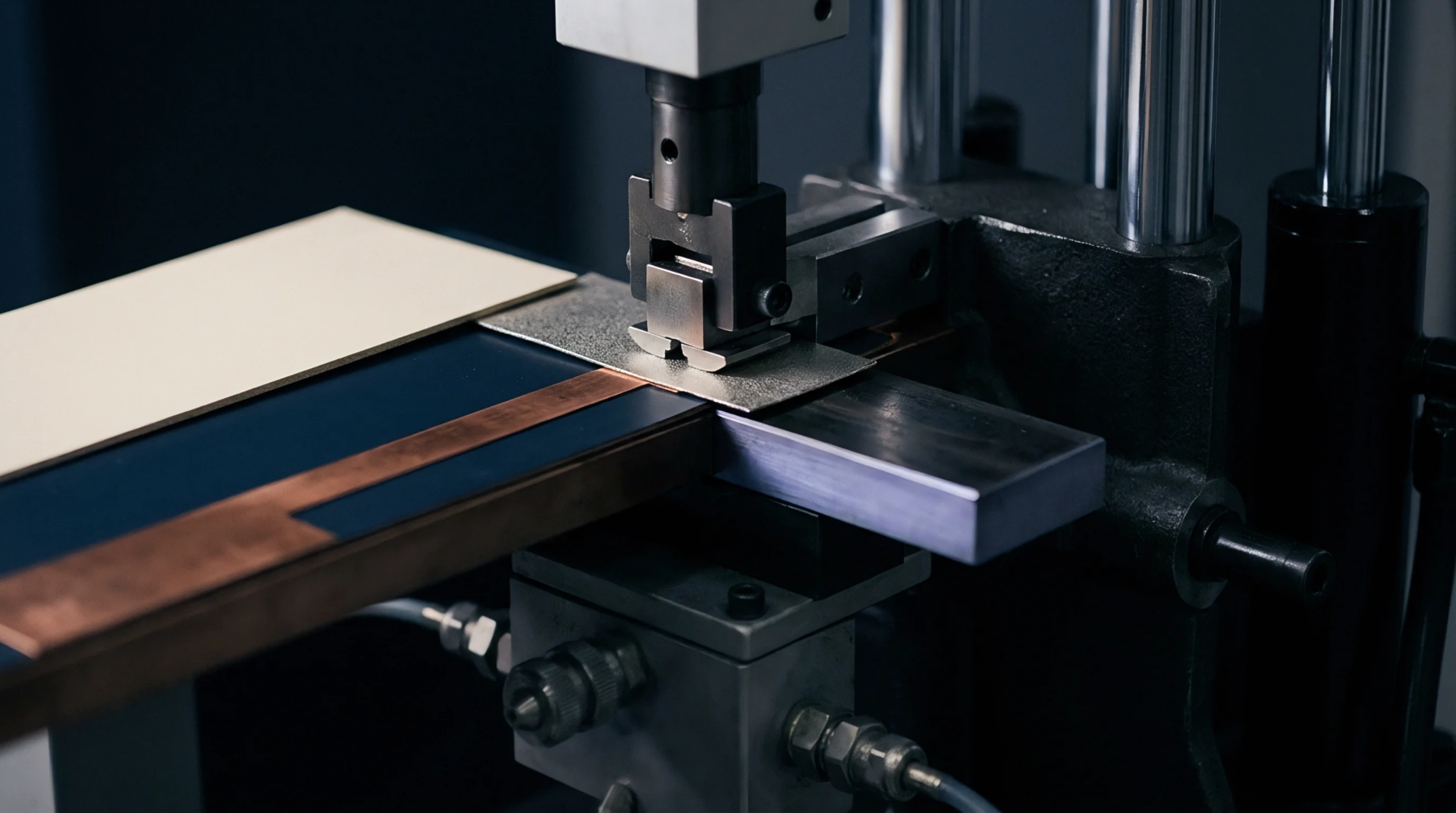
Integrating IEEE 1149.1 boundary scan with flying probe target vectors maximizes fault coverage on high-density PCBs while slashing test times and fixture costs.

Asset recovery requires extracting uncompiled CAD netlists, verifying ICT fault coverage parity, and auditing firmware signing keys before final settlement.
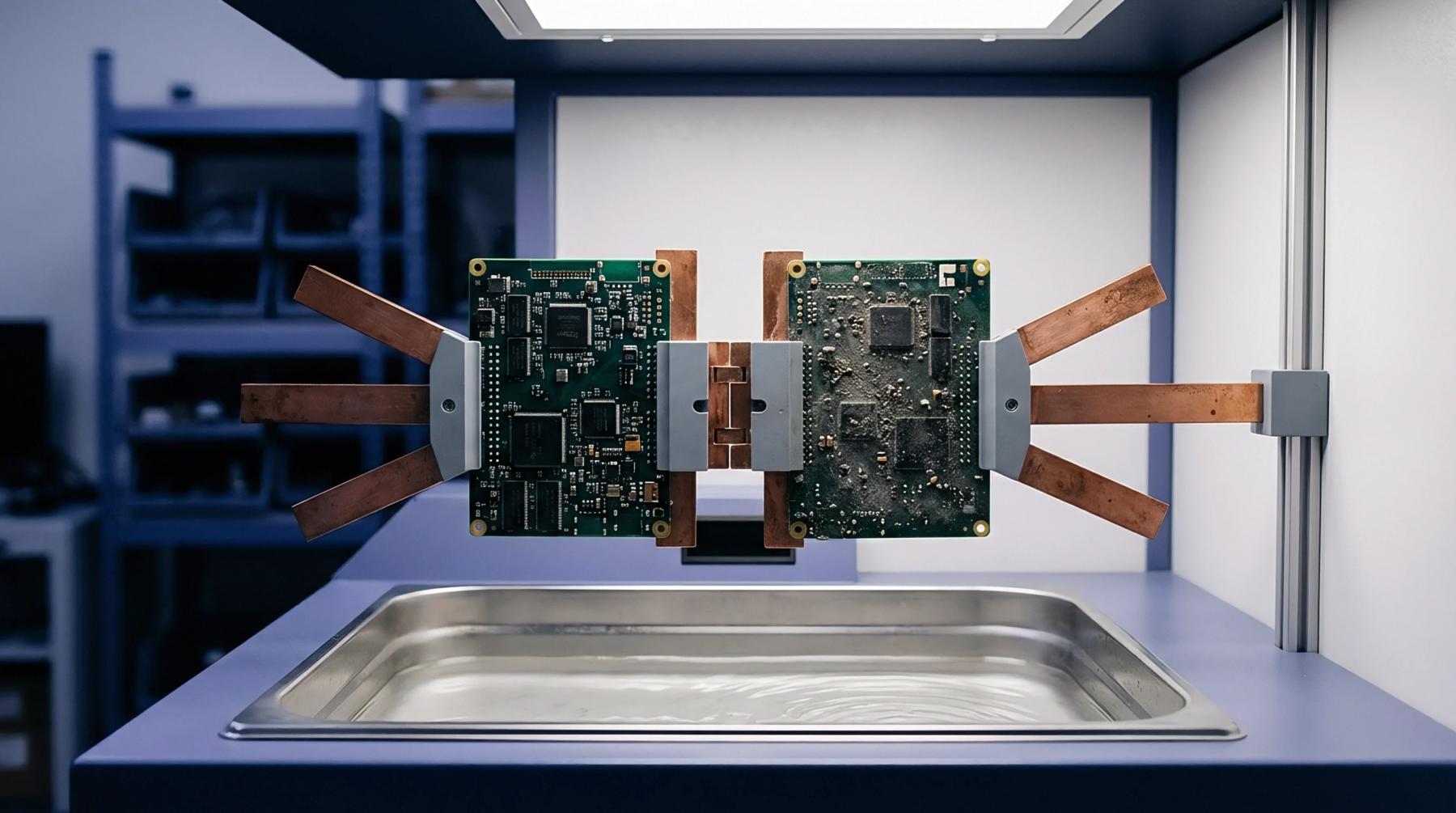
Combining boundary scan and in-circuit testing metrics requires mapping per-pin PCOLA-SOPS access, deduplicating overlapping faults, and logging verified nets for batch release.
Expertise is a utility, not a secret. sentiention™ publishes its working knowledge as open reference: intelligence layer covering the materials it sources, the markets it enters, and the reference that serves both.