
Hybrid Probing Regimes to Unmask Hidden Ball Grid Array Defects
Combining IEEE 1149.6 boundary scan vectors with deflection-assisted flying Kelvin probes isolates unmasked BGA head-in-pillow defects down to 4.5 micro-ohms.
Combining IEEE 1149.6 boundary scan vectors with deflection-assisted flying Kelvin probes isolates unmasked BGA head-in-pillow defects down to 4.5 micro-ohms.
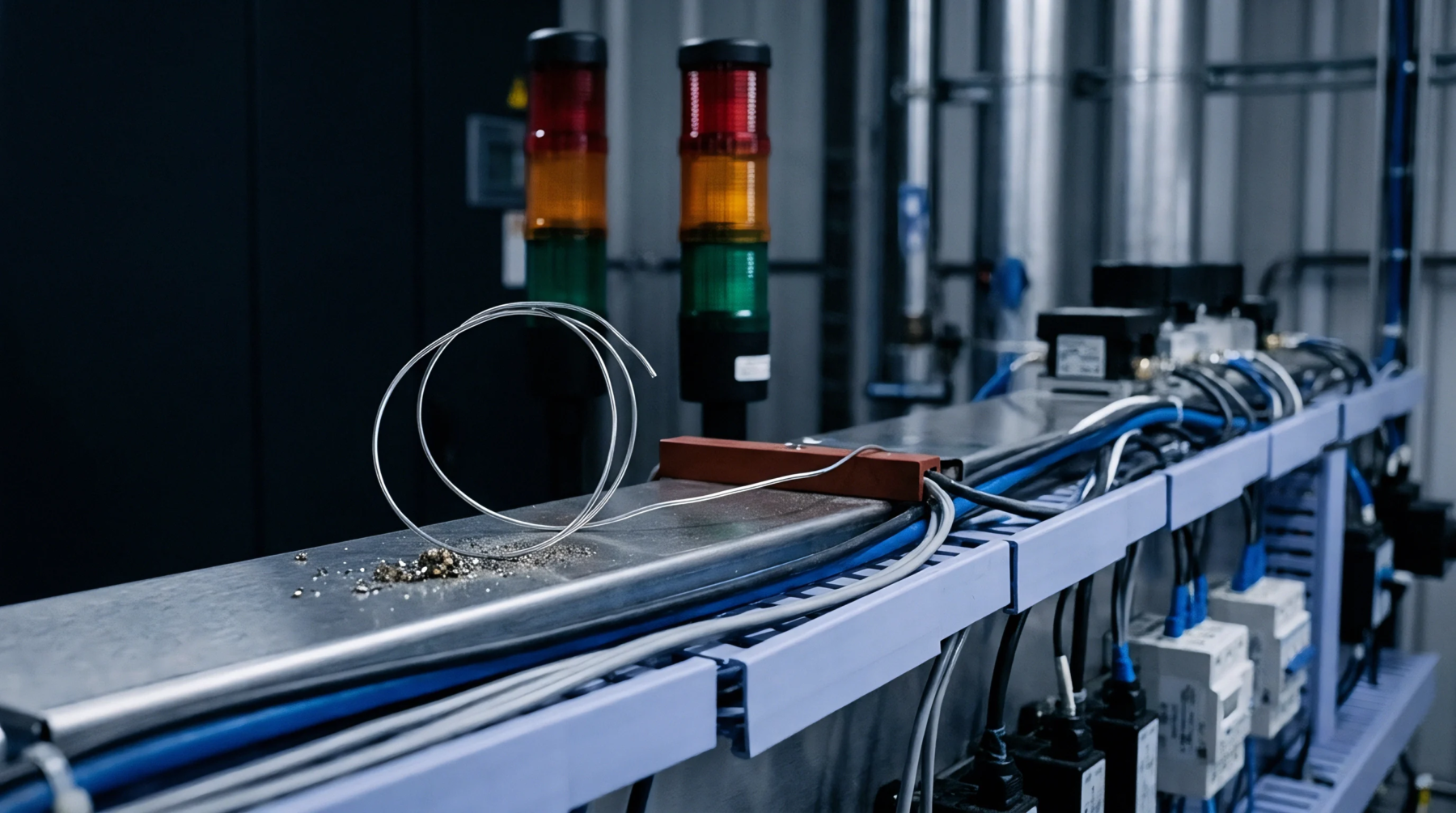
Quantifying boundary scan interconnect fault coverage pairs extracted netlist node universes with modified counting sequence vector execution logs.

Unprobed high-speed nets demand combined boundary scan and thermal screening to bound latent defect escape liabilities before batch signoff.
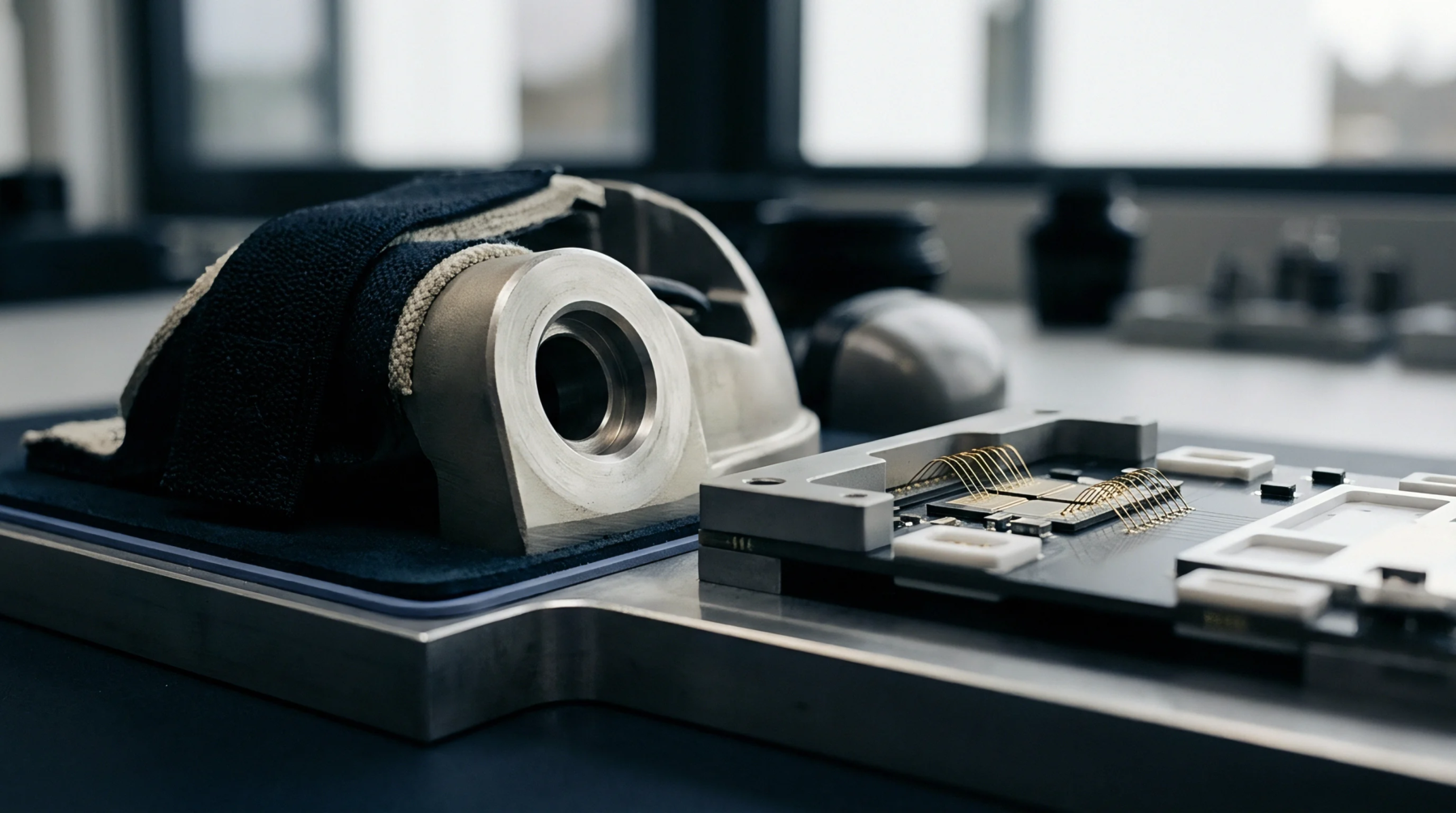
Quantifying component change masking in multi-tier assemblies requires sensitivity matrix formulation, thermal transient screening, and interface nodal access audits.
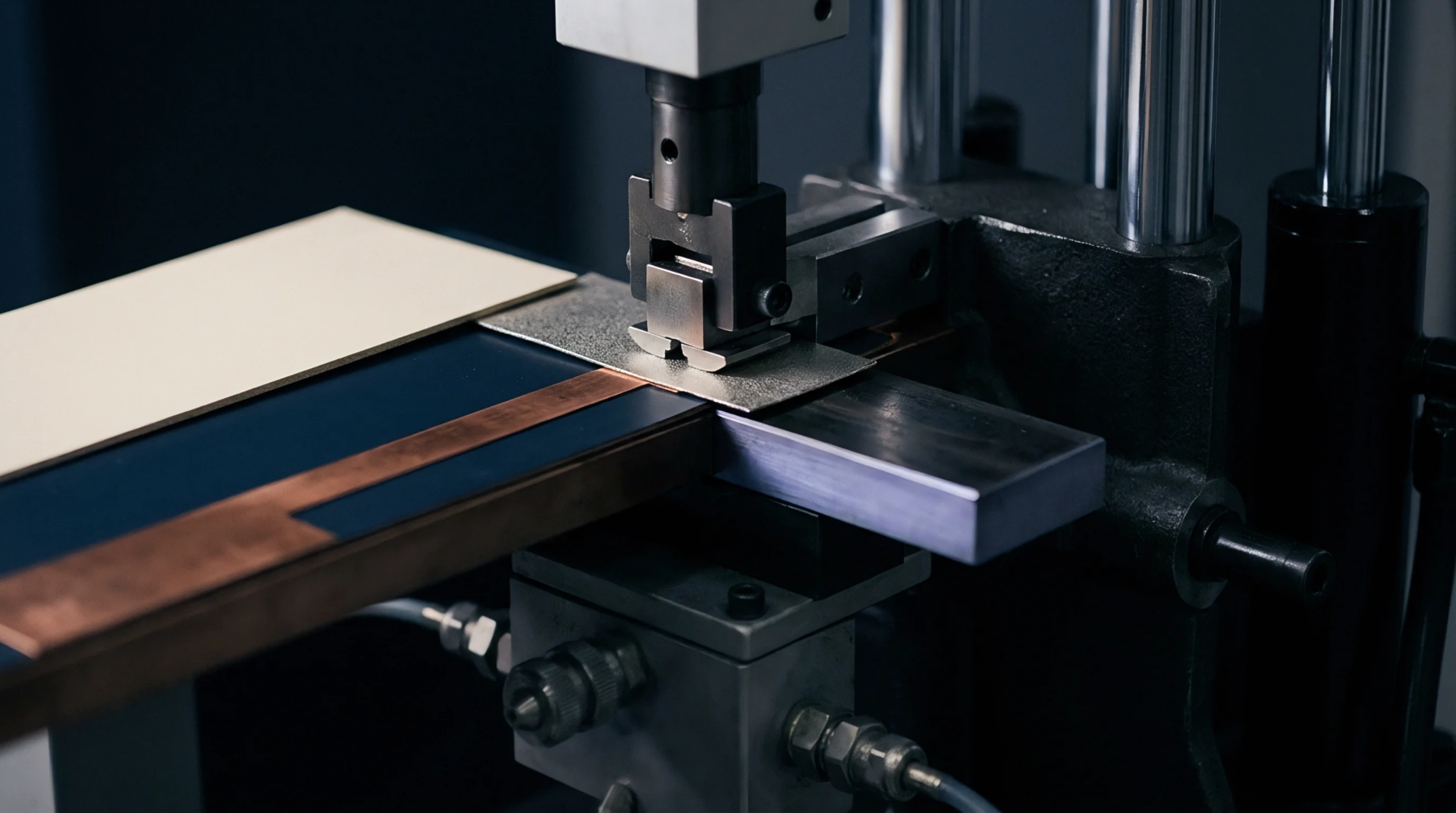
Integrating IEEE 1149.1 boundary scan with flying probe target vectors maximizes fault coverage on high-density PCBs while slashing test times and fixture costs.
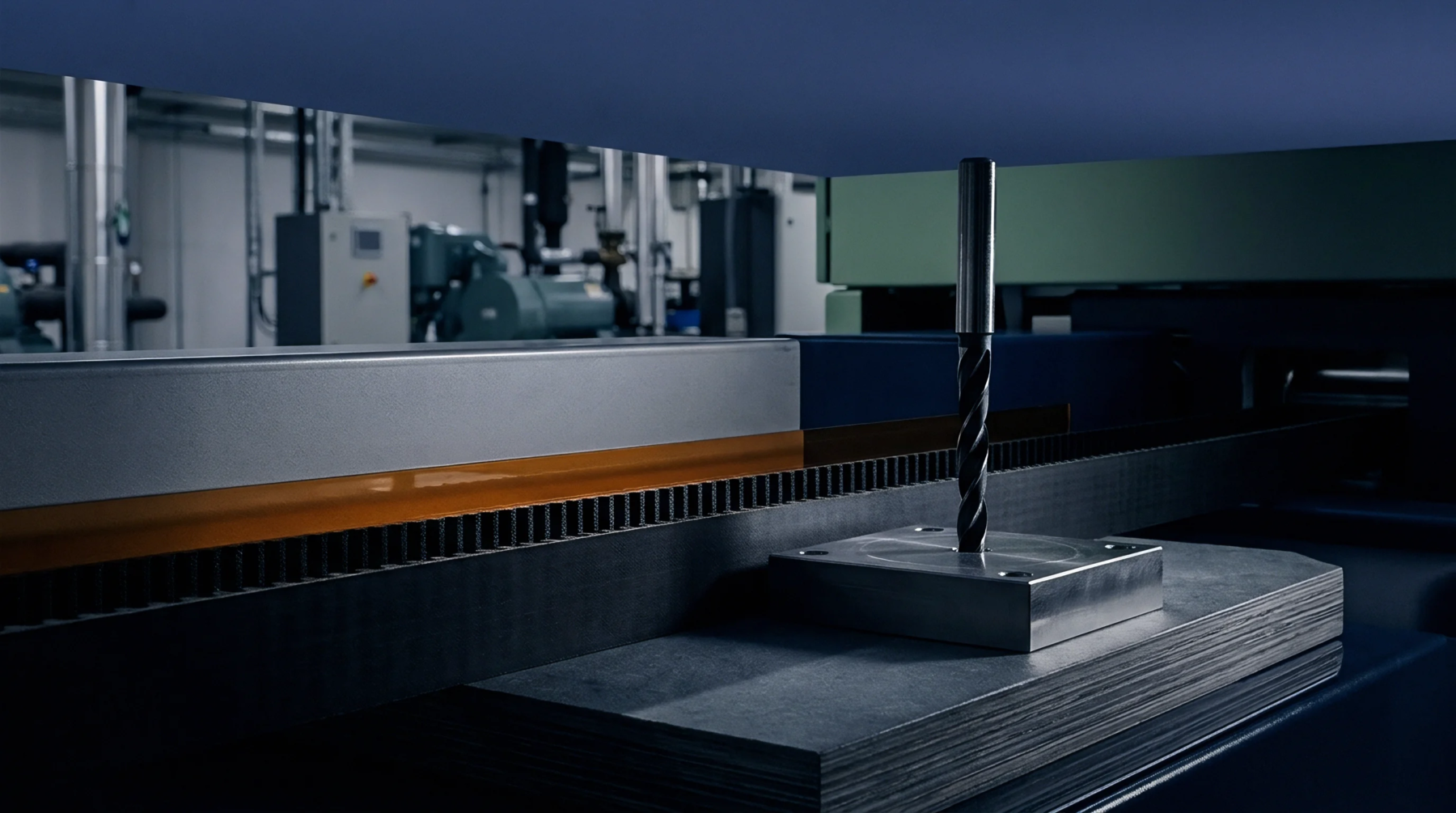
Boundary scan access limits require balancing physical probe suppression against quantitative fault escape risks in high-density logic clusters.

Integrating hybrid boundary scan and flying probe regimes eliminates unreached structural defects by establishing 99 percent nodal fault coverage.

Resolving test point access before layout release prevents costly PCB re-spins, ensures high fault coverage, and protects assembly yield.
Expertise is a utility, not a secret. sentiention™ publishes its working knowledge as open reference: intelligence layer covering the materials it sources, the markets it enters, and the reference that serves both.