Initial Burden
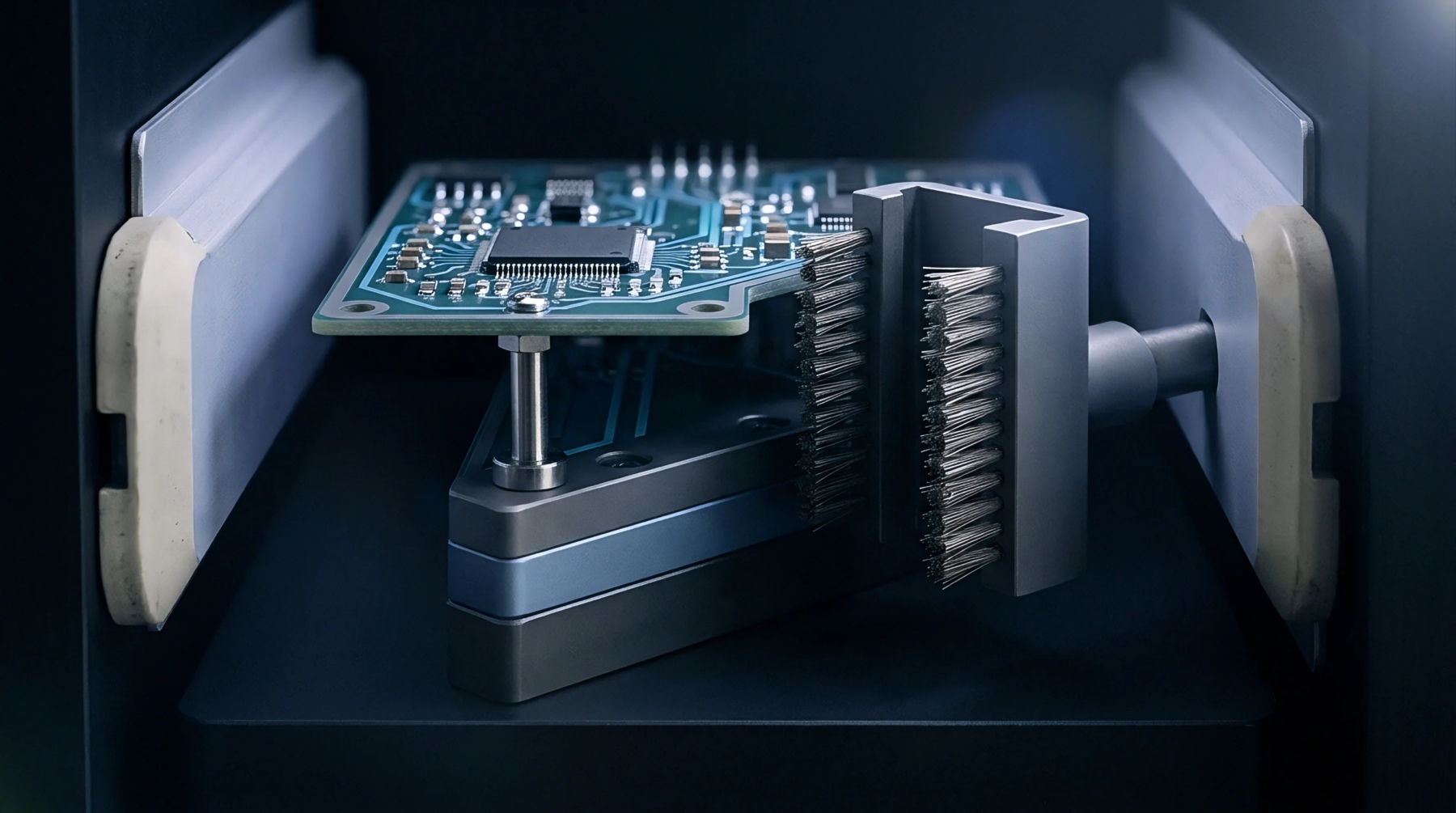
Mechanical amortisation of non-recurring engineering expenses requires separate capitalisation before production assembly begins. Fixture tooling cost covers custom mechanical nests, dedicated test adapters, and pick-and-place nozzles built specifically for a printed circuit board layout. Buyers negotiate these non-recurring engineering charges as a distinct line item on commercial quotes to separate hardware manufacturing investments from per-unit run rates.
Accounting policies mandate that buyers evaluate fixture tooling cost against total projected production volumes to determine whether upfront capital expenditure lowers unit piece prices below alternative manual methods. Stencil printing frames and automated optical inspection profile holders fall directly under this capitalization rule because suppliers cannot reuse them for different electronics designs.
Amortization Mechanics
Spread over contracted batch quantities, fixture tooling cost directly increases the unit price of low-volume printed circuit board assemblies. Production engineering departments divide the total tooling invoice by the forecasted delivery schedule to calculate the financial impact on each shipped circuit card. When production forecasts drop below initial thresholds, unit expenses rise because the fixed capital sum distributes across fewer manufactured assemblies.
Contract manufacturers issue engineering change orders whenever component obsolescence forces a redesign of mechanical alignment pins or electrical test probe arrays. Procurement specialists verify that tooling ownership transfers to the buying organization after final amortization milestones clear.
Quality Assurance
Dimensional verification of custom assembly nests prevents physical board warping during surface-mount placement and reflow soldering operations. Automated test equipment fixtures undergo rigorous pin-registration checks to ensure electrical continuity probes land accurately on specified test pads without causing solder bridging or pad lifting. Manufacturing engineers inspect machined tooling blocks for burrs and sharp edges that might damage sensitive dielectric substrates during board transfer.
Supplier contracts stipulate that tooling wear limits must be tracked through periodic optical scans to guarantee ongoing compliance with IPC assembly standards. Defective locating pins lead to immediate tooling rejection, halting production lines until the supplier recalibrates or replaces the affected mechanical alignment plates.