Mechanical Clamping
Atmospheric pressure provides the hold-down force required to seat a circuit board against contact probes during electrical verification. A vacuum test fixture creates this pressure differential by drawing air from a sealed chamber surrounding the board under test. This device seals the perimeter of the assembly to ensure the internal negative pressure remains stable throughout the cycle.
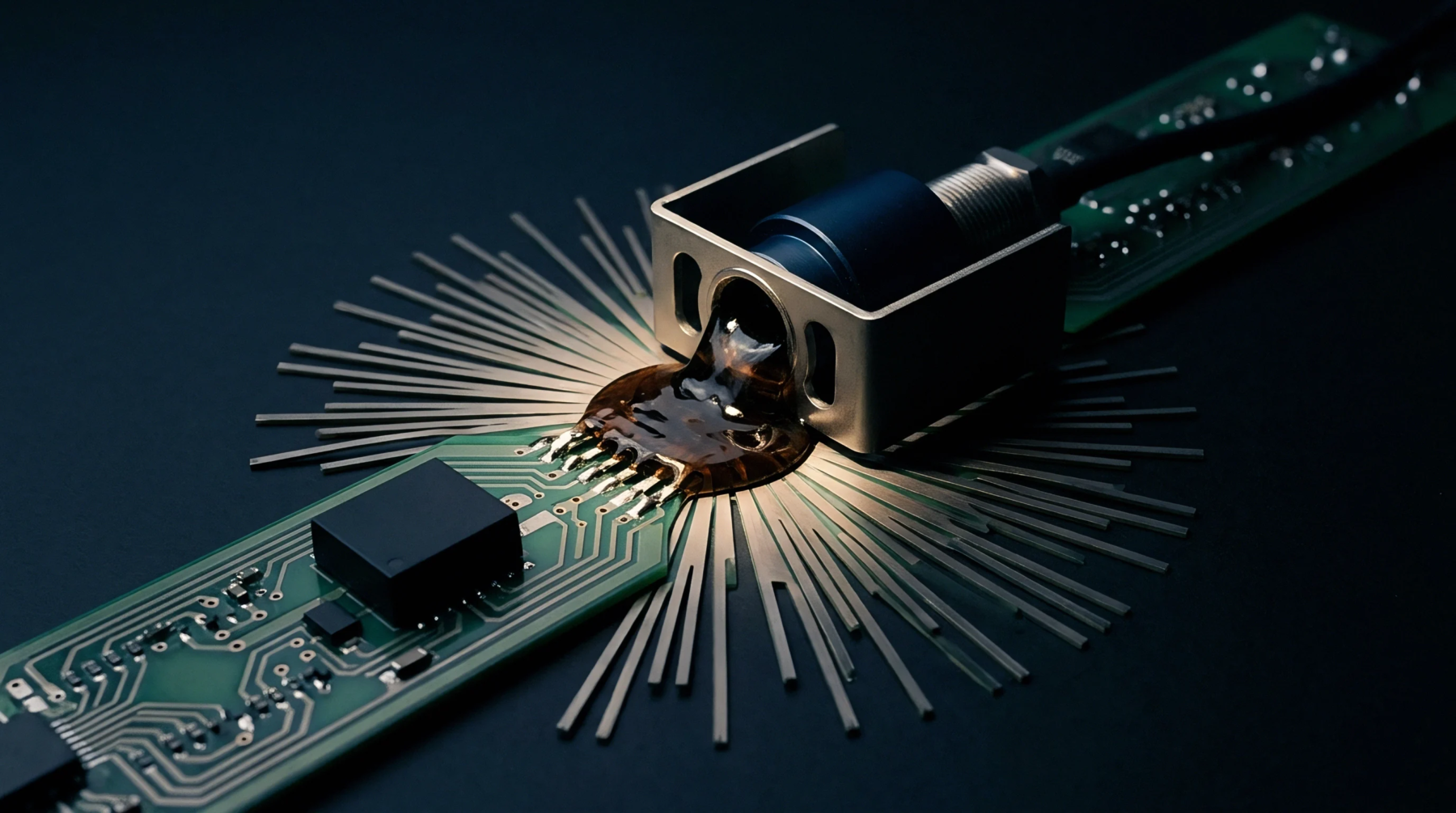
It connects the nodes of the board to a bed of spring probes that transfer signals between the unit and the external tester.
Structural Loading
The rigidity of the plate material governs the deflection limits allowed during the downward draw. Engineers specify the thickness of the fiberglass or phenolic backing to prevent the probe interface from warping under the load of the atmosphere. A board that bends past the tolerance of the test pins suffers from intermittent connections or surface damage.
Distributing the support pillars inside the chamber keeps the circuit board plane flat across the entire probe field.
Interface Precision
Alignment pins establish the registration of the board before the vacuum cycle starts. Holes drilled into the tool match the tooling features on the circuit board to position the test points exactly over the spring contacts. Variations in the hole diameter or the pin tolerance cause lateral shifts that lead to contact resistance errors or open circuits.
Reliable testing requires the physical match between the fixture registration and the manufacturing data of the board.