Thermal Distribution
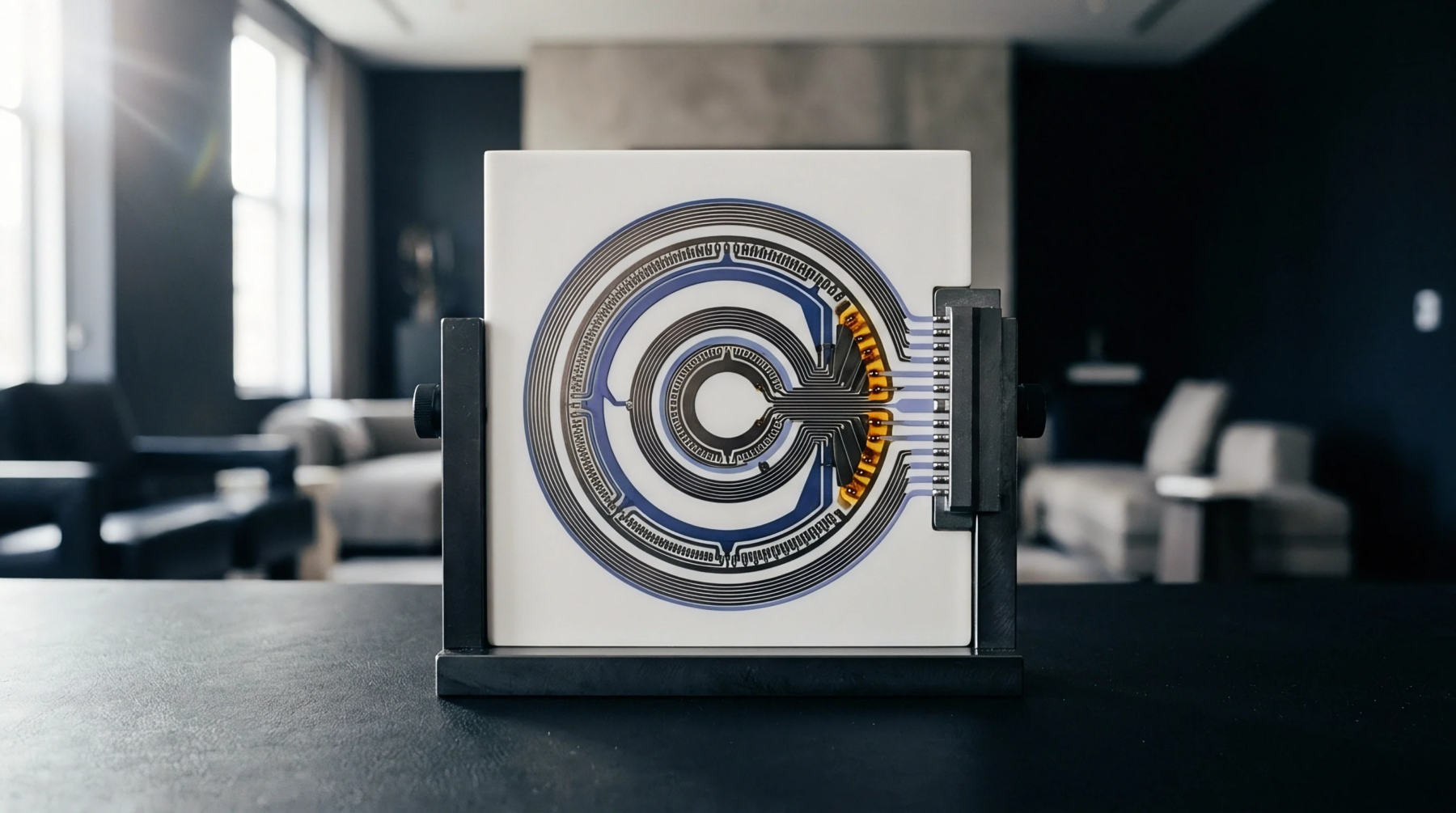
Manual contact adjustment during the reflow cooling cycle mitigates potential solder joint distortion by distributing mechanical pressure across the populated assembly. Push pin balancing relies on a calculated application of force through secondary fasteners to prevent warpage of the printed circuit board as thermal gradients drive contraction. Technicians distribute this weight to counteract the non-uniform shrinkage inherent in large mass components.
Mechanical Alignment
Effective engagement requires a calibrated torque sequence applied to the tensioning hardware located at the corners of the heat sink assembly. Each pin provides a degree of freedom that compensates for the variance in local thermal expansion between the metal heat spreader and the underlying substrate. Forces stay uniform across the interface because the spring loading holds the contact plane flat against the package surface.
Rigid mounting points prevent the localized cracking that occurs when rigid fixtures fail to move with the board. Sufficient pressure ensures that the thermal interface material maintains a constant thickness without the formation of air gaps that inhibit heat transfer. Excessive tension causes deformation of the dielectric layers while insufficient pressure creates uneven cooling paths that lead to early component failure.
Assembly Verification
Optical inspection confirms the planar orientation of the heat sink relative to the base board after the balancing procedure concludes. Automated test equipment measures the flatness profile of the assembly to ensure the load remains within the tolerance band defined by the device specification. A failure to achieve this uniform seating often results in a permanent arching of the board that compromises the integrity of the solder interconnects.
Proper control of this seating condition prevents long term fatigue caused by cyclical thermal stress.