Performance Expectation
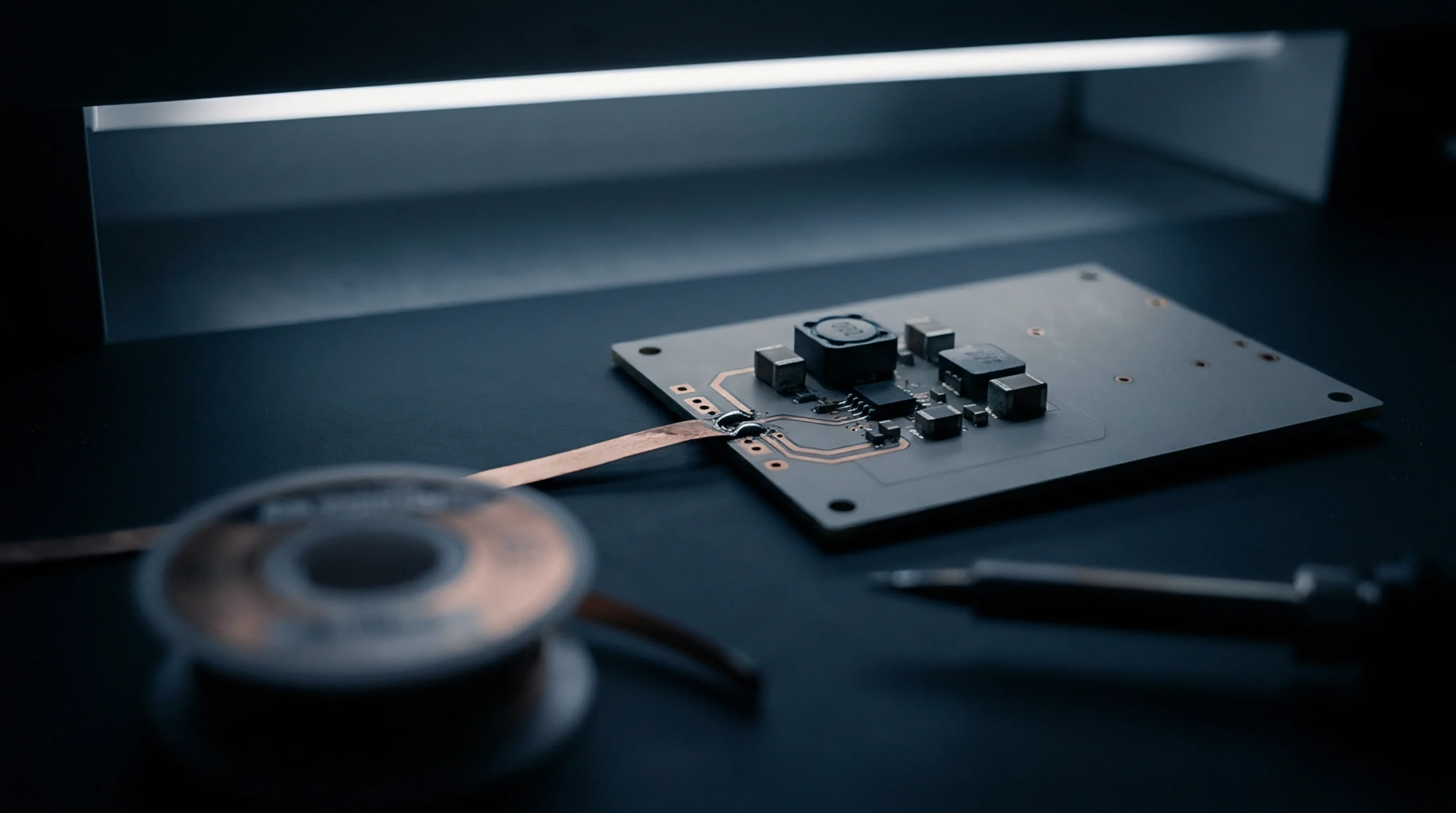
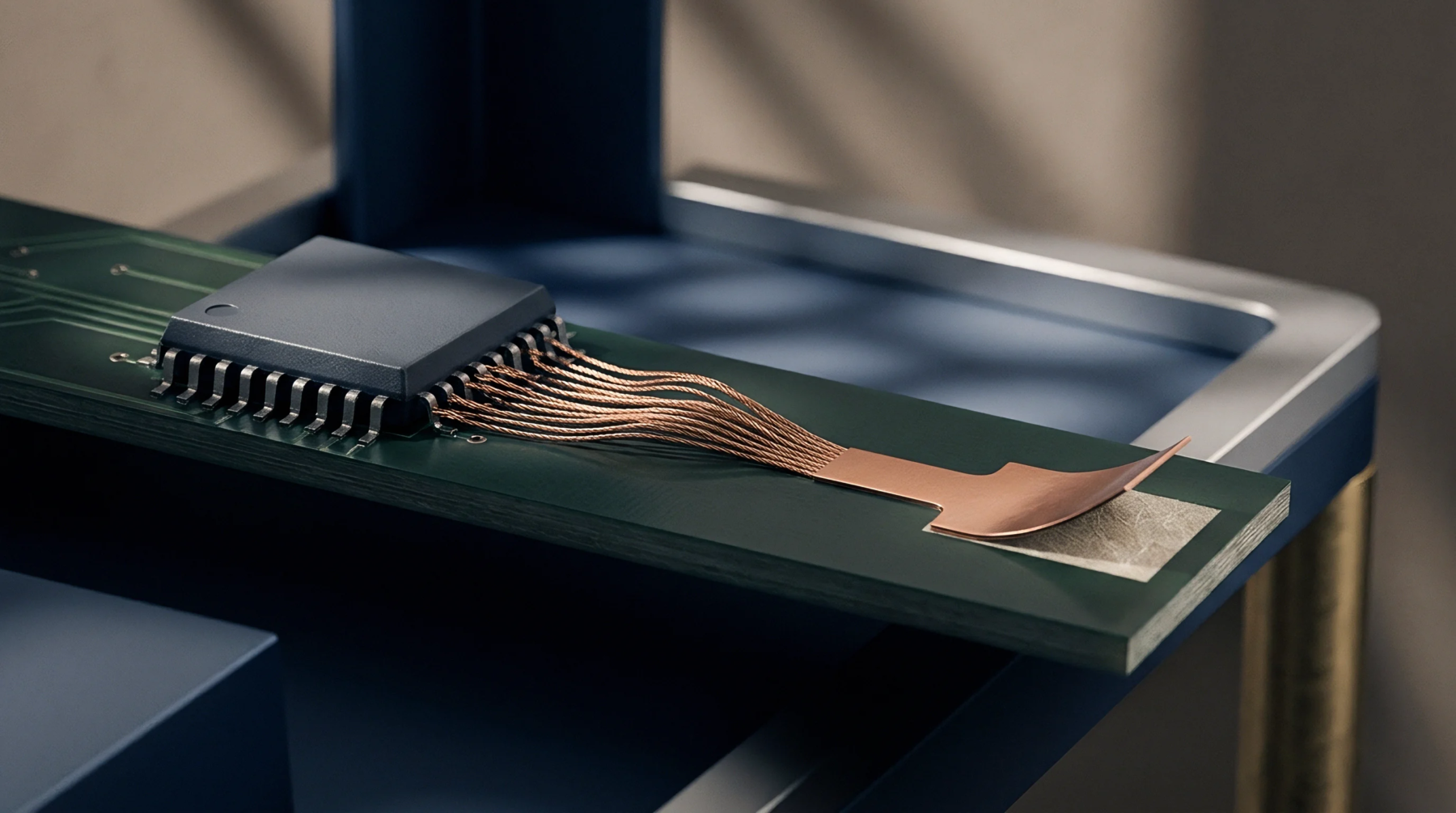
Structural integrity over time defines the ability of a metallic connection to maintain electrical continuity under environmental stress. solder joint reliability characterizes the lifespan of interconnections on a printed circuit board when subjected to thermal cycling and mechanical vibration. Failures occur as intermetallic compounds grow brittle during operation, which eventually leads to fractures within the metallurgical bond.
Mechanical Stressor
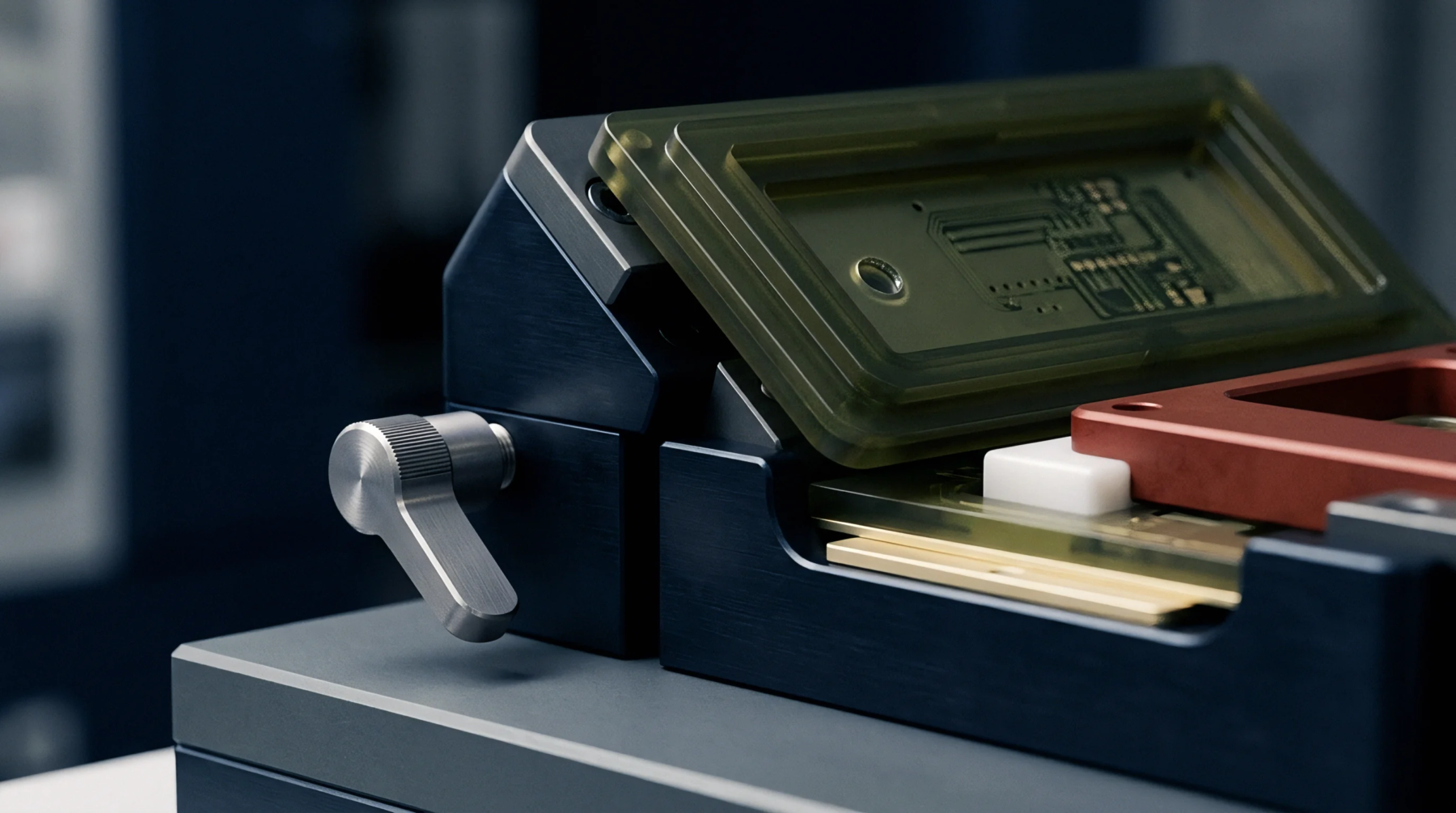
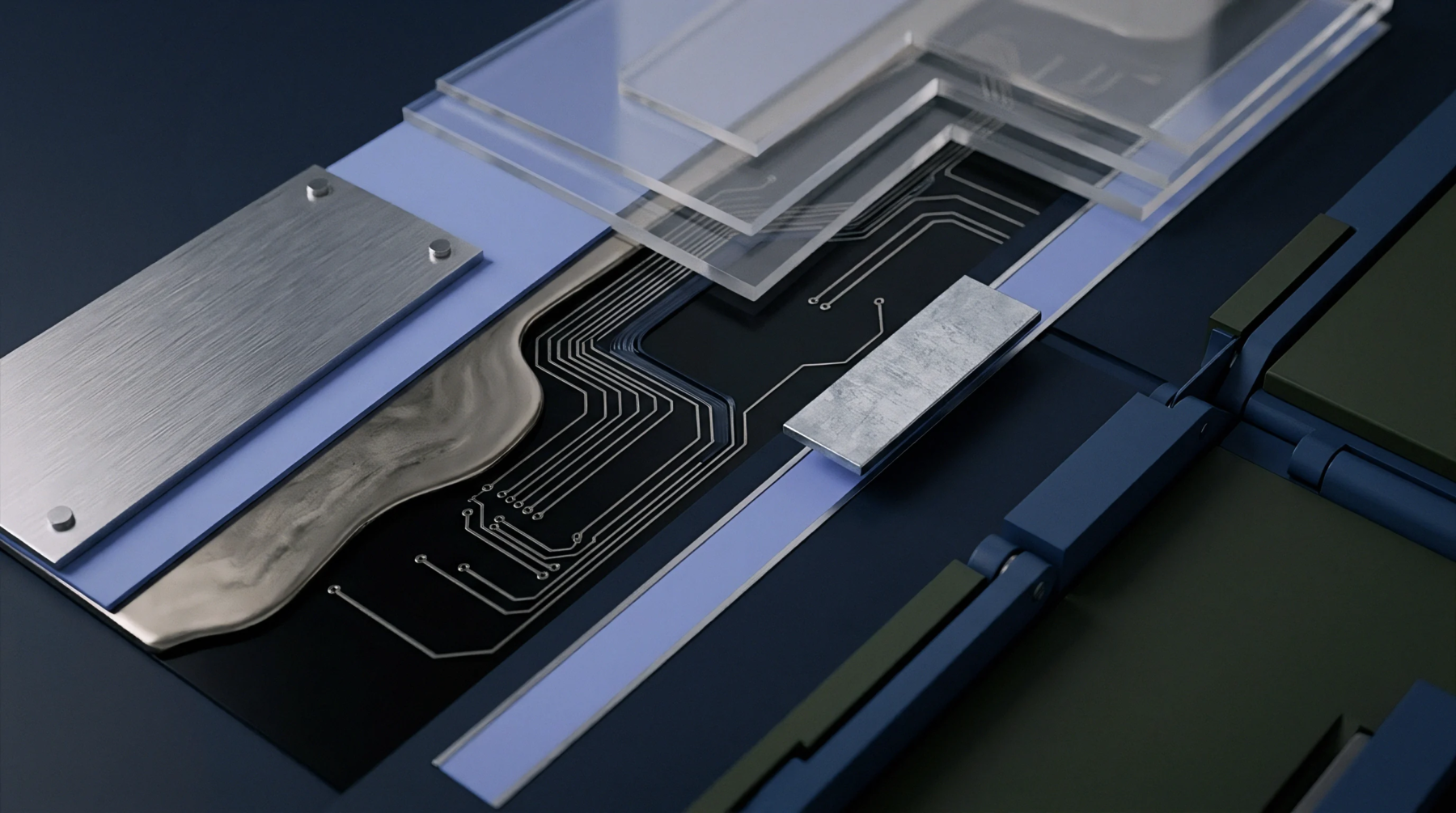
Differential thermal expansion coefficients between the component body and the laminate substrate generate internal shear forces during heating and cooling cycles. solder joint reliability decreases as the temperature gradient widens because the resulting mechanical strain fatigues the connection point. Engineers model these events using finite element analysis to estimate the time until crack initiation or propagation occurs. Designers choose specific alloys and pad geometries to distribute these stresses across the entire interface, reducing the local load on the metallic contact points.
Thermal profiles during the reflow process determine the initial grain structure of the connection, which governs its long term durability.
Validation Protocol
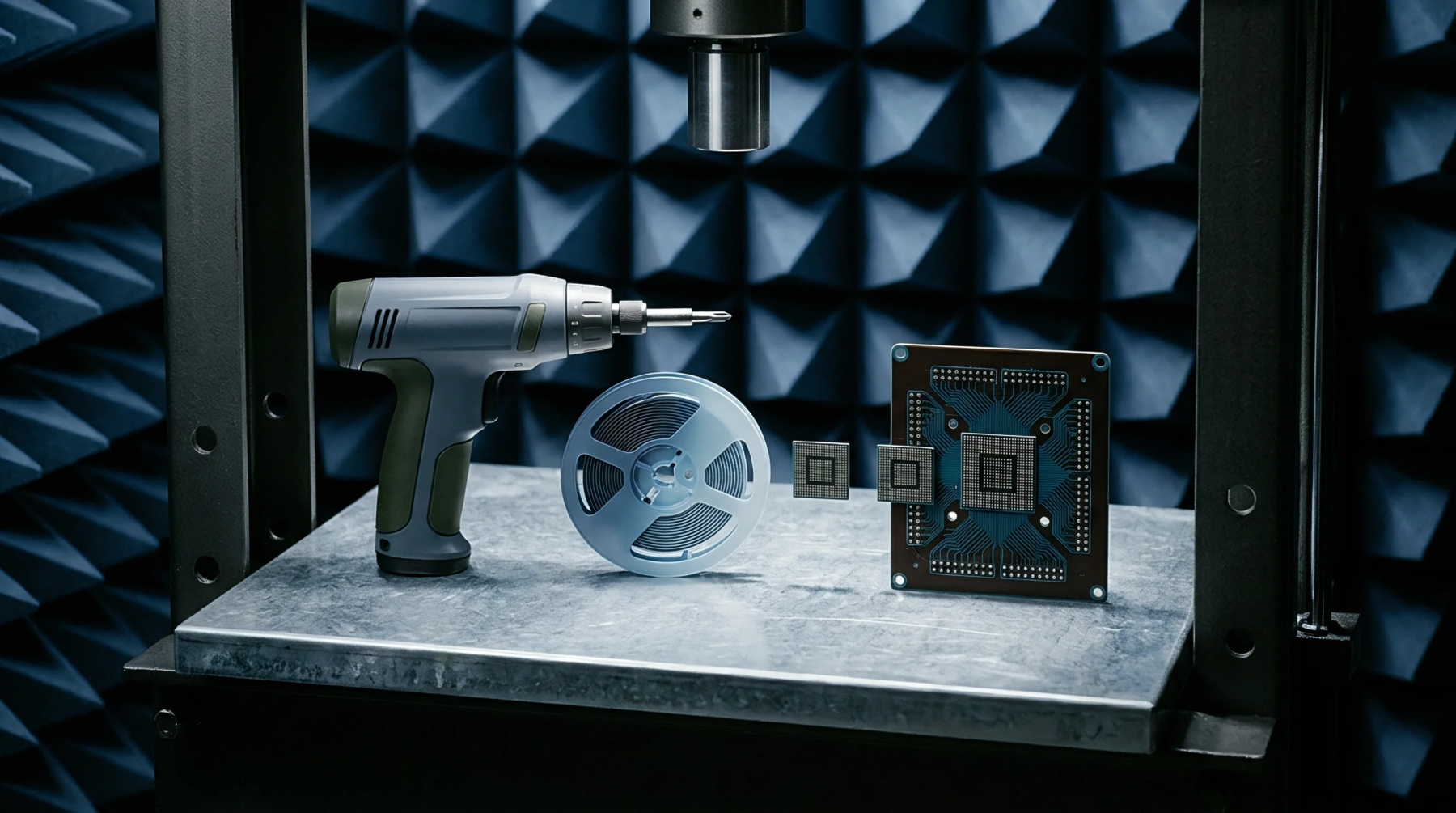
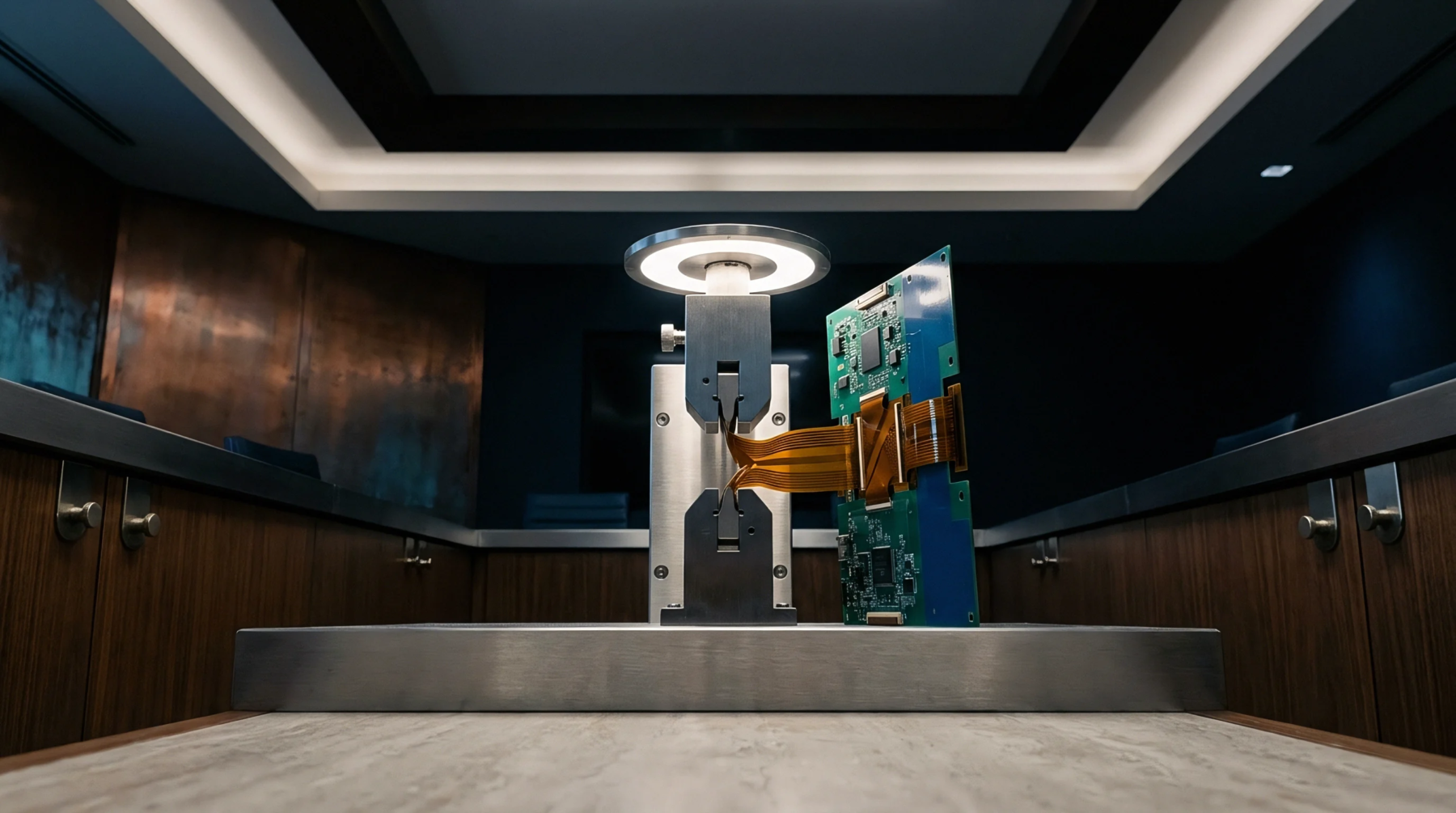
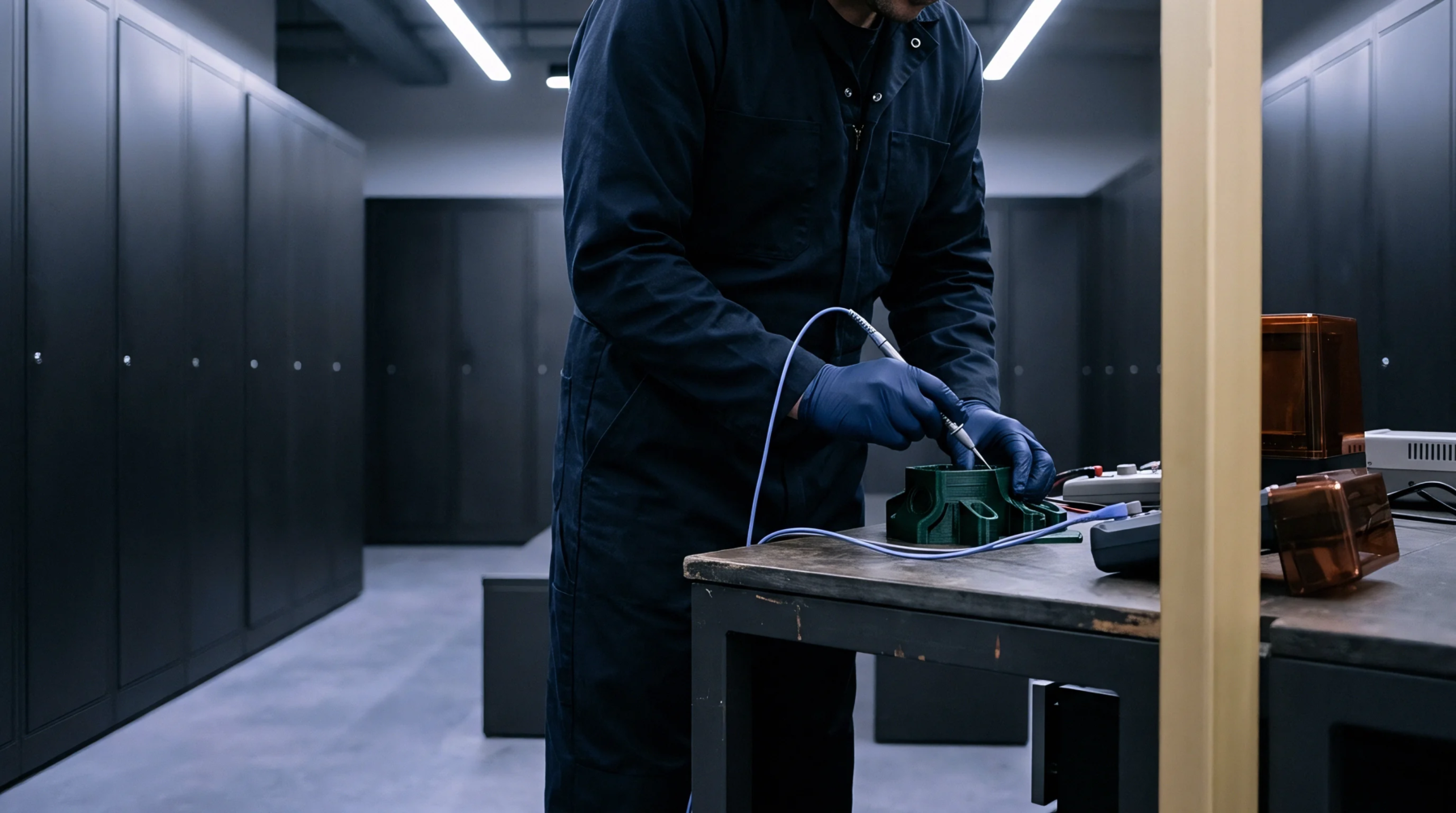
Accelerated life testing provides data for predicting field performance by subjecting batches of assemblies to extreme temperature swings in a controlled chamber. Solder joint reliability follows a statistical distribution such as the Weibull curve, allowing testers to calculate the expected failure rate for a specific set of operating conditions. Optical inspection systems and cross-sectional analysis verify the presence of voids or improper wetting that would decrease the fatigue life of the assembly.
Manufacturers correlate the results from these high stress cycles with standard usage patterns to confirm that the design meets the target service life for the intended application. Any connection reaching its predicted fatigue limit demands immediate redesign to address the concentration of shear stress.