
In-Circuit Test Fixture Strain Rate Transformation and Boundary Qualification
Dynamic strain rate transformation during fixture actuation verifies mechanical compliance against IPC-9704 limits before structural testing begins.
Dynamic strain rate transformation during fixture actuation verifies mechanical compliance against IPC-9704 limits before structural testing begins.

Micro-fractures in high-speed coupling capacitors elevate insertion loss and phase jitter; wideband S-parameter screening catches latent dielectric failures.

Quantifying microcrack defect escape rates requires coupling dynamic in situ event detection with accelerated thermal screening to intercept latent joint opens.

Finite element shear modeling predicts latent interface cracking in high-temperature electronics by applying age-degraded cohesive zone parameters.
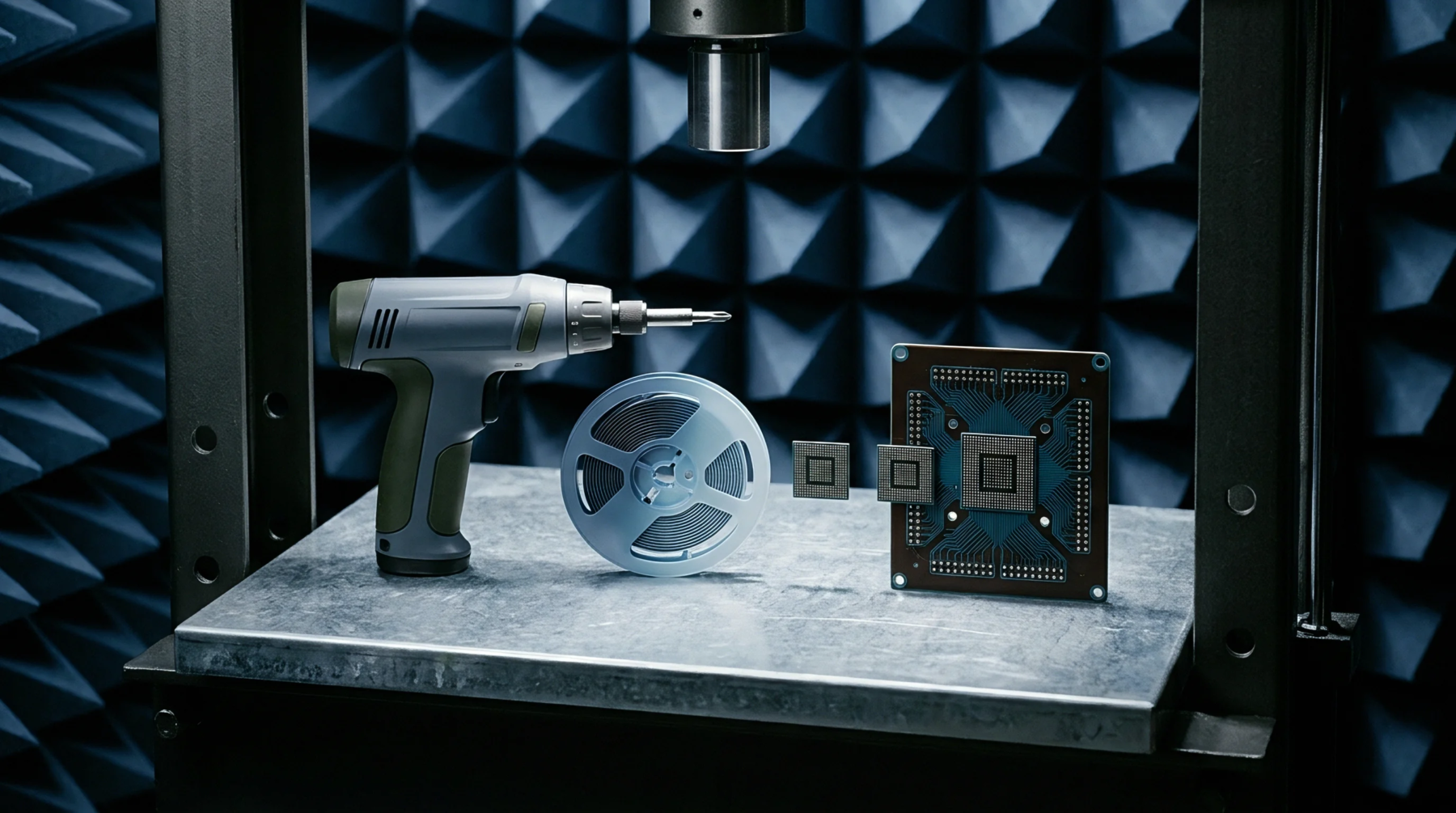
Accelerated stress screening hours convert to consumed operational lifespan through empirical fatigue models, bounding test duration to clear infant mortality without inducing premature wear-out.
Low-frequency DC probing misses high-speed differential symmetry defects, requiring combined TDR, AC scan, and S-parameter metrics to bound structural escapes.

Sub-tier material drift erodes high-reliability board margins; mathematical risk modeling and rigorous chemical dossier validation eliminate latent field escapes.
Attributing intermittent BGA escapes requires pairing boundary scan fault coverage metrics with calibrated nanosecond discontinuity logging during line audits.
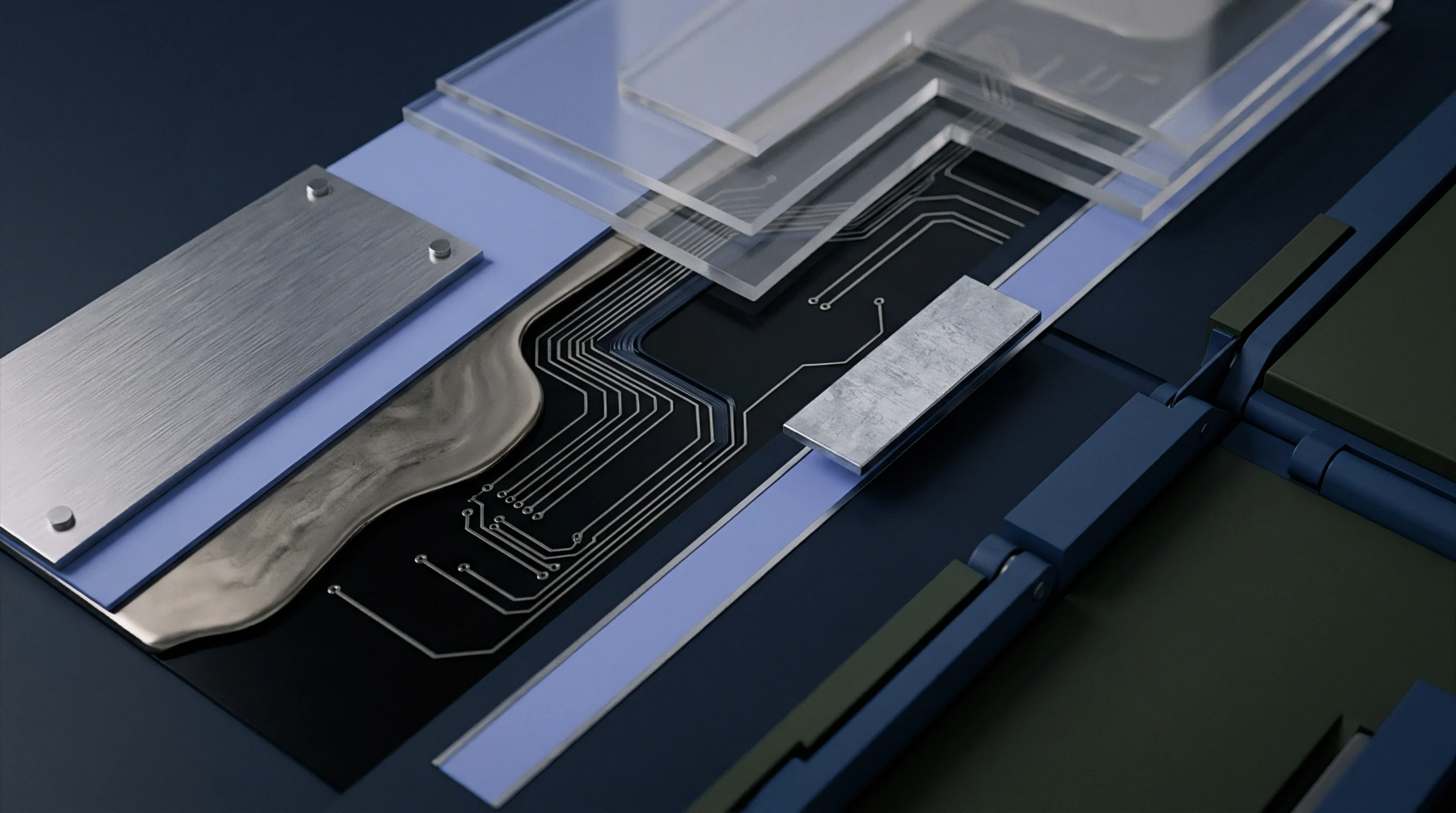
Evaluating thermomechanical creep in dual-sided solder joints requires tracking secondary reflow thermal exposure, intermetallic layer growth, and creep strain accumulation under asymmetric board warpage.

Quantifying component change masking in multi-tier assemblies requires sensitivity matrix formulation, thermal transient screening, and interface nodal access audits.
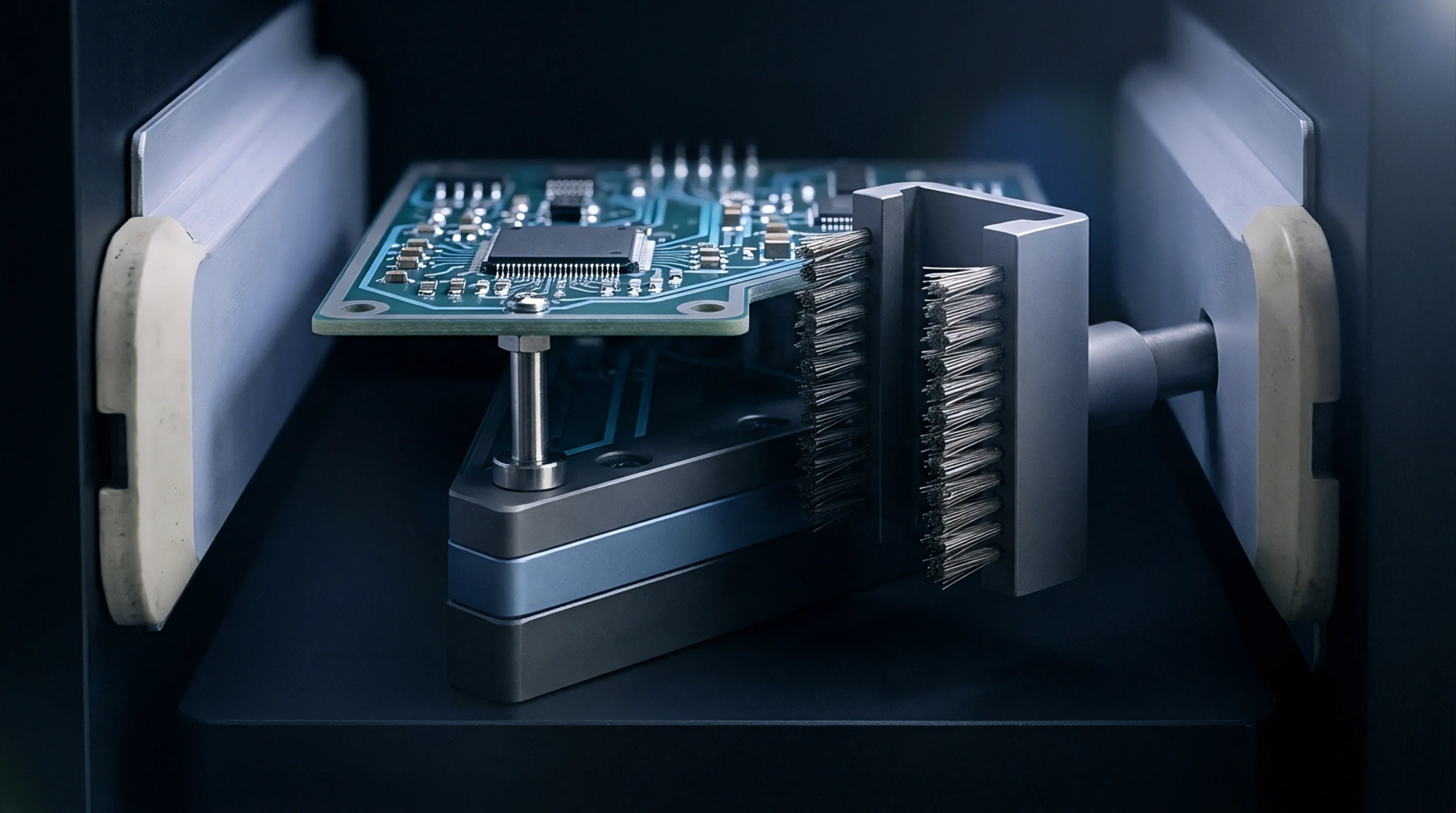
Surveillance compliance demands continuous cross-tier test record alignment, analytical material validation, and strict engineering change authorization.

High speed fixture escape vectors for AC coupling caps demand high frequency TDR de-embedding to catch low frequency probe blind spots.

Boundary scan access limits require balancing physical probe suppression against quantitative fault escape risks in high-density logic clusters.

First pass yield gaps in high-density assemblies stem from optical test blind spots, microvia structural fatigue, and restricted physical probe access.
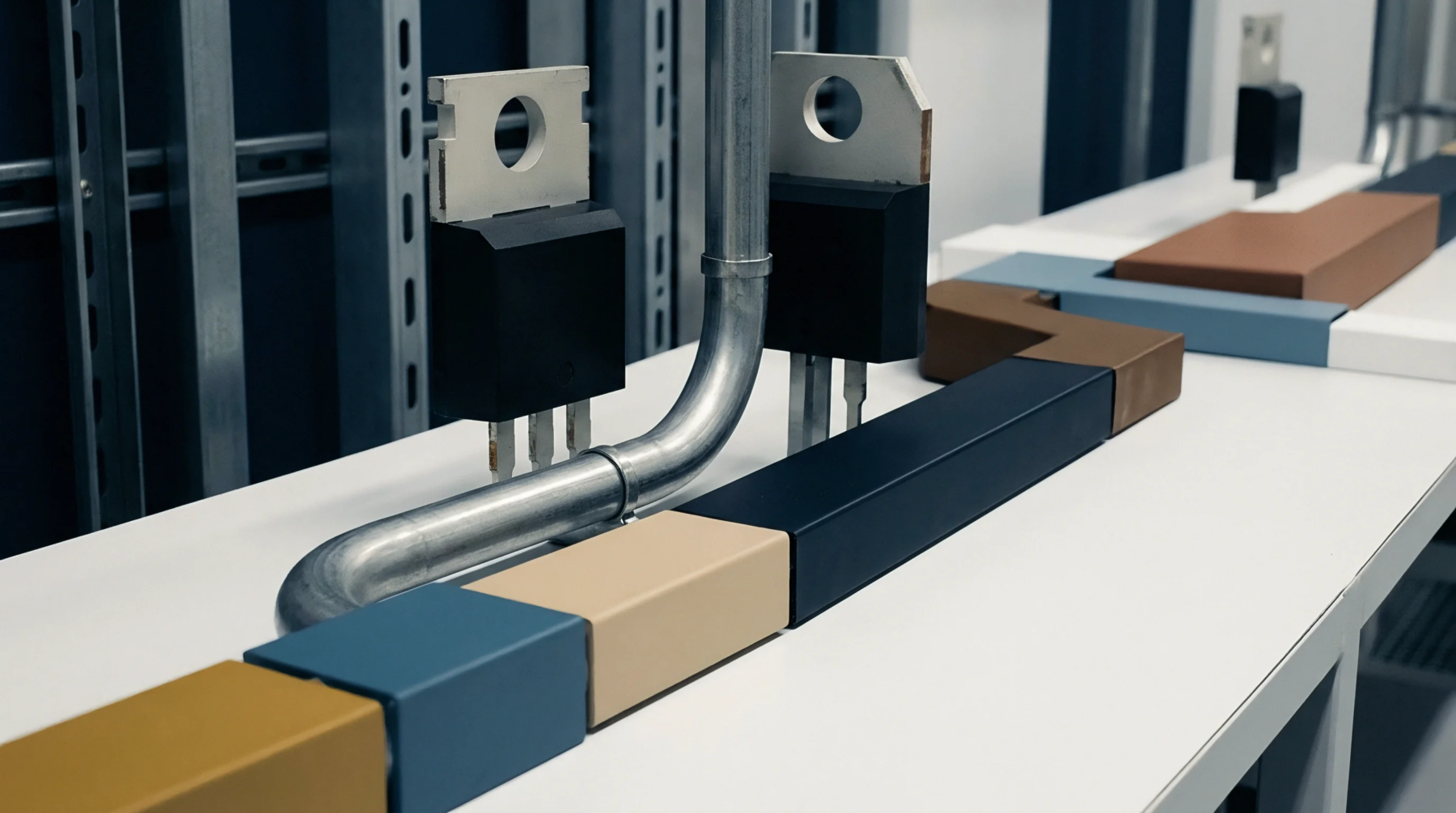
Standard electrical tests verify bare substrate isolation, component pin continuity, thermal stress survival, and electromagnetic conformity before batch signoff.
Enforce IPC/JEDEC-9704 strain budgets and maximum 5% intermetallic planar void limits in assembly contracts to hold manufacturers liable for latent solder joint shear failures.
Expertise is a utility, not a secret. sentiention™ publishes its working knowledge as open reference: intelligence layer covering the materials it sources, the markets it enters, and the reference that serves both.