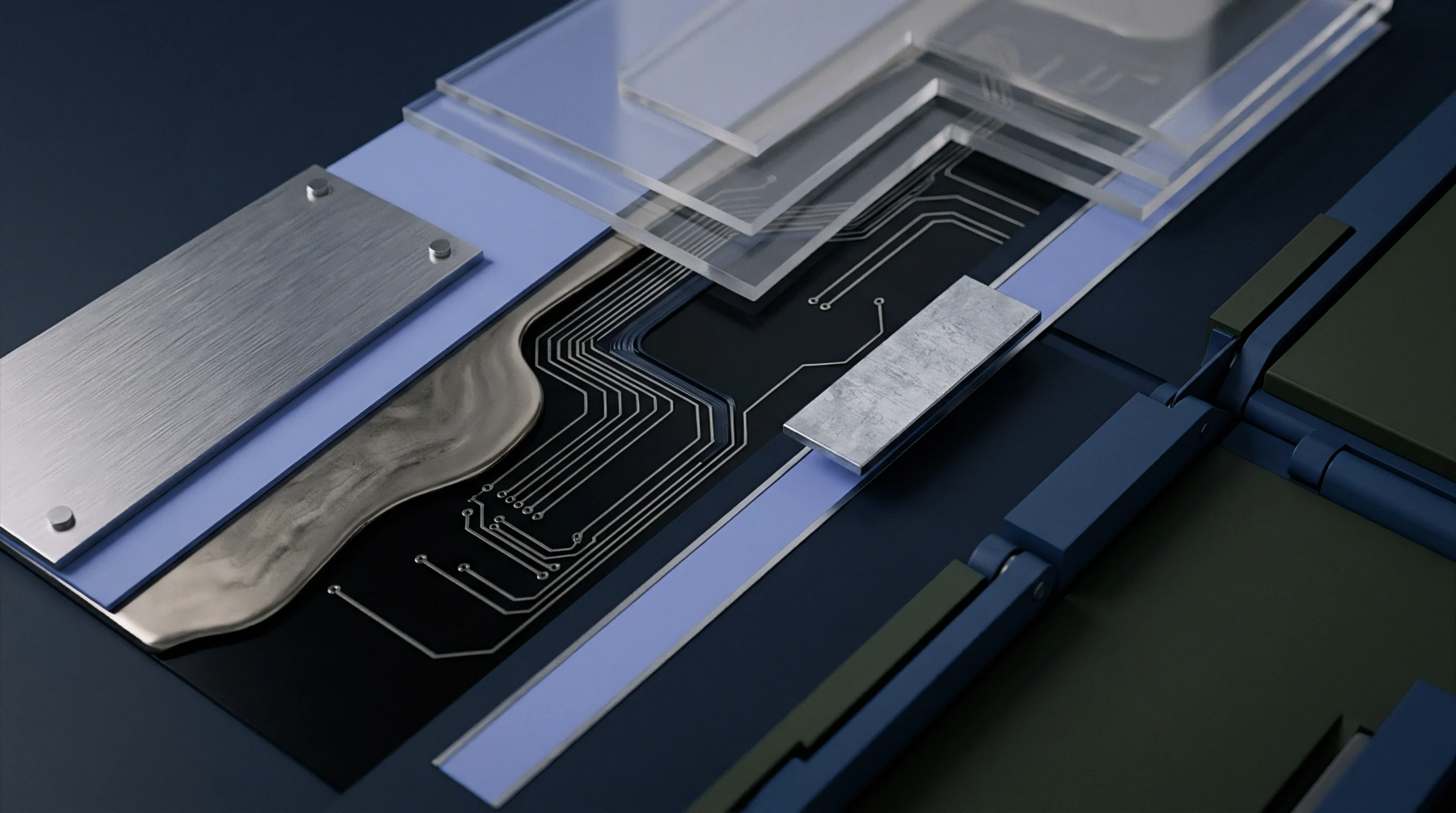
Latent Micro Cracking Mechanisms in Ceramic Capacitors Subjected to Rapid Preheat Ramp Rates
Rapid preheat ramp rates induce severe thermal gradients in MLCCs, causing latent micro-cracks that degrade insulation resistance under bias.
Rapid preheat ramp rates induce severe thermal gradients in MLCCs, causing latent micro-cracks that degrade insulation resistance under bias.

Minimizing assembly thermal gradients demands balanced board copper, tuned oven convection, and zoned soak profiles to shrink array temperature differentials.

Micro-aperture solder paste transfer efficiency demands electroformed or nanocoated stencils, Type 5 powder, and strict 3D inspection controls below 0.55 area ratios.
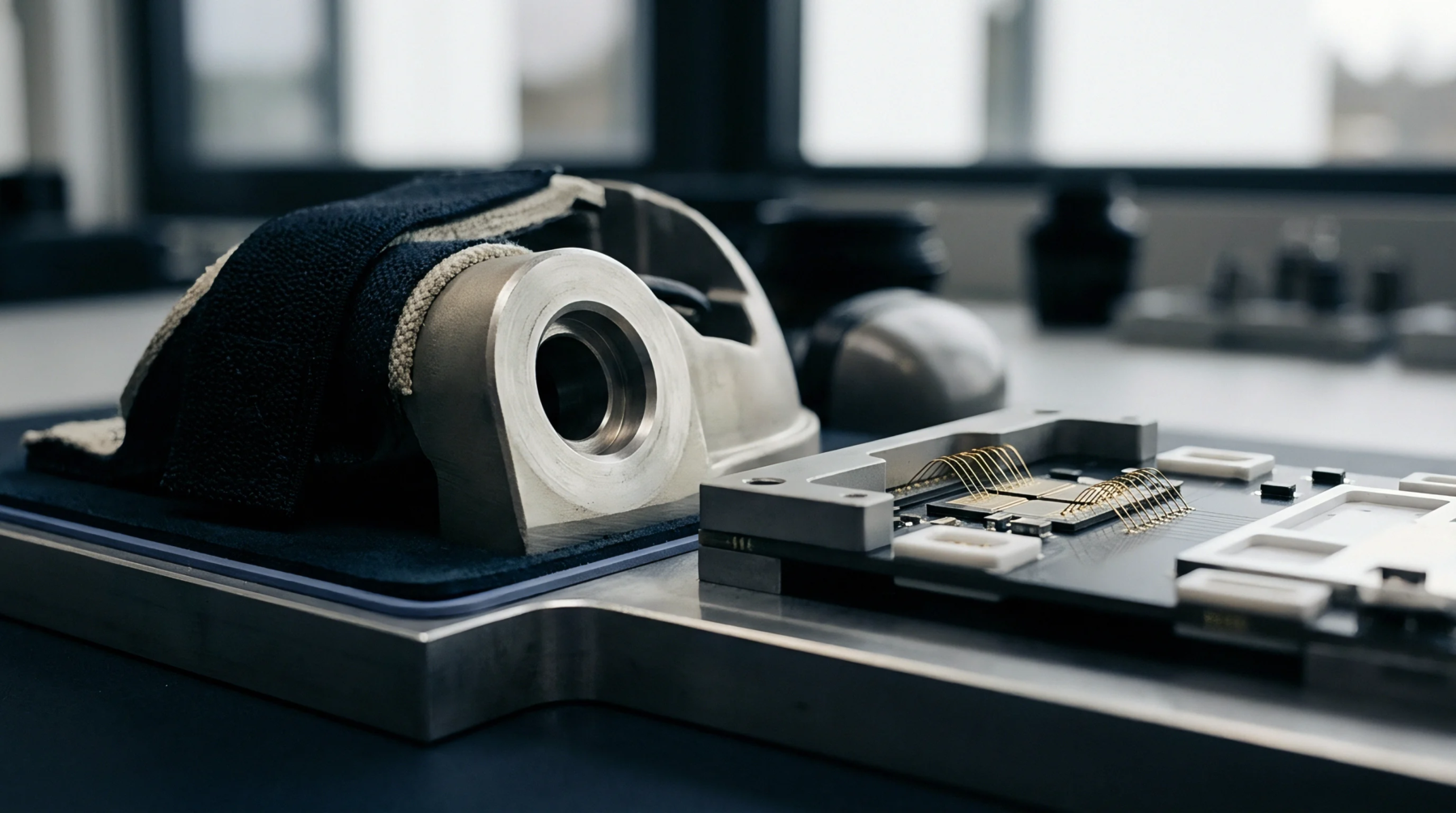
Microvia interface mechanics dictate that thermal cycling drives out-of-plane dielectric expansion, inducing shear failure at contaminated target pad boundaries.
Allocate micro BGA line standby and rework exposure by binding hourly downtime tariffs and hot-gas rework liability directly to SPI, AXI, and feeder logs.
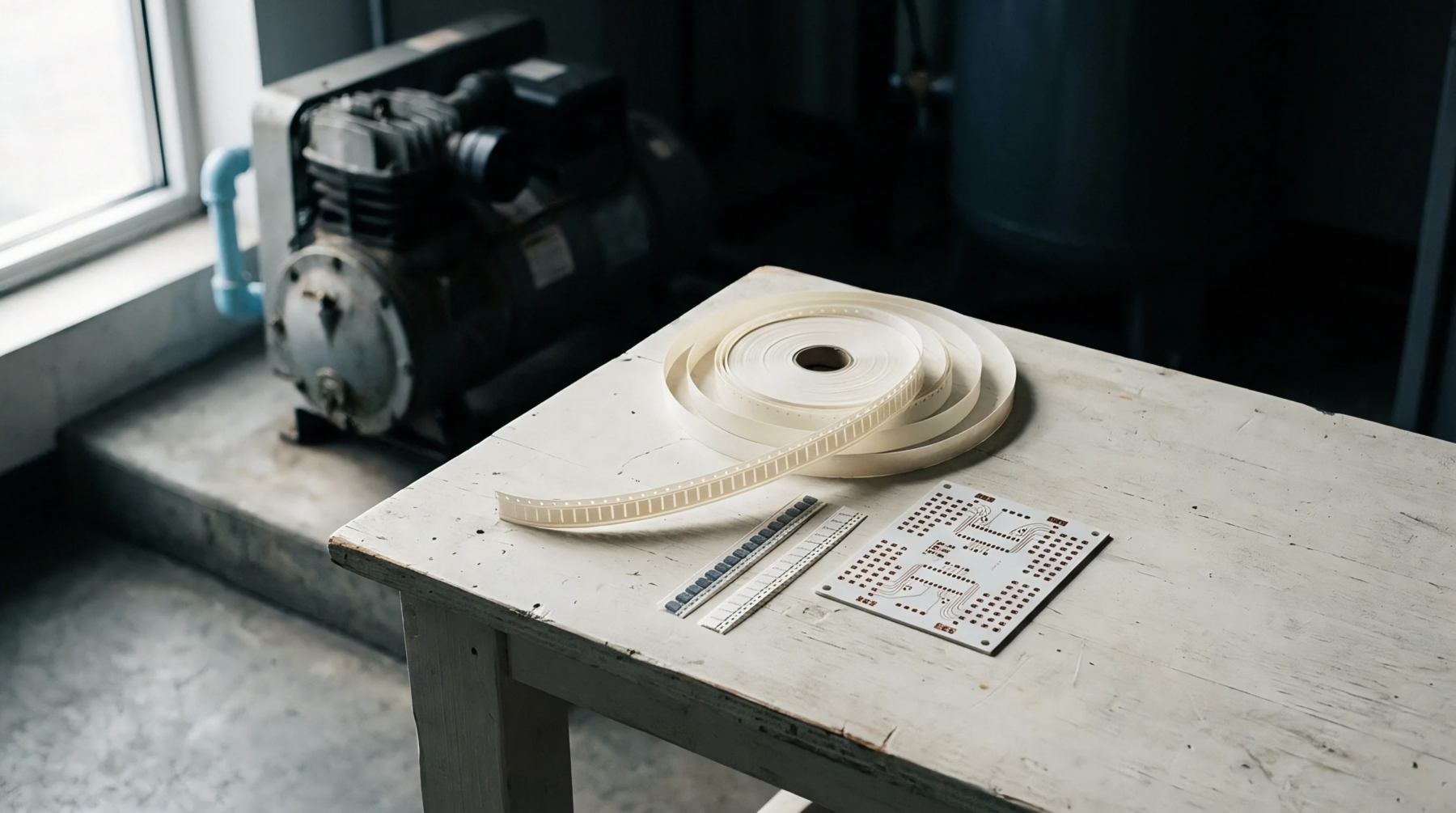
Financial exposure bounds in high-density SMT rely on binding paste volume thresholds, AOI escape modeling, and explicit contract scrap liability caps.

Thermogravimetric solvent mass loss below half a percent prior to liquidus eliminates outgassing macro-voids under bottom-terminated components.
Expertise is a utility, not a secret. sentiention™ publishes its working knowledge as open reference: intelligence layer covering the materials it sources, the markets it enters, and the reference that serves both.