
Automated Inspection False Call Reduction Strategies in High Density Circuit Assembly
False call reduction in high-density optical inspection hinges on 3D height thresholding, normalized CAD libraries, and SPI closed-loop feedback.
False call reduction in high-density optical inspection hinges on 3D height thresholding, normalized CAD libraries, and SPI closed-loop feedback.
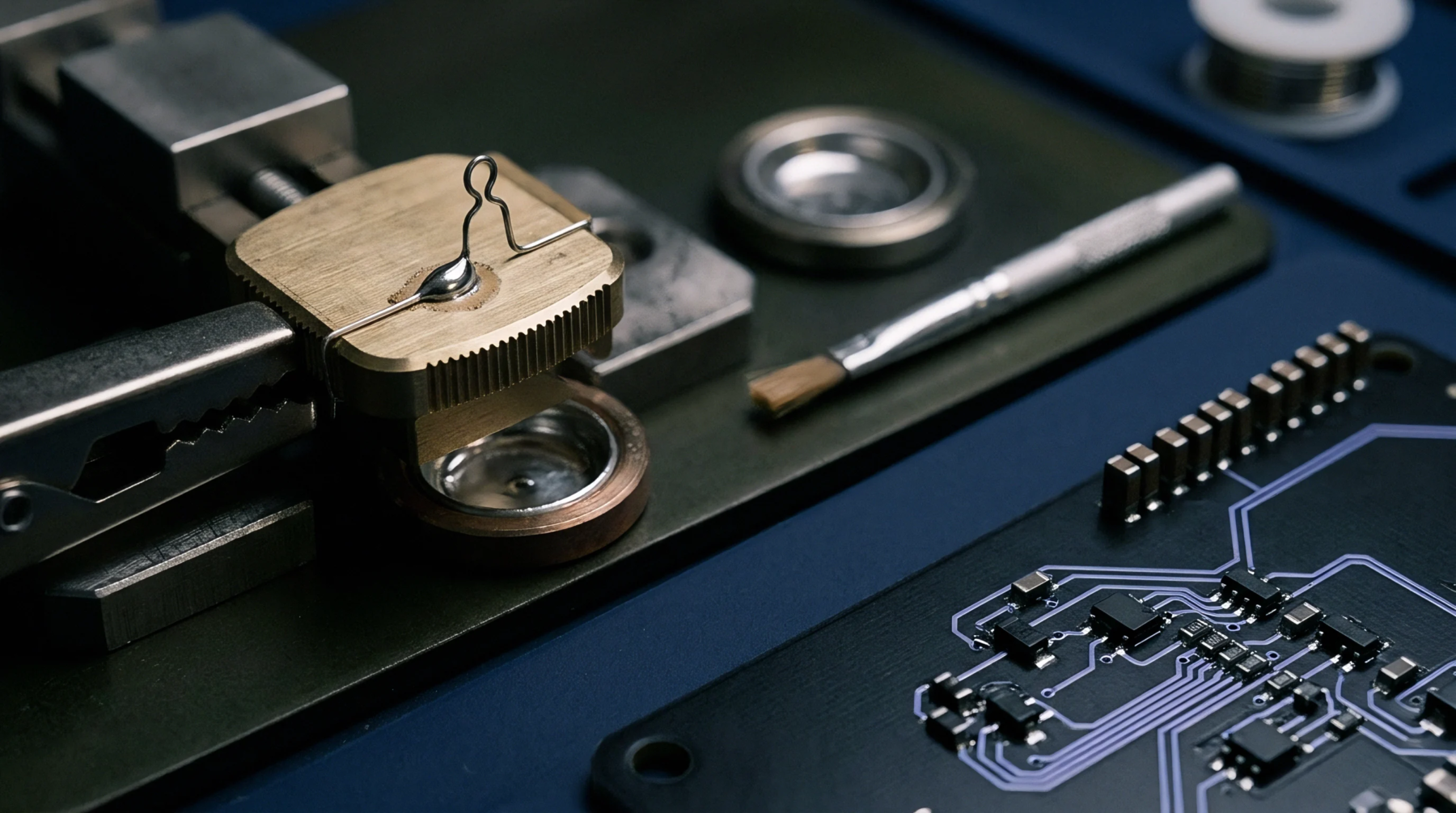
Optimize solder paste transfer efficiency in high-density SMT using 3D SPI control charts targeting a Cpk above 1.67 across sub-0.4mm pitch components.

Optimize micro-pitch stencil area ratios above 0.50 by pairing fine-grain or electroformed foils, nano-coatings, and Type 5 paste to stabilize transfer volume.

Type 6 paste requires G prime recovery above 1,200 Pa within 30 seconds of stencil extrusion to maintain 0.3mm pitch deposit geometry without bridging.
Nano coatings increase fine pitch transfer efficiency above critical area ratios, but mechanical wipe abrasion truncates release gains below sixty percent nominal volume.

Dynamic line balancing requires synchronizing spindle nozzle tooling with feeder cart layout to minimize gantry travel and eliminate bottleneck stalls.

Aperture area ratios below 0.50 demand fine-grain foils with CVD nanocoatings to sustain transfer efficiency above 80 percent and print Cpk above 1.33.

Feeder pick errors in fine pitch packaging resolve through calibrated cover tape peel angles, tight carrier cavity tolerances, and strict z-axis landing control.

Dynamic gantry allocation balances pick cycles across mixed component geometries by matching feeder positions and nozzle tooling to component mass and pitch.

Statistical ROC tuning balances false calls against defect escapes to optimize 3D inspection height thresholds on fine-pitch SMT assemblies.
Aperture area ratios below 0.66 demand smooth sidewalls or nano-coatings to maintain 80 percent paste transfer efficiency.

Financial exposure bounds in high-density SMT rely on binding paste volume thresholds, AOI escape modeling, and explicit contract scrap liability caps.
Expertise is a utility, not a secret. sentiention™ publishes its working knowledge as open reference: intelligence layer covering the materials it sources, the markets it enters, and the reference that serves both.