
Solder Paste Solvent Volatilization Rates during Reflow Preheat
Solvent volatilization requires controlled preheat ramps to prevent explosive outgassing, solder spatter, and entrapped voids under ground pads.
Solvent volatilization requires controlled preheat ramps to prevent explosive outgassing, solder spatter, and entrapped voids under ground pads.
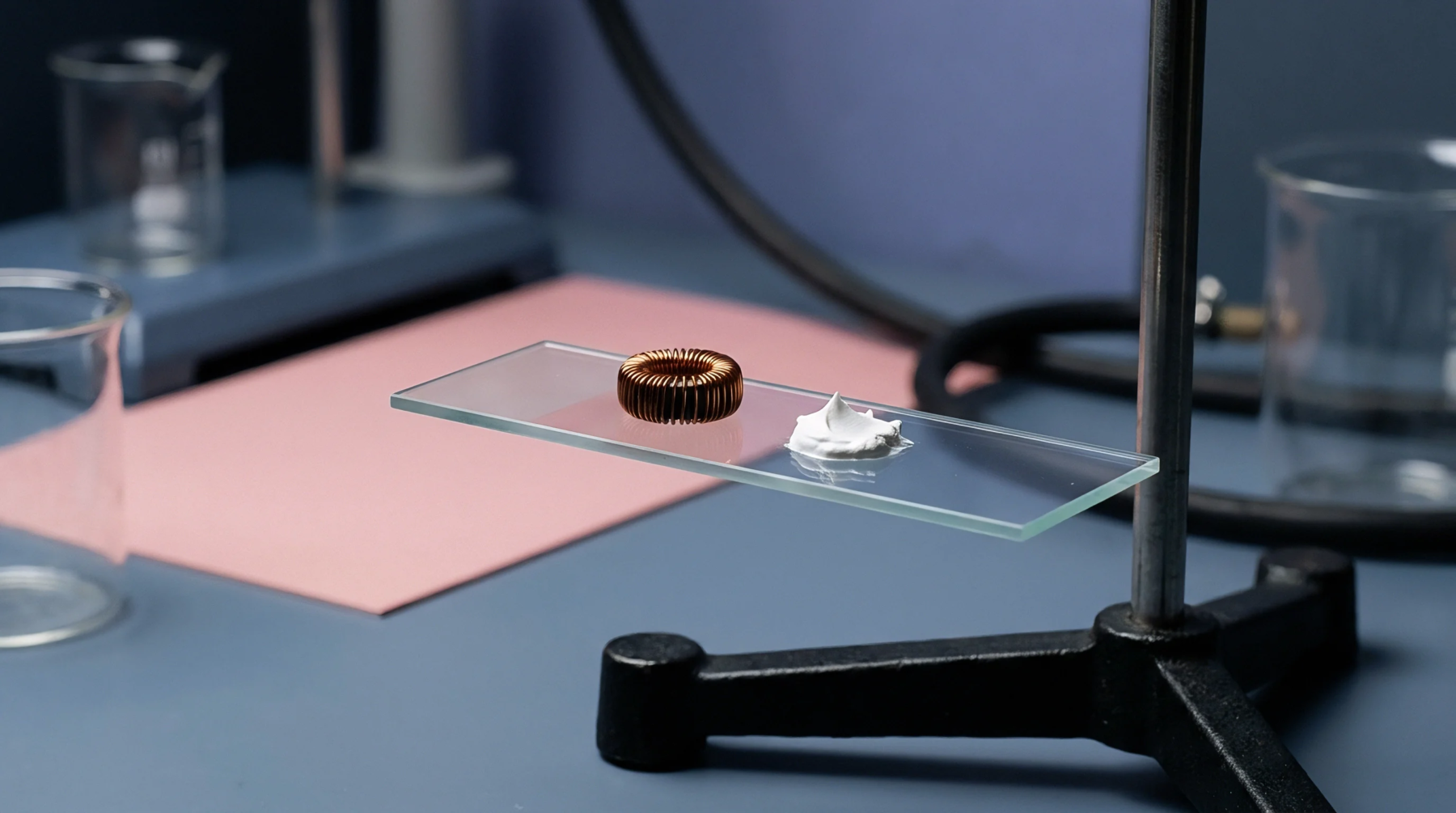
Characterizing step stencil transition drops requires isolating squeegee skip shadows using 3D SPI and enforcing a 1.5 mm keep-out to prevent joint starvation.

Baseline SMT stencil area ratios govern paste transfer efficiency, requiring minimum thresholds of 0.66 for standard foils and 0.50 for nano-coated apertures.

Optimize micro-pitch stencil area ratios above 0.50 by pairing fine-grain or electroformed foils, nano-coatings, and Type 5 paste to stabilize transfer volume.

Nano coated stencils sustain solder paste transfer efficiency above seventy-five percent across sub point six area ratios by reducing aperture wall friction.
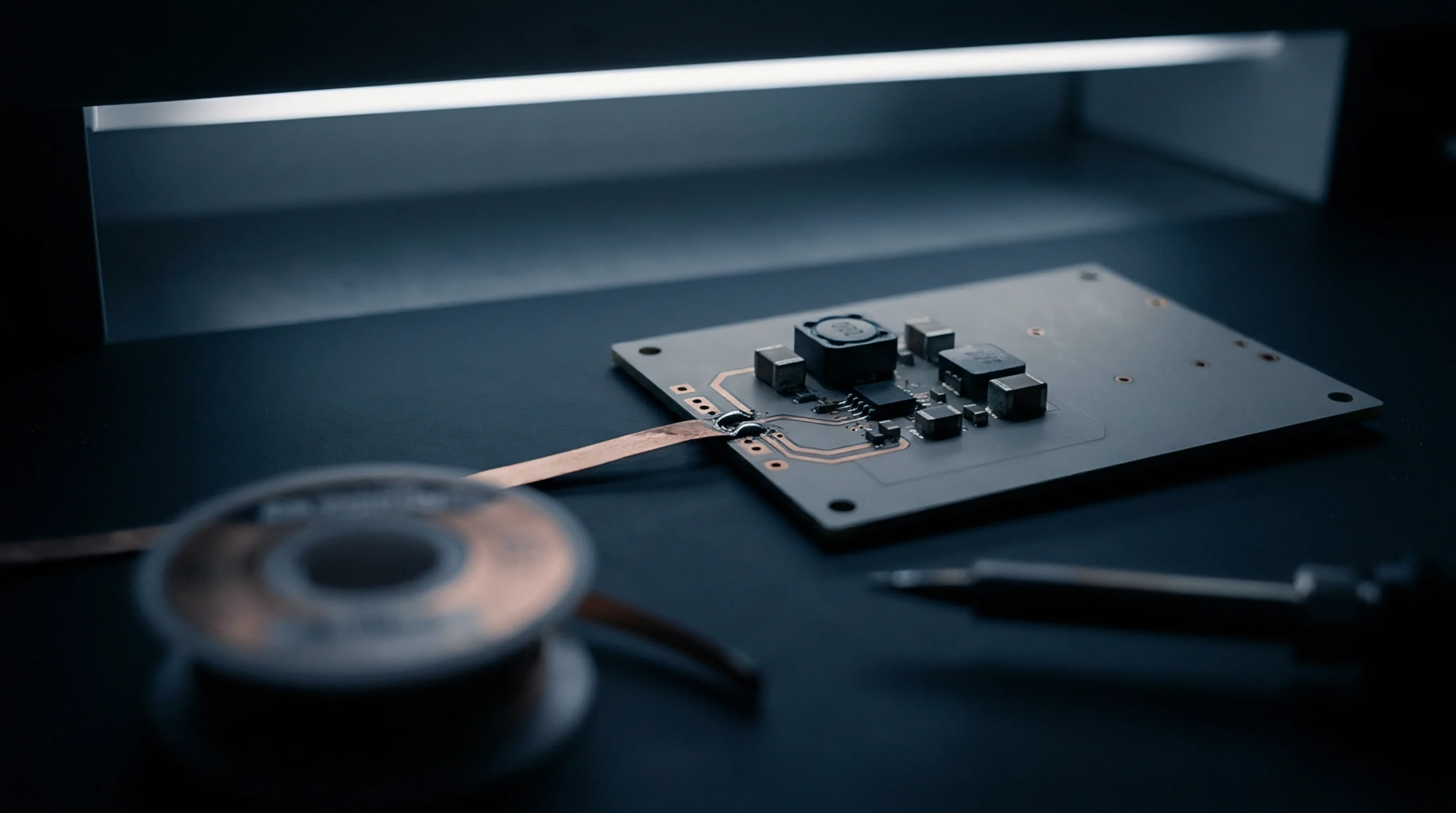
Evaluating solder paste volume across fine pitch pads requires maintaining area ratios above 0.55 and enforcing 3D inspection windows between 75 and 120 percent.
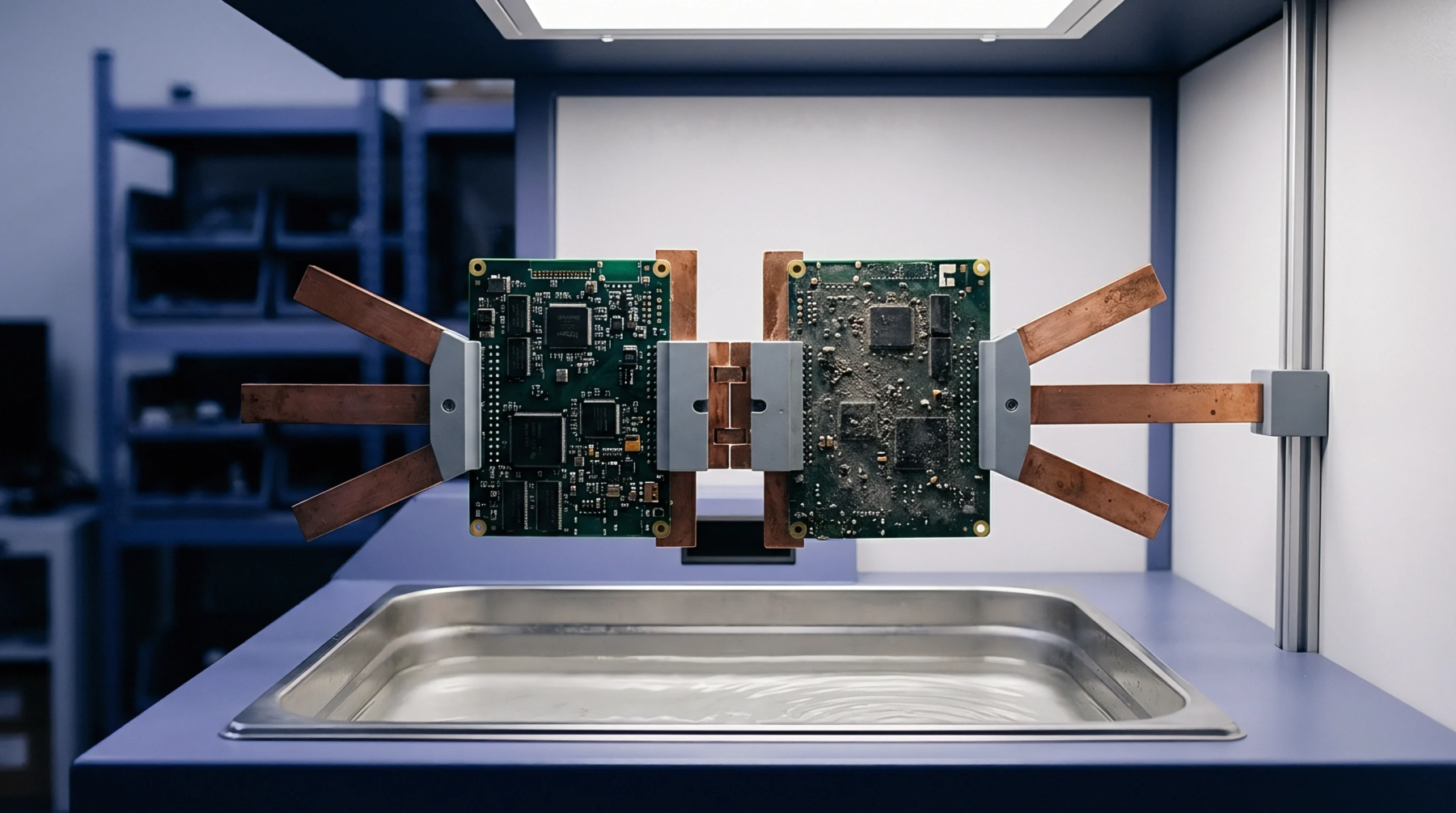
Additive nickel electroforming delivers mirror-smooth aperture walls and positive release tapers that preserve high-yield solder volume below 0.50 area ratios.
Setting automated solder paste inspection hold boundaries requires balancing transfer efficiency limits against component pad density to control false calls.

Aperture area ratios below 0.66 demand smooth sidewalls or nano-coatings to maintain 80 percent paste transfer efficiency.
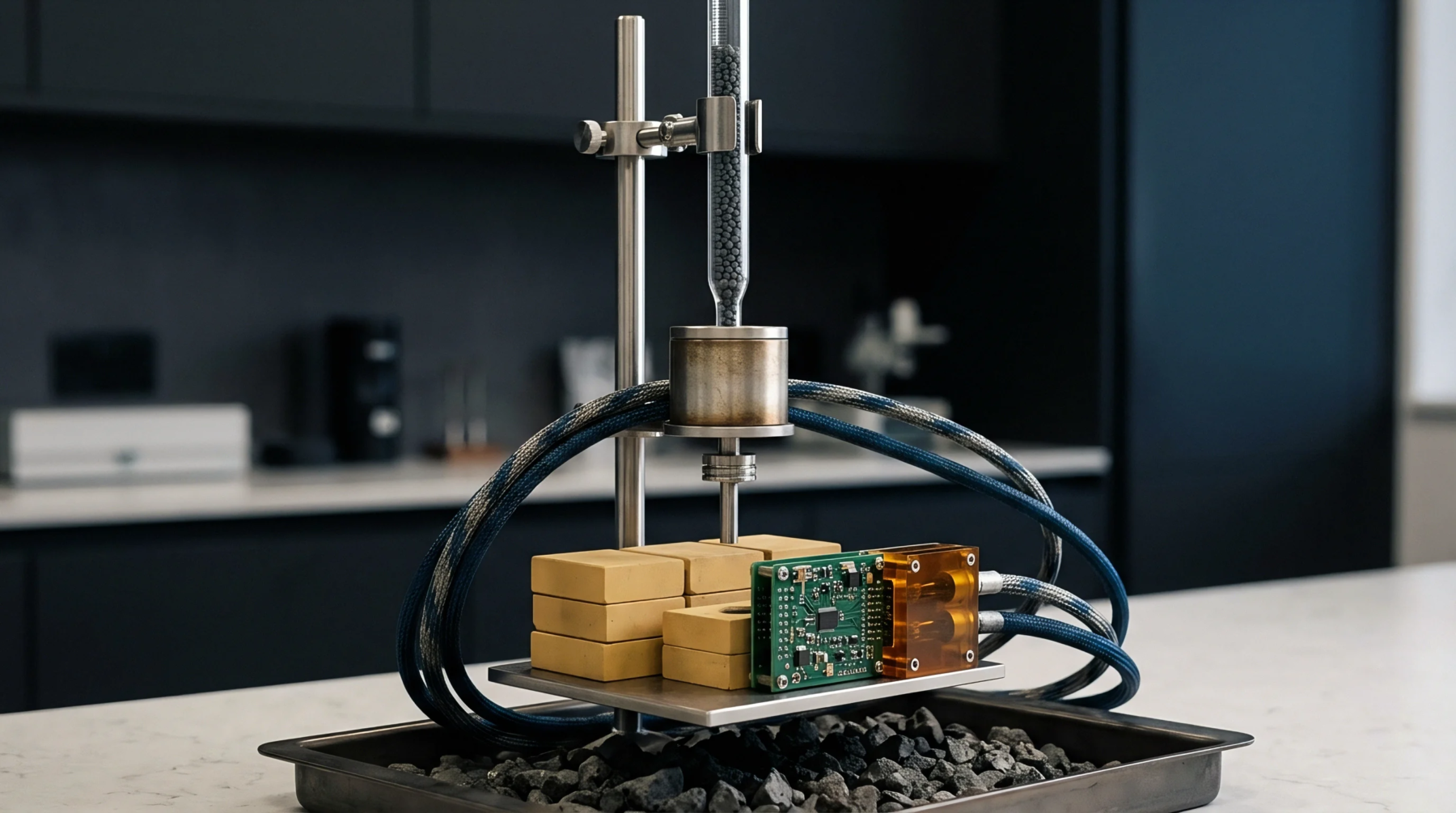
Optimize squeegee speed, separation rate, and aperture nanocoating to stabilize paste viscosity, maintain high transfer efficiency, and maximize SPI yields.
Verify stencil aperture area ratios exceed 0.66 using SPI volume data before adjusting reflow oven profiles for solder starvation defects.

Verify SMT solder paste batches using Malcolm rotational viscometry and 3ITT rheology to prevent stencil slump, fine-pitch bridging, and volume transfer loss.
Component placement and soldering quality depend on stencil aperture ratios above 0.66, vision placement accuracy under 25 microns, and controlled liquidus reflow profiles.
Expertise is a utility, not a secret. sentiention™ publishes its working knowledge as open reference: intelligence layer covering the materials it sources, the markets it enters, and the reference that serves both.