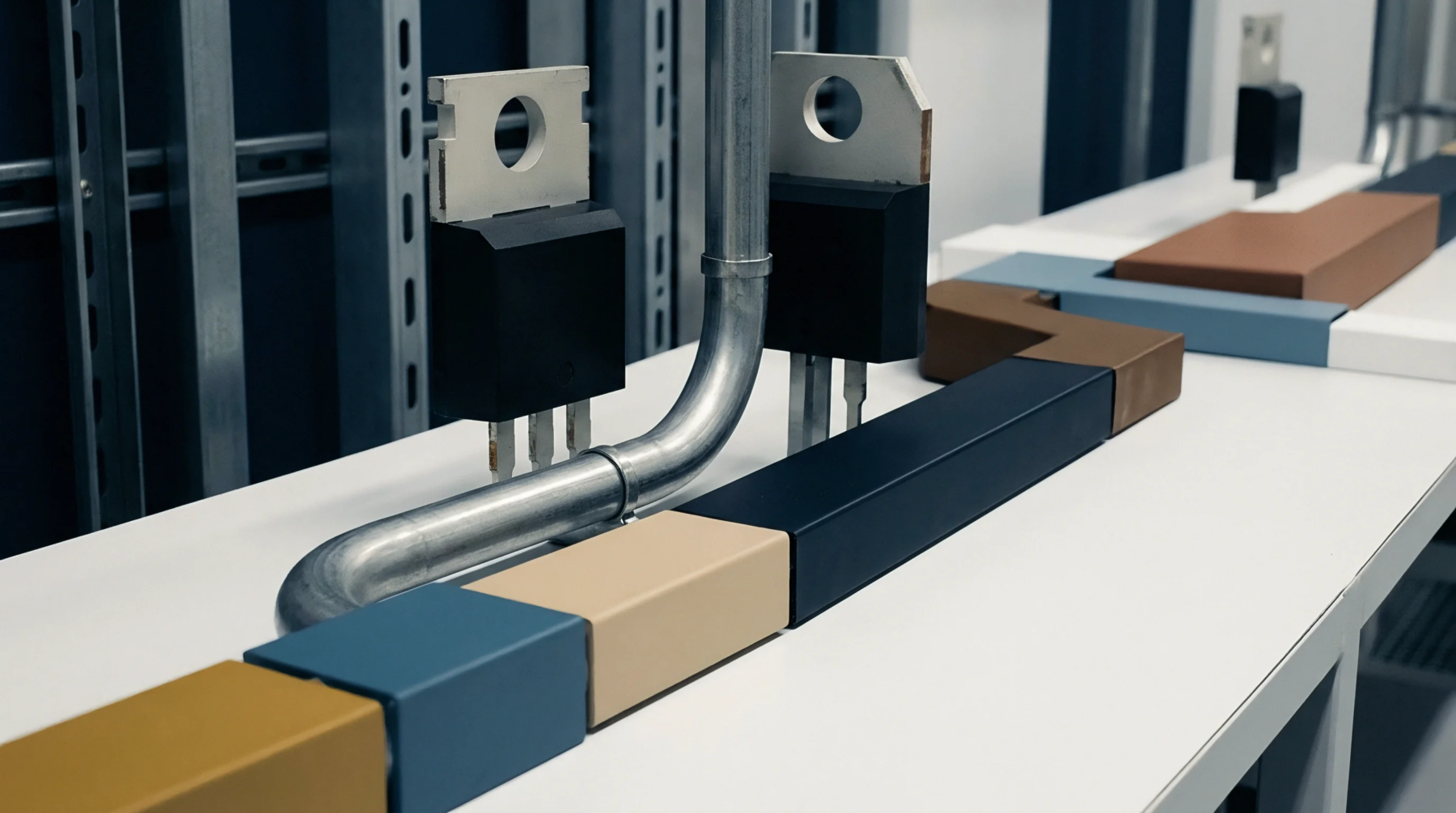
Selective Soldering Nitrogen Inerting Basics on Power Boards
Nitrogen inerting below 100 ppm O2 lowers surface tension and prevents dross, enabling 100% IPC Class 3 barrel fill on heavy copper power boards.
Nitrogen inerting below 100 ppm O2 lowers surface tension and prevents dross, enabling 100% IPC Class 3 barrel fill on heavy copper power boards.
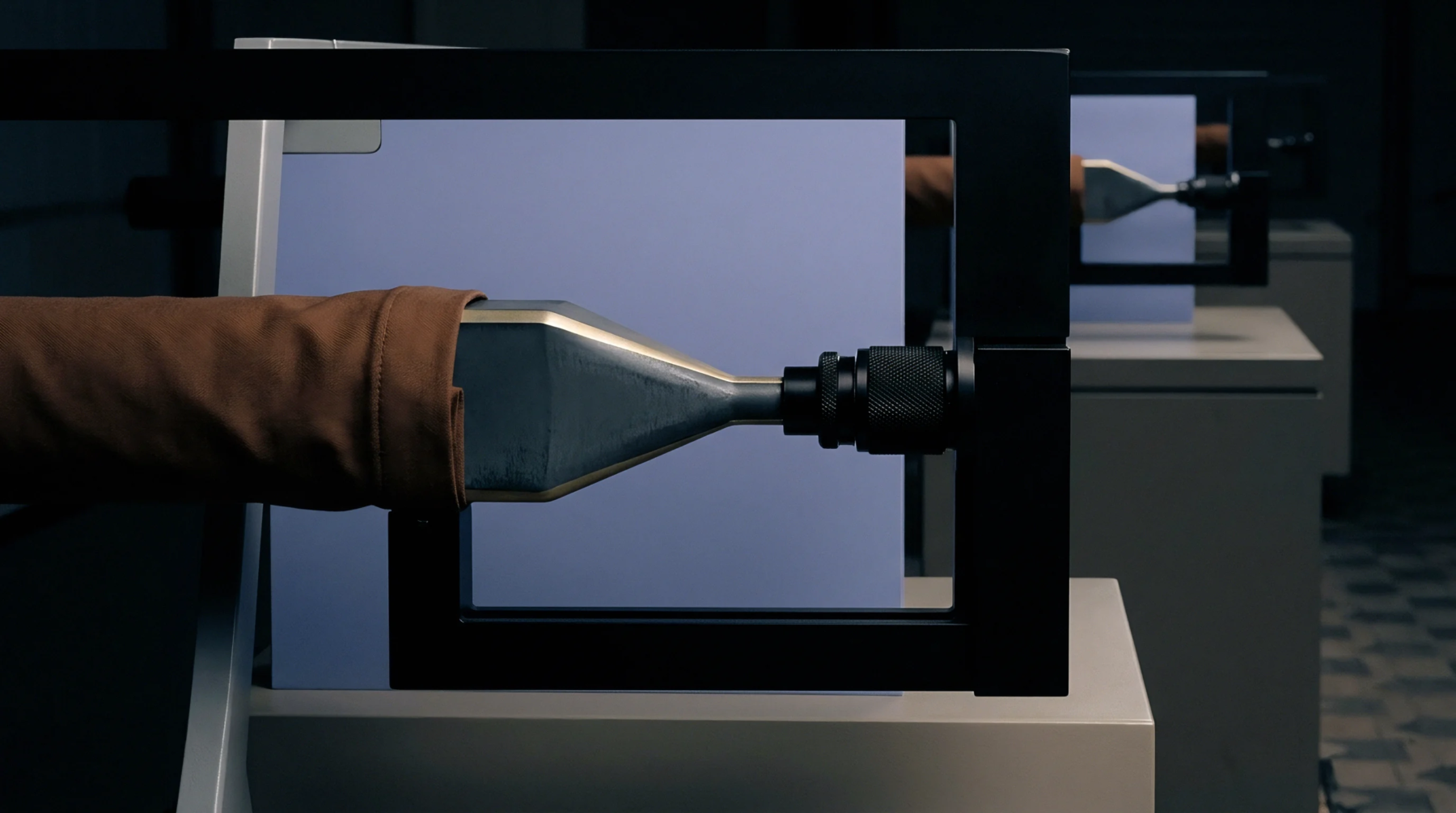
Correlate CT density gradients to microsections by locking segmentation thresholds to the lowest radial slice fill percentage measured on baseline coupons.

Plated through hole solder joints evaluated under IPC standards require strict vertical fill, top and bottom fillet wetting, and bounded radiographic voiding.
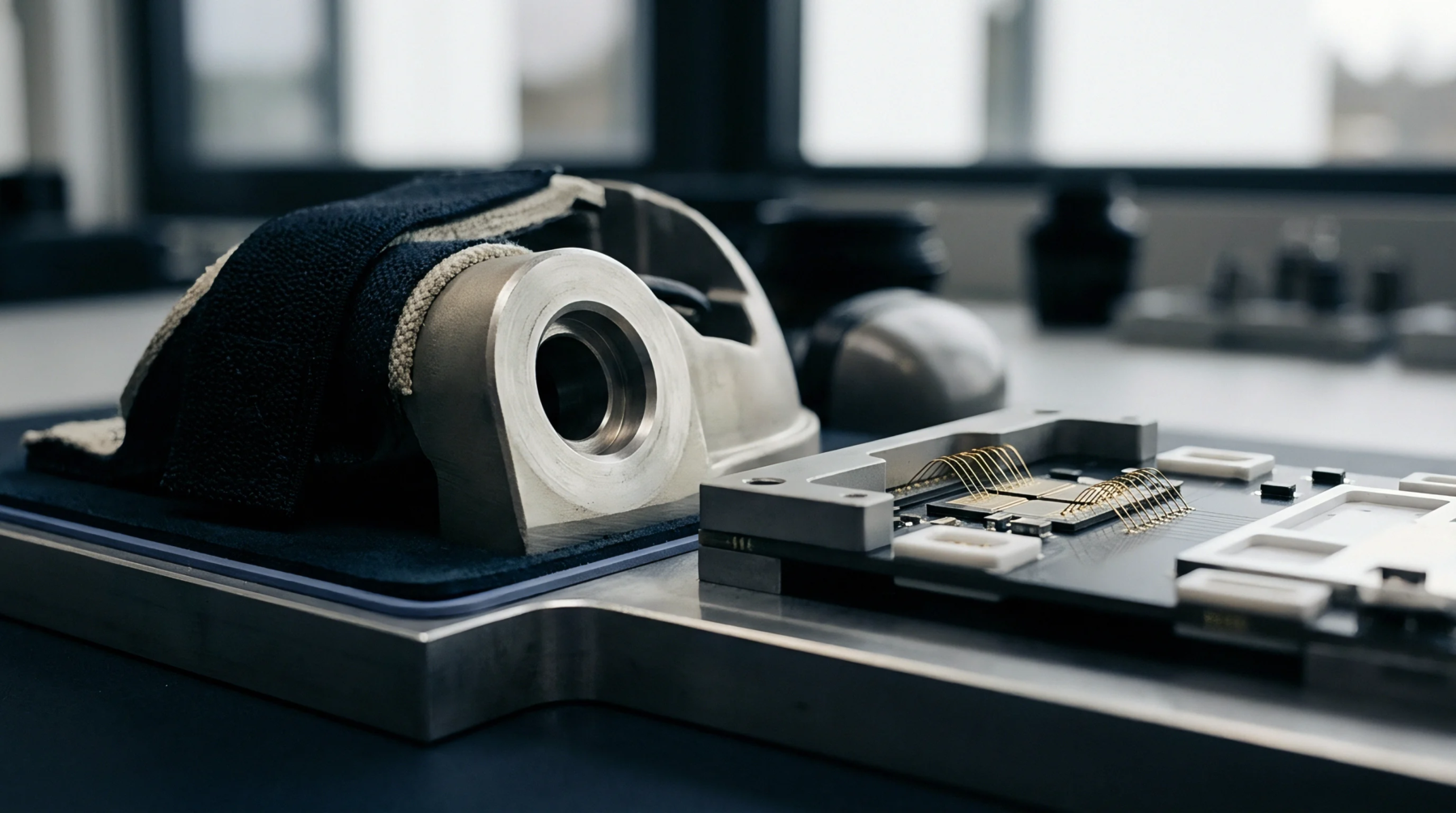
Secondary heat exposure accelerates intermetallic growth, causes void coalescence, and degrades solder joint mechanical strength across multiple reflow passes.
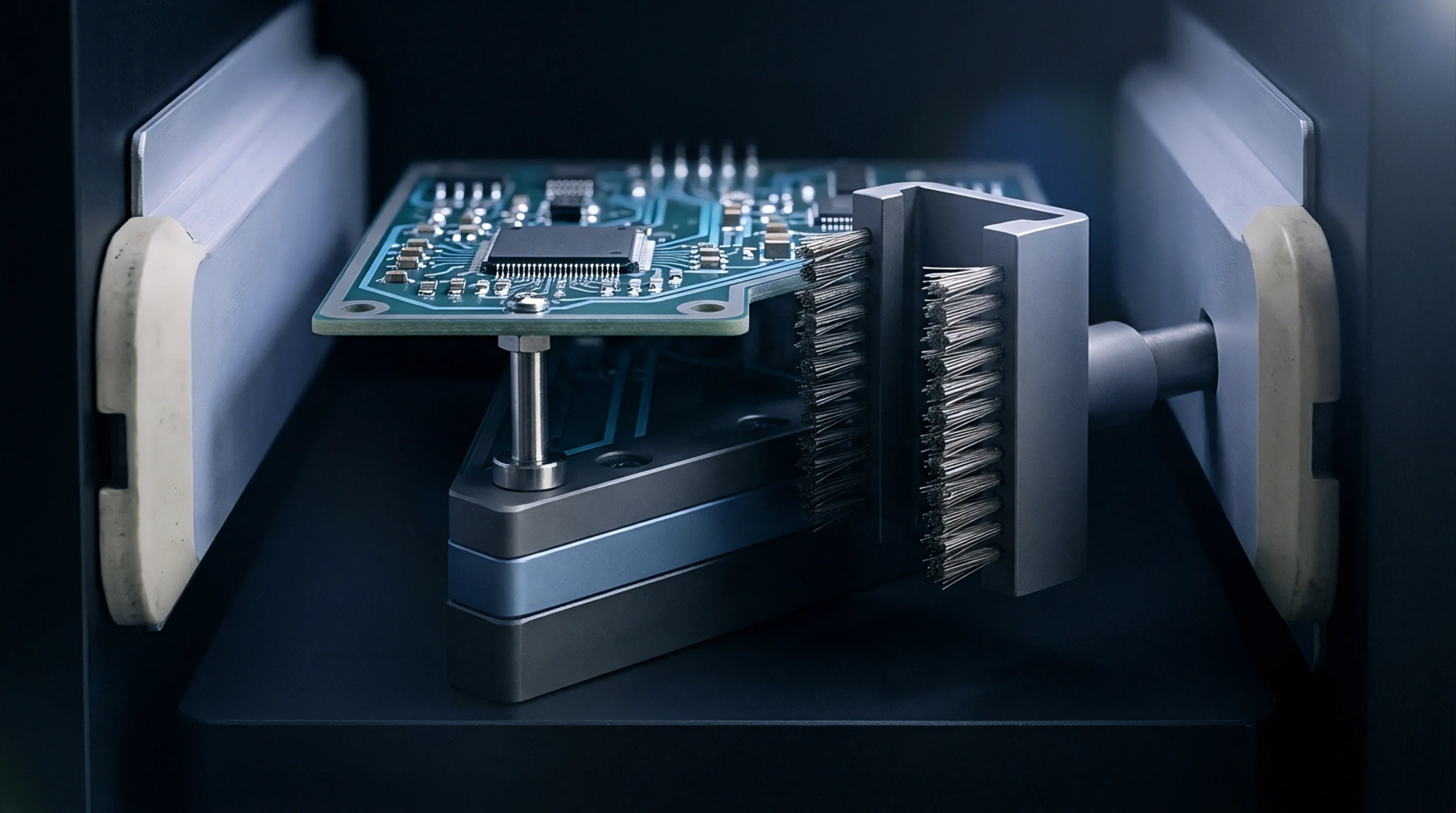
Microvoid coalescence under thermal cyclic strain stems from creep-fatigue interaction at intermetallic layers, requiring EBSD and strain partitioning to prove.
Optimized lead-free reflow profiling requires thermal deltas under eight degrees, controlled time above liquidus, and precise paste transfer efficiency.

Precision pallet geometry balances thermal shielding against wave access, ensuring compliant vertical hole fill and zero SMT bridges on high-density boards.
IPC Class 3 compliance requires minimum 75 percent vertical barrel fill and under 15 percent internal voiding verified via precision microsectioning.
Allocating latent defect risk in advanced assembly relies on defined screening limits, clear warranty triggers, and empirical root-cause testing formulas.
Prevent secondary reflow and component damage by enforcing clear keepout zones, utilizing machined composite shielding, and capping adjacent joint temperatures below 180°C.
Expertise is a utility, not a secret. sentiention™ publishes its working knowledge as open reference: intelligence layer covering the materials it sources, the markets it enters, and the reference that serves both.