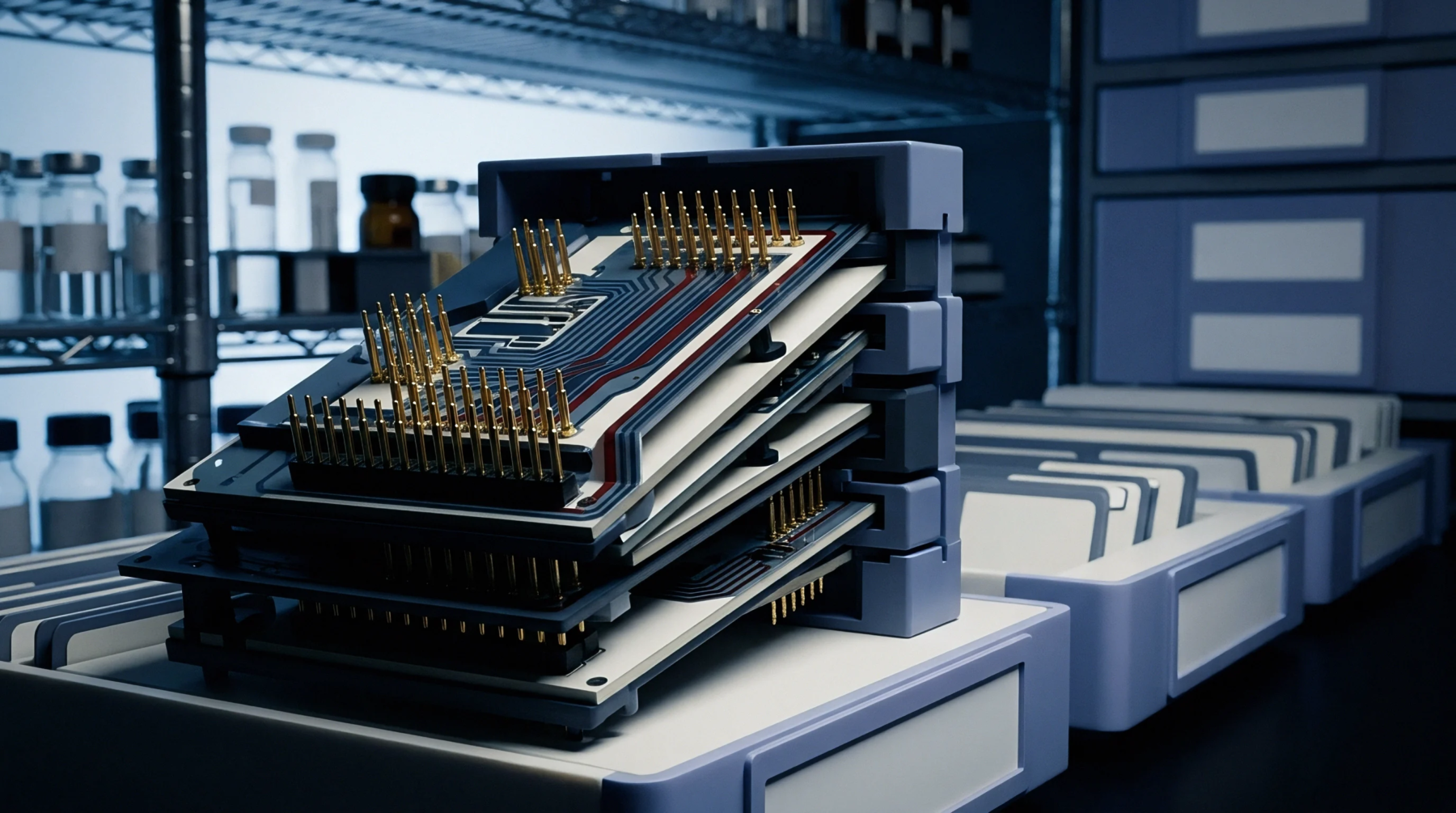
Dissipation Structure
Surface mount reflow soldering utilizes heat-absorbing tooling fixtures to regulate thermal gradients across printed circuit board assemblies. In surface mount processing, a carrier thermal sink dissipates excess heat from heat-sensitive components while balancing heat absorption across dense board regions. Aluminum or copper inserts within pallet carriers divert energy away from delicate active devices during the peak temperature phase.
This passive thermal management tool prevents substrate scorching and localized delamination during conveyor transit through multi-zone reflow ovens.
Thermal Equilibrium
Heat redistribution during oven conveyor movement depends on the heat capacity and conductive contact of metallic inserts within the carrier assembly. When assembly lines run high-density boards containing both massive power devices and tiny passive chips, a carrier thermal sink prevents smaller components from reaching damaging temperatures before heavy solder joints reflow. The insert draws energy through conductive contact pads, spreading the thermal load evenly into the surrounding fixture mass.
Automated optical inspection and temperature profiling thermocouples verify that temperature differentials across the assembly stay within acceptable process limits. Inadequate contact pressure between the board and the fixture causes uneven heating, leading to cold solder joints or component warping across the substrate array.
Fixture Geometry
Pallet designs incorporate recessed pockets and metallic heat sinks milled to match specific component layouts. The carrier thermal sink requires periodic inspection to detect surface oxidation or mechanical distortion that degrades conductive thermal transfer. Mechanical maintenance routines ensure flat mating surfaces remain clean to maintain consistent thermal conduction across high-volume production runs.