Through Hole Integration
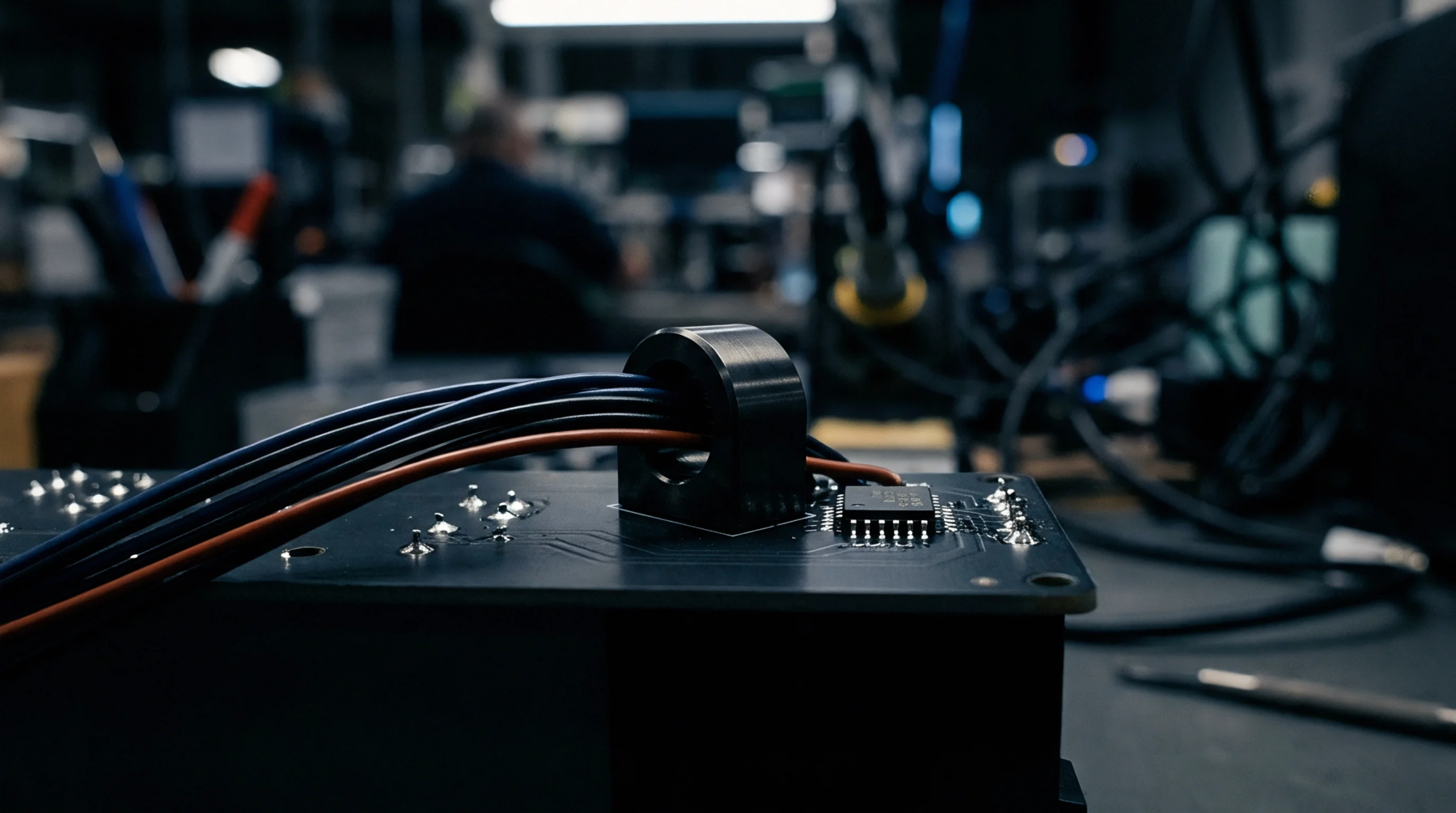
Soldering through-hole components using standard surface mount assembly lines is achieved by depositing solder paste directly into and over plated through-holes. This process, often referred to as pin in paste, removes the separate wave soldering step by processing both surface-mount and through-hole components together. The component leads are inserted through the paste-filled holes before the board is passed through the reflow oven.
This method streamlines the assembly flow and reduces the thermal stress experienced by the circuit board.
Aperture Design
Ensuring that enough solder paste is deposited to fill the hole and form a proper fillet is the main challenge of this technique. Since solder paste contains solvent and flux which disappear during heating, the printed paste volume must be roughly double the physical volume of the final metal joint. Designers must adjust the stencil apertures to deposit extra paste on the solder-mask area around the hole.
This overprinting technique pulls the molten solder back into the joint through surface tension as it melts.
Reflow Assembly
The component bodies must be made from high-temperature polymers to survive the reflow temperature. Testing the reliability of these joints relies on automated x-ray inspection to verify complete hole fill and the presence of double-sided fillets.