Nitrogen Inerting Flow Rate Optimization for Selective Soldering Nozzles
Optimizing selective soldering nitrogen flow balances laminar oxygen displacement against gas turbulence, minimizing dross and defects at lowest landed cost.
Optimizing selective soldering nitrogen flow balances laminar oxygen displacement against gas turbulence, minimizing dross and defects at lowest landed cost.
Bismuth additions in low-silver solder alloys lower reflow temperatures but accelerate interfacial intermetallic growth and voiding during thermal aging.
Substrate copper imbalances create localized thermal sinks during reflow, demanding thermal relief isolation and balanced stackups to prevent joint defects.

Broker components during selective soldering fail vertical barrel fill when lead intermetallics exceed 0.5 µm, remediated by wetting balance audits.
Aged organic surface finishes degrade via thermal volatilization and substrate copper oxidation, increasing wetting zero-force time beyond acceptable SMT limits.
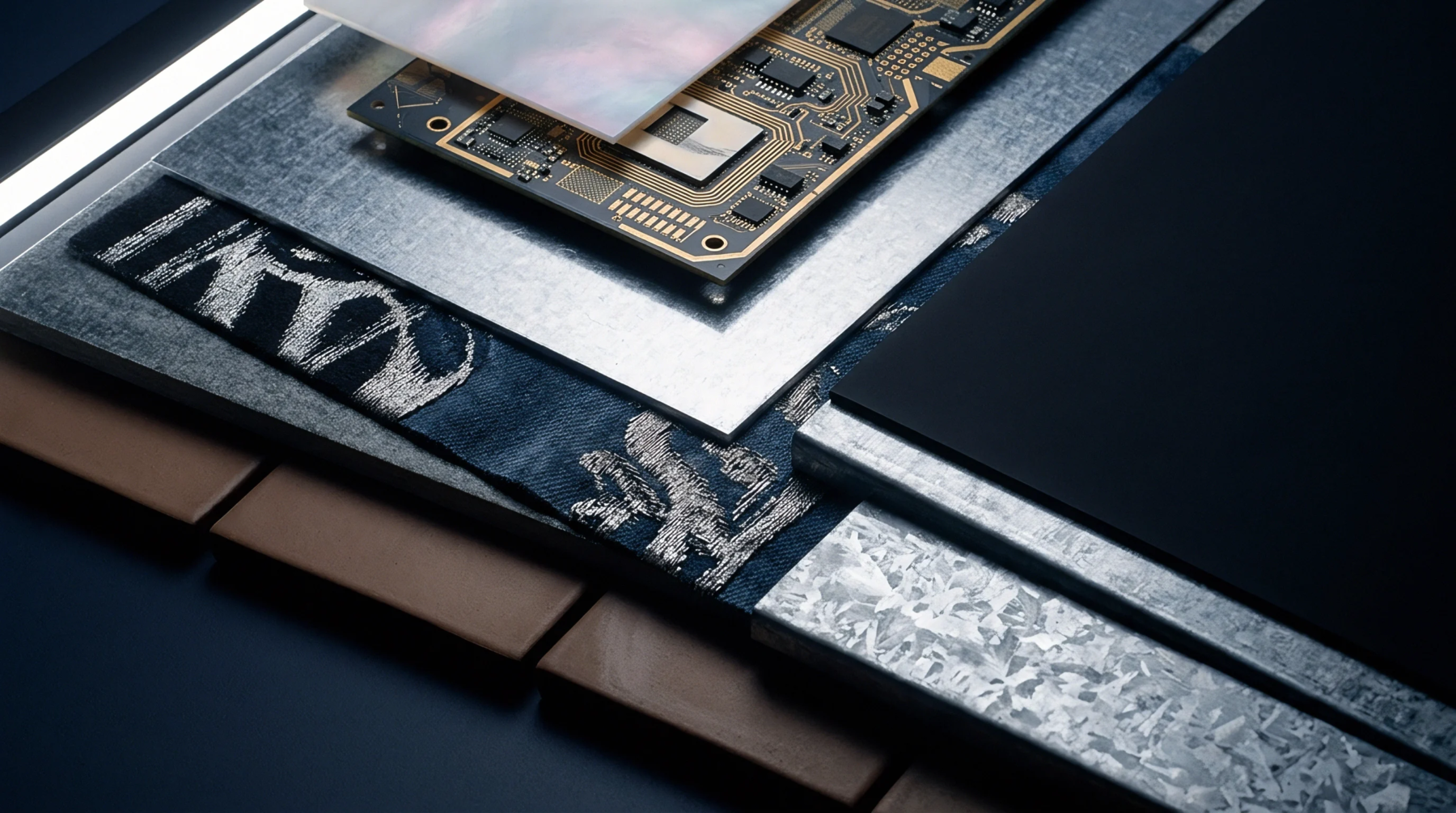
Preserve warehouse PCB solderability by specifying barrier plating thicknesses and enforcing hermetic moisture barrier packaging with active desiccant.

Thermal baking consumes fusible tin through solid-state intermetallic growth, limiting desiccation cycles before wetting failure halts high-speed placement lines.
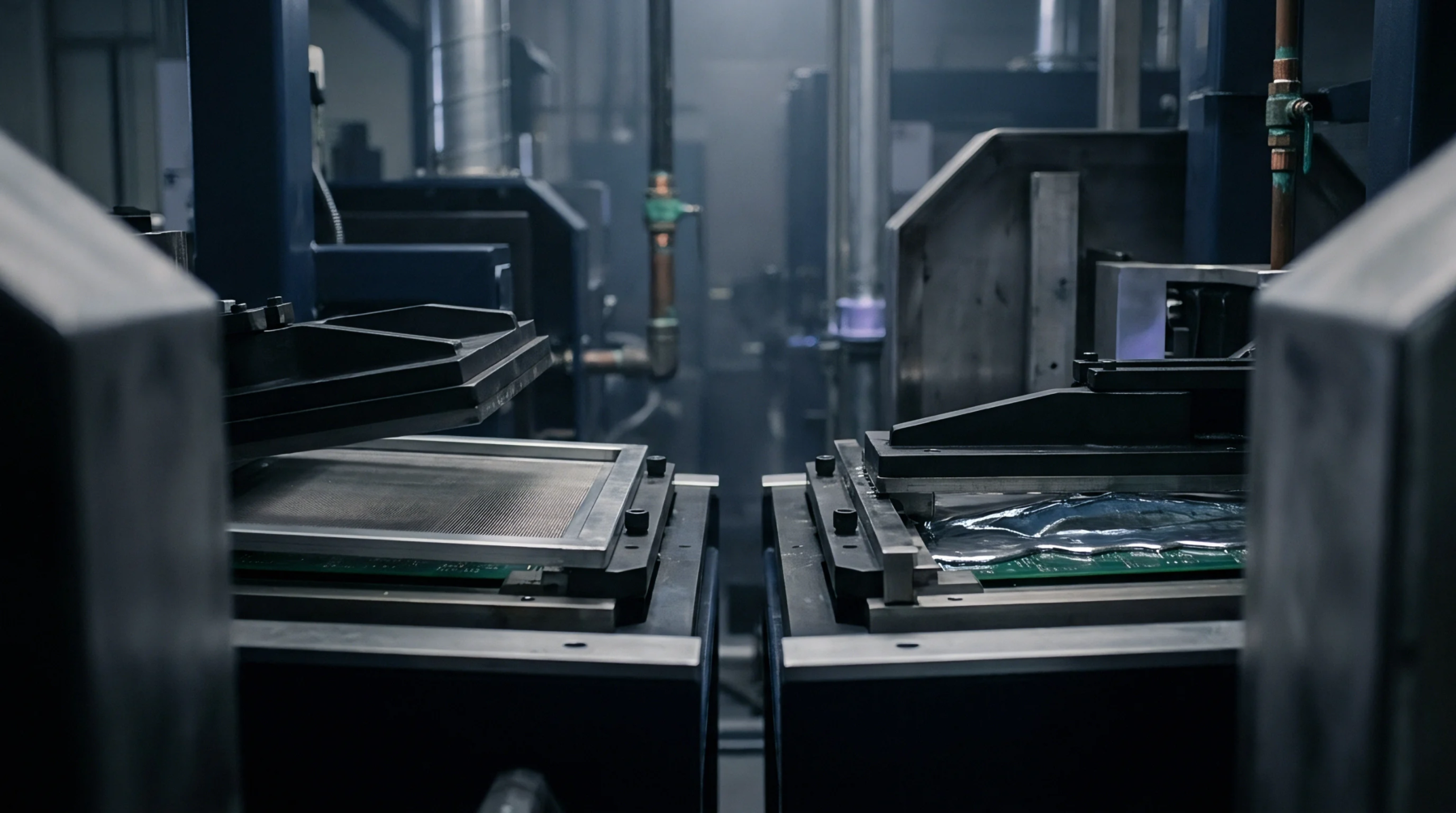
Predict gas temperature drop by coupling nozzle jet momentum with interzone pressure gradients to quantify entrainment volume and preserve solder joint liquidus.
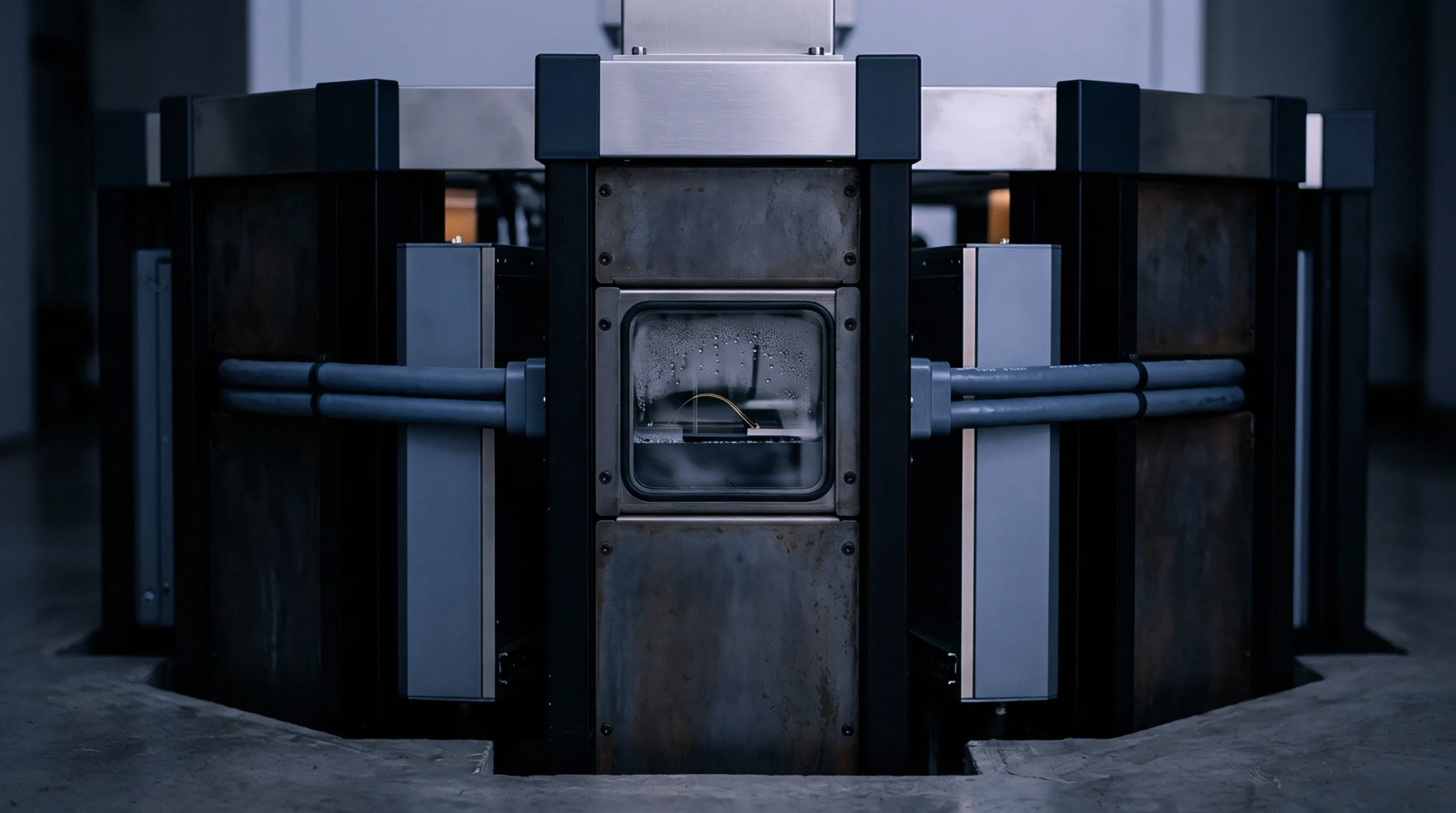
Calibrating reflow profiles for heavy copper circuits requires lengthening soak times to collapse thermal deltas across variable mass areas.

Baseline verification of incoming solder paste requires verifying transit thermal logs, measuring malcom viscosity, and checking powder oxide limits.
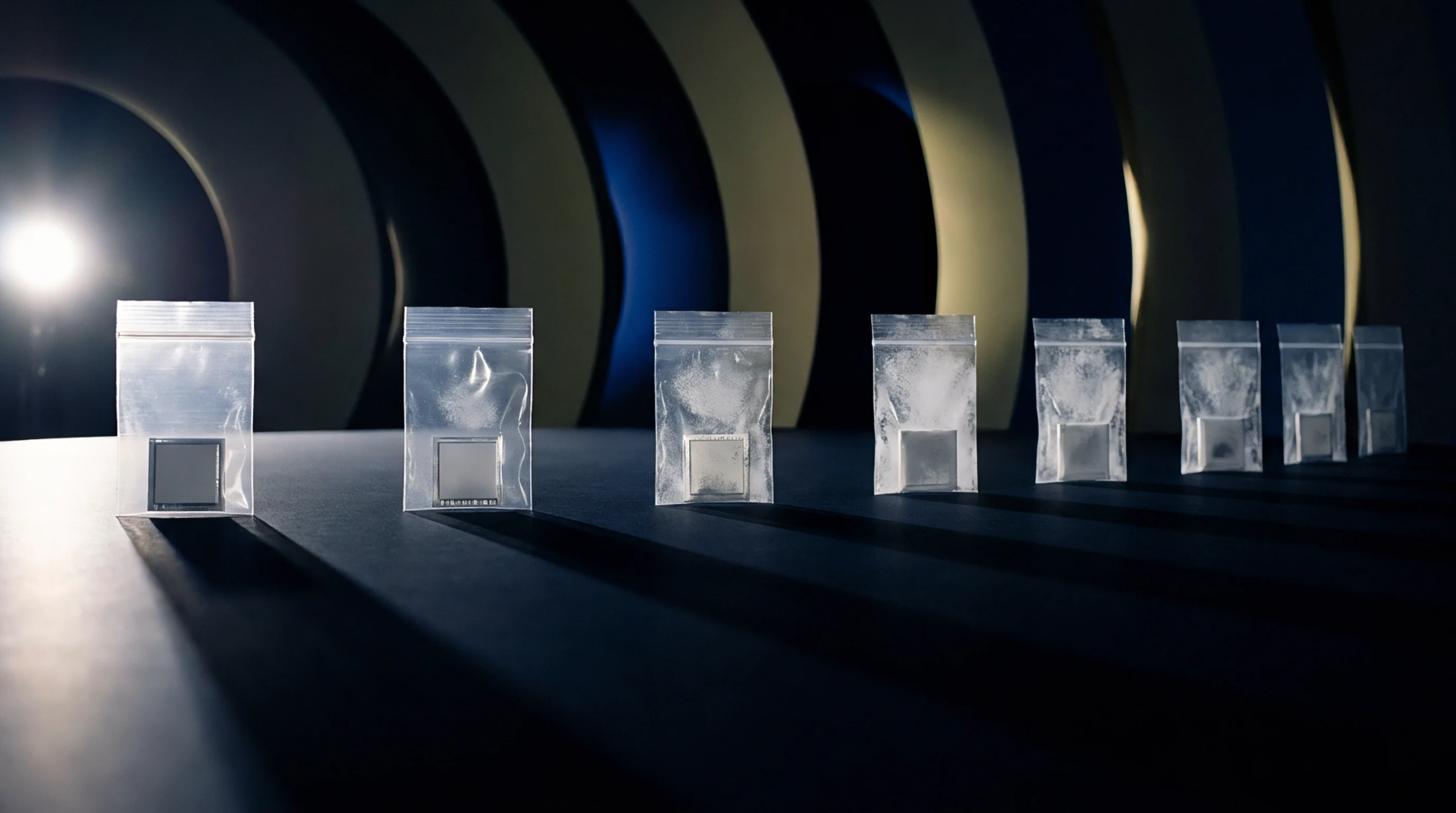
AS6081 analytical screening prevents gray-market component defects from causing SMT downtime and joint failures through targeted non-destructive and laboratory tests.
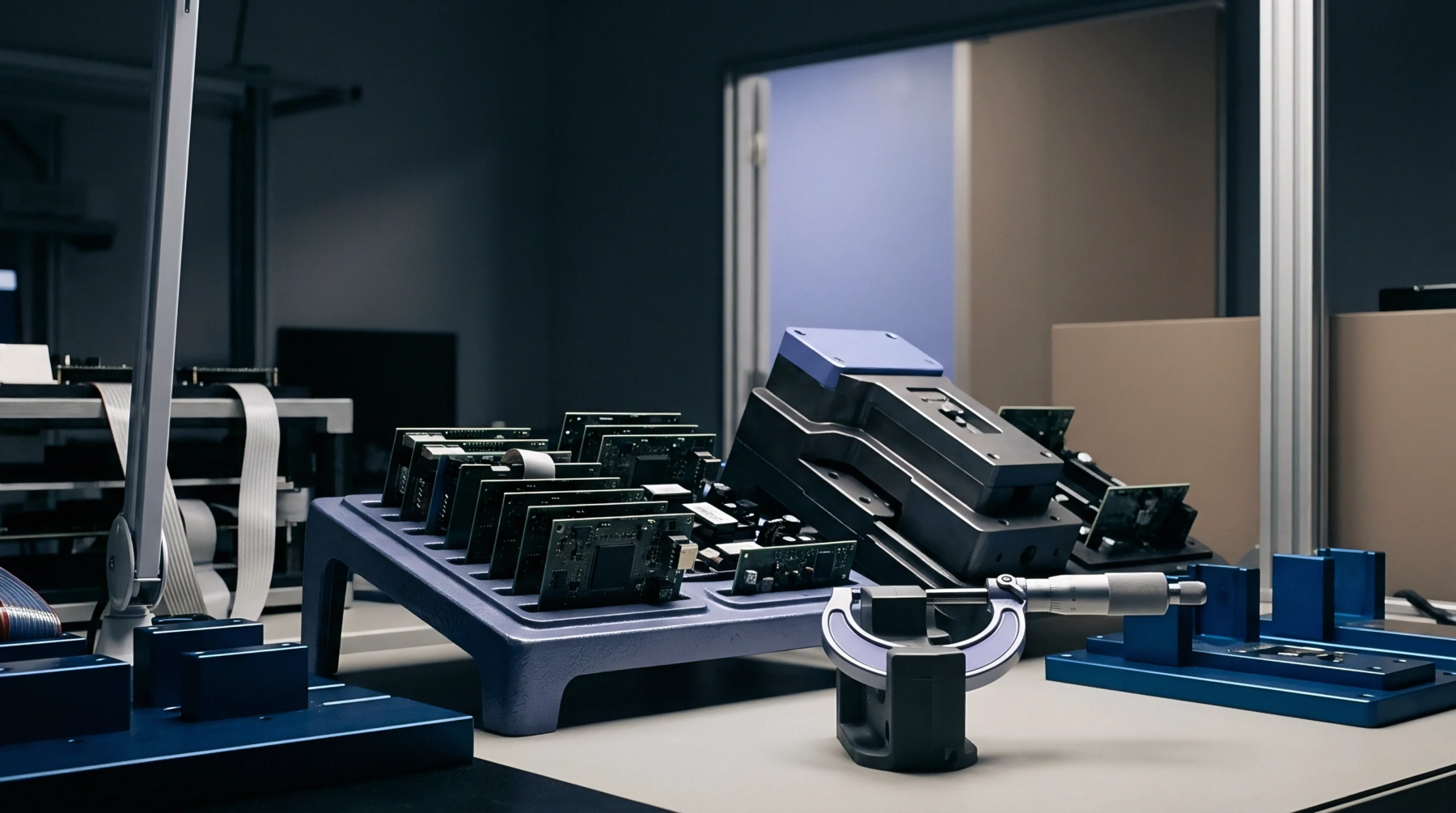
Achieving vertical hole fill on heavy copper PCBs requires extended preheat profiles, thermal relief spokes, and precise solder paste volumetric overprinting.
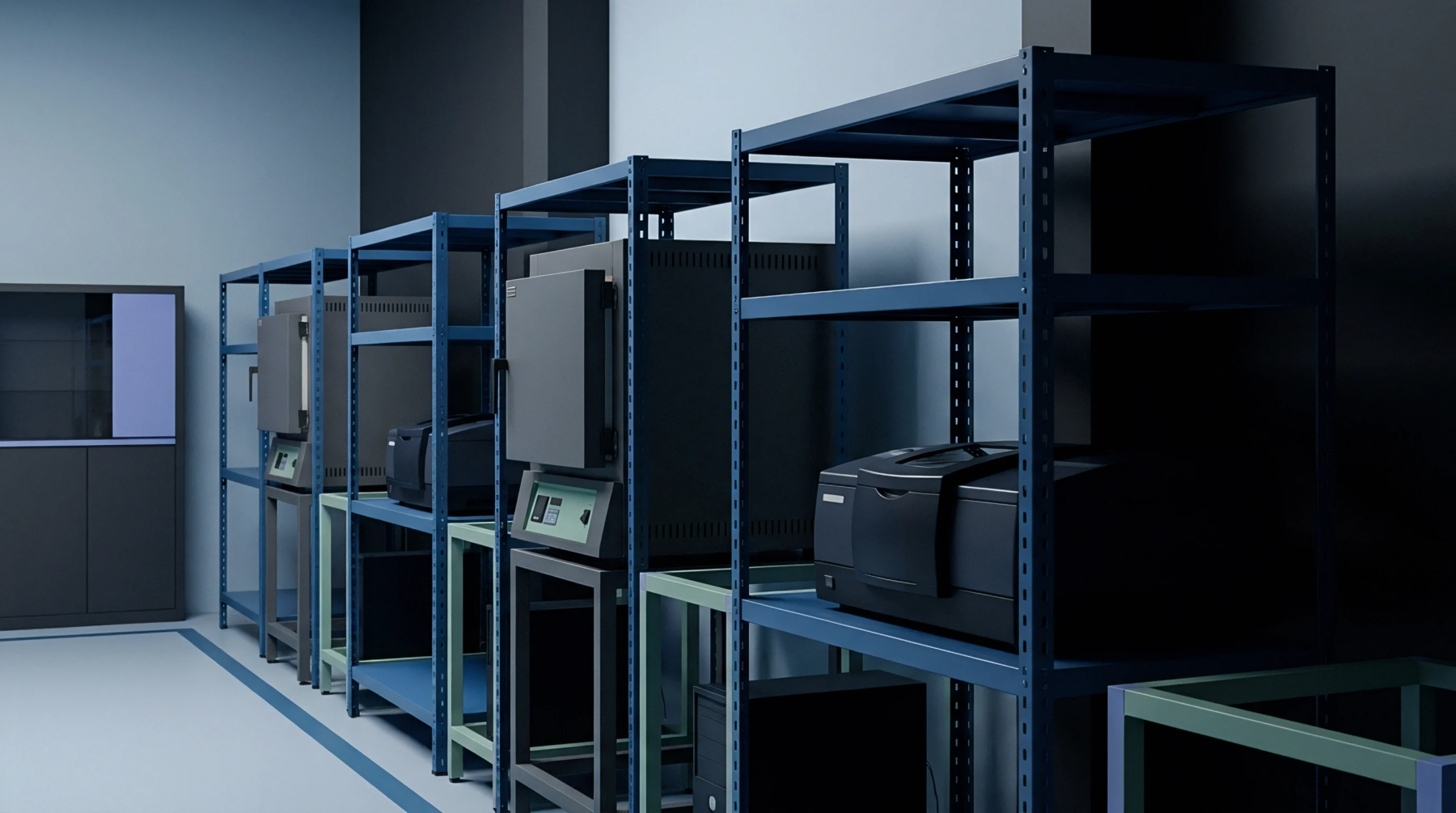
ENIG guarantees 24-month solderability for staggered assembly runs, while OSP degrades beyond six months unless stored in vacuum-sealed moisture barrier bags.
Expertise is a utility, not a secret. sentiention™ publishes its working knowledge as open reference: intelligence layer covering the materials it sources, the markets it enters, and the reference that serves both.