Managing Reflow Profiles on High Thermal Mass PCB Assemblies
Managing reflow on high thermal mass PCBs requires extended soak profiles, nitrogen inerting, and precise TC placement to hold Delta T below ten degrees Celsius.
Managing reflow on high thermal mass PCBs requires extended soak profiles, nitrogen inerting, and precise TC placement to hold Delta T below ten degrees Celsius.
Thermal lag in heavy copper selective soldering is optimized by balancing high topside preheat soaks with pin-specific dwell times to achieve 100 percent barrel fill.
Calibrating reflow profiles for heavy copper circuits requires lengthening soak times to collapse thermal deltas across variable mass areas.
Holding top-side preheat between 105 C and 130 C prevents inner-plane solder freezing, securing complete through-hole fill without secondary reflow.
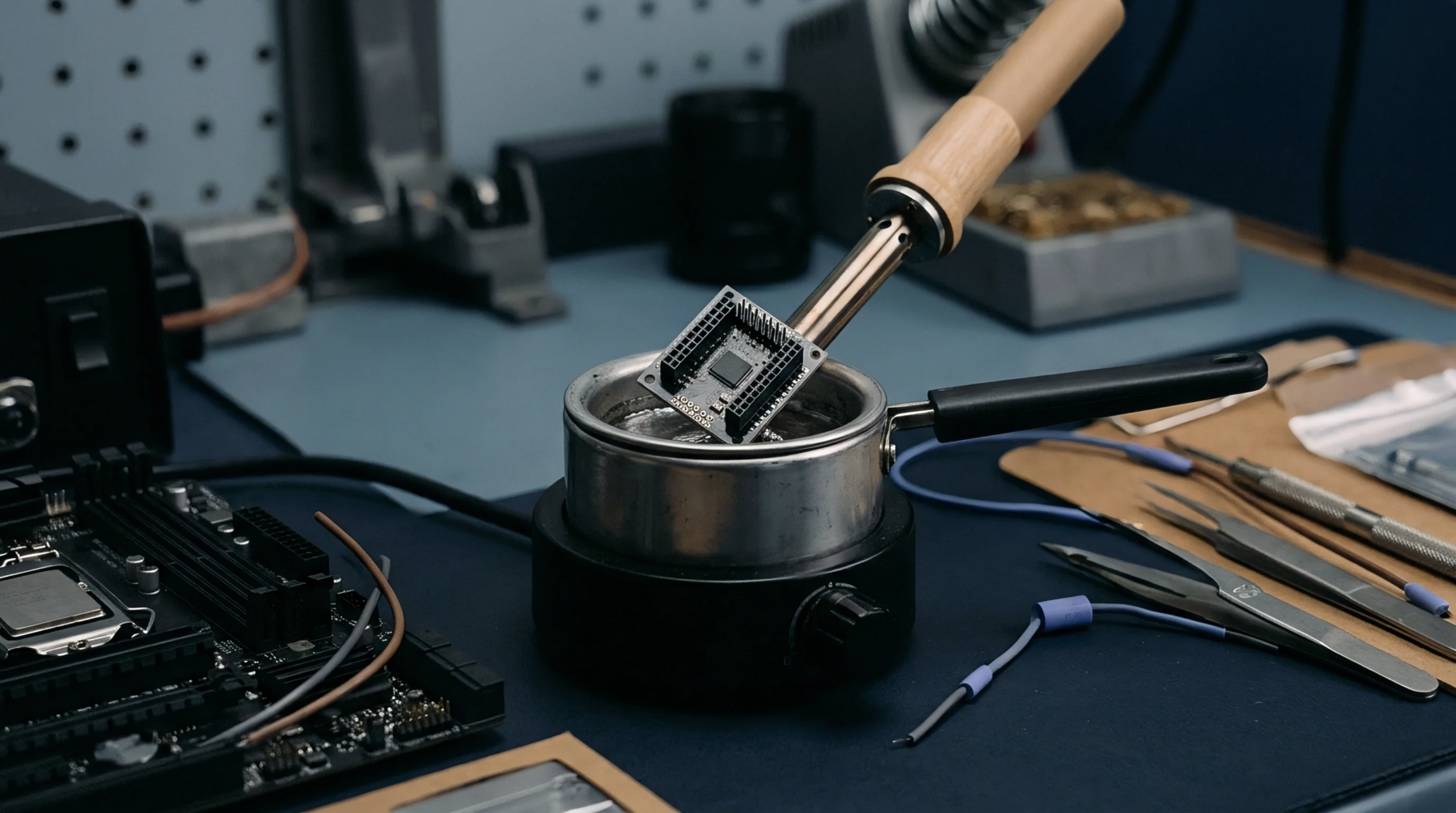
Tune heavy copper reflow profiles by extending soak duration and raising bottom convection to keep assembly delta T below 15°C without burning delicate parts.
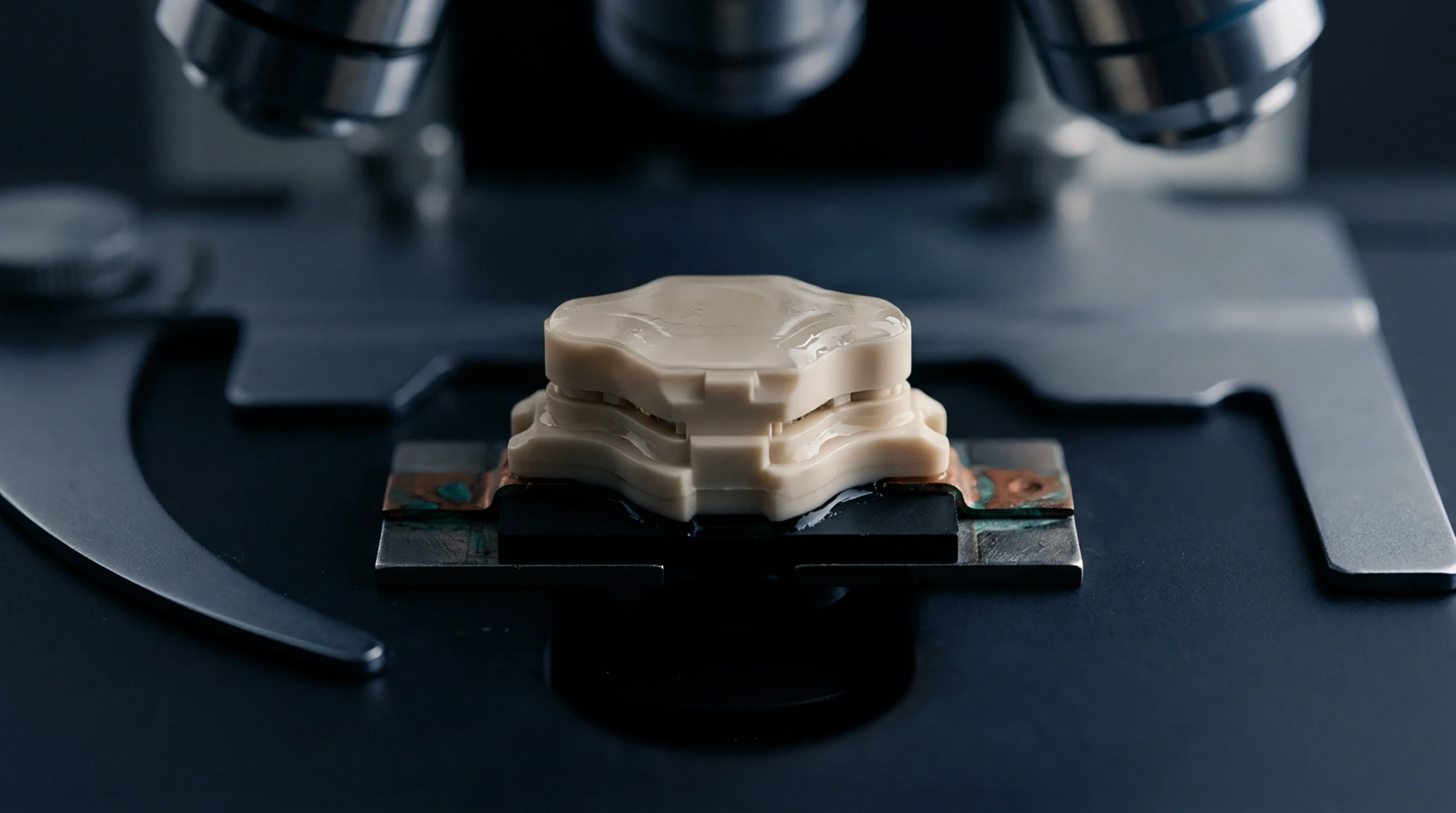
Heavy copper selective soldering balances thermal immersion against rapid dissolution by controlling nozzle drag velocity and bath copper saturation levels.
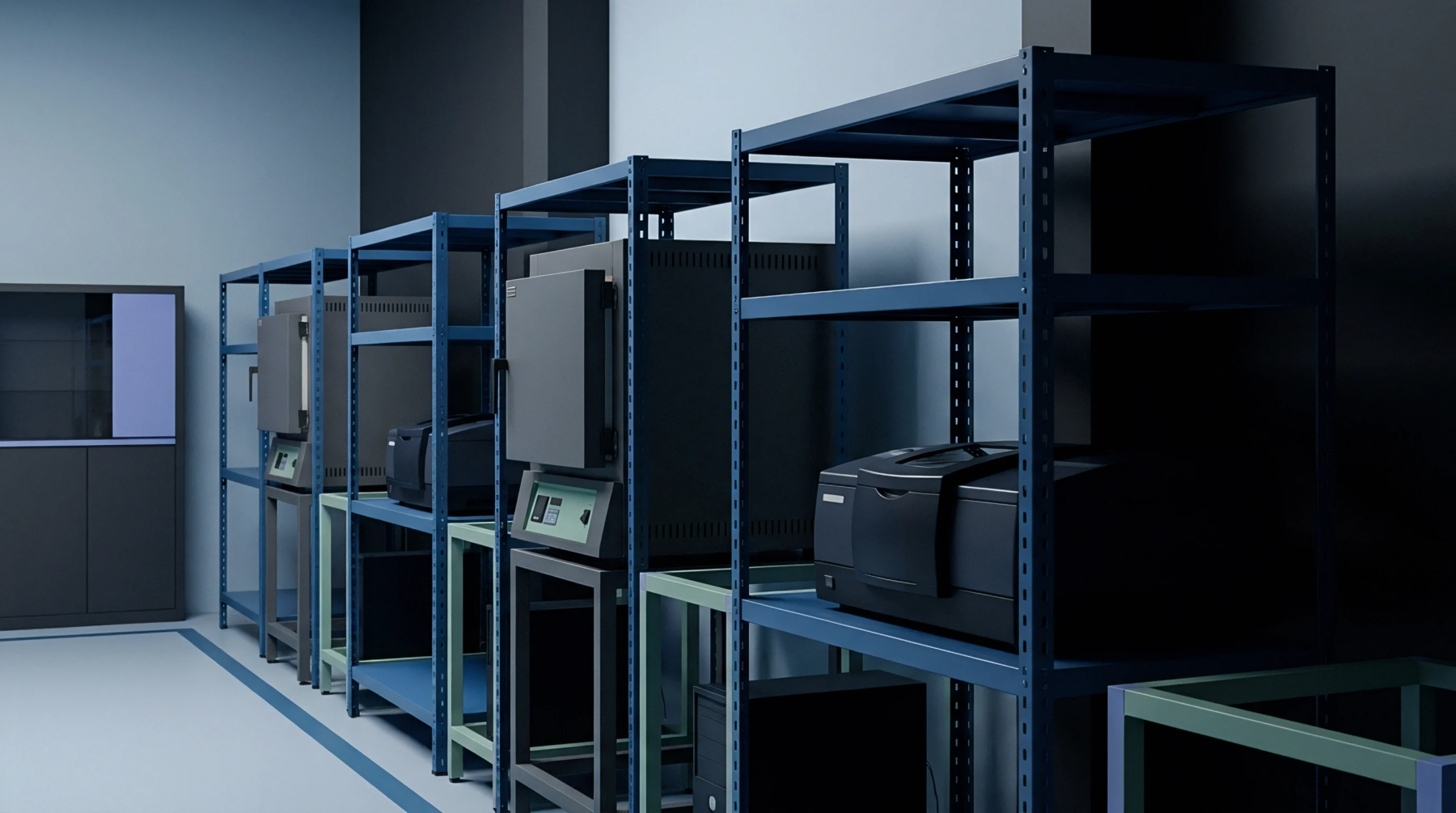
Minimizing assembly thermal gradients demands balanced board copper, tuned oven convection, and zoned soak profiles to shrink array temperature differentials.
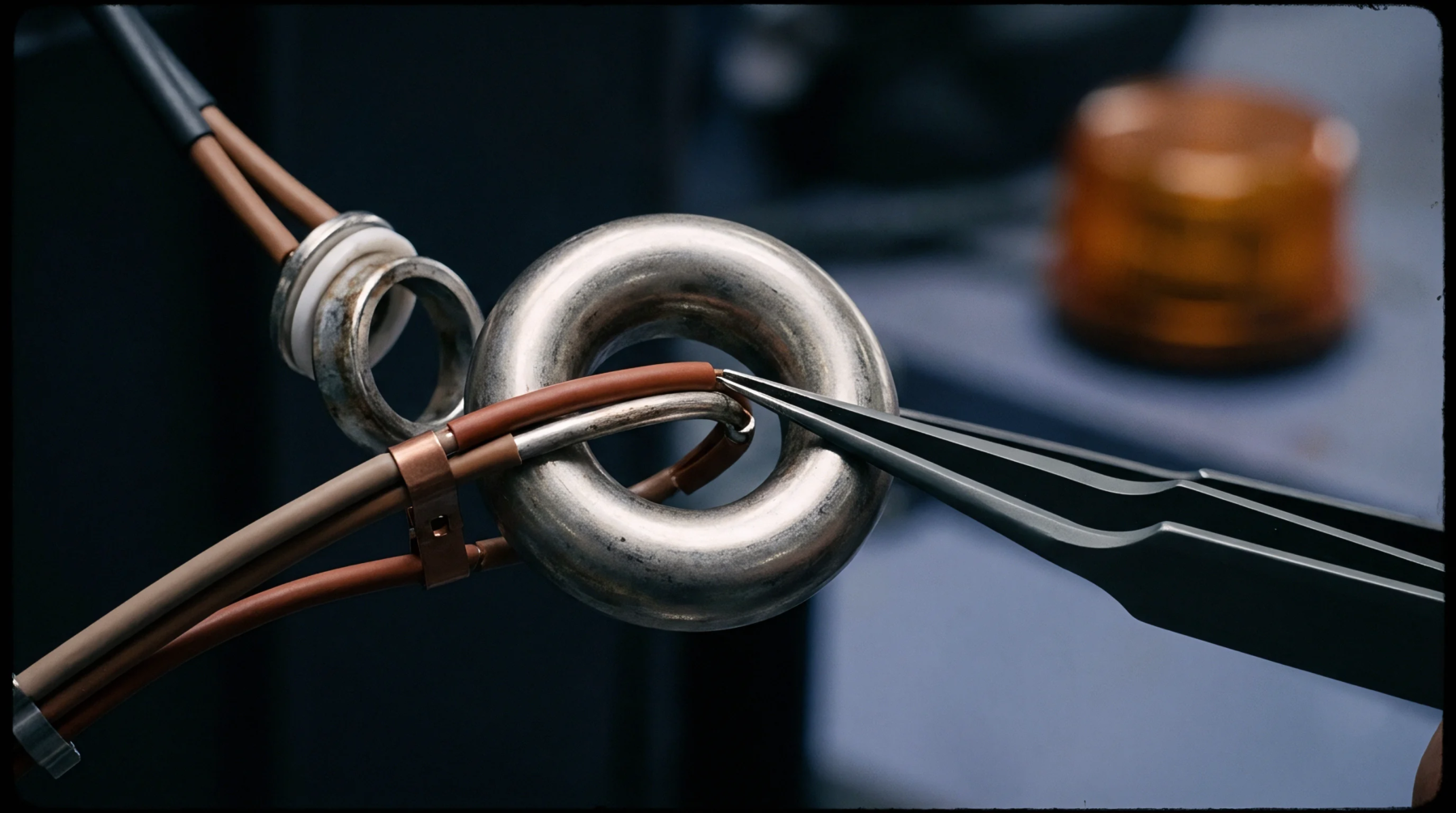
IPC Class 3 compliance requires minimum 75 percent vertical barrel fill and under 15 percent internal voiding verified via precision microsectioning.
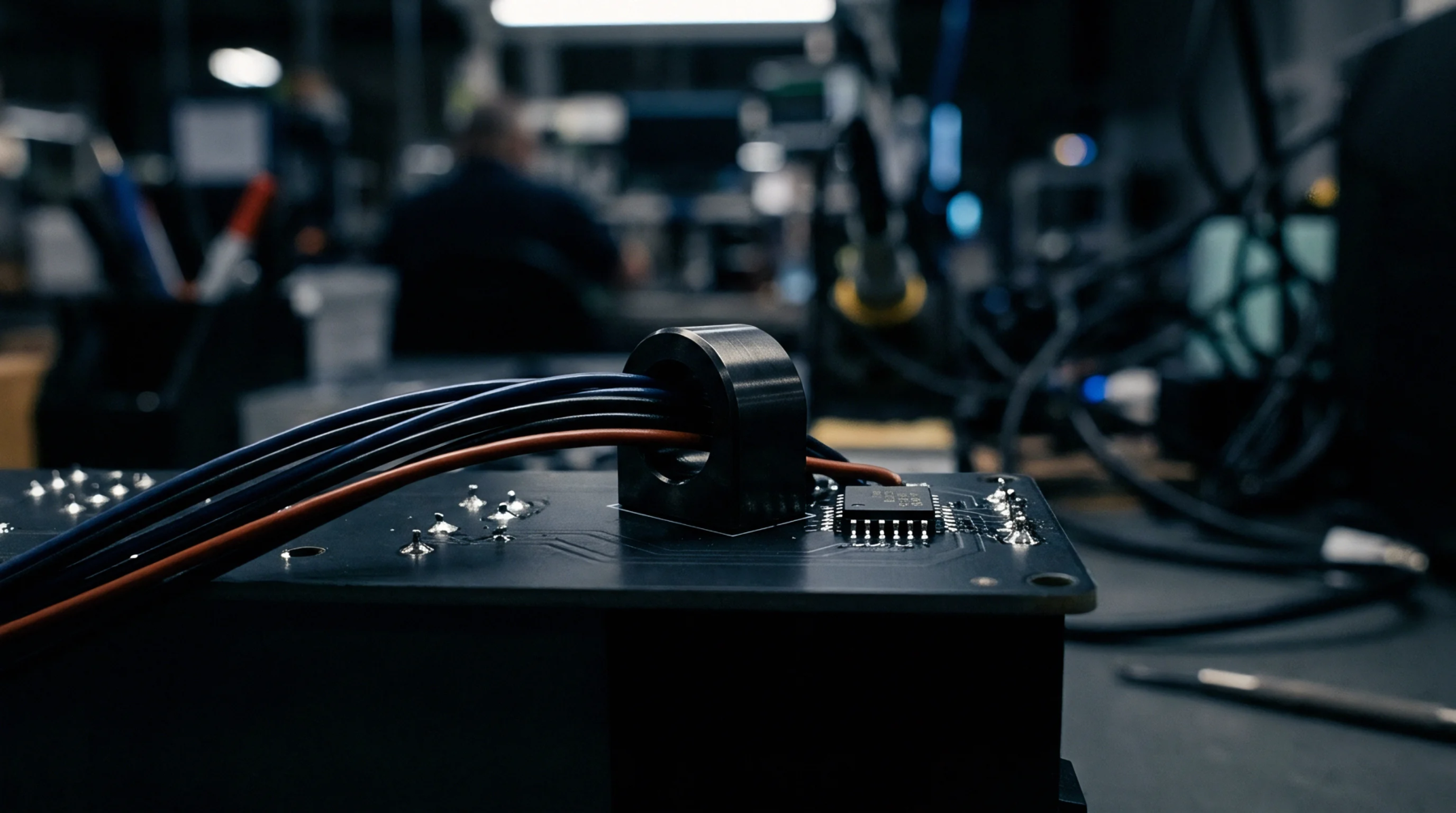
Optimizing barrel fill on high thermal mass boards requires thermal relief geometries, elevated topside preheat, and controlled alloy contact duration.
Expertise is a utility, not a secret. sentiention™ publishes its working knowledge as open reference: intelligence layer covering the materials it sources, the markets it enters, and the reference that serves both.