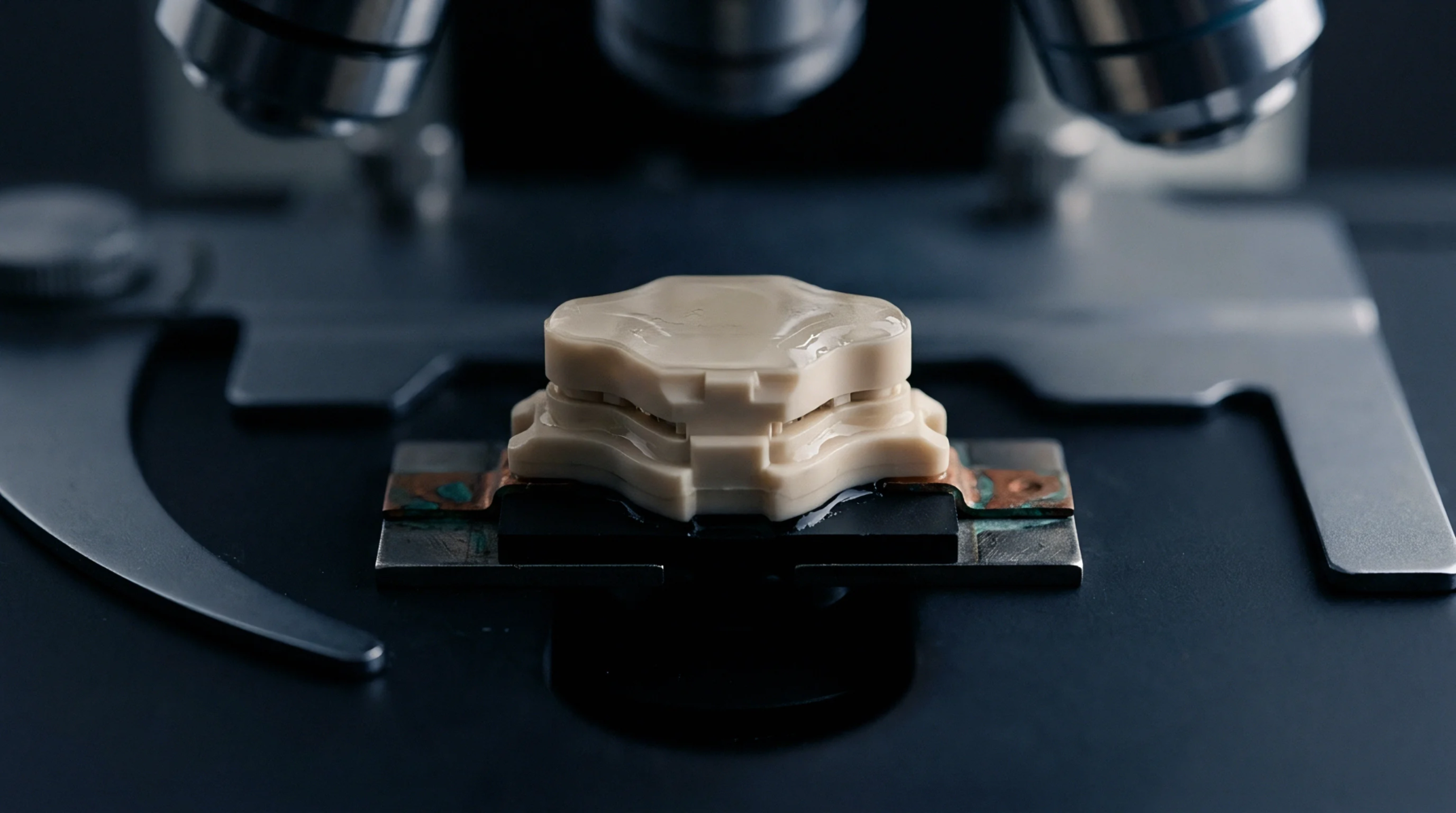
Copper Dissolution Dynamics during Heavy Copper Selective Wave Soldering
Heavy copper selective soldering balances thermal immersion against rapid dissolution by controlling nozzle drag velocity and bath copper saturation levels.
Heavy copper selective soldering balances thermal immersion against rapid dissolution by controlling nozzle drag velocity and bath copper saturation levels.
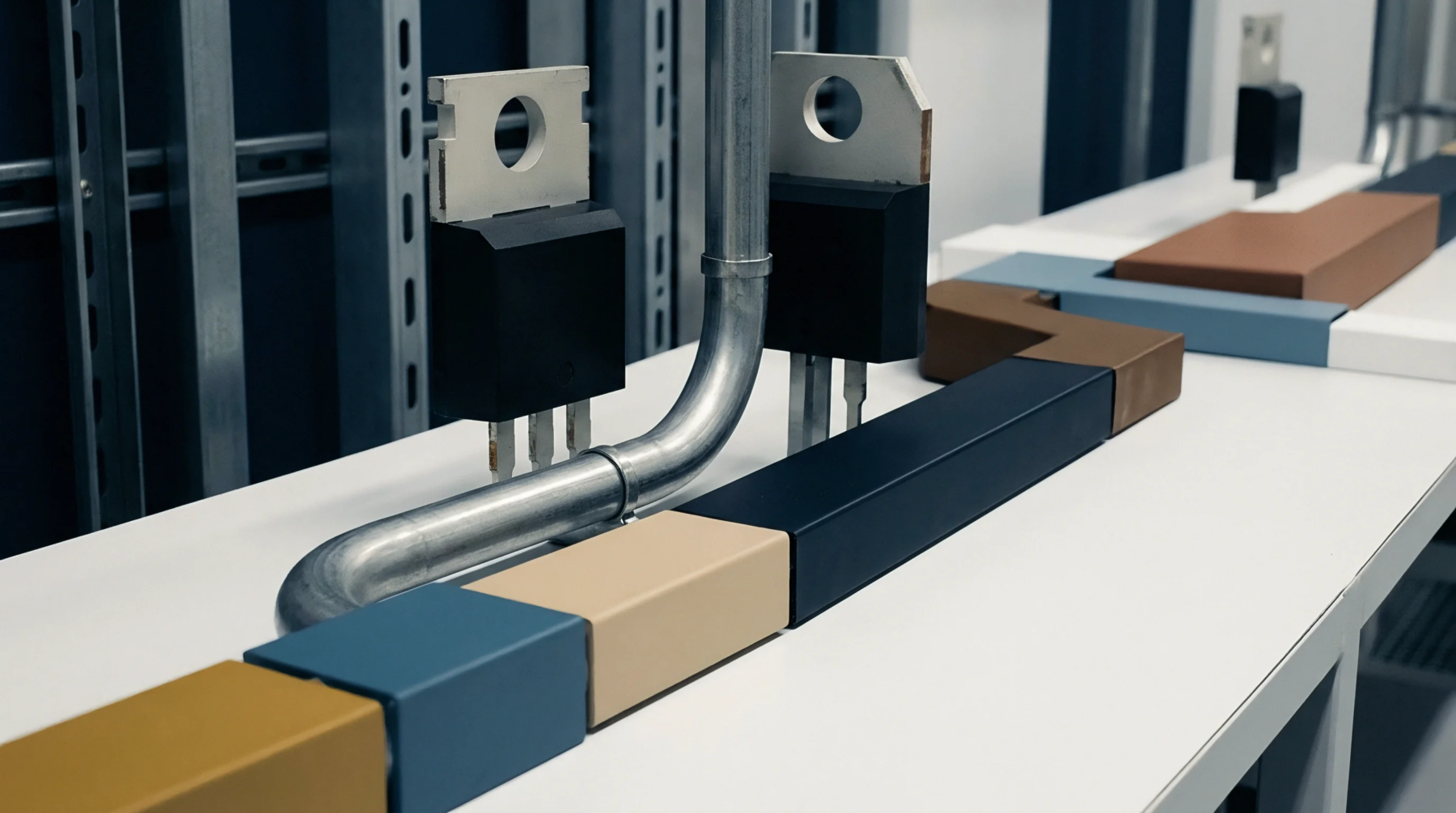
Nitrogen inerting below 100 ppm O2 lowers surface tension and prevents dross, enabling 100% IPC Class 3 barrel fill on heavy copper power boards.
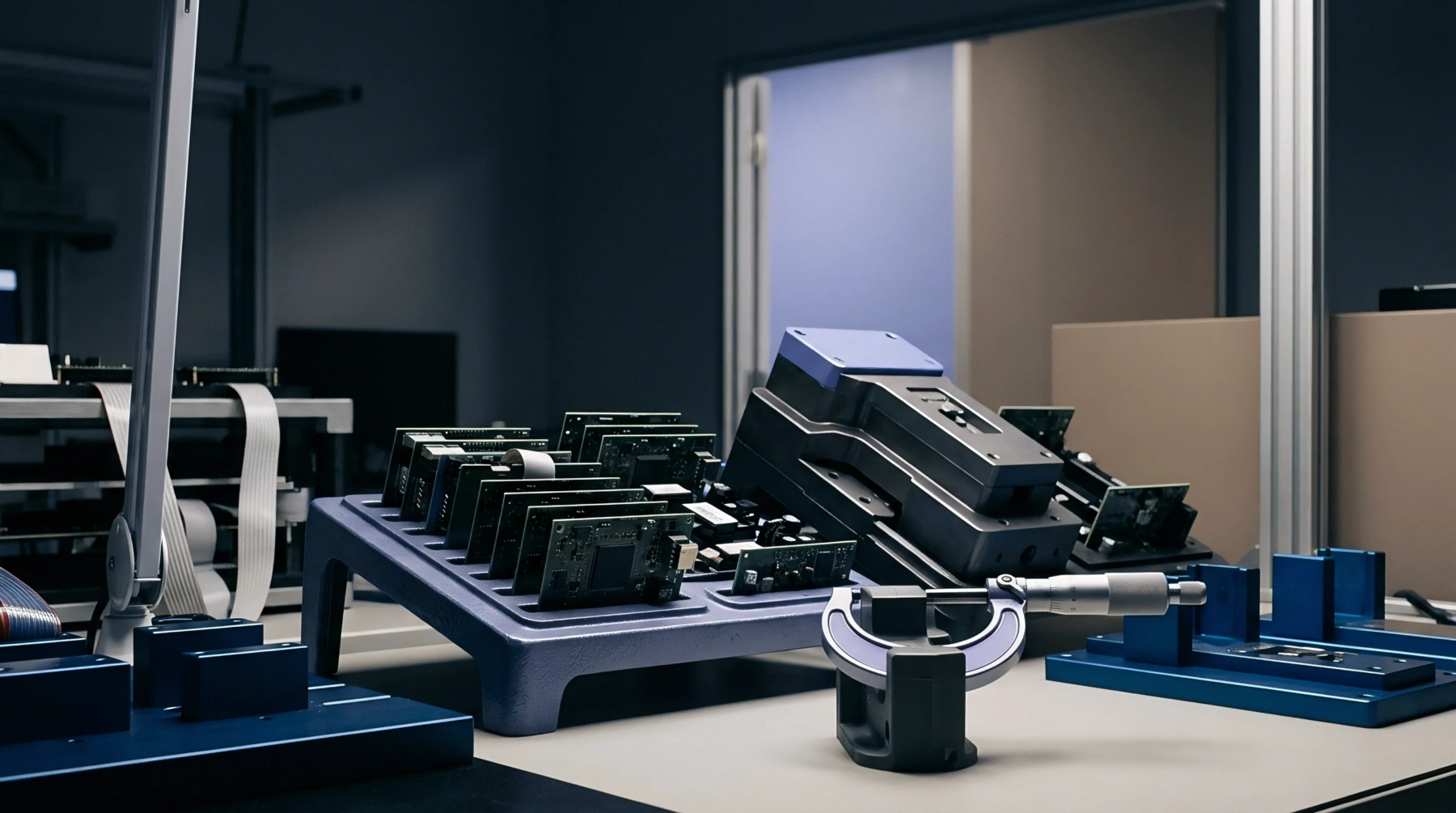
Achieving vertical hole fill on heavy copper PCBs requires extended preheat profiles, thermal relief spokes, and precise solder paste volumetric overprinting.
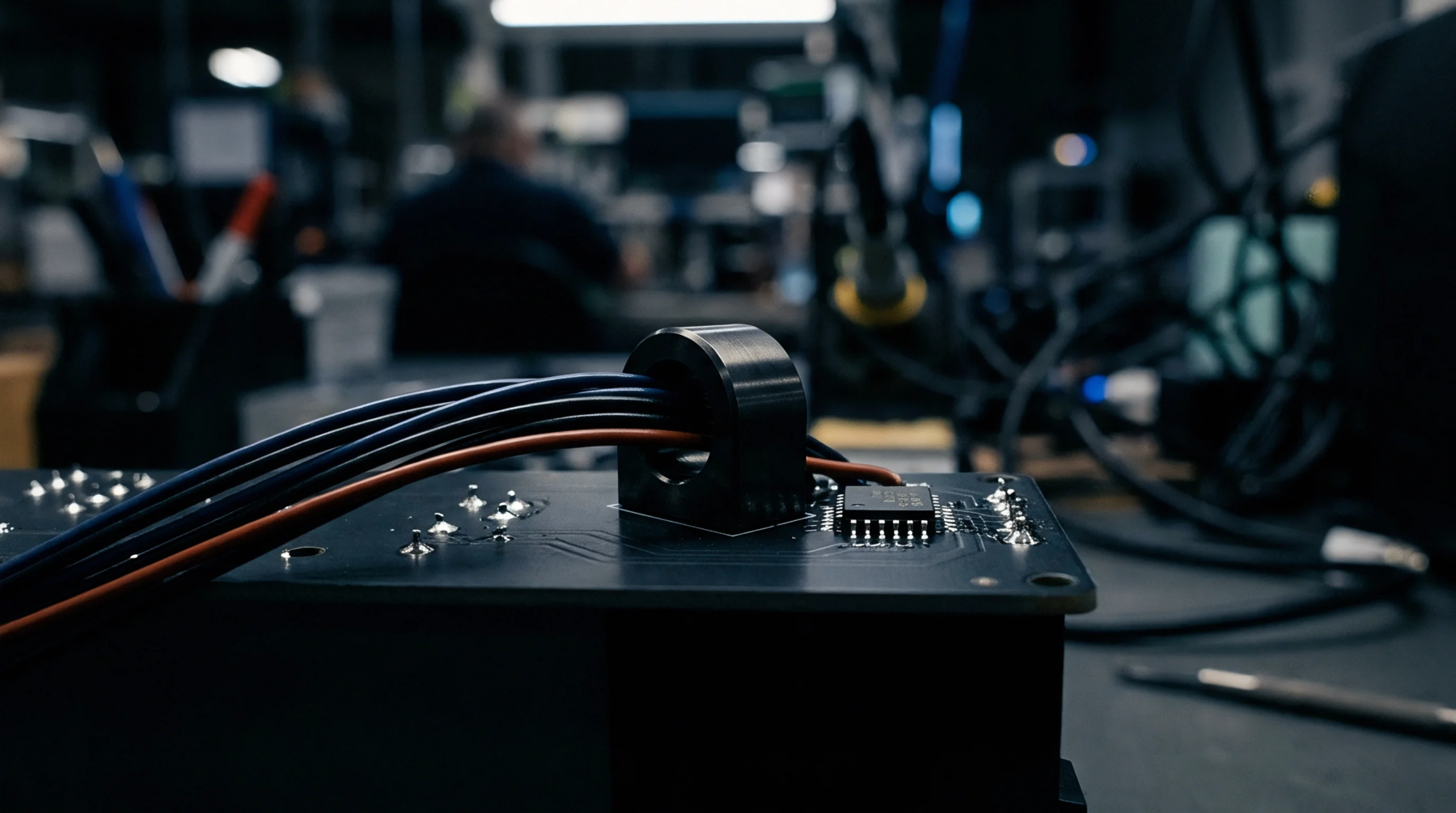
Optimizing barrel fill on high thermal mass boards requires thermal relief geometries, elevated topside preheat, and controlled alloy contact duration.
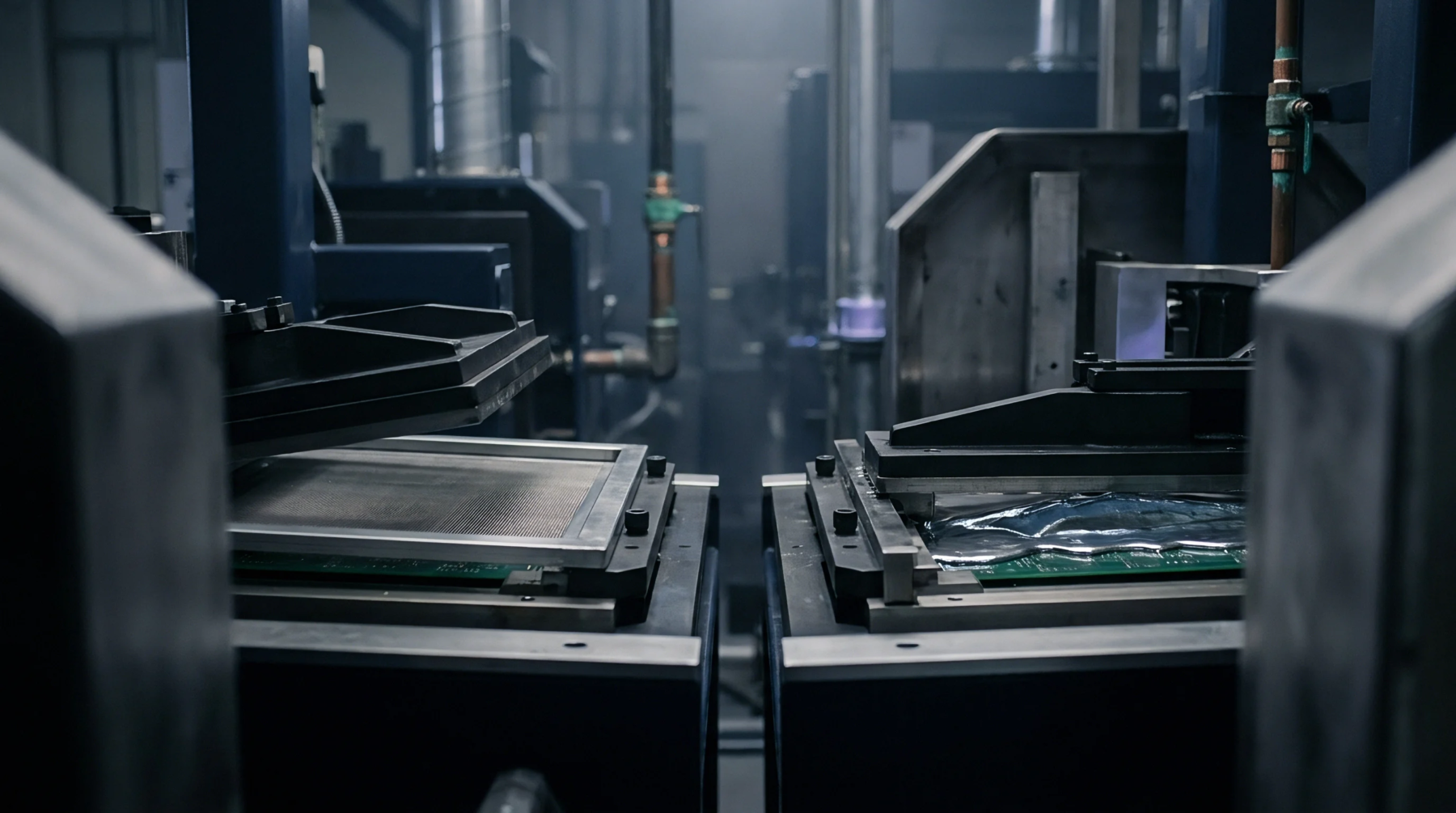
Selecting selective soldering tooling shields requires matching composite thermal resistivity against component clearance gaps to guarantee zero thermal damage.
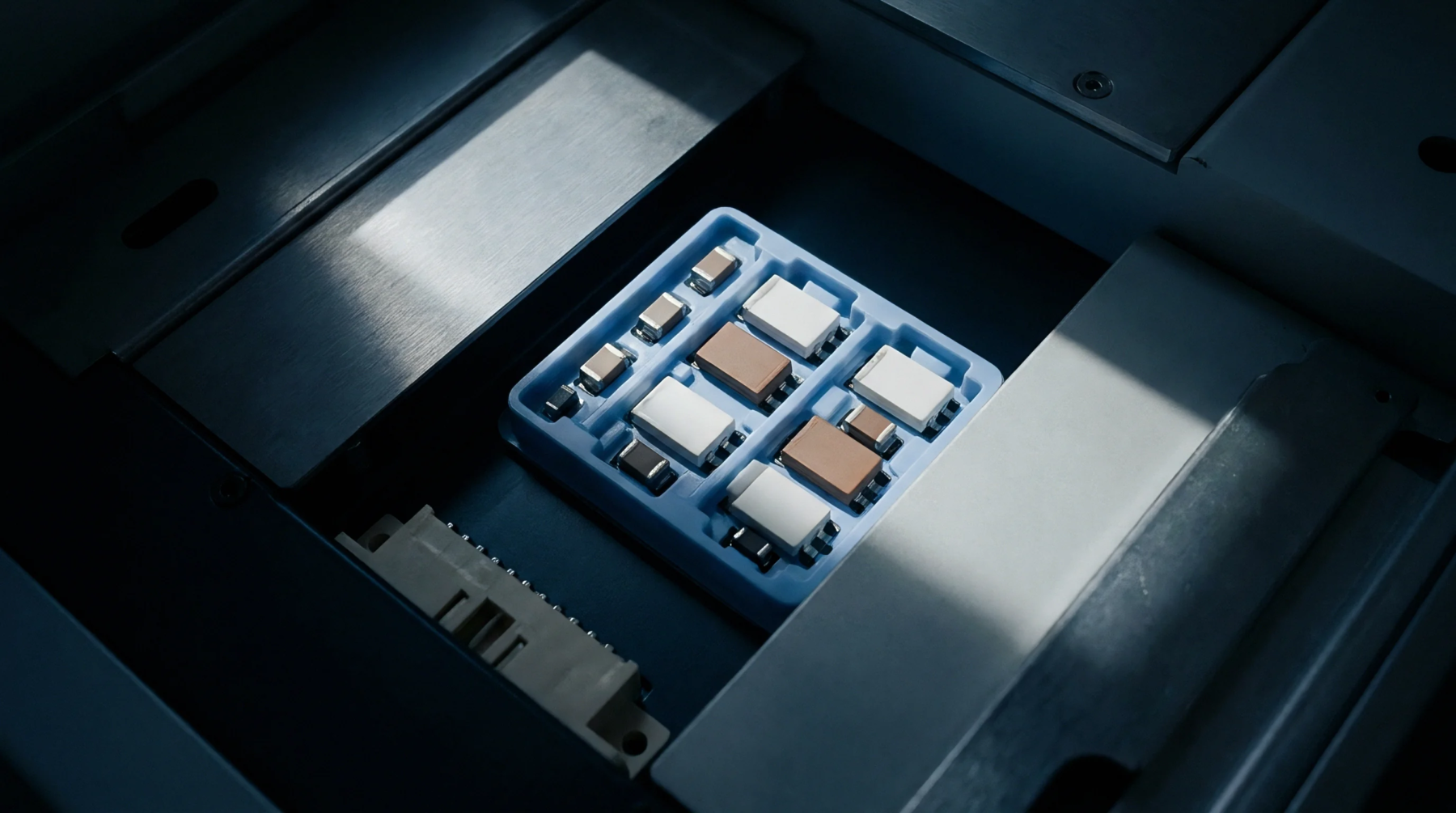
Prevent secondary reflow and component damage by enforcing clear keepout zones, utilizing machined composite shielding, and capping adjacent joint temperatures below 180°C.
Expertise is a utility, not a secret. sentiention™ publishes its working knowledge as open reference: intelligence layer covering the materials it sources, the markets it enters, and the reference that serves both.