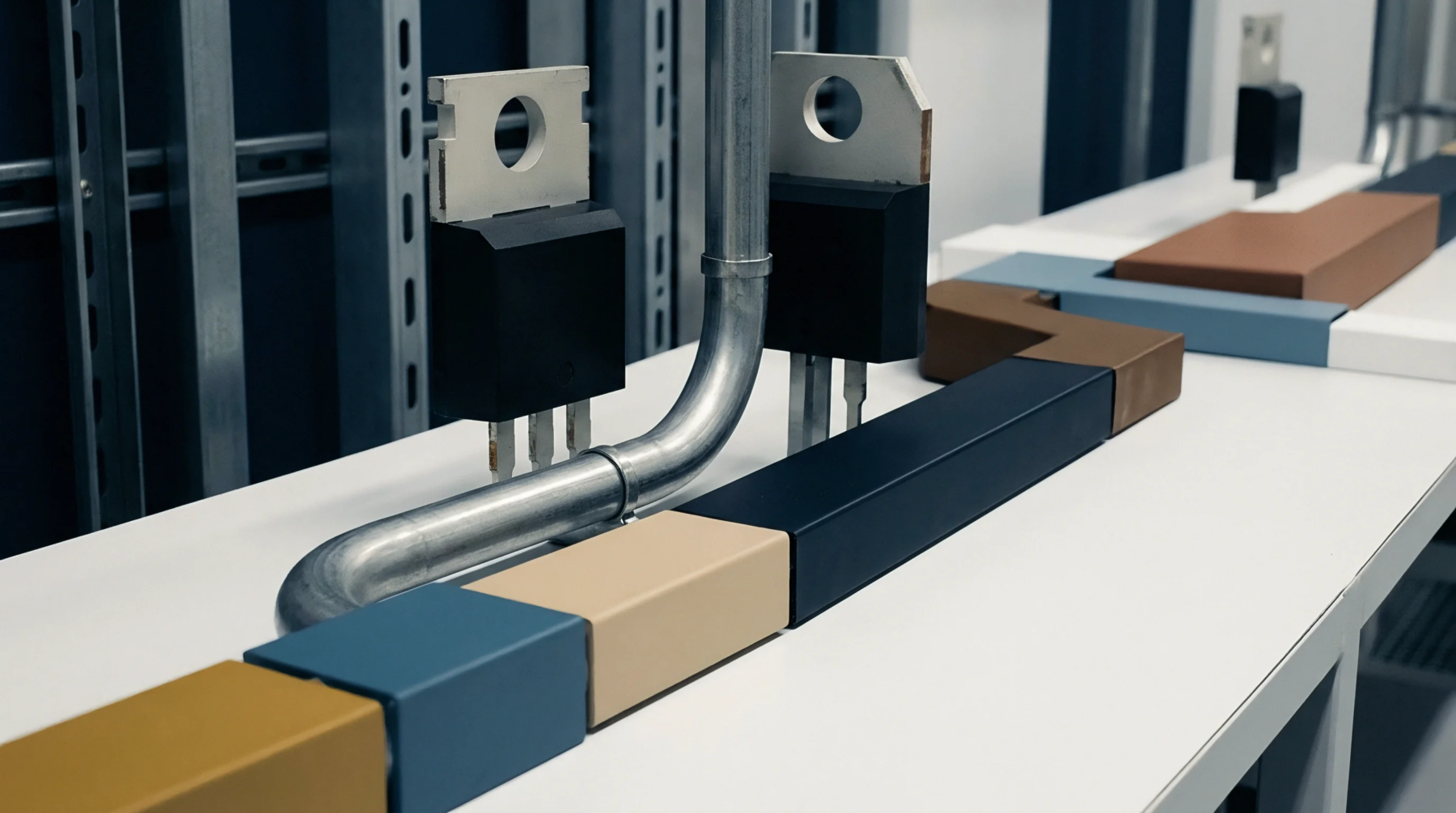
Selective Soldering Nitrogen Inerting Basics on Power Boards
Nitrogen inerting below 100 ppm O2 lowers surface tension and prevents dross, enabling 100% IPC Class 3 barrel fill on heavy copper power boards.
Nitrogen inerting below 100 ppm O2 lowers surface tension and prevents dross, enabling 100% IPC Class 3 barrel fill on heavy copper power boards.
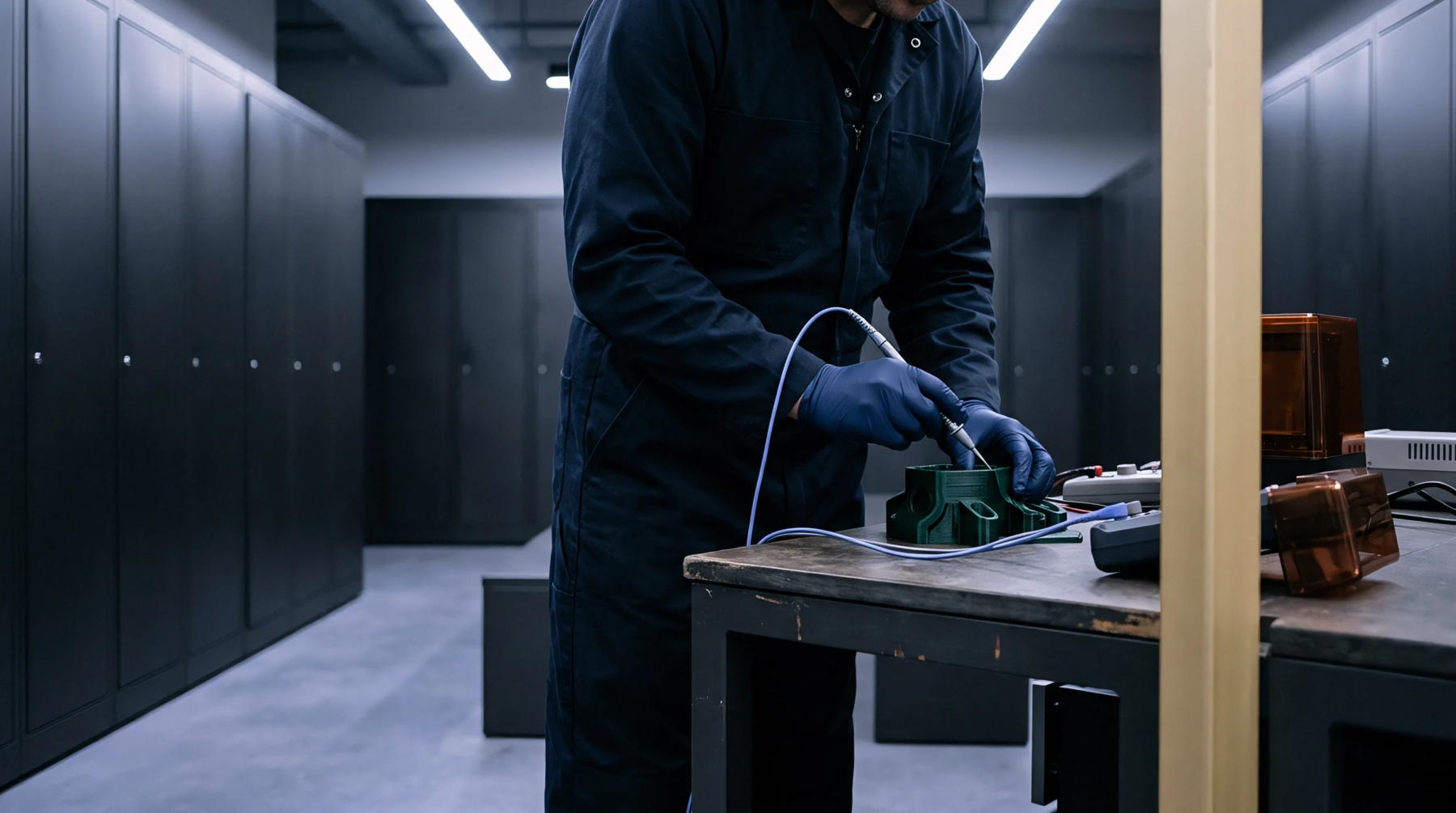
Vacuum reflow liquidus dwell lowers nucleation kinetic barriers by depressurizing molten solder, forcing microvoid expansion and surface escape.
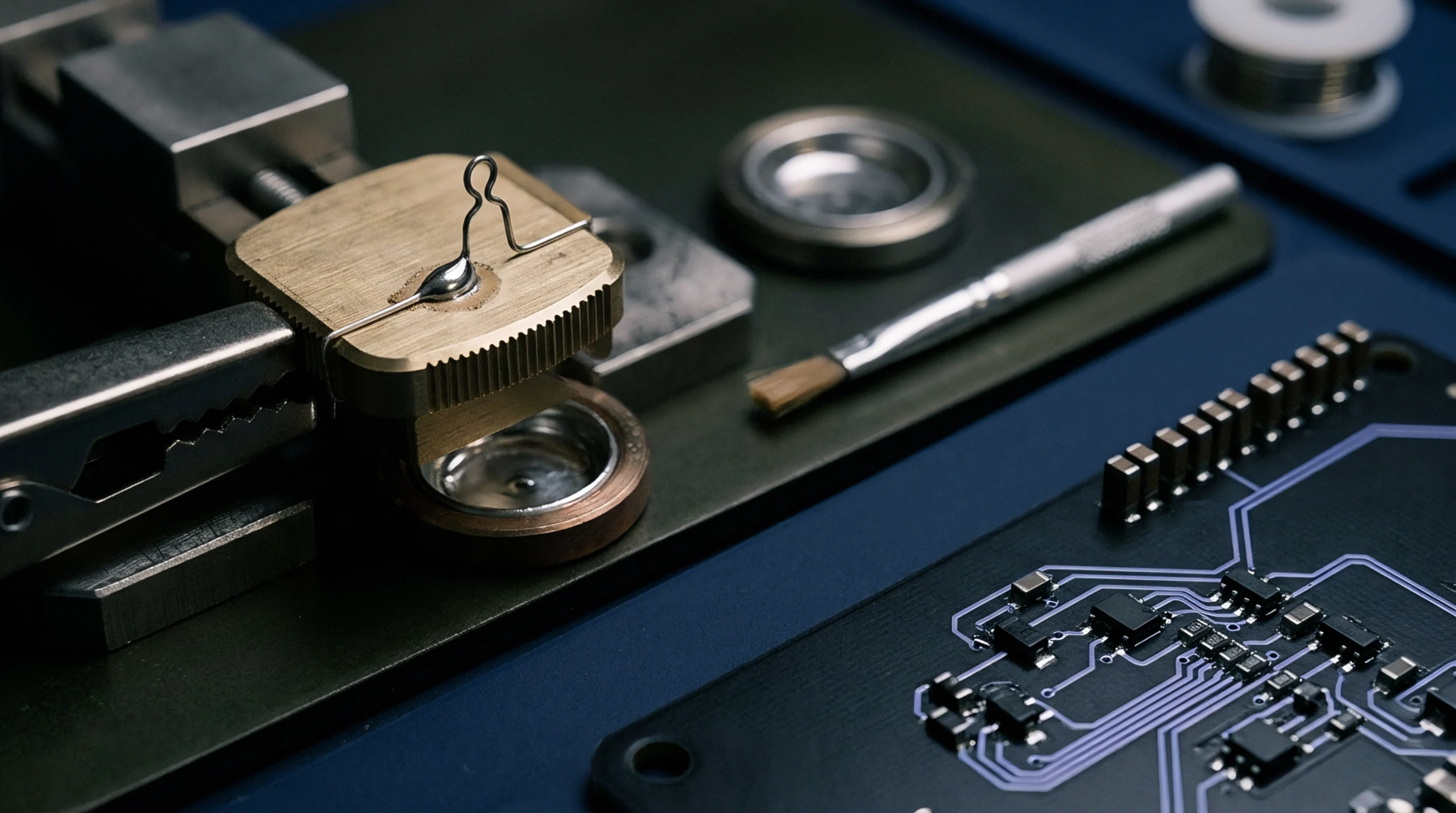
Sub-atmospheric pressure profiling reduces bottom-terminated component voiding below 5% by expanding and evacuating trapped flux gases during liquidus.

Inline X-ray system re-qualification relies on statistical limits derived from detector drift and grey-scale stability rather than arbitrary time intervals.
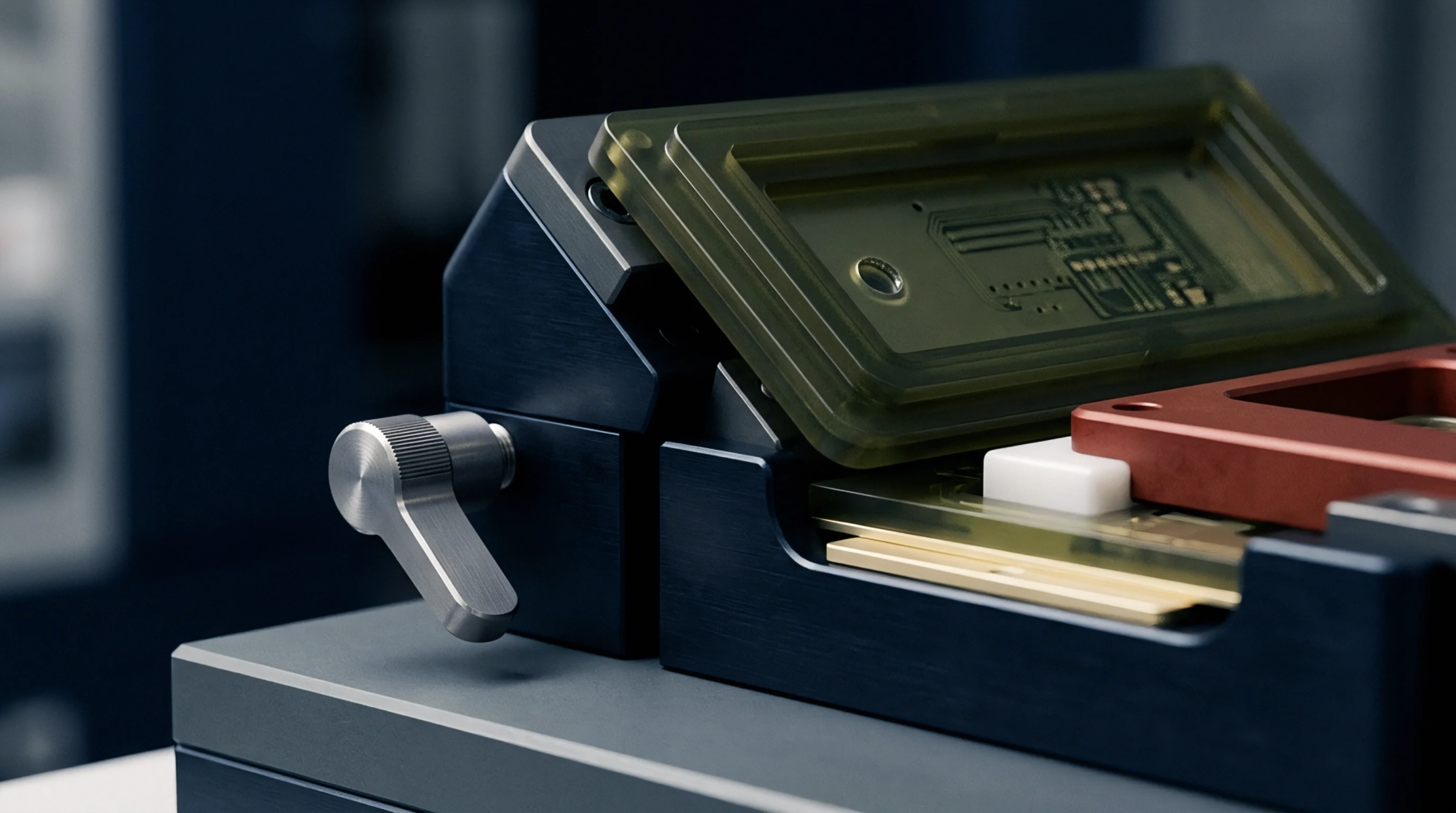
Radiometric gain correction standardizes pixel sensitivity to eliminate streak artifacts and secure accurate void and volume sizing in multi-slice board scans.
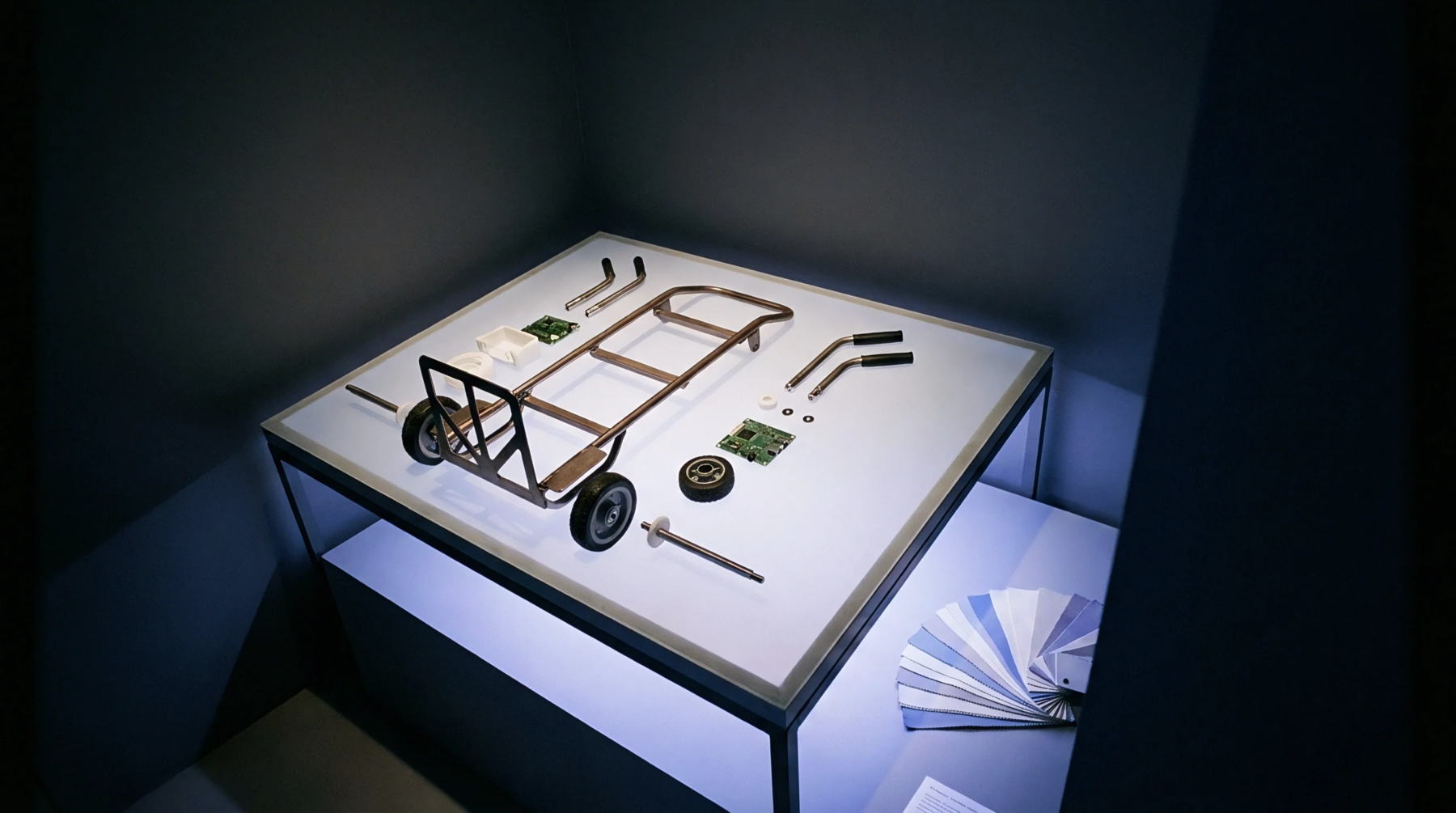
Converting return rates to a warranty reserve requires multiplying test escape fractions by total landed failure costs and scaling across Weibull life curves.
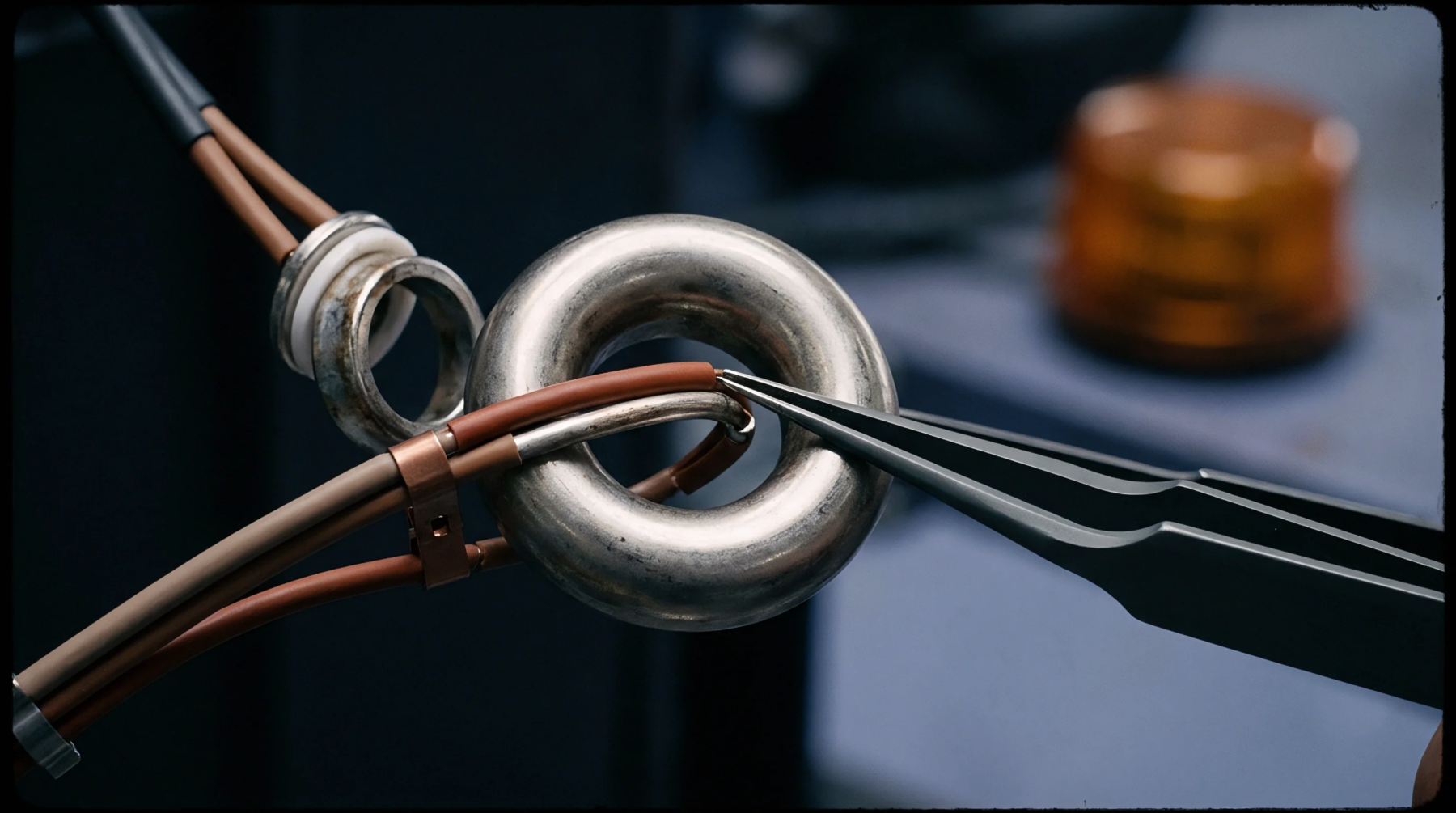
IPC Class 3 compliance requires minimum 75 percent vertical barrel fill and under 15 percent internal voiding verified via precision microsectioning.
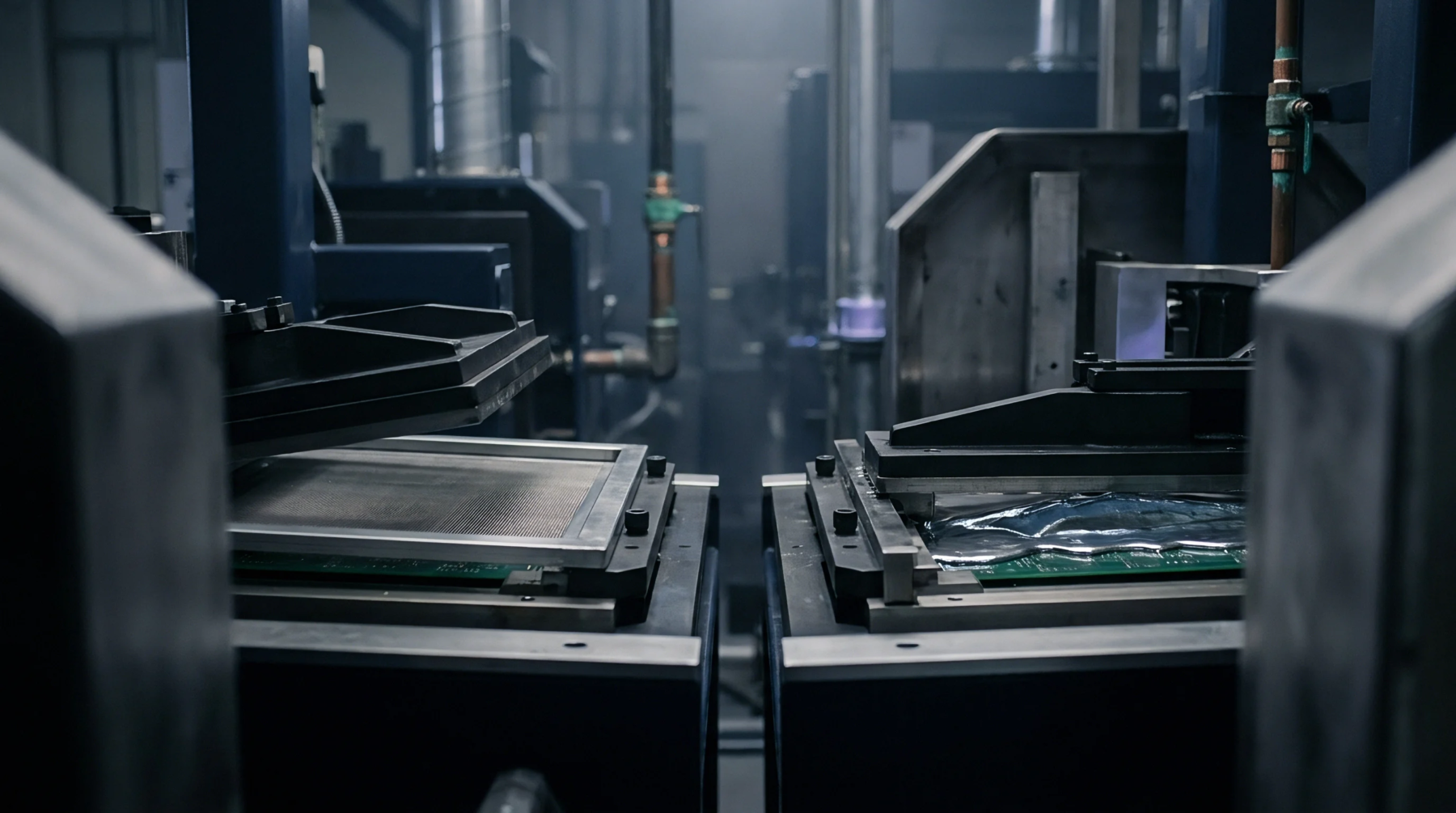
Layer registration drift budgets require RSS vector stacking of material shrink, tooling clearance, and drill wander to protect inner layer annular rings.
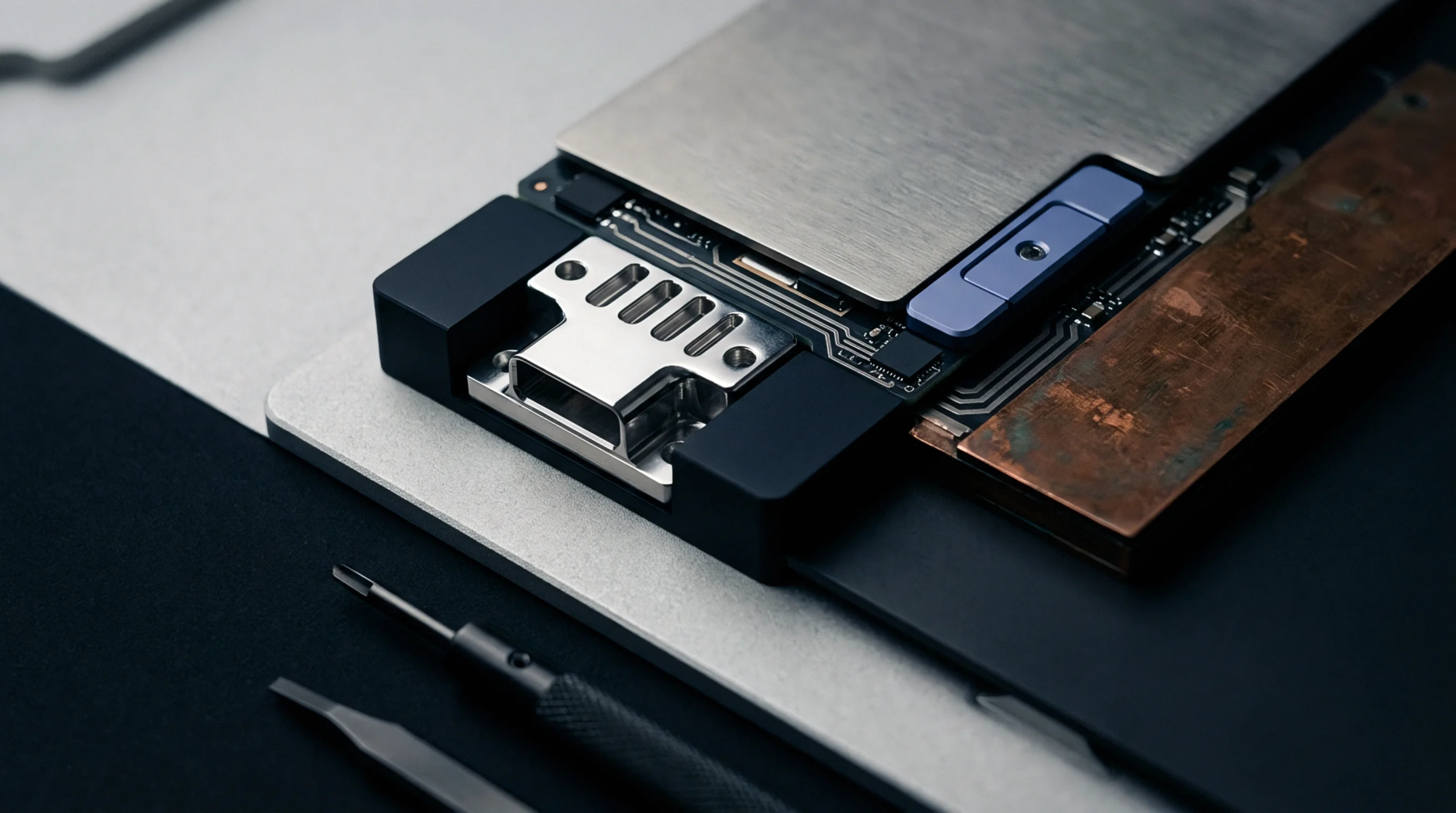
Selective soldering relies on precise preheat baselines, controlled exit trajectories, and high nitrogen purity to achieve Class 3 barrel fill without thermal damage.
Expertise is a utility, not a secret. sentiention™ publishes its working knowledge as open reference: intelligence layer covering the materials it sources, the markets it enters, and the reference that serves both.