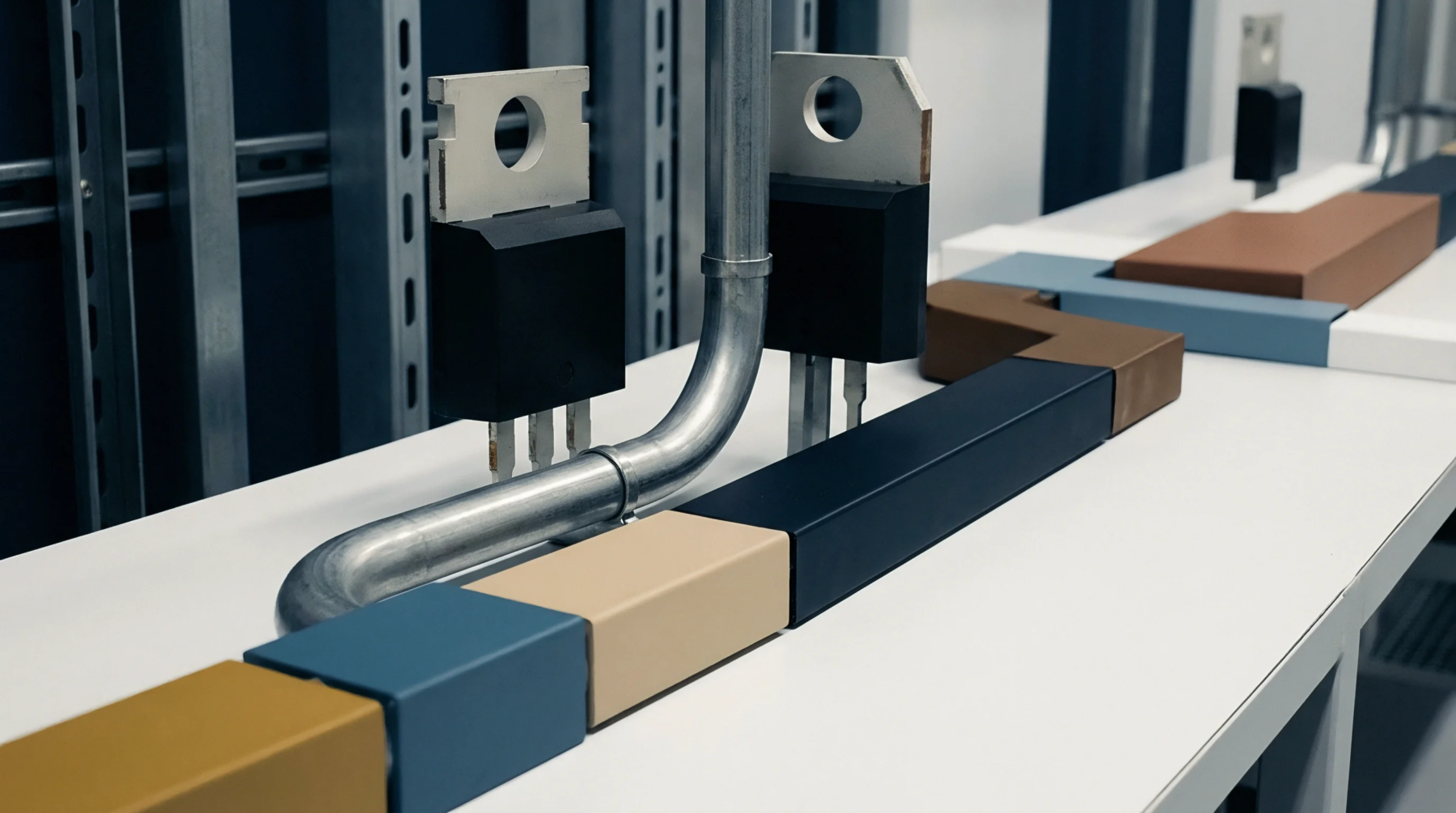
Selective Soldering Nitrogen Inerting Basics on Power Boards
Nitrogen inerting below 100 ppm O2 lowers surface tension and prevents dross, enabling 100% IPC Class 3 barrel fill on heavy copper power boards.
Nitrogen inerting below 100 ppm O2 lowers surface tension and prevents dross, enabling 100% IPC Class 3 barrel fill on heavy copper power boards.

Correlate CT density gradients to microsections by locking segmentation thresholds to the lowest radial slice fill percentage measured on baseline coupons.

Microsectioning Class 3 boards settles barrel fill disputes by measuring net axial solder rise and subtracting internal voids against the 75 percent threshold.

Non-destructive verification of blind thermal via fill requires 3D computed laminography to isolate inner-layer solder volume through heavy copper planes.

Selective preheat windows for heavy multi-layer boards require top-side convection to achieve 110-130°C without exceeding flux thermal activation limits.

Radiometric gain correction standardizes pixel sensitivity to eliminate streak artifacts and secure accurate void and volume sizing in multi-slice board scans.

Maintaining residual oxygen under 10 ppm in selective soldering shrouds limits heavy copper sleeve dissolution to under five micrometers per pass.
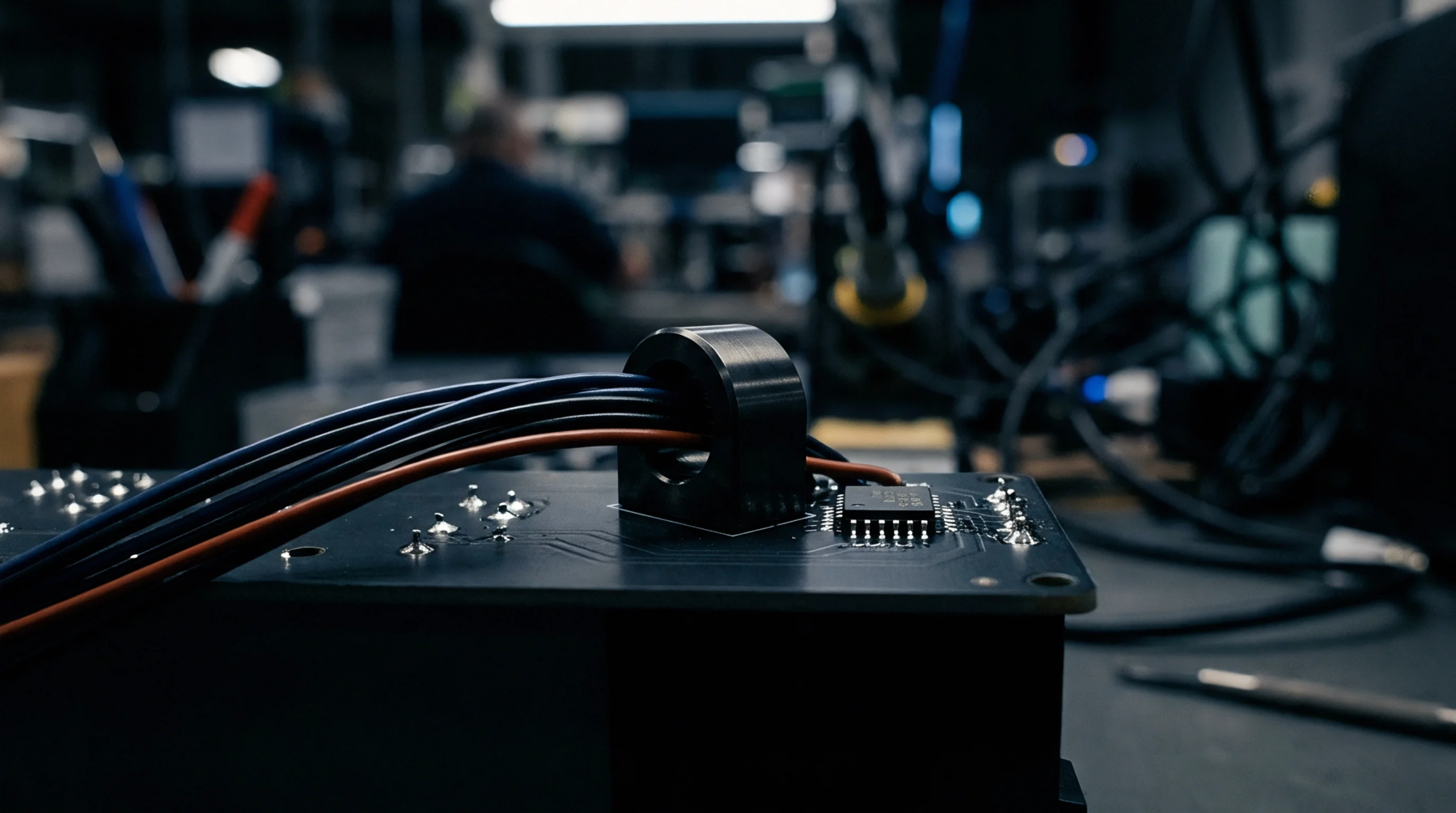
Optimizing barrel fill on high thermal mass boards requires thermal relief geometries, elevated topside preheat, and controlled alloy contact duration.

Selective soldering relies on precise preheat baselines, controlled exit trajectories, and high nitrogen purity to achieve Class 3 barrel fill without thermal damage.
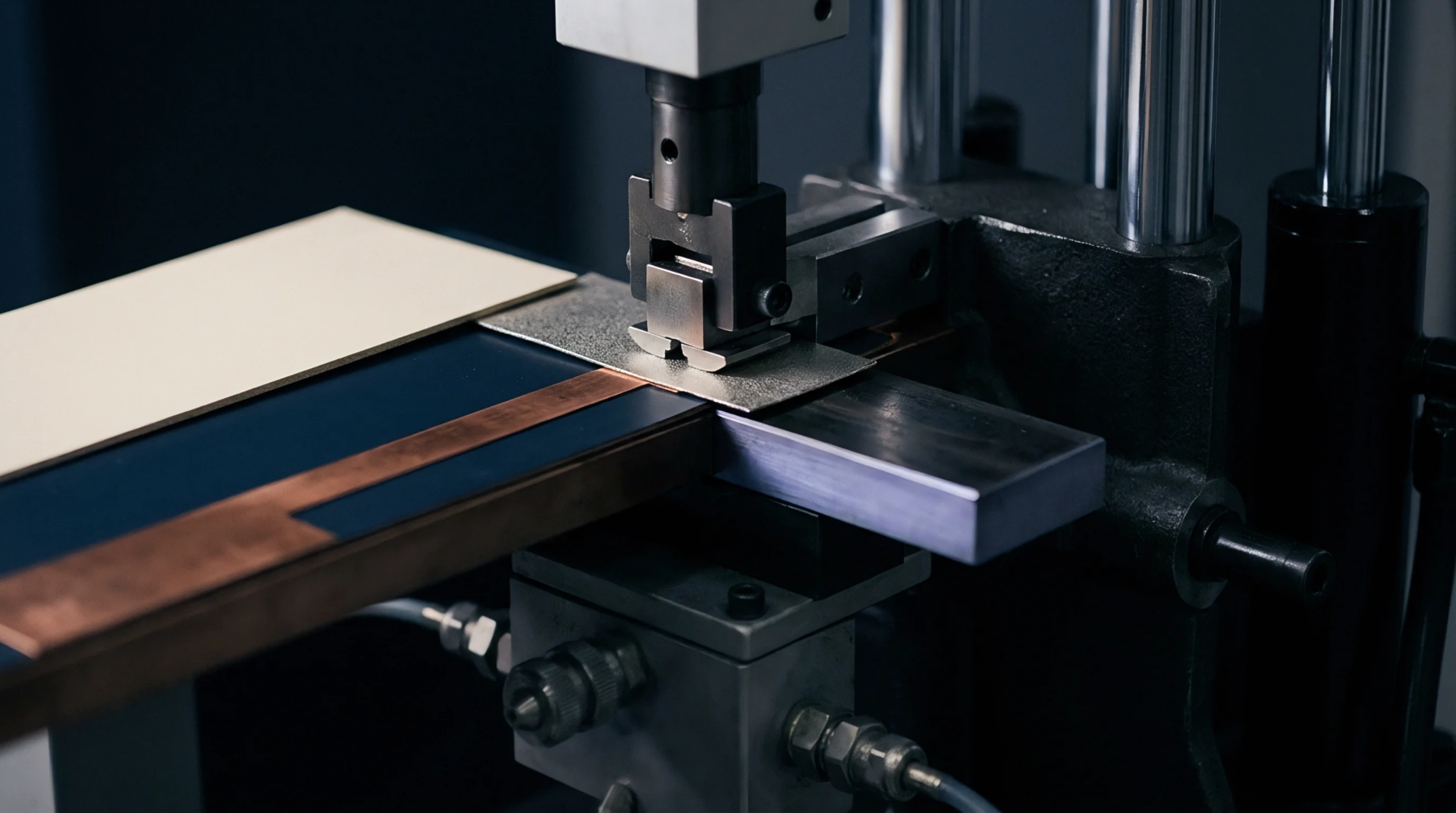
Class 3 line qualification demands paste measurement, thermal profiling, microsection verification, and first-article sign-off before production release.

X-ray inspection coverage requires precise calibration of tomographic slice thickness and algorithmic gray-level thresholds to detect hidden solder voids and opens.
Expertise is a utility, not a secret. sentiention™ publishes its working knowledge as open reference: intelligence layer covering the materials it sources, the markets it enters, and the reference that serves both.