
Boundary Layer Thickness Dynamics across High Thermal Mass Surface Mount Components
Thick boundary layers behind tall, high-mass SMT packages insulate joints from oven gas, creating steep thermal deltas that force slower line speeds.
Thick boundary layers behind tall, high-mass SMT packages insulate joints from oven gas, creating steep thermal deltas that force slower line speeds.

Convective heat transfer coefficients govern component heating rates and solder joint temperature deltas across circuit boards during forced convection reflow.

Subsurface power planes extract heat downward during reflow, creating thermal shadowing and premature freezing that traps flux volatiles as interfacial voids.
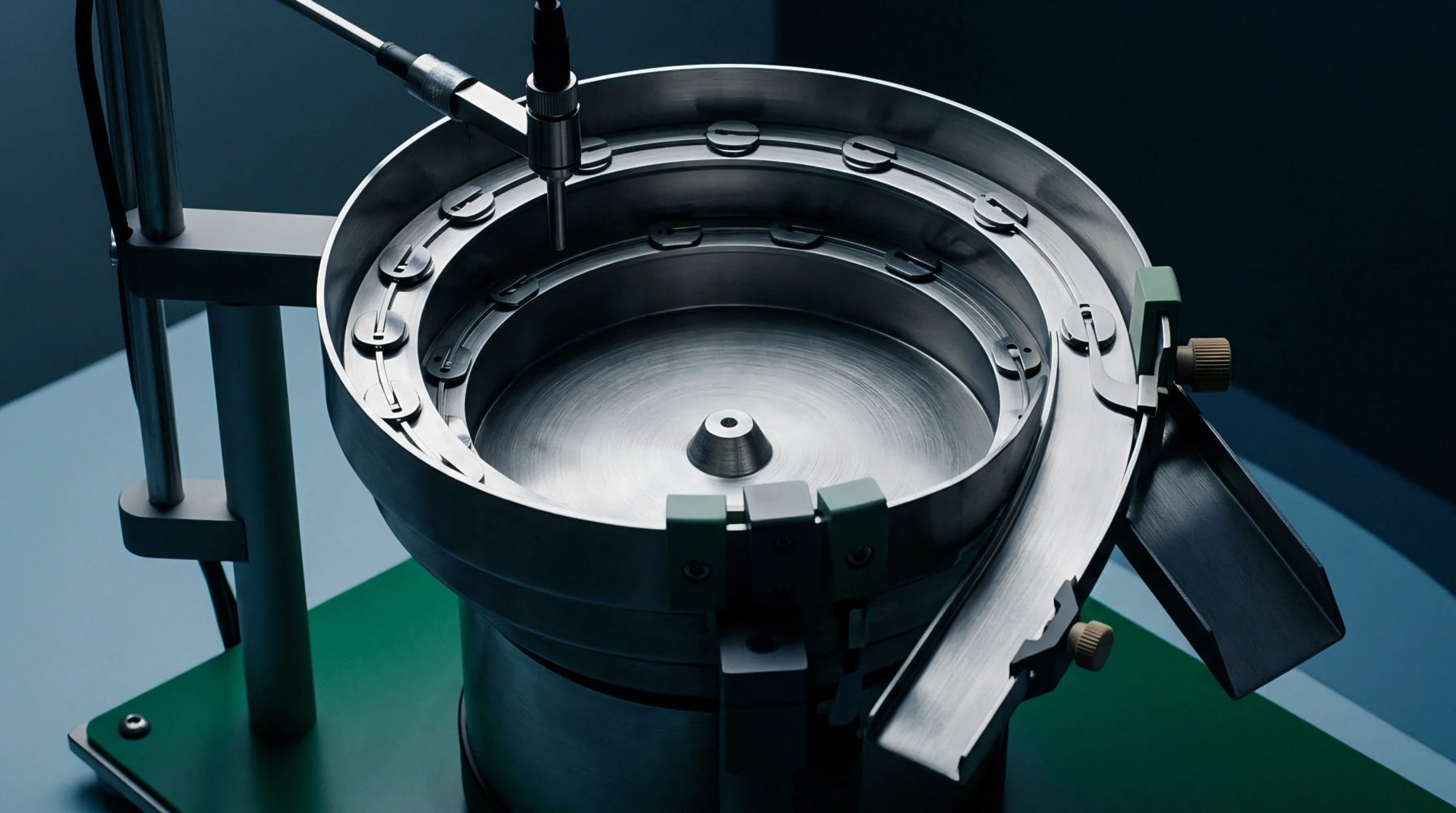
Thermal boundary layer compression via targeted convection gas velocity minimizes temperature deltas across high mass circuit board assemblies during reflow.

Selective preheat windows for heavy multi-layer boards require top-side convection to achieve 110-130°C without exceeding flux thermal activation limits.
Maintaining secondary clearance spacing above component height ratios prevents convective shadowing and stops inverted solder joint remelt detachment during reflow.
Expertise is a utility, not a secret. sentiention™ publishes its working knowledge as open reference: intelligence layer covering the materials it sources, the markets it enters, and the reference that serves both.