Molten Cohesion
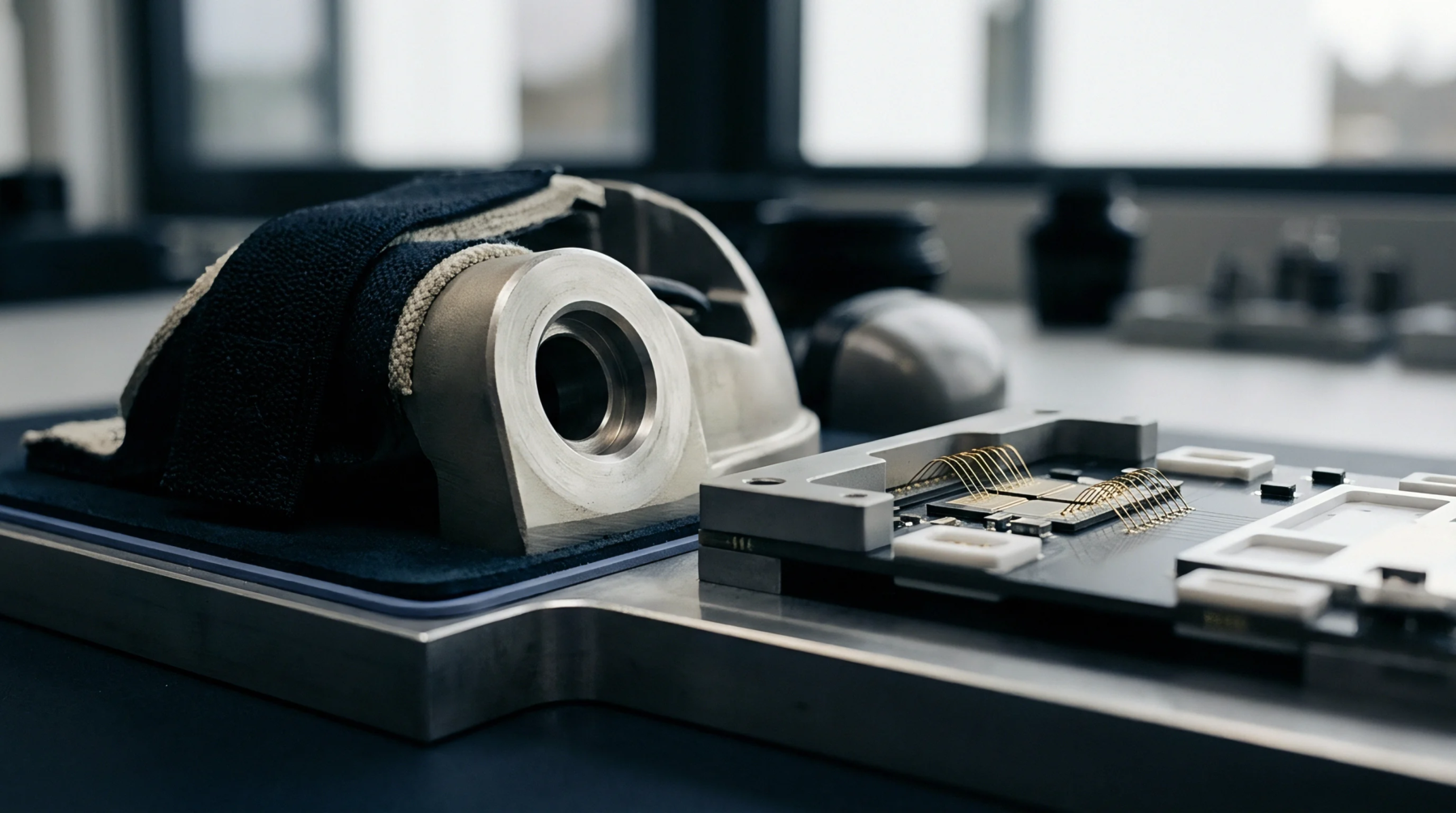
Physical fluid forces maintain inverted electronic components against printed circuit board pads during second-pass reflow soldering. Liquid solder creates cohesive forces along component termination surfaces that counter gravitational forces pulling parts downward. Surface tension retention allows lightweight surface-mount devices to float on inverted molten solder joints without falling off the board.
Liquid alloy cohesion pulls misplaced components into self-alignment over copper pads as solder wets metallic surfaces. Weight-to-pad area ratios dictate whether a component remains securely attached during inverted reflow cycles.
Inversion Behavior
Gravitational acceleration exerts downward force on bottom-side components inside double-sided reflow convection ovens. Liquid alloy surface tension and component mass govern component stability during reflow. Surface tension retention holds parts securely when vertical gravitational pull remains below total vertical liquid solder surface force.
Heavy integrated circuits, large inductor coils, transformers and heavy connectors exceed surface force capabilities, requiring mechanical glue drops or corner staking. Solder alloy composition influences surface tension values, with lead-free alloys generally exhibiting higher surface tension than tin-lead formulations.
Solder Bridge
Excess solder volume alters balance between liquid cohesive force and pad geometry. Surface tension retention fails when solder bridge formation redistributes liquid volume, causing components to skew or drop from secondary board surfaces. Inspection criteria mandate zero part displacement during inverted reflow passes.