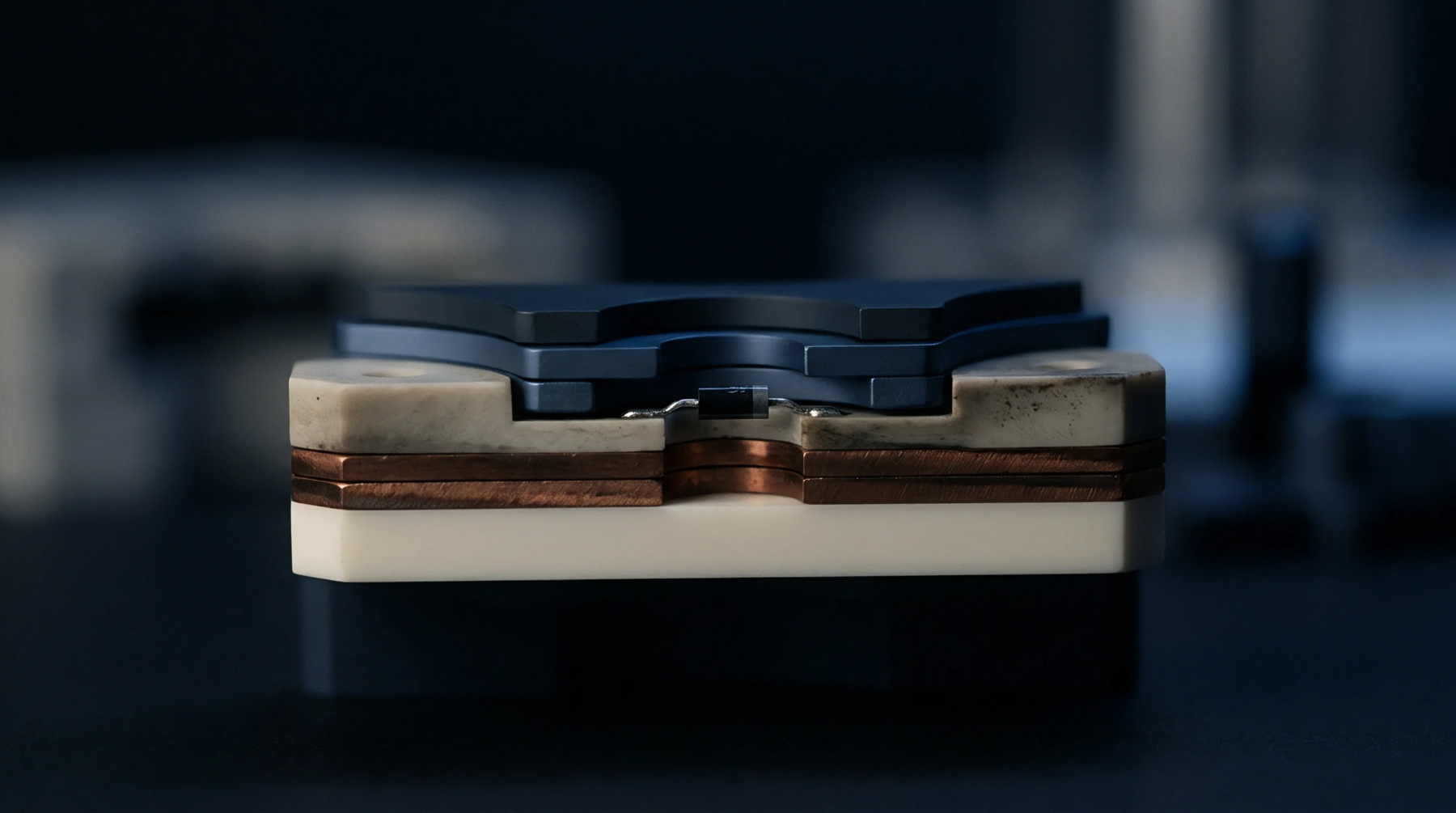
Quantifying Barrel Fill Metrics via Microsection Analysis in Class 3 Boards
Microsectioning Class 3 boards settles barrel fill disputes by measuring net axial solder rise and subtracting internal voids against the 75 percent threshold.
Microsectioning Class 3 boards settles barrel fill disputes by measuring net axial solder rise and subtracting internal voids against the 75 percent threshold.

Plated through hole solder joints evaluated under IPC standards require strict vertical fill, top and bottom fillet wetting, and bounded radiographic voiding.
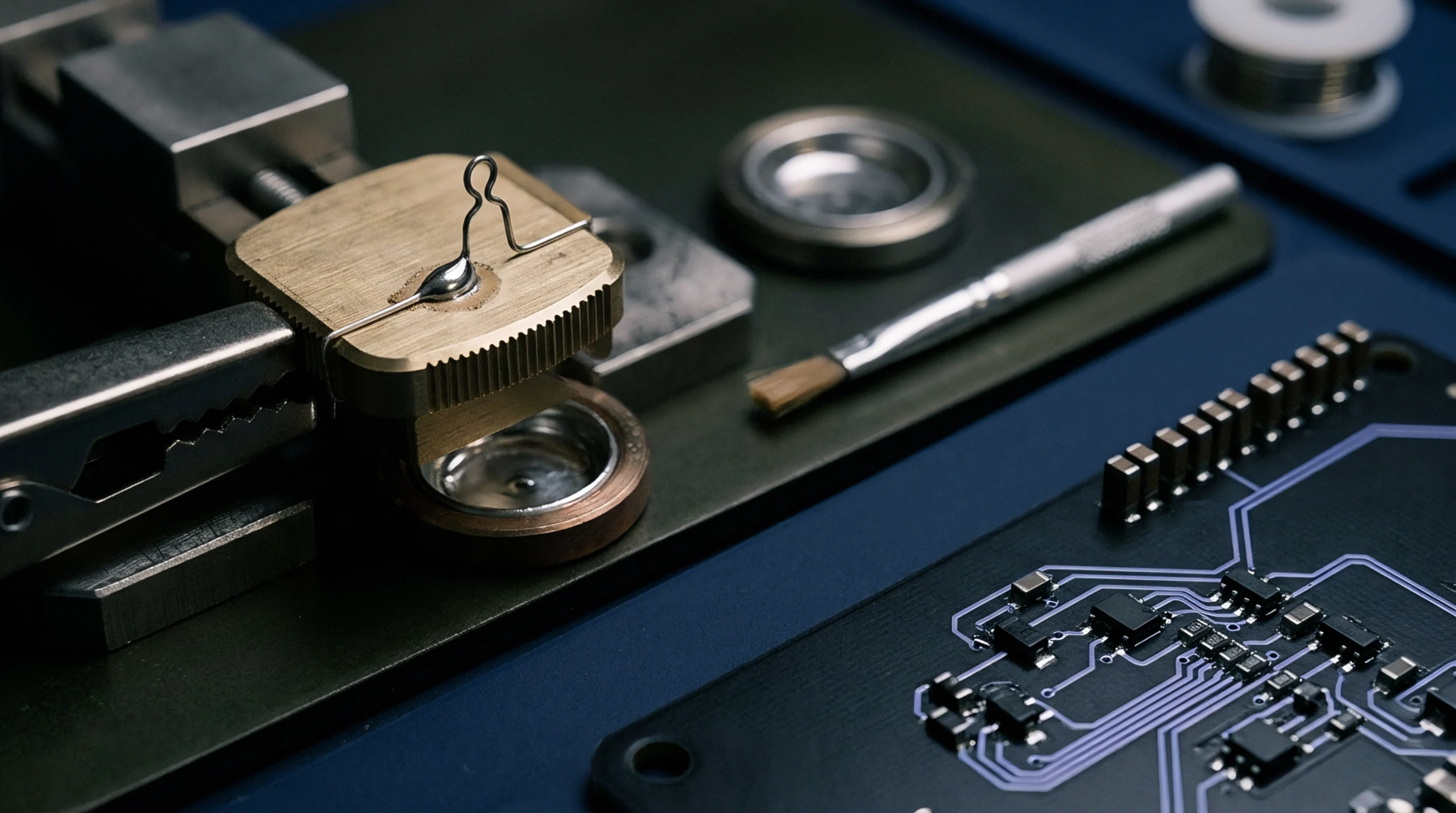
Sub-atmospheric pressure profiling reduces bottom-terminated component voiding below 5% by expanding and evacuating trapped flux gases during liquidus.

Achieving vertical hole fill on heavy copper PCBs requires extended preheat profiles, thermal relief spokes, and precise solder paste volumetric overprinting.
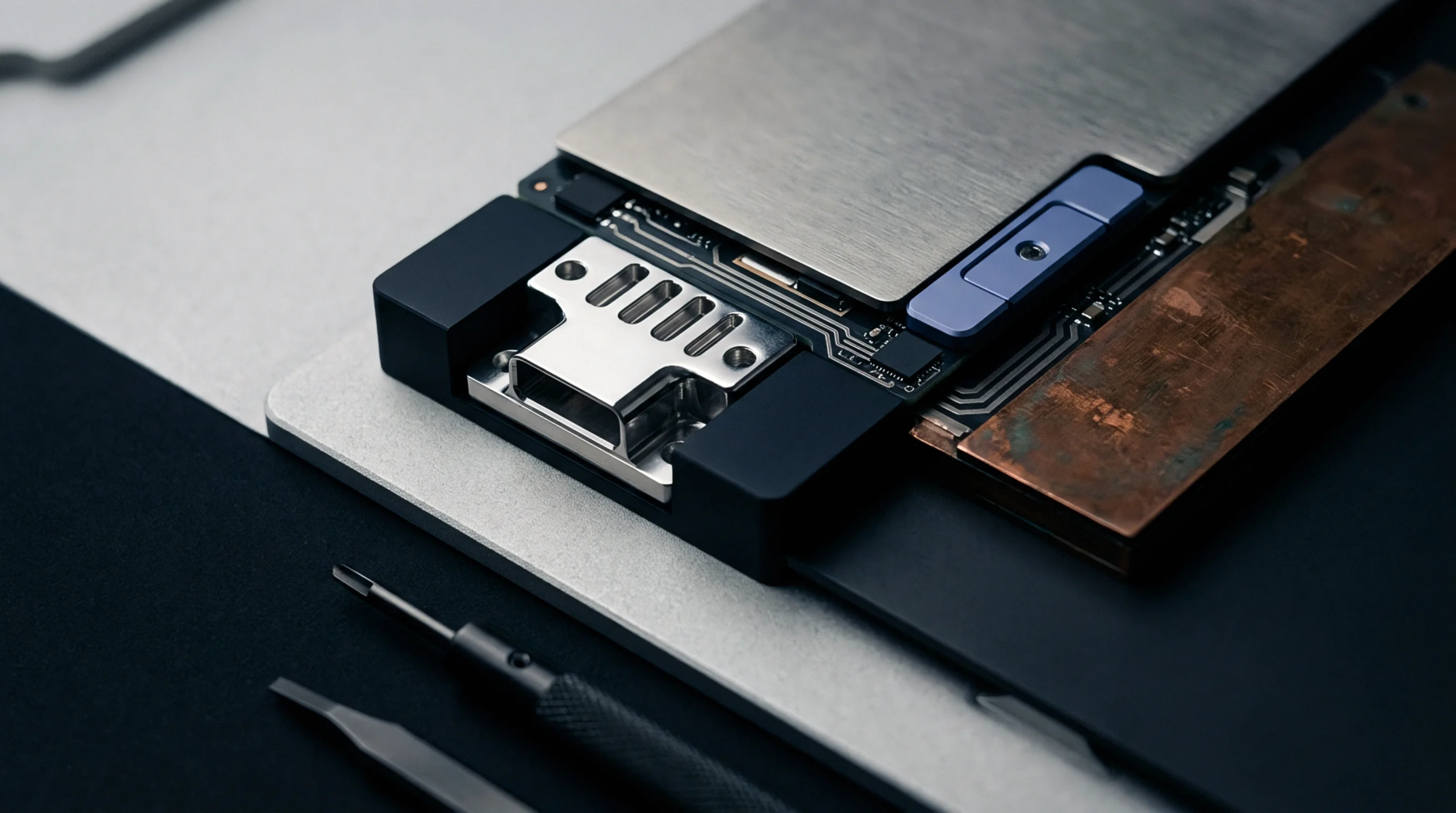
Selective soldering relies on precise preheat baselines, controlled exit trajectories, and high nitrogen purity to achieve Class 3 barrel fill without thermal damage.
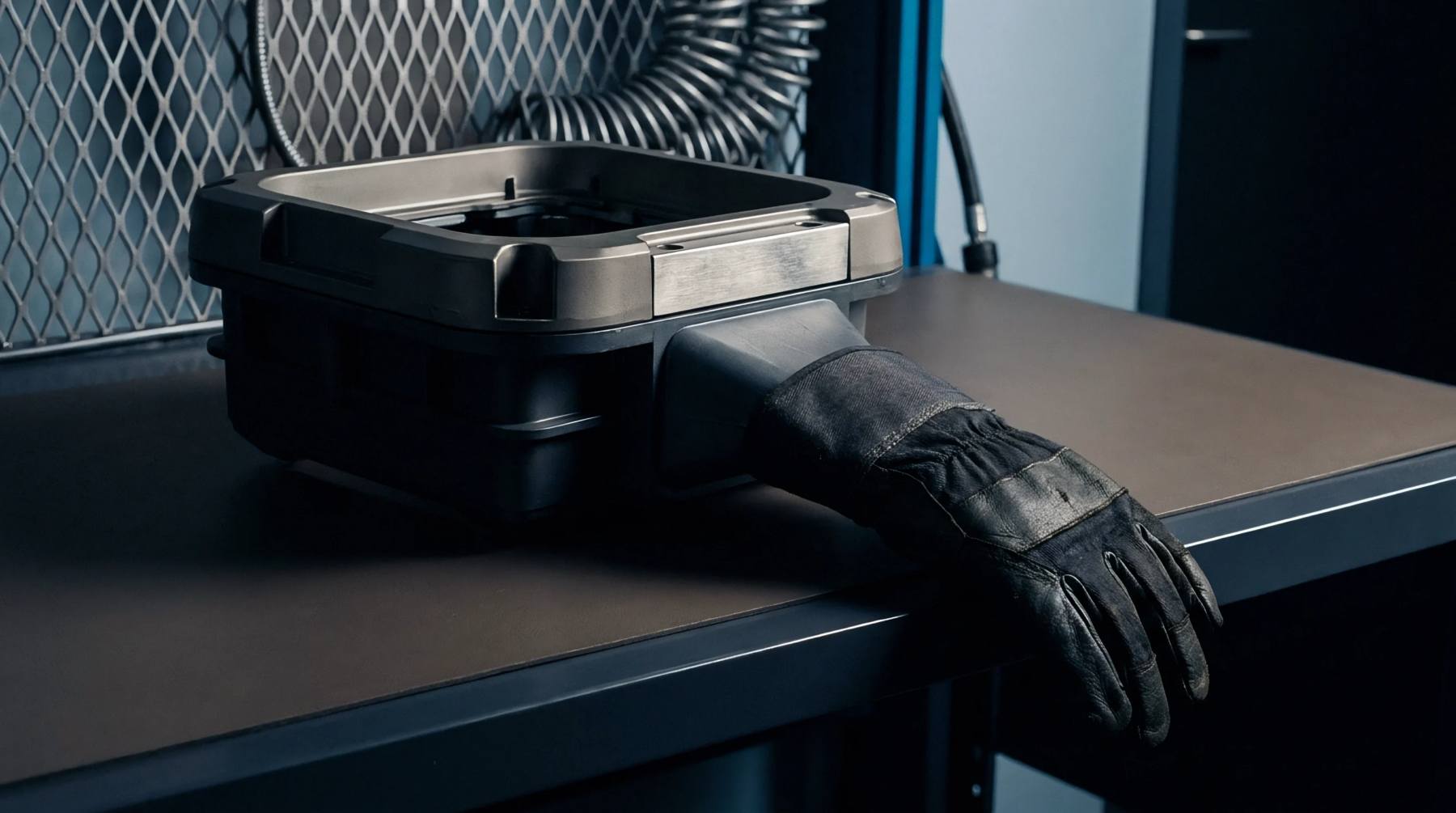
Selective finish stripping isolates thin gold or tin layers using ligand-accelerated redox baths while protecting nickel barriers through passivating inhibitors.
Expertise is a utility, not a secret. sentiention™ publishes its working knowledge as open reference: intelligence layer covering the materials it sources, the markets it enters, and the reference that serves both.