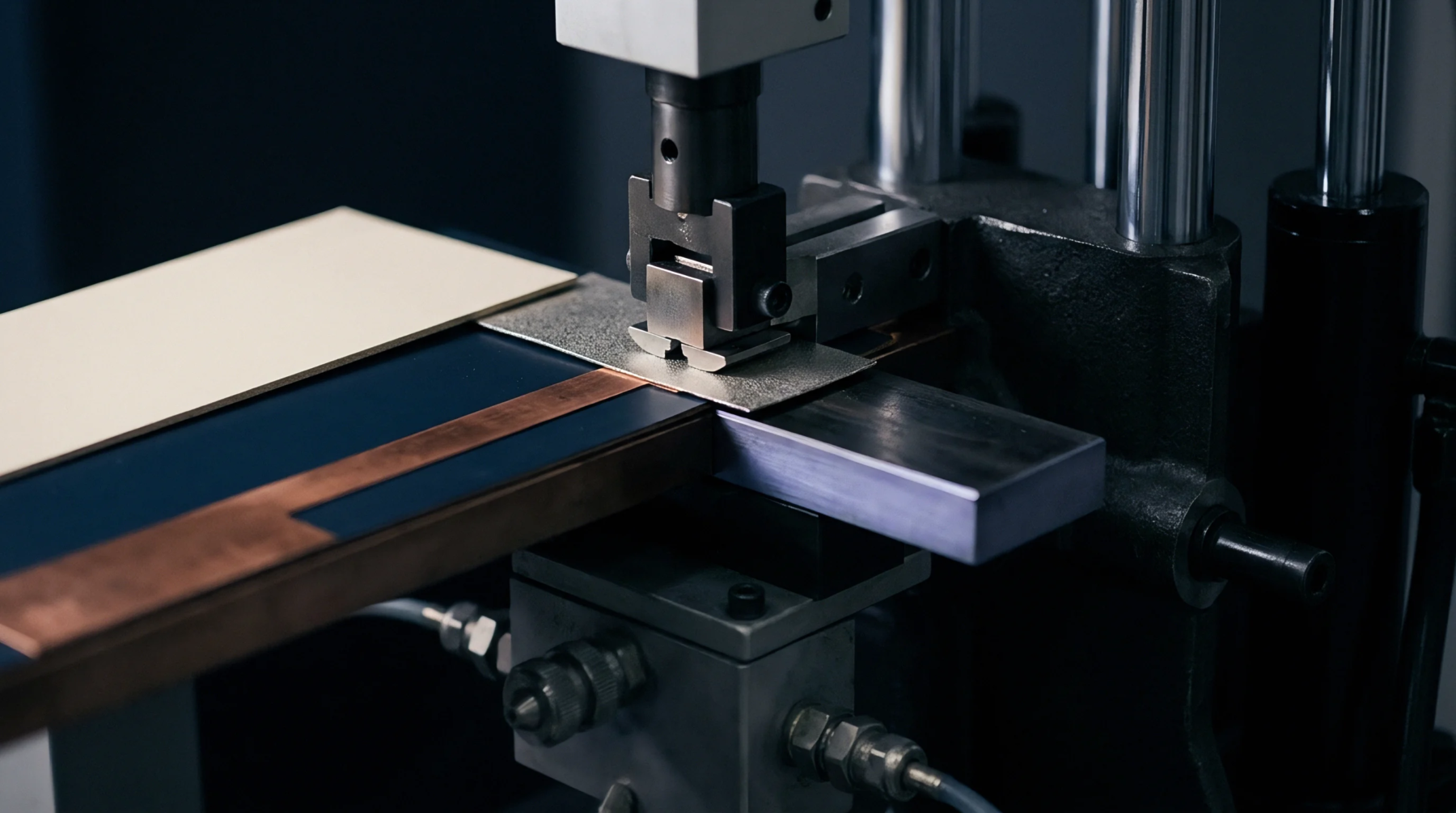
Electroless Nickel Phosphide Phase Transformation Kinetics
Amorphous electroless nickel crystallizes into Ni and brittle Ni3P above 310°C or via Sn diffusion during reflow, driving voiding and joint shear failure.
Amorphous electroless nickel crystallizes into Ni and brittle Ni3P above 310°C or via Sn diffusion during reflow, driving voiding and joint shear failure.
Repeated 125 C baking resets package floor life but consumes pure tin into Cu-Sn intermetallics, producing oxidized leads that reject solder during reflow.
IPC-4552B guardbanding demands shifting ENIG acceptance limits inward by expanded XRF uncertainty, requiring polycapillary optics on fine microvias to prevent false lot rejections.
Plating thickness compliance demands precise coupon microsectioning to verify barrel copper, knee integrity, and innerlayer bonds against IPC standards.
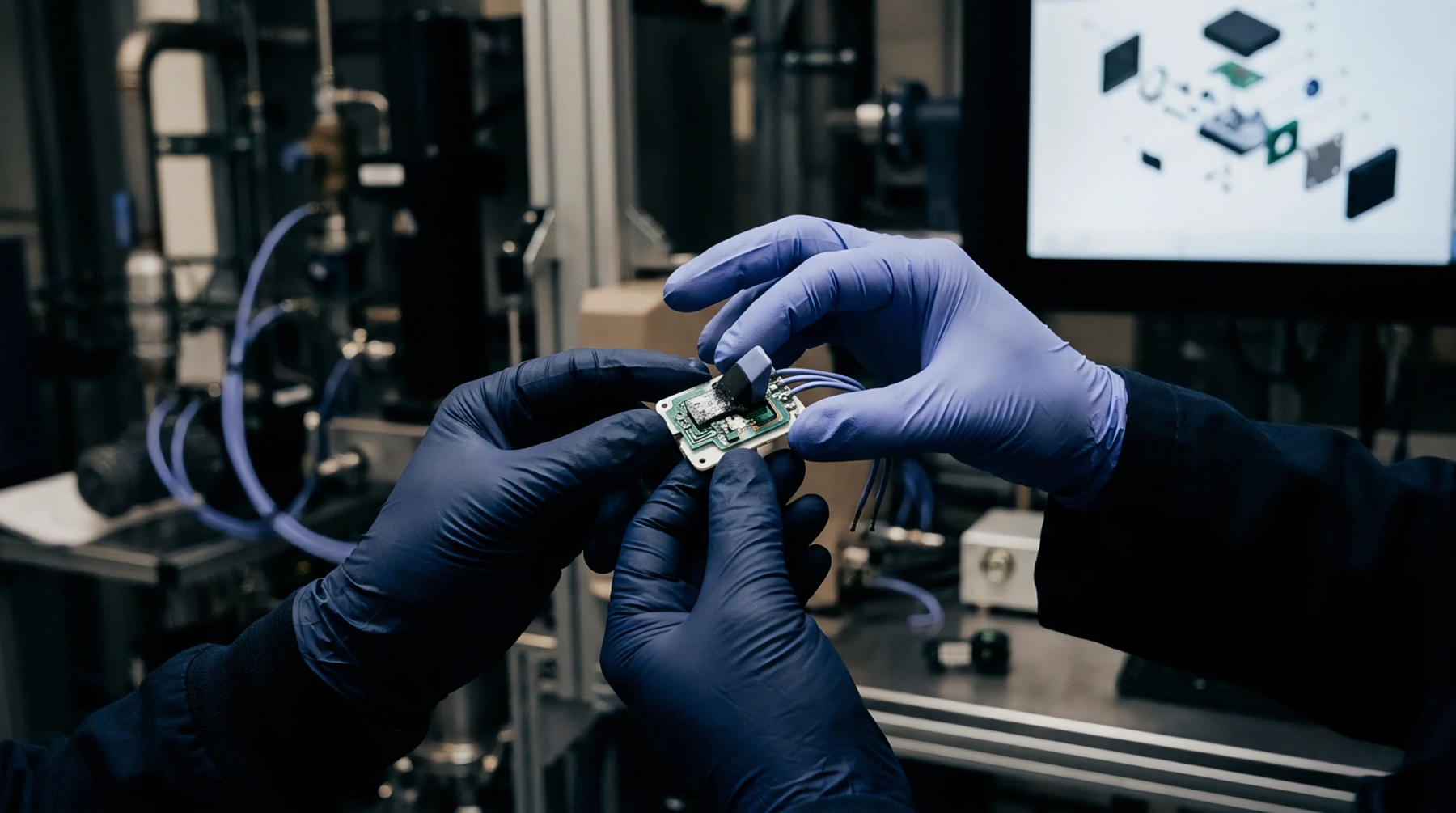
Electroless copper seed thickness variations widen flash etching dwell times, causing severe lateral undercut, collapsed etch factors, and impedance scrap.
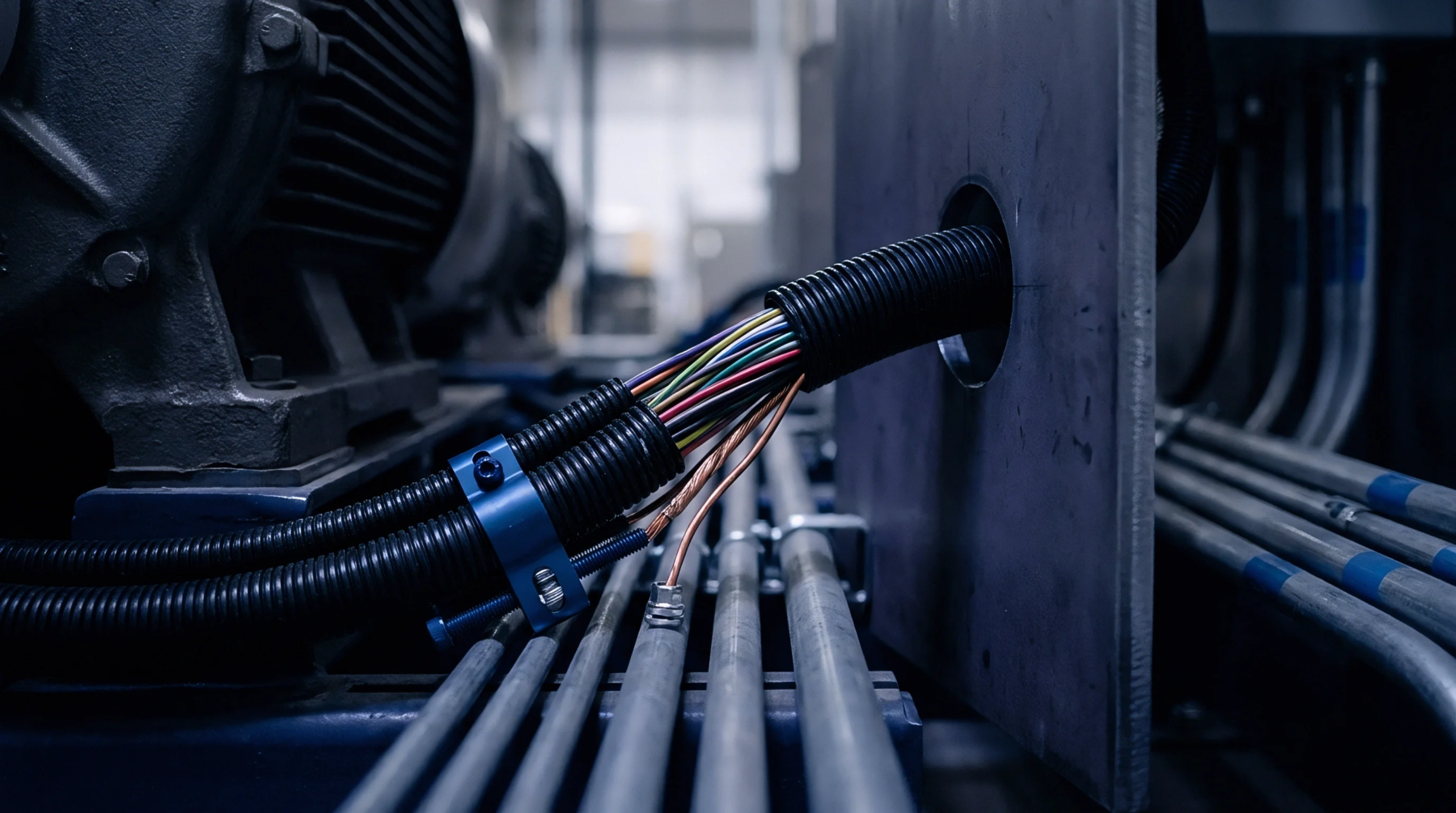
Phosphorus rejected during solder reflow forms brittle nickel phosphide layers that demand high-speed shear testing and strict IPC-4552 chemical control.
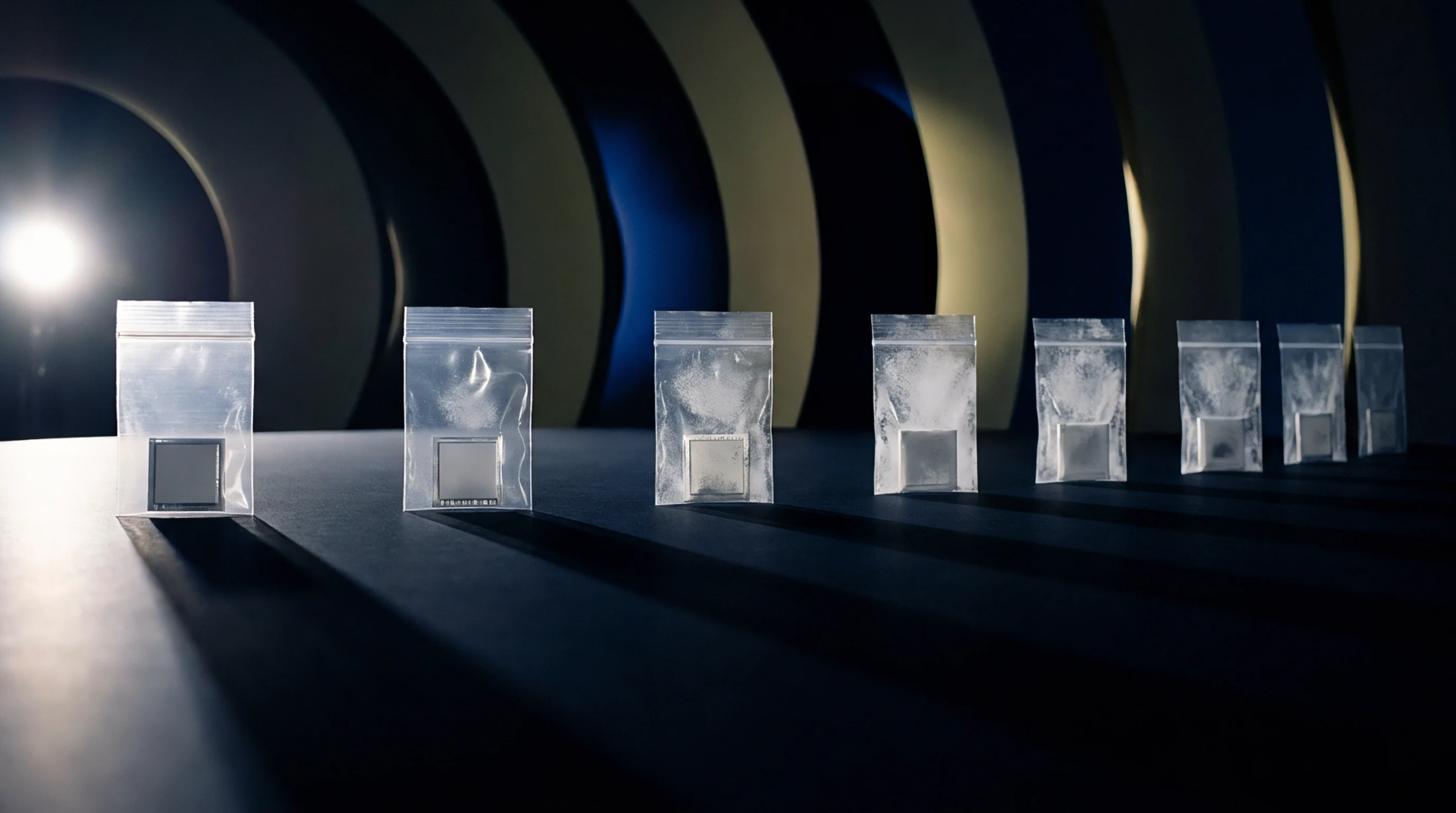
AS6081 analytical screening prevents gray-market component defects from causing SMT downtime and joint failures through targeted non-destructive and laboratory tests.

High density circuit board surface finishes require tight thickness boundaries to prevent nickel hyper-corrosion, black pad, and solder joint embrittlement.
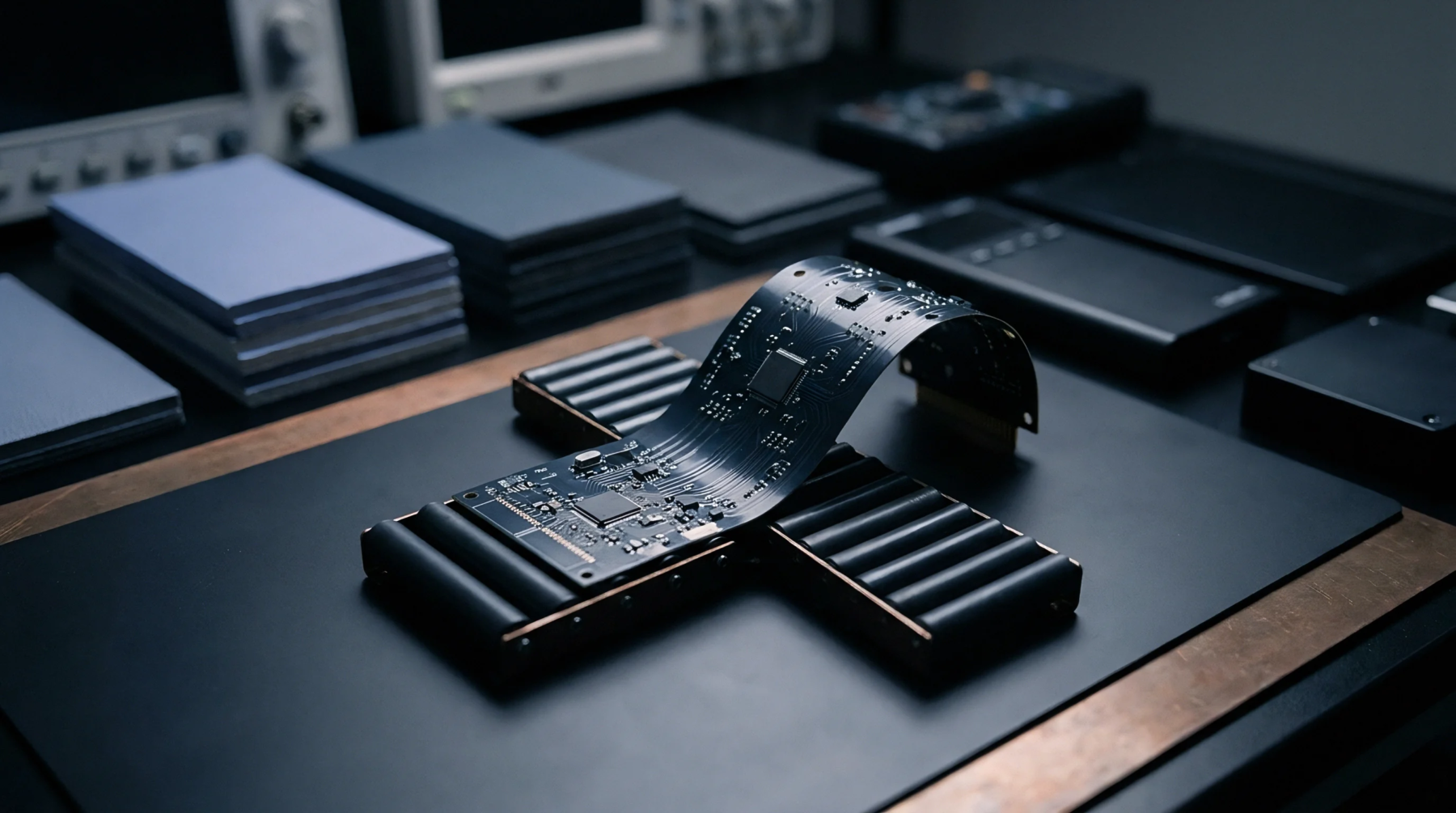
Liability allocation for counterfeit escapes in hybrid runs depends on sourcing channels, where turnkey purchases place full warranty on the assembler while consigned inventory requires explicit contract indemnification clauses.
Expertise is a utility, not a secret. sentiention™ publishes its working knowledge as open reference: intelligence layer covering the materials it sources, the markets it enters, and the reference that serves both.