
High Shear Squeeze Flow Analysis in Microvia Substrate Lamination
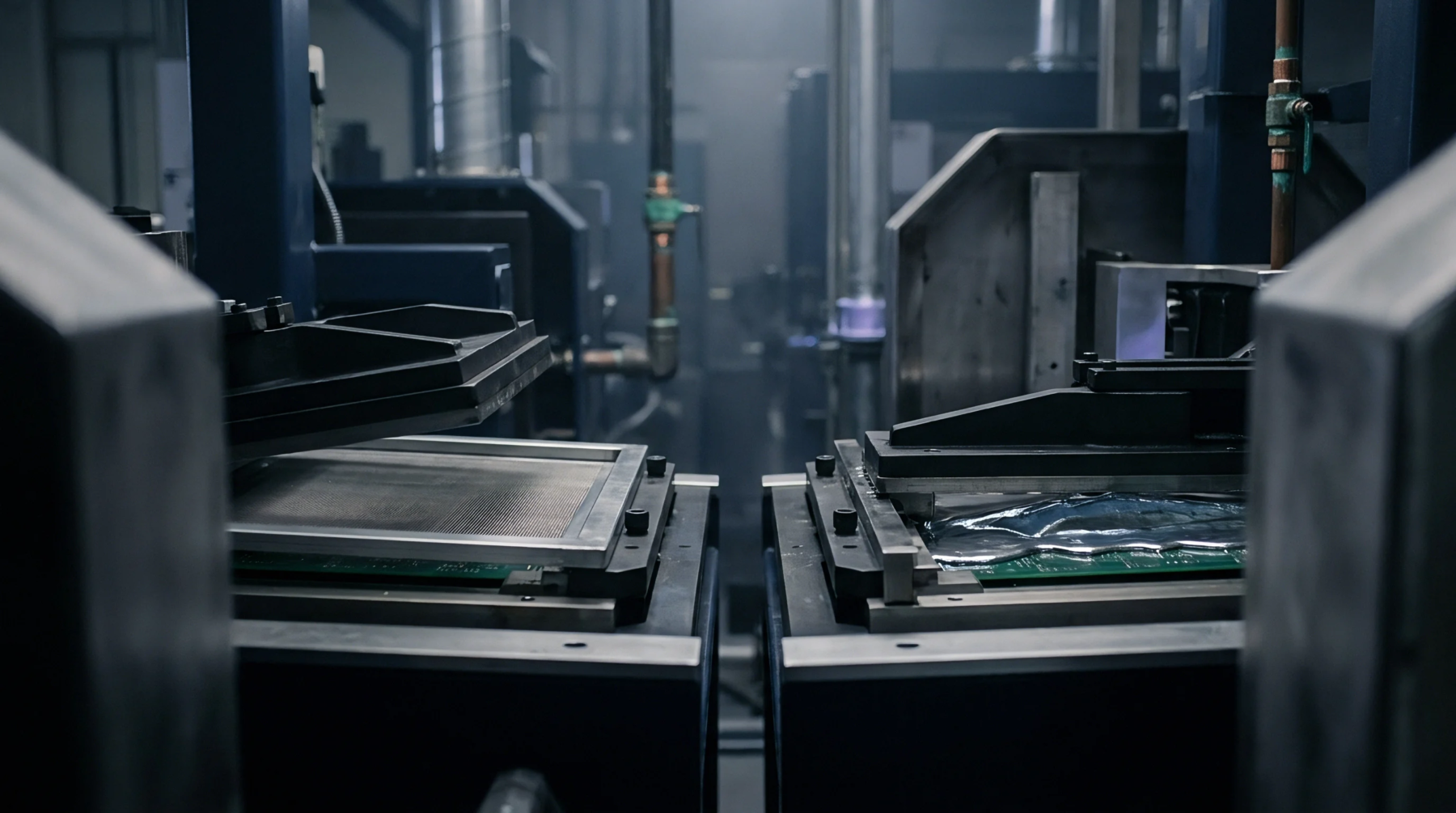
High shear squeeze flow during substrate lamination forces shear thinning in prepreg resin, enabling complete microvia cavity fill before gelation locks the network.
High shear squeeze flow during substrate lamination forces shear thinning in prepreg resin, enabling complete microvia cavity fill before gelation locks the network.
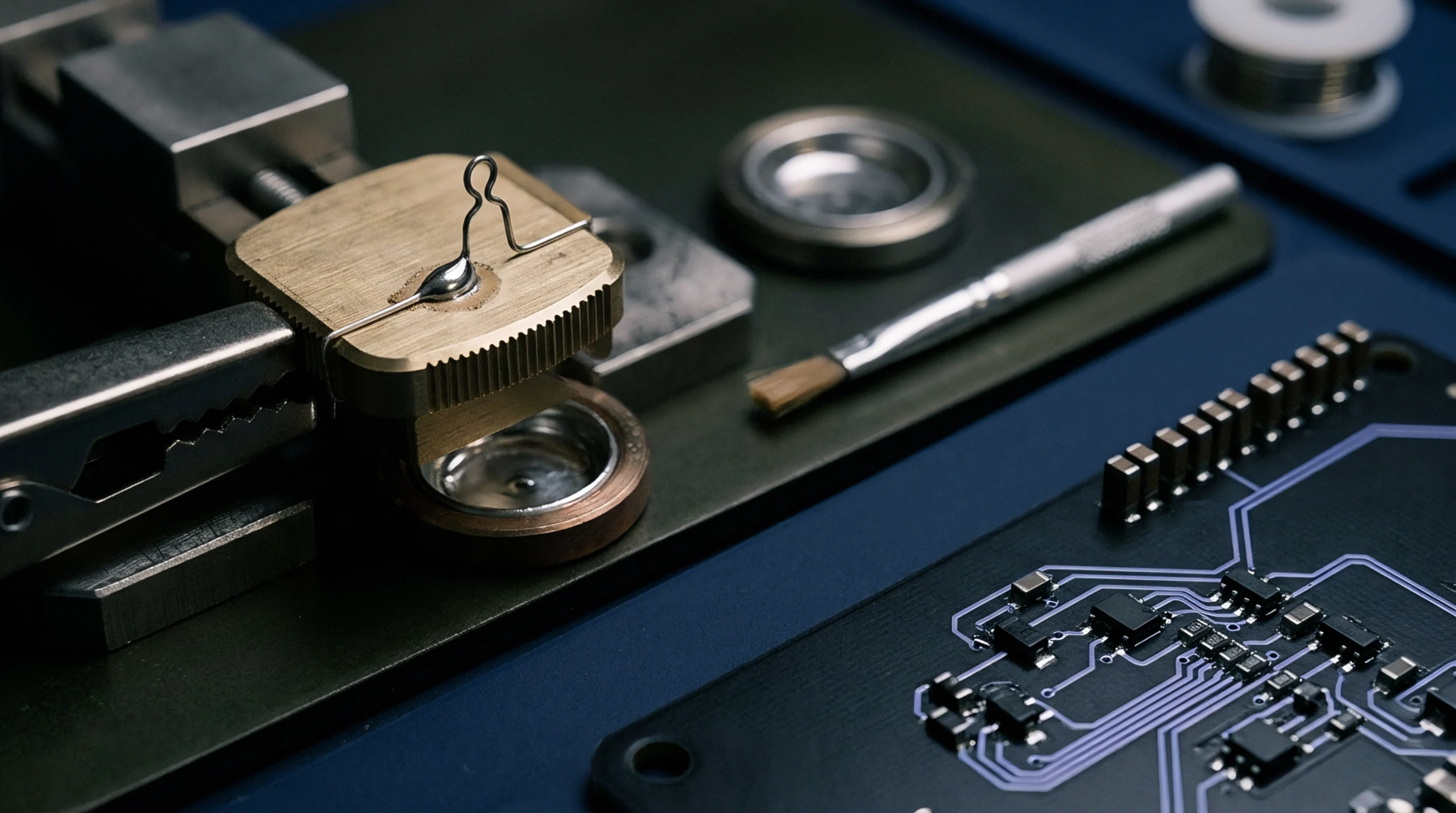
Secondary lamination dynamics dictate microvia fill, dielectric thinning, and registration shift, where multi-pass yield decay drives final panel cost.
Standard test coupon layouts place structural patterns in panel frame gutters to verify microsection plating and trace impedance without sacrificing yield.
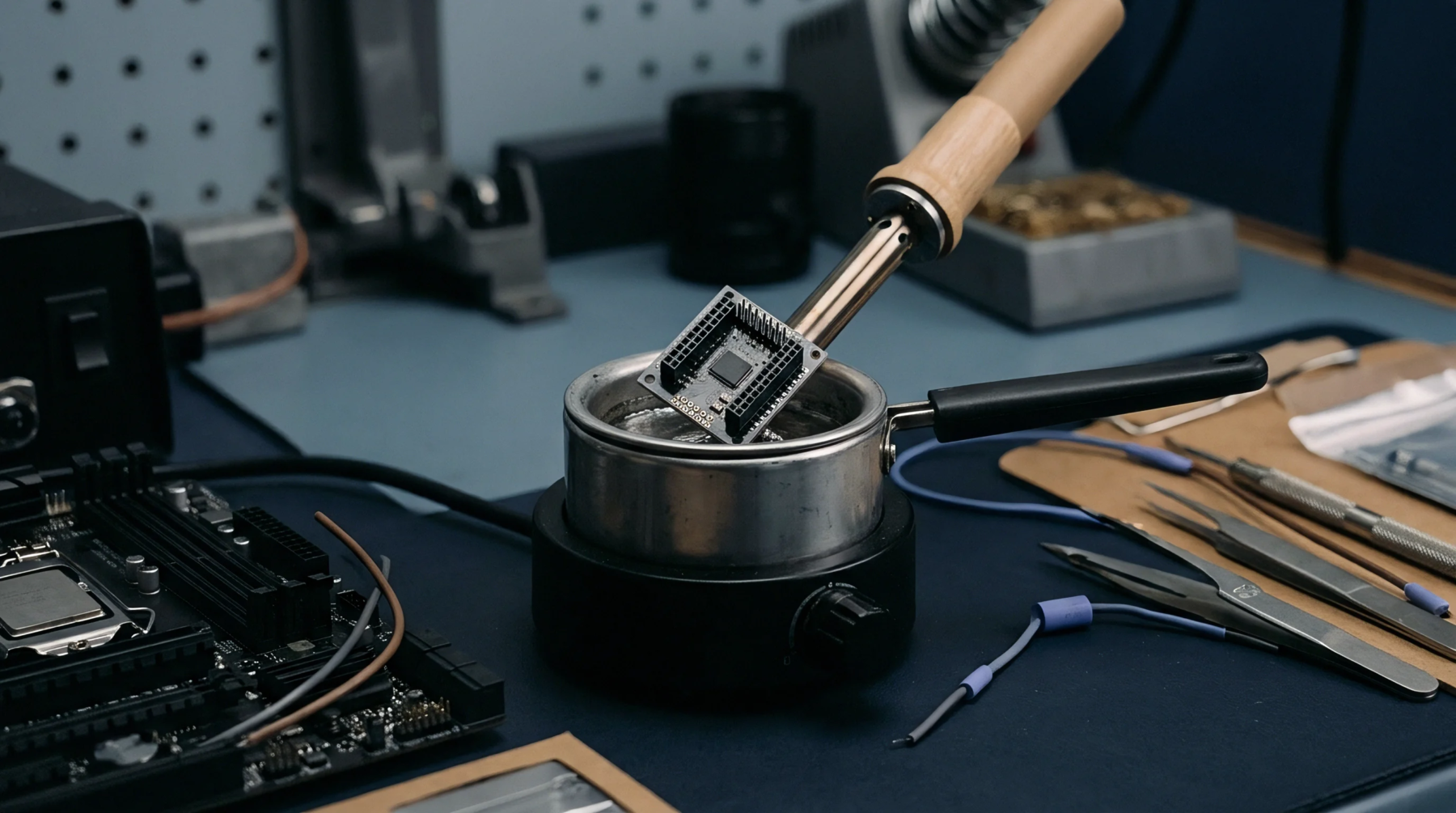
Verification of thermal rework degradation limits relies on coupon continuous resistance tracking and microsectioning to prevent latent inner-layer via cracking.
Class 3 microsections require zero inner layer breakout and 0.050 mm minimum ring width, whereas Class 2 permits 90-degree breakout if conductor spacing holds.
Dynamic resin squeeze flow across ultra smooth copper foils demands precise thermal press ramping to prevent micro-voiding and hold tightly controlled plane spacing.
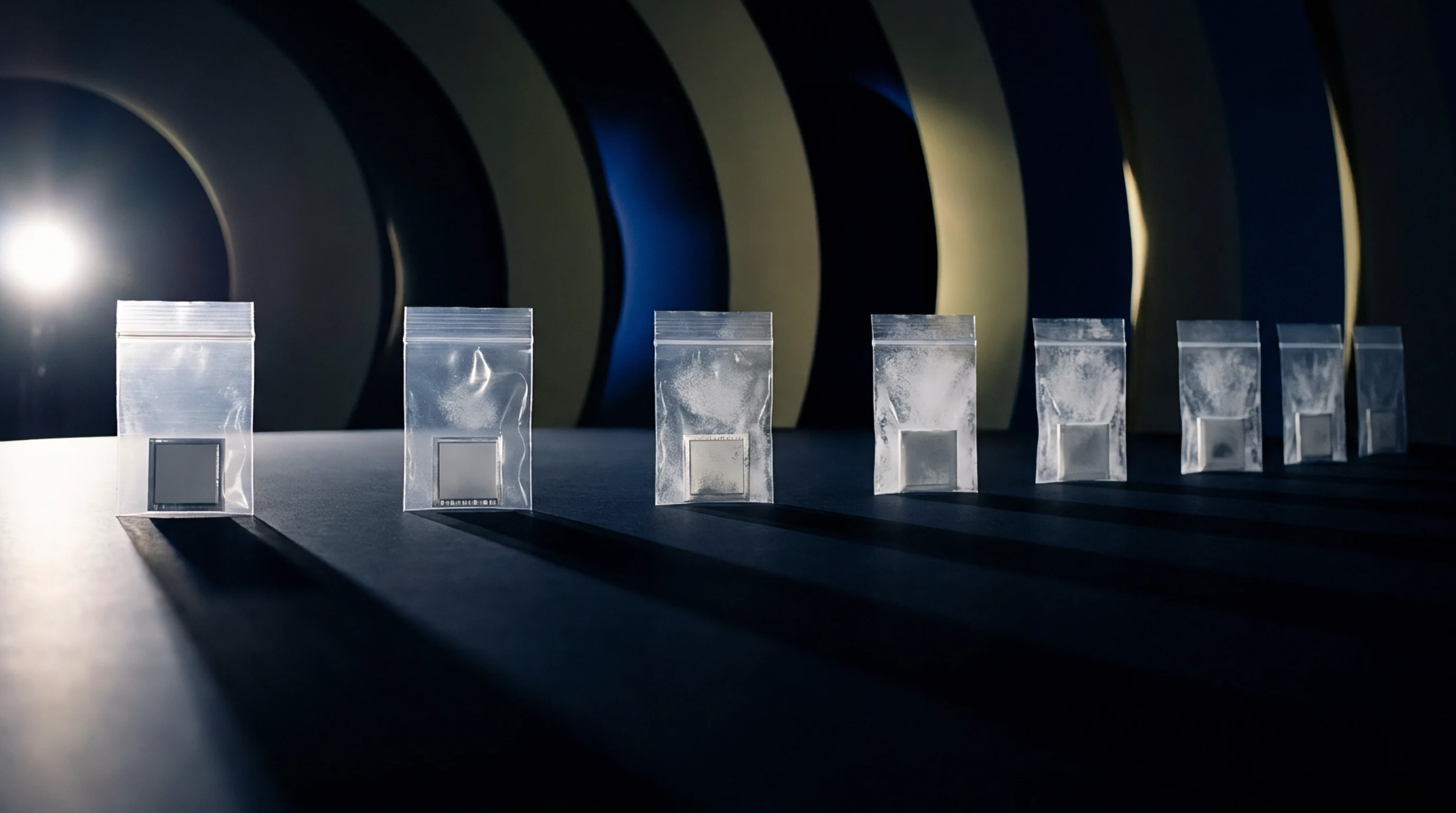
Correlating micro-ohmic resistance drift in thermal stress coupons with microsection defect rates isolates latent inner layer post separation before assembly.

Dynamic resin flow in thin core laminates governs post-press dielectric thickness, feature filling capability, and panel impedance uniformity.
Expertise is a utility, not a secret. sentiention™ publishes its working knowledge as open reference: intelligence layer covering the materials it sources, the markets it enters, and the reference that serves both.