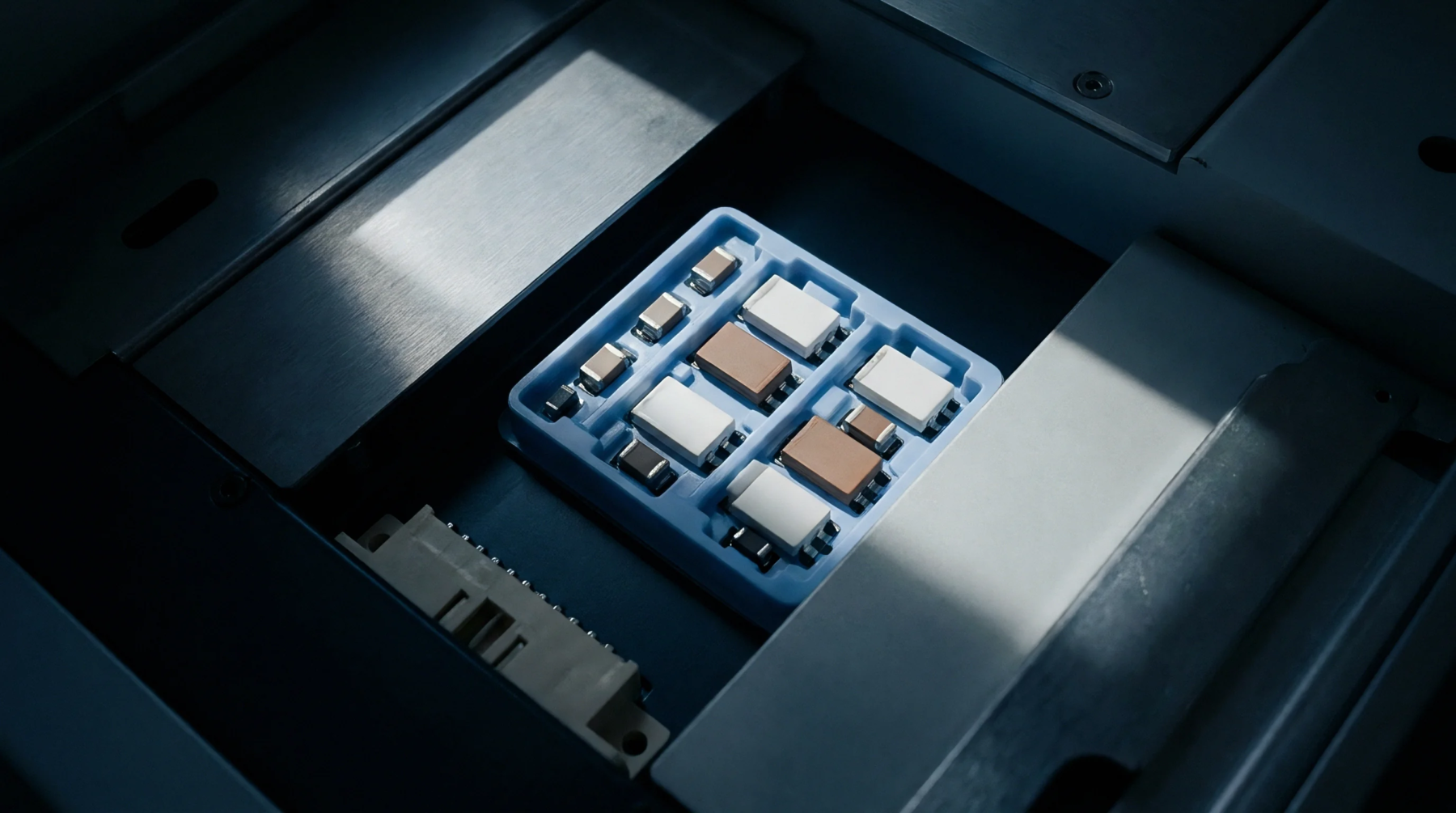
Optimizing Press Thermal Profiles for High Density Interconnect Coreless Assemblies
Optimizing coreless HDI thermal profiles requires synchronized heating ramps, controlled viscosity dwell windows, and low-rate cooling to prevent warp.
Optimizing coreless HDI thermal profiles requires synchronized heating ramps, controlled viscosity dwell windows, and low-rate cooling to prevent warp.
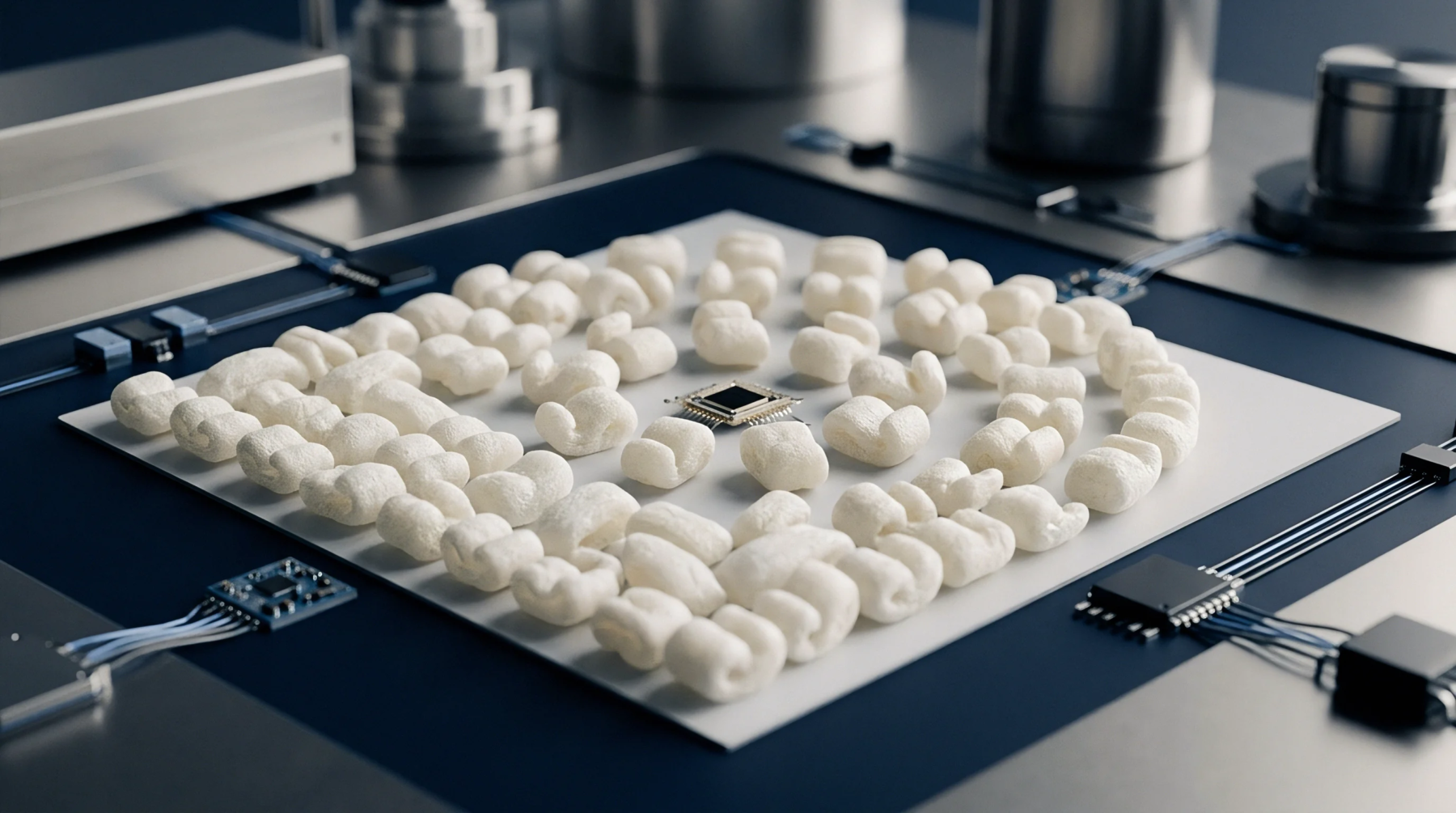
Precise control of prepreg minimum viscosity and press temperature ramp rates prevents core squeeze out and micro voiding in thin laminate stackups.
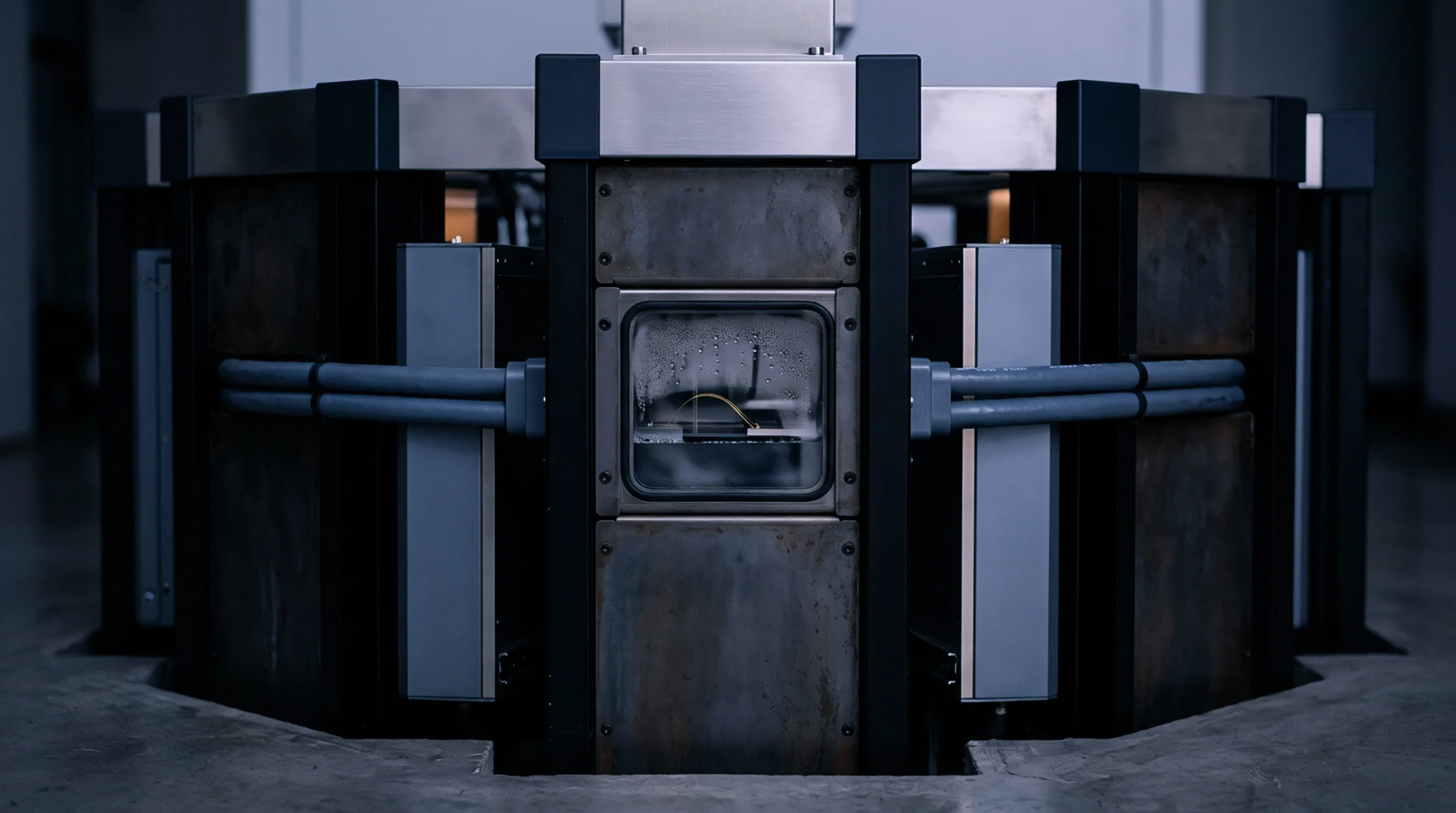
Non-isothermal squeeze flow and anisotropic permeability dictate prepreg filling, requiring precise press ramps to prevent dielectric micro-voiding.

Dynamic prepreg viscosity and cure kinetics dictate resin flow windows, microvia filling completeness, and layer encapsulation during HDI board lamination.
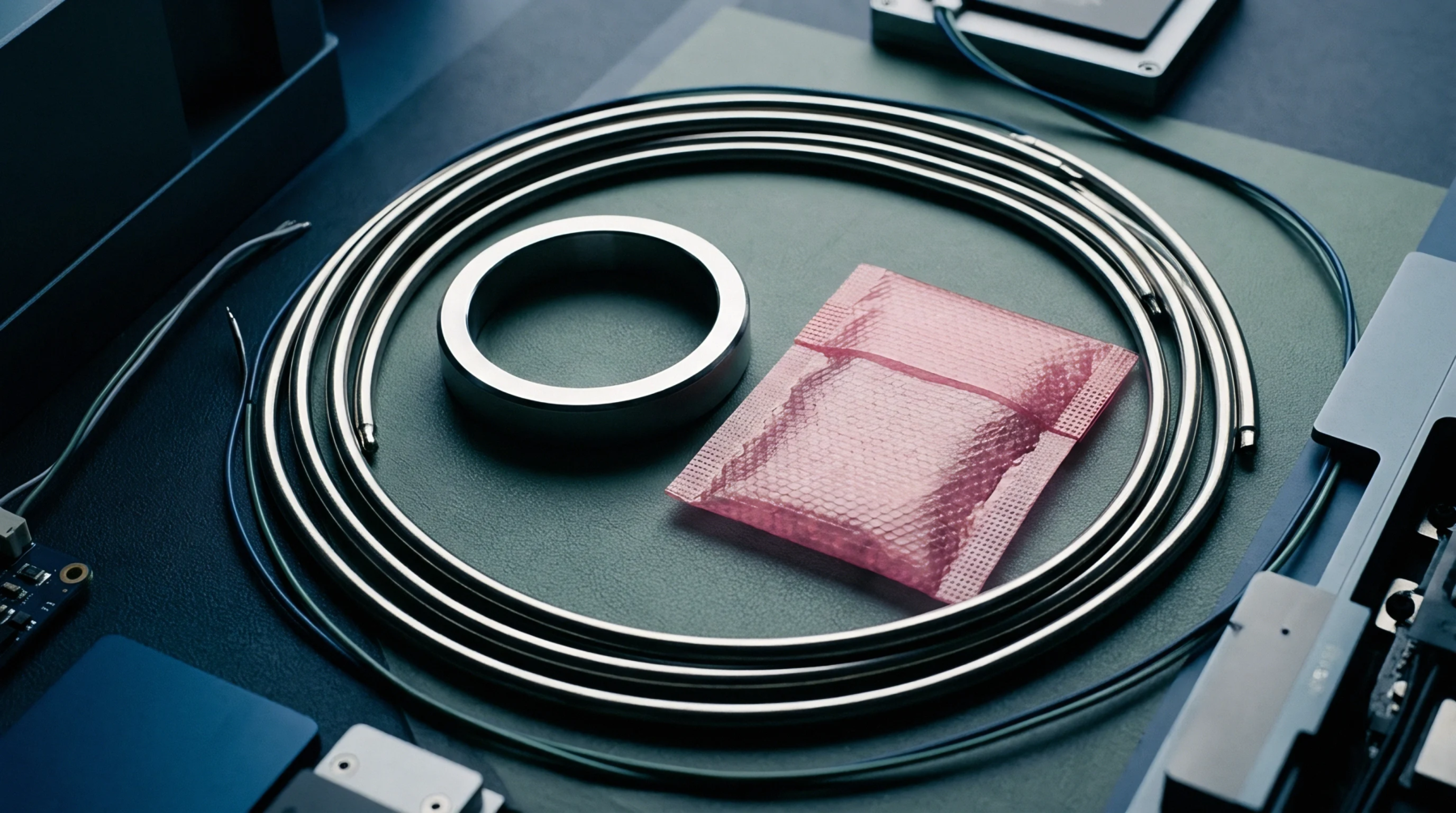
Optimizing inner layer registration requires balancing thermal expansion tolerances through four-slot pinning while managing prepreg viscosity windows under staged pressure.

Dynamic parallel plate rheometry under controlled 2 °C/min thermal ramps defines the minimum viscosity window for thin prepreg lamination success
Expertise is a utility, not a secret. sentiention™ publishes its working knowledge as open reference: intelligence layer covering the materials it sources, the markets it enters, and the reference that serves both.