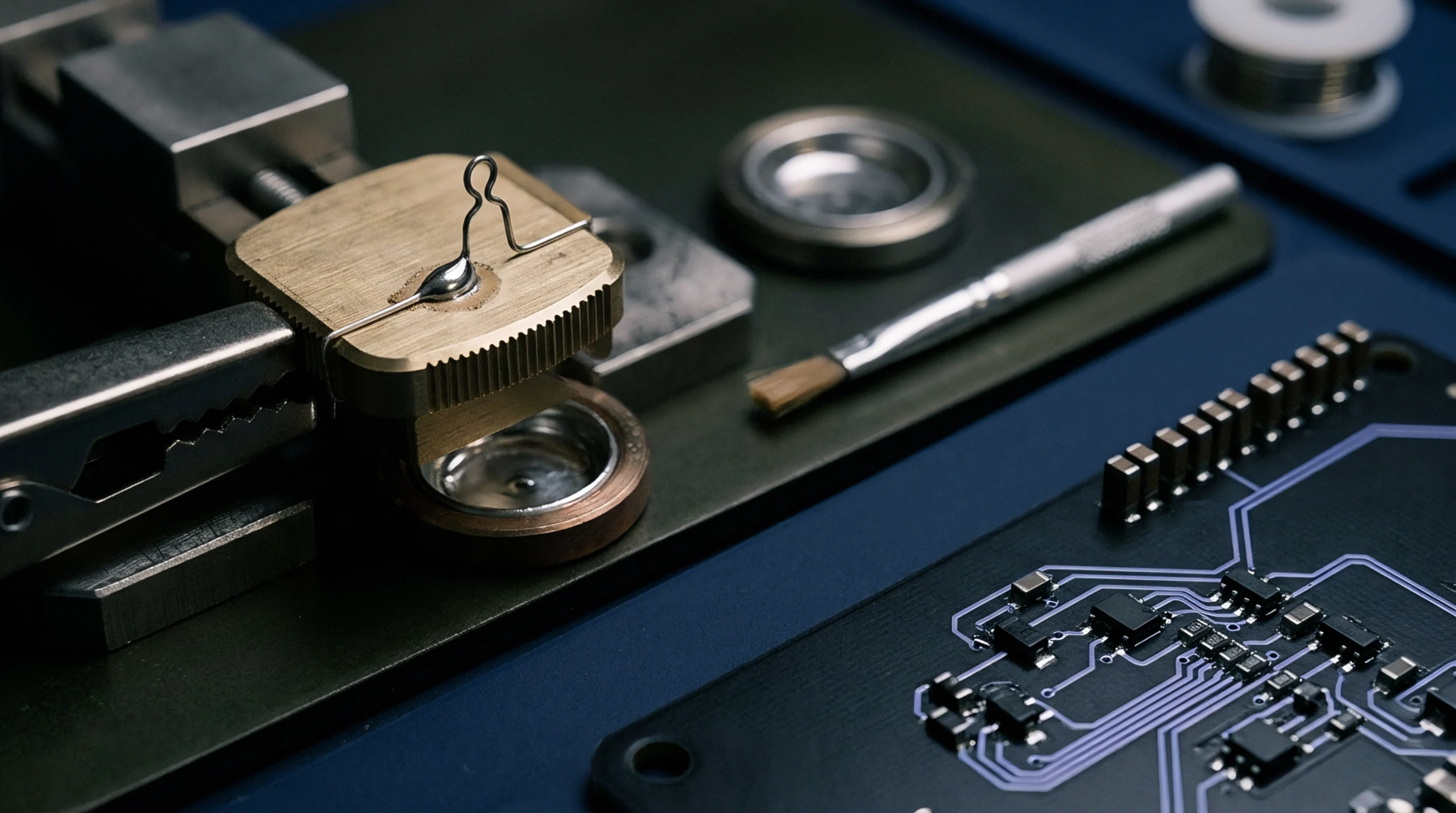
Sequential Lamination Secondary Resin Compression Dynamics in HDI Boards
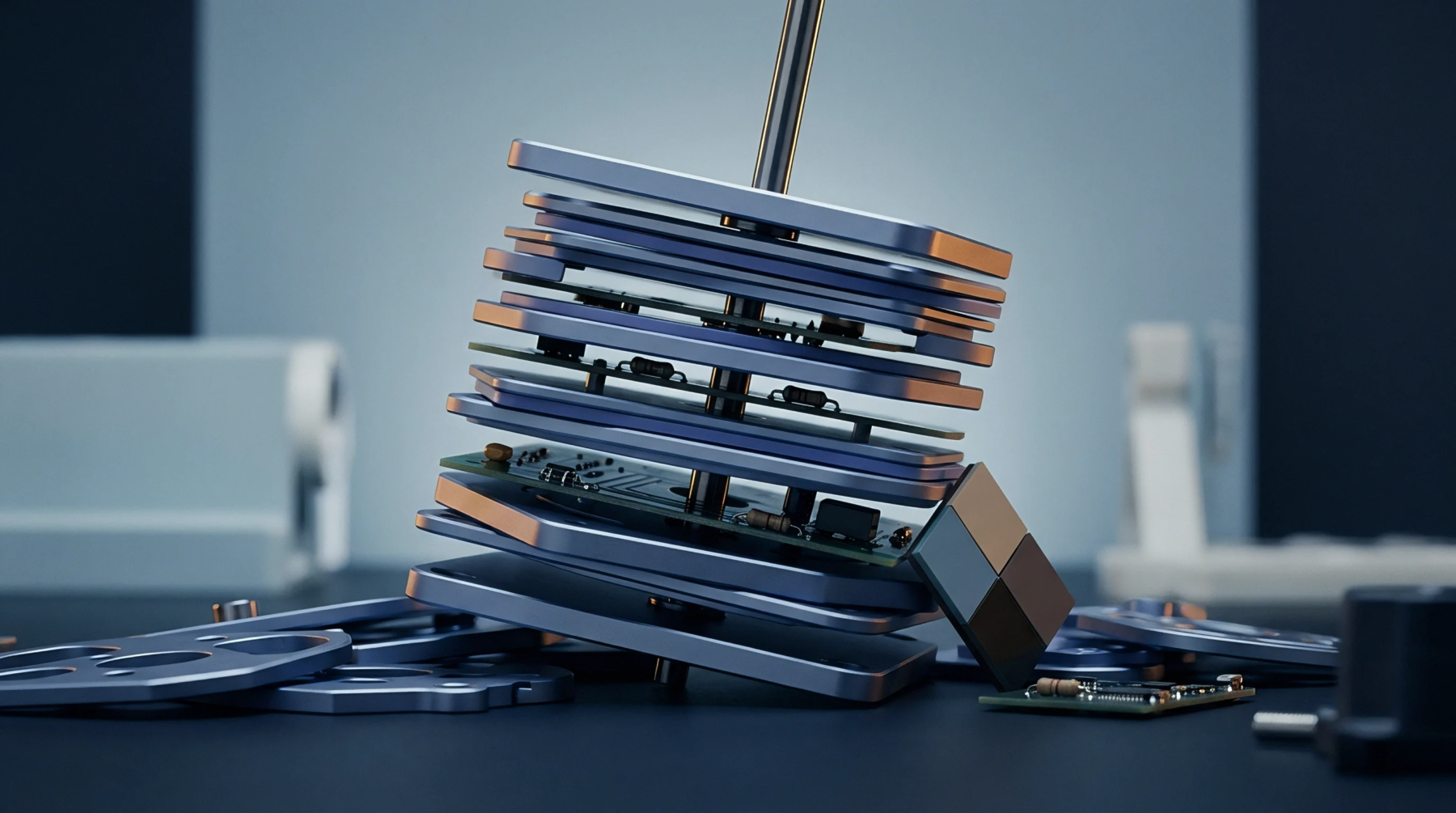
Secondary lamination dynamics dictate microvia fill, dielectric thinning, and registration shift, where multi-pass yield decay drives final panel cost.
Secondary lamination dynamics dictate microvia fill, dielectric thinning, and registration shift, where multi-pass yield decay drives final panel cost.

Heterogeneous core lamination requires synchronized thermal ramps to align flow windows and prevent resin phase extraction along substrate interfaces.
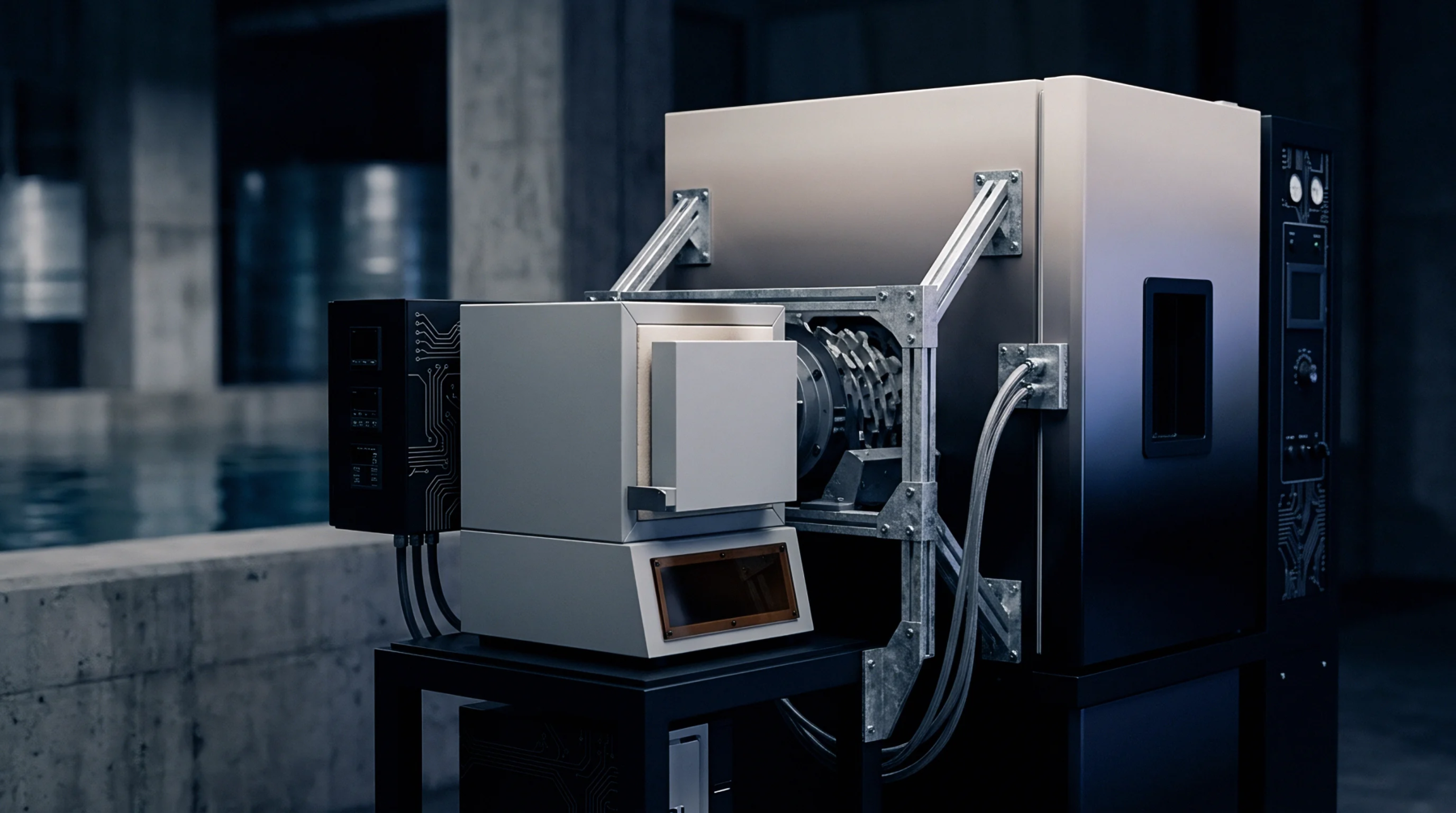
Escape rate analysis for high-speed SerDes requires combined AC boundary scan and high-frequency TDR screening to capture micro-voids and flex micro-cracks.
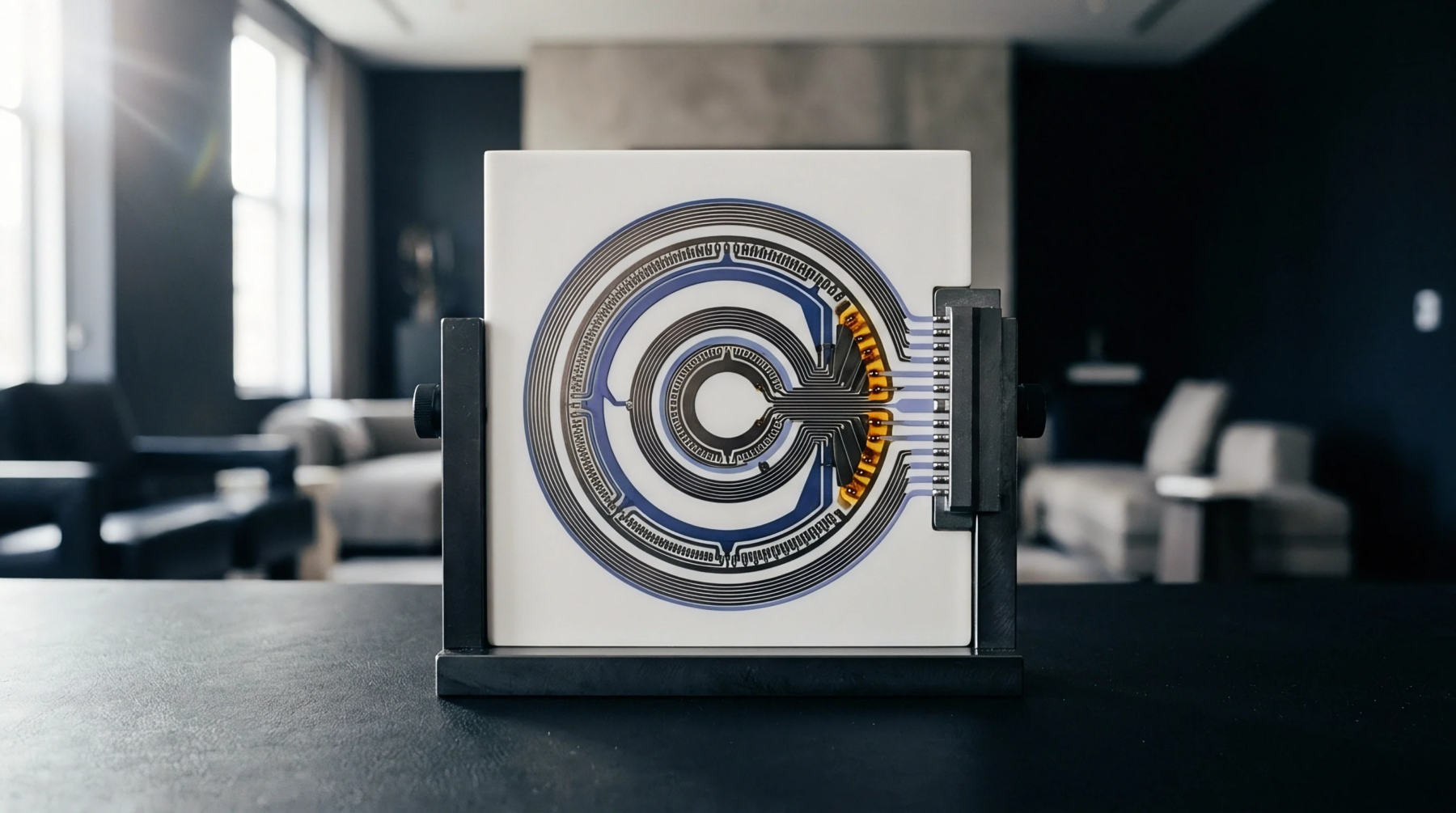
Standardizing low-Dk spread glass requires matching glass chemistry with mechanical yarn flattening to eliminate differential skew and fix impedance tolerances.
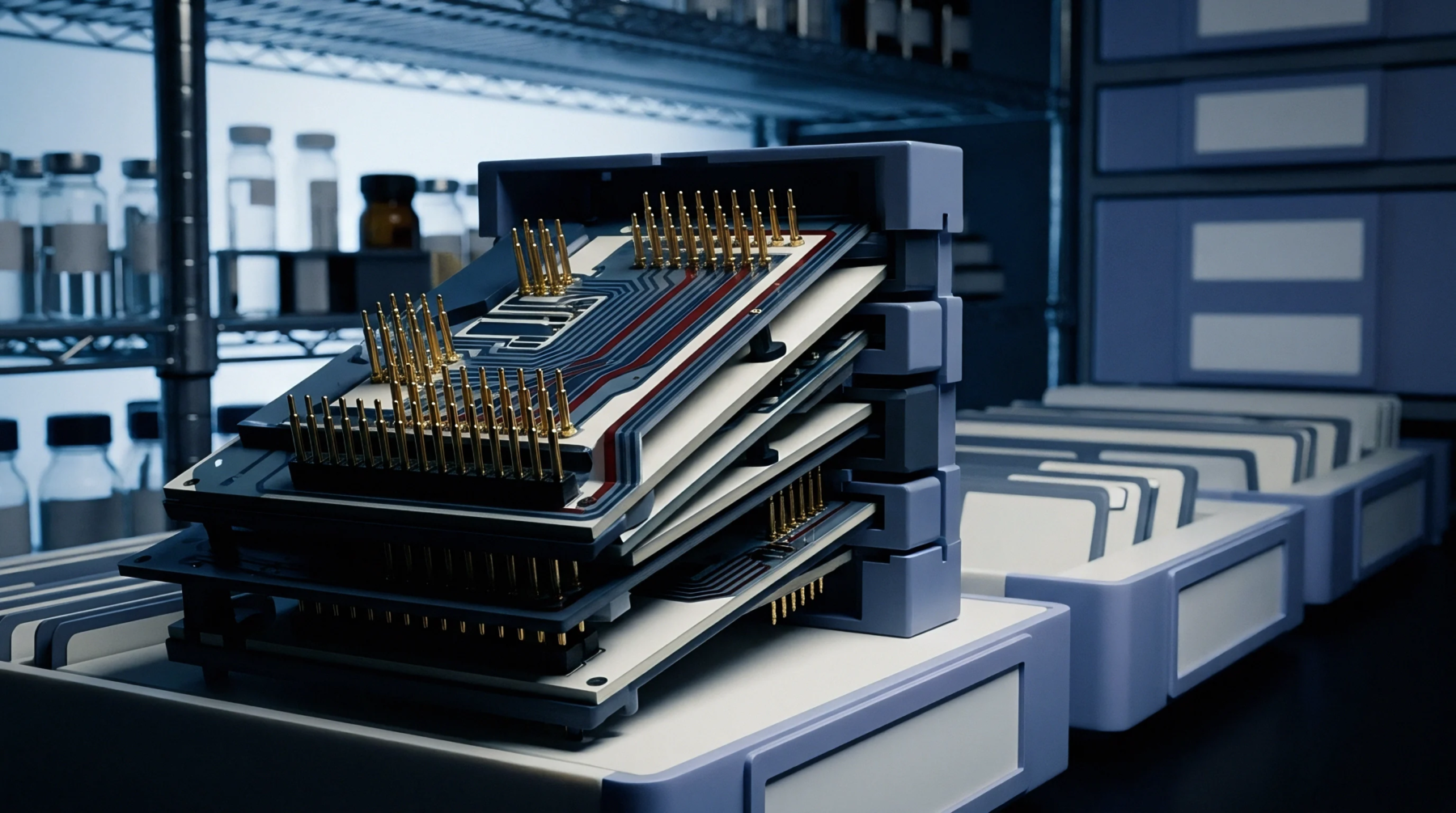
Vapor phase reflow eliminates thermal deltas across unequal copper density substrates by transferring latent condensation energy at constant fluid temperatures.

Modified semi additive process contracts require clear yield baselines, defect attribution formulas, and flash-etch metrology to recover scrap costs cleanly.
Optimal SMT yield requires matching paste shear-thinning rheology with stencil area ratios above 0.66 and reflow profiles holding peak temperatures within 5°C.

Dynamic resin flow in thin core laminates governs post-press dielectric thickness, feature filling capability, and panel impedance uniformity.
Expertise is a utility, not a secret. sentiention™ publishes its working knowledge as open reference: intelligence layer covering the materials it sources, the markets it enters, and the reference that serves both.